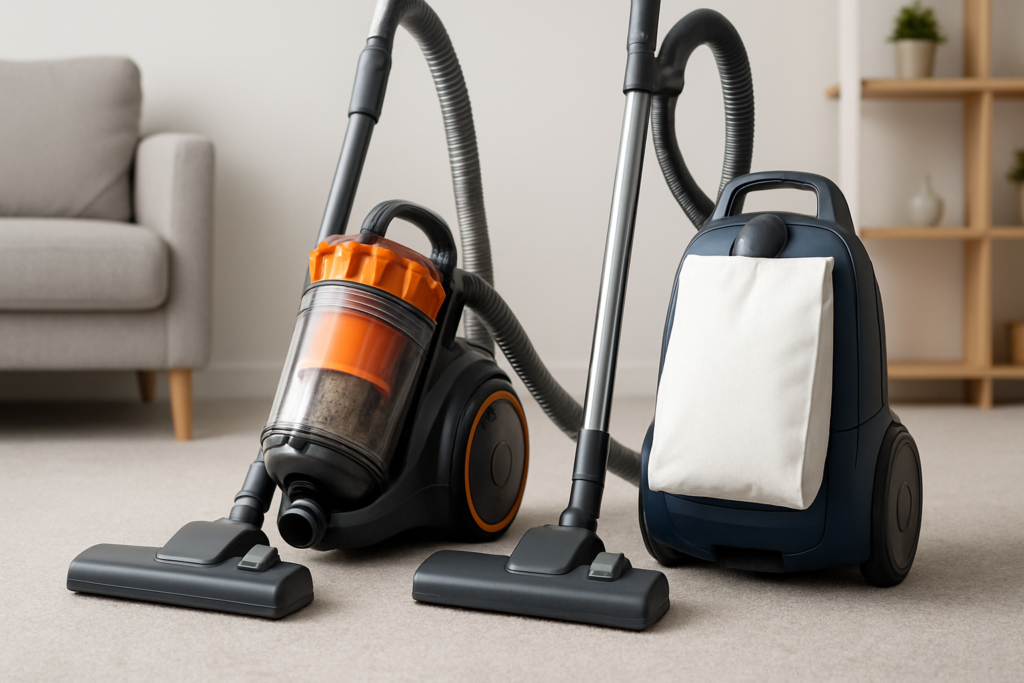
You’re standing in the vacuum aisle, comparing two similar models. One has a bag, one doesn’t. The bagless version looks more high-tech with its transparent dust bin, but your neighbor swears by her old-school bagged model. Which one actually makes your life easier?
The answer depends on what bothers you most: ongoing expenses or dealing with dust clouds. Both types will clean your floors, but they handle dirt collection and maintenance very differently. Here’s what you need to know to pick the right one for your home.
How Filtration Really Works
Bagged vacuums use the bag itself as a primary filter. Air passes through the bag material, which traps particles before they reach the motor and exhaust filter. Most quality bags capture 99% or more of dust and allergens, creating a sealed system from suction to disposal.
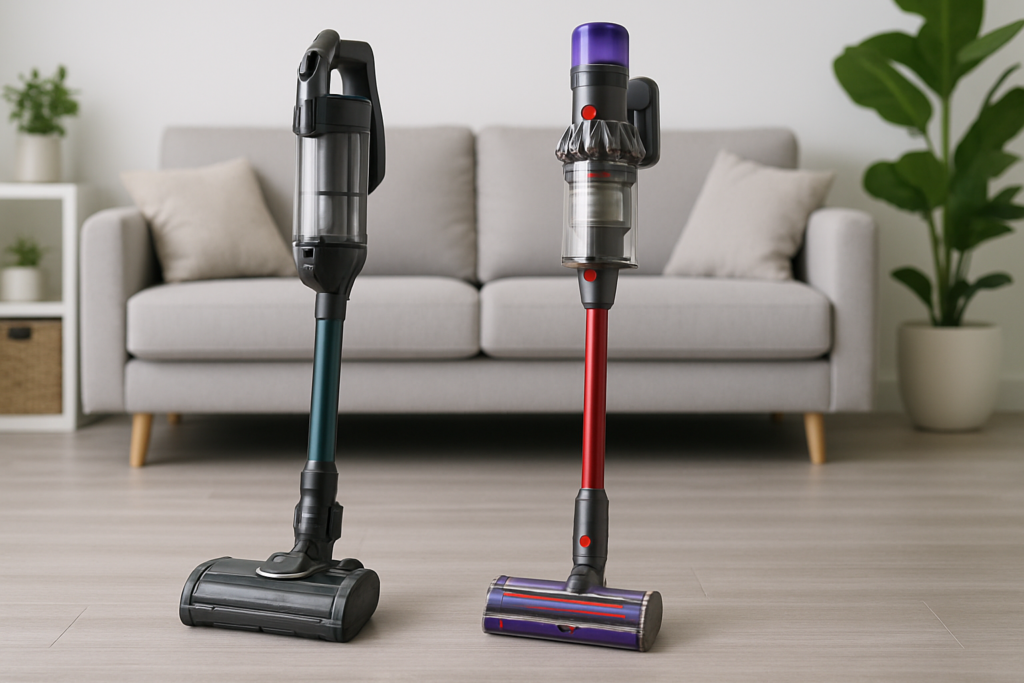
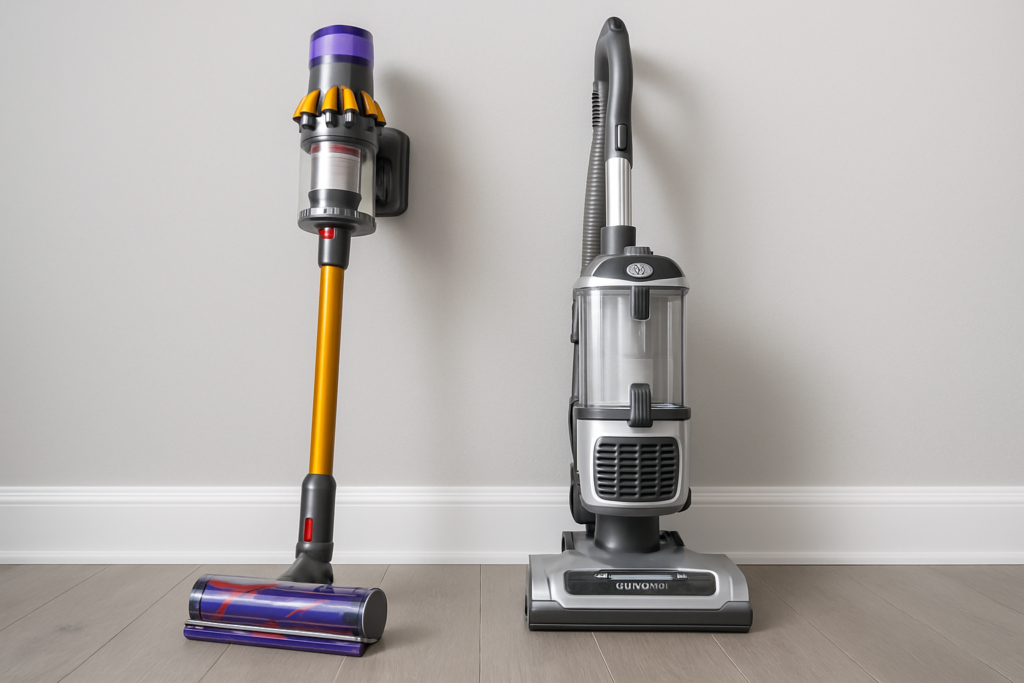
Bagless models rely on cyclonic separation technology. Air spins rapidly inside the dust cup, forcing heavier particles to the outside while cleaner air moves toward the center and through filters. The Dyson V15 Detect and Shark Navigator both use multi-cyclonic systems that work well for everyday dirt.
Where bagged vacuums excel is in maintaining consistent filtration throughout their use. The bag captures particles and keeps them contained. Bagless models can lose suction as filters get clogged, and you’ll need to clean those filters regularly to maintain performance.
People with allergies or asthma should pay attention here. Bagged vacuums from Miele or SEBO offer superior allergen containment because you never directly handle the collected dust. The bag comes out sealed, goes straight in the trash, and you’re done.
Maintenance and Cleaning Requirements
Bagless vacuums need more hands-on care. You’ll empty the dust cup after every few uses, and that means seeing, smelling, and potentially breathing some of that dust. Even when you’re careful, a small puff of dust escapes when you empty the bin over your trash can.
You’ll also wash filters monthly or more often if you vacuum frequently. The pre-motor filter and post-motor filter both need cleaning. They take 24 hours to dry completely, so you can’t use your vacuum during that time. Forget to clean them, and you’ll notice reduced suction quickly.
Bagged models are simpler. When the bag fills up (usually after 4-8 weeks for average homes), you pull it out and toss it. The whole process takes 30 seconds. You’ll still need to replace the exhaust filter annually, but that’s typically the only maintenance required.
The dust cup on bagless models also needs occasional deep cleaning. Hair wraps around the cyclone assembly, and fine dust sticks to the walls. You’ll need to disassemble parts and scrub them every few months to prevent buildup and odors.
The True Cost Over Time
Bagless vacuums cost nothing extra after purchase, right? Not exactly. While you won’t buy bags, you will replace filters. A genuine Shark HEPA filter runs you competitively priced-20 and needs replacement every 6-12 months. Cheaper aftermarket filters exist, but they often don’t seal properly or filter as effectively.
Bagged vacuums require ongoing bag purchases. A pack of four genuine Miele bags typically competitively priced-20, giving you roughly 4-6 months of vacuuming. SEBO bags cost similarly. Generic bags are cheaper but may not fit as snugly or filter as well.
Over five years, you’ll spend approximately competitively priced-200 on bags for a bagged vacuum. Factor in the annual filter replacement (competitively priced), and your total runs competitively priced-250. A bagless model will competitively priced-150 in filter replacements over the same period.
But here’s what changes the calculation: durability. Quality bagged vacuums like the Miele Complete C3 or SEBO Felix often last 15-20 years with basic maintenance. Many bagless models struggle to make it past 5-7 years before motors burn out or plastic components crack.
Which Type for Your Situation
Choose a bagged vacuum if you have allergies, asthma, or pets that shed heavily. The sealed bag system keeps allergens contained during disposal. Miele’s AirClean sealed system is particularly effective for allergy sufferers.
Bagged models also make sense for larger homes or commercial use. The larger bag capacity means less frequent changes, and the consistent suction power handles high-volume cleaning better. The SEBO Automatic X4 holds nearly a gallon of debris.
Pick a bagless vacuum if you want to see what you’re picking up. Some people find satisfaction in watching the dust bin fill and knowing exactly what came off their floors. The Dyson models make this a feature, not a bug.
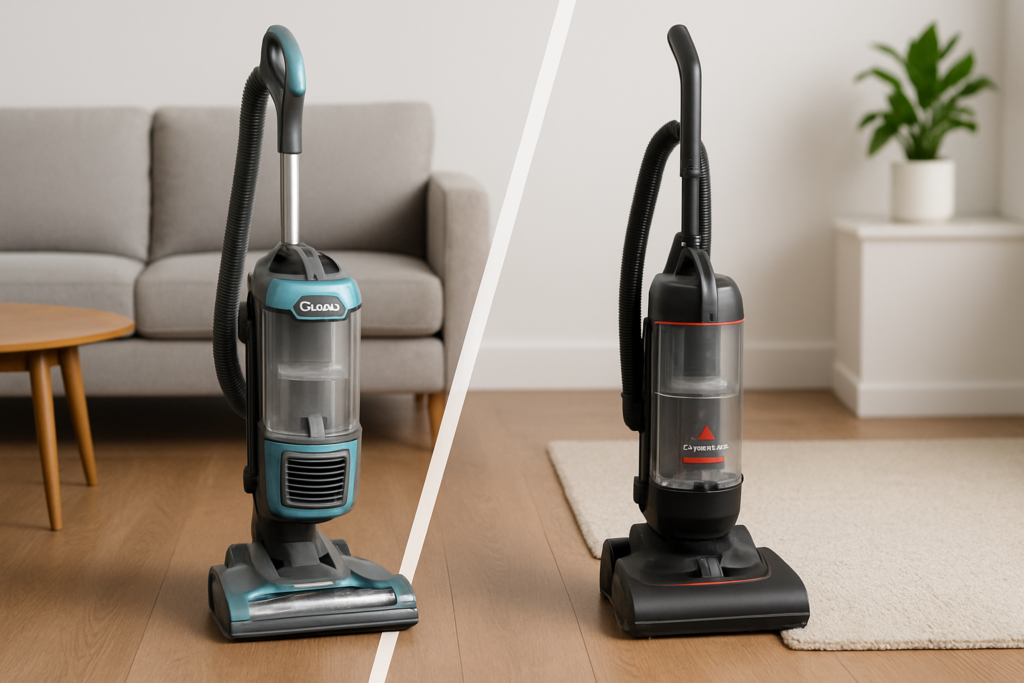
Bagless works well for small apartments or homes where you vacuum frequently with less debris each time. Emptying a small amount of dust isn’t as messy as dealing with a cloud from a full bin. The lighter weight of most bagless models (like the Shark Rocket at under 9 pounds) also helps in smaller spaces.
Pet owners face a tough choice. Bagless bins let you remove tangled hair from the brush roll easily, but emptying a bin full of pet hair and dander creates a mess. If your pet allergies are severe, go bagged despite the convenience factor.
Real-World Performance Differences
Suction consistency matters more than peak power. Bagged vacuums maintain steady airflow until the bag is nearly full. You’ll get similar cleaning performance on day one and day 30 of using the same bag.
Bagless models start strong but lose suction as the dust cup fills and filters get dirty. You might empty the bin when it looks half full just to restore full suction. This means more frequent trips to the trash can than manufacturers suggest.
Noise levels tend to favor bagged designs. The bag dampens sound, while bagless cyclonic systems create a high-pitched whine as air rushes through the chambers. The Miele Complete C3 runs noticeably quieter than comparable bagless uprights.
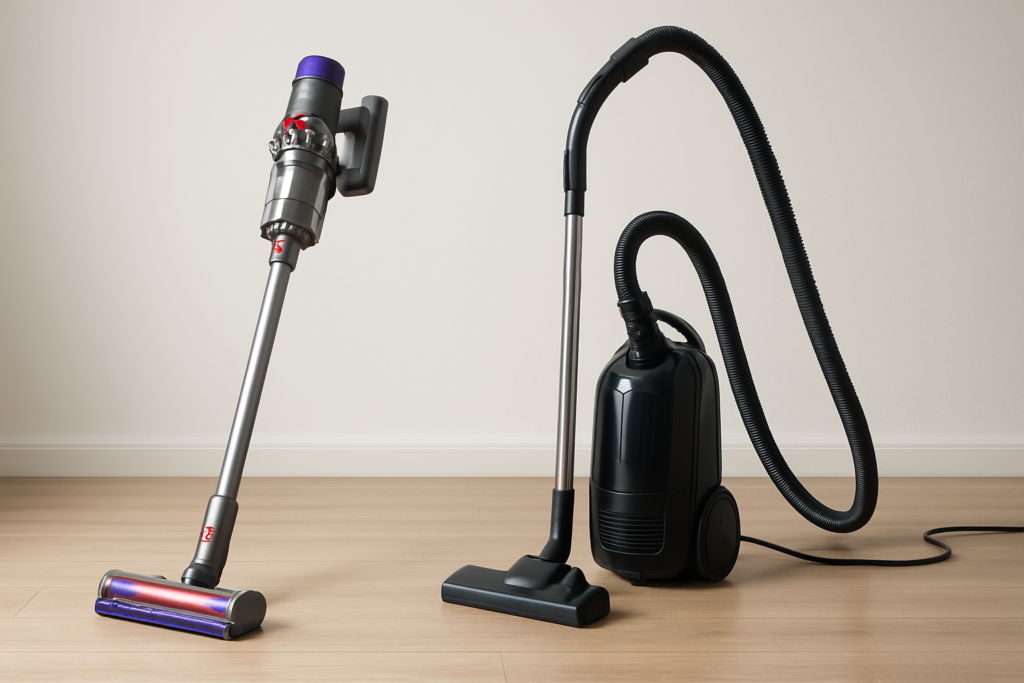
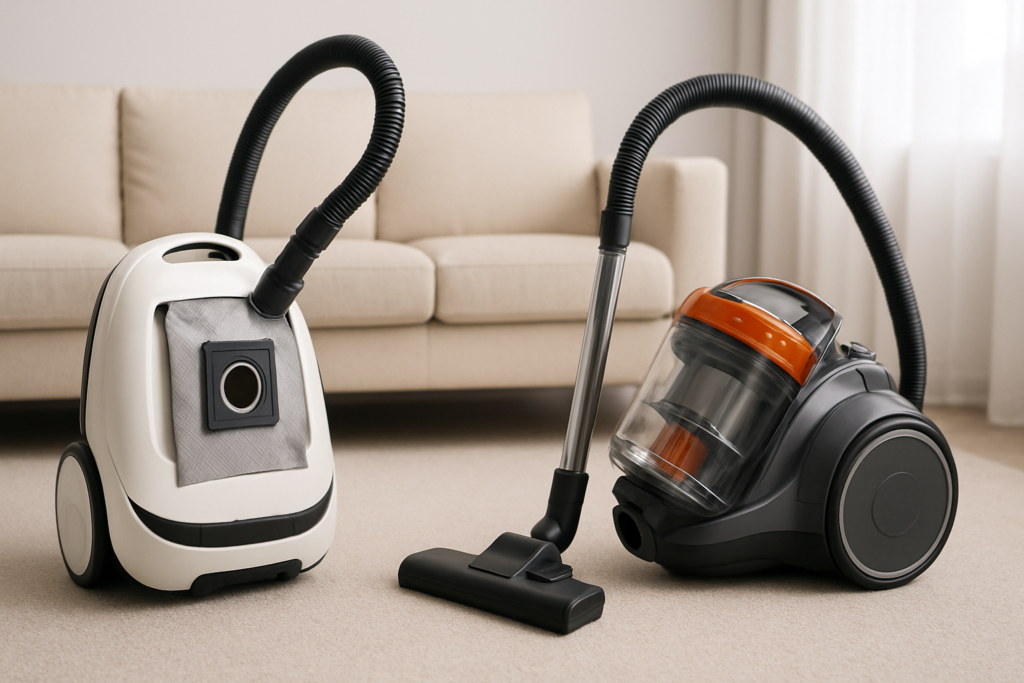
Weight distribution differs too. Bagged canister vacuums put the weight in the canister you drag behind you, making the wand and head lightweight. Bagless uprights concentrate weight in the unit you push, which can tire you out faster on large areas.
Frequently Asked Questions
Do bagless vacuums really save money compared to bagged models?
Over 3-5 years, bagless vacuums cost less to maintain, saving you competitively priced-150 in bag purchases. However, this assumes you buy a quality bagless model that lasts. Many cheaper bagless vacuums need replacement within 3-5 years, while quality bagged models last 15+ years. The initial savings disappear when you factor in replacement costs. For true lifetime value, a durable bagged vacuum from Miele or SEBO costs less despite ongoing bag expenses.
Can I use generic bags in my bagged vacuum?
You can, but results vary. Generic bags for popular models like Miele or Hoover fit physically but may not seal as tightly, allowing dust to bypass the bag. Some generic bags use thinner material that tears easily or lacks the filtration quality of genuine bags. Stick with manufacturer bags or well-reviewed third-party options from companies like Envirocare that meet original specifications. The few dollars you save aren’t worth reduced filtration or potential motor damage from poor sealing.
How do I minimize dust when emptying a bagless vacuum?
Empty the dust cup outside if possible, or hold it inside a plastic garbage bag while releasing the bottom door. Let the bin sit for 30 seconds after turning off the vacuum so dust settles. Press the release over your trash can quickly, then immediately close the trash bag. Clean the bin outdoors when possible. Some people wear a dust mask during emptying if they’re sensitive to allergens. Despite these precautions, some dust exposure is inevitable with bagless designs. Consider this seriously if anyone in your home has respiratory issues.