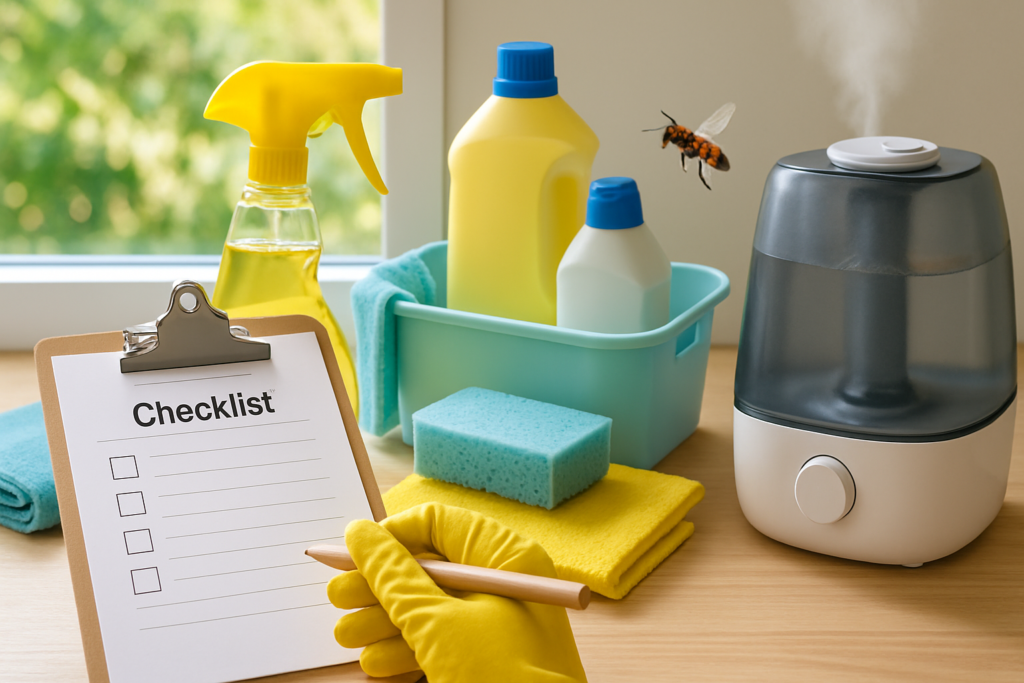
Summer brings longer days, backyard barbecues, and plenty of time outdoors. Unfortunately, it also brings higher humidity, more bugs, and allergens that can make your home feel less comfortable. The warmer months require a different cleaning approach than spring’s deep clean or fall’s prep work.
Your summer cleaning strategy should focus on controlling moisture, keeping pests at bay, and maintaining the outdoor spaces where you’ll spend most of your time. Here’s exactly what you need to tackle to keep your home fresh and comfortable all season long.
Replace and Upgrade Your AC Filter
Your air conditioning system works overtime during summer, which means your filter gets dirty faster. A clogged filter reduces efficiency and lets more dust and allergens circulate through your home.
Check your filter monthly during peak summer months instead of the usual quarterly schedule. Hold it up to the light – if you can’t see through it clearly, it’s time for a replacement. This simple step can reduce your energy bills and improve indoor air quality significantly.
Consider upgrading to a higher MERV rating filter if you haven’t already. MERV 8-11 filters capture smaller particles like pollen and pet dander without restricting airflow too much. Just make sure your HVAC system can handle the higher rating by checking your owner’s manual.
Filtrete 16x25x1 MERV 11 Air Filter
Top-rated filter that balances particle capture with proper airflow for most home systems
Combat Humidity Throughout Your Home
High humidity makes your home feel sticky and creates perfect conditions for mold growth. Your goal is to keep indoor humidity between 30-50% for optimal comfort and health.
Start with the biggest moisture producers in your home. Run exhaust fans during and after showers, even if it makes the bathroom slightly warmer. Use your kitchen exhaust fan while cooking, especially when boiling water or using the dishwasher.
Basements and crawl spaces need extra attention. A quality dehumidifier can remove several gallons of moisture daily from these problem areas. Look for units with built-in pumps if you don’t want to empty water buckets constantly.
Don’t forget about simple fixes like sealing air leaks around windows and doors. Even small gaps let humid outdoor air seep in, making your AC work harder.
Ant-Proof Your Kitchen and Entry Points
Summer ant invasions start with scouts looking for food and water sources. Once they find what they’re looking for, they leave scent trails for thousands of their friends to follow.
Clean up crumbs immediately, especially around appliances where they tend to accumulate. Pull out your refrigerator and stove to vacuum underneath – you’ll be amazed at what’s hiding there. Wipe down surfaces with a vinegar solution, which disrupts scent trails ants use to navigate.
Seal entry points with caulk around windows, doors, and where utility lines enter your home. Pay special attention to the kitchen and areas near exterior doors. Even tiny cracks provide highways for ant colonies.
Keep your pantry organized in airtight containers. Ants can chew through cardboard and thin plastic, so invest in quality food storage containers for items like cereal, flour, and pet food.
Rubbermaid Brilliance Food Storage Containers
Crystal-clear containers with leak-proof seals that keep pests out and food fresh longer
Refresh Your Outdoor Furniture
Your patio furniture takes a beating from sun, rain, and everyday use. A thorough cleaning extends its life and makes your outdoor space more inviting for summer entertaining.
Different materials need different approaches. Teak and other hardwoods benefit from a gentle scrub with warm soapy water followed by a specialized wood cleaner. Metal furniture often just needs degreasing and touch-up paint on any rust spots.
Cushions and umbrellas require special attention. Most outdoor fabric can handle machine washing on a gentle cycle, but check the care labels first. For stubborn mildew stains, pre-treat with a mixture of white vinegar and water before washing.
Wicker and rattan furniture should be vacuumed first to remove debris from crevices, then wiped down with a damp cloth. Avoid soaking these materials, as excess moisture can cause cracking and splitting.
Pool Area Deep Clean and Maintenance
Your pool area sees constant traffic during summer, making regular cleaning essential for both appearance and safety. Even if you have professional pool service, you’ll need to handle the surrounding areas yourself.
Power wash your pool deck monthly to remove algae, dirt, and sunscreen residue. Use a mild detergent designed for your deck material – concrete, stone, and composite decking all have different requirements. Avoid harsh chemicals that can damage surfaces or affect pool chemistry.
Clean pool furniture weekly with appropriate cleaners for each material. Aluminum chairs need different care than plastic loungers. Store cushions in a dry place when not in use to prevent mold and fading.
Don’t neglect your pool equipment area. Keep the pump and filter area clear of debris and vegetation. Trim back plants that might block airflow to equipment or drop leaves into the pool.
Grill Cleaning and Prep
Your grill gets more use during summer than any other season, making regular maintenance crucial for both performance and food safety. Built-up grease and food residue can cause flare-ups and affect flavor.
Deep clean your grill grates after every few uses during peak season. Soak them in warm soapy water, then scrub with a quality grill brush. Replace worn brushes regularly – loose bristles can end up in your food.
Clean the interior of your grill monthly. Remove the grates and flavorizer bars, then scrape out grease and debris. Many people forget about the grease tray, which should be emptied and cleaned regularly to prevent fire hazards.
Check your propane connections and hoses for leaks using soapy water. Bubbles indicate gas leaks that need immediate attention. Keep spare propane tanks filled so you don’t run out mid-cookout.
Weber Grill Cleaning Kit
Complete cleaning solution with specialized tools designed for thorough grill maintenance
Frequently Asked Questions
How often should I change my AC filter during summer?
Check your filter monthly during peak summer use. Most standard filters need replacement every 30-60 days when your system runs constantly. Higher MERV filters may last slightly longer but check them just as frequently since they can clog faster in dusty conditions.
What’s the best way to prevent ants without using harsh chemicals?
Focus on elimination of food sources and entry points first. Clean up crumbs immediately, store food in airtight containers, and seal cracks with caulk. Natural deterrents like cinnamon, coffee grounds, or diatomaceous earth can help, but cleanliness and exclusion work better than any repellent.
Should I cover my outdoor furniture when not in use?
Quality outdoor furniture designed for weather exposure doesn’t need constant covering, but protection during severe weather extends its life. Use breathable covers that allow air circulation to prevent moisture buildup and mold growth. Remove covers promptly after storms to let furniture dry completely.
This article contains affiliate links. We may earn a small commission at no extra cost to you.