Cleaning ceiling fans might be one of those chores you put off until you can literally see the dust bunnies waving at you. The usual method involves dragging out a ladder, climbing up while balancing a dusty rag, and ending up with debris all over your freshly cleaned furniture. There’s a better way that doesn’t require balancing acts or protective headgear.
You can clean your ceiling fans in about 10 minutes without ever leaving the ground. With the right tools and technique, you’ll tackle even high cathedral ceilings safely while keeping dust where it belongs. Let me show you exactly how to do it.
What You’ll Need for Ladder-Free Fan Cleaning
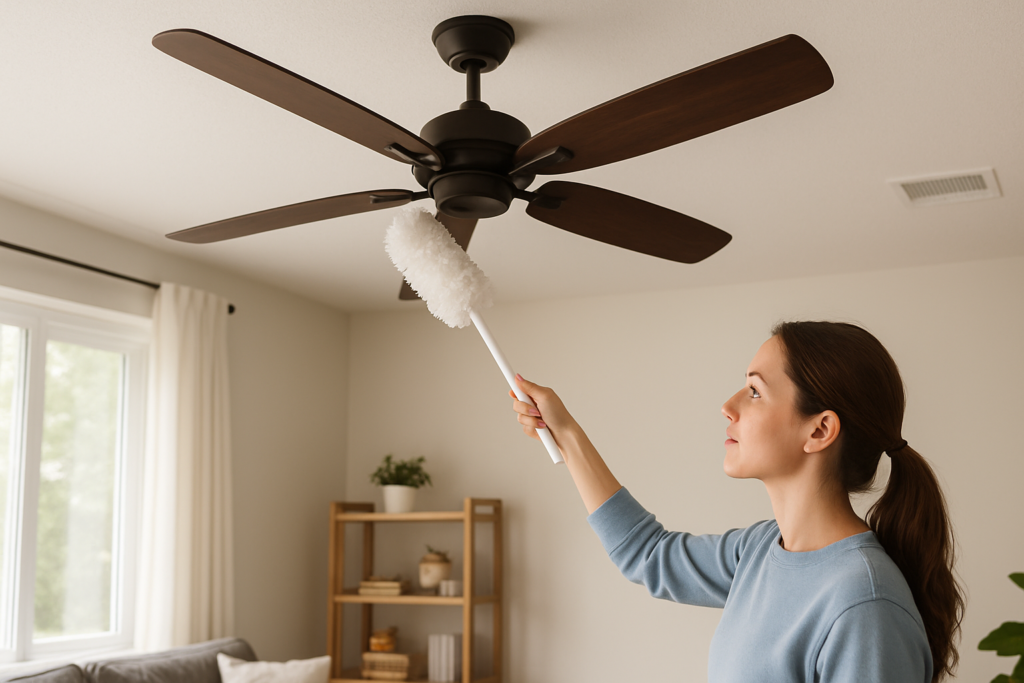
The secret to ground-level fan cleaning comes down to two main tools. First, you need an extendable microfiber duster with a bendable head. These typically extend from 3 to 12 feet, which handles most residential ceilings easily.
Second, you’ll want to try the pillowcase or sock method for really grimy blades. More on that technique in a moment.

DocaPole Extension Pole with Microfiber Duster
The adjustable pole reaches up to 24 feet and works with multiple attachments for versatile cleaning.
For the pillowcase method, grab an old pillowcase or a large athletic sock. You’ll also need a spray bottle with water and a tiny drop of dish soap, or you can use furniture polish spray for wood blades. Keep a step stool handy if your ceilings are 8-9 feet high, which lets you reach without full ladder deployment.
Don’t forget drop cloths or old sheets to protect furniture directly under the fan. Even careful cleaning creates some dust fallout, and this simple prep saves you from cleaning twice.
The 10-Minute Cleaning Process Step by Step
Start by turning off the fan and waiting a full minute for the blades to stop completely. This sounds obvious, but I’ve heard too many stories of people who thought they could time it just right. They couldn’t.
Cover furniture below with sheets or towels. Move smaller items out of the way entirely. This takes 2 minutes but saves you 20 minutes of dusting furniture afterward.
Method 1: Extension Pole Technique
Extend your microfiber duster pole to the appropriate height. Start with the pole slightly shorter than you think you need. It’s easier to extend than to control an overly long pole.
Bend the duster head to a 90-degree angle so it sits flat on top of the blade. Gently place the duster on the blade surface and pull it toward you from base to tip. The microfiber traps dust instead of flinging it into the air.
Rotate to the next blade and repeat. For standard five-blade fans, this takes about 4-5 minutes once you get your rhythm down. The key is smooth, controlled movements rather than aggressive scrubbing.
Method 2: The Pillowcase Technique
This method works better for sticky, greasy buildup that you often find in kitchen ceiling fans. Lightly dampen the inside of an old pillowcase with your cleaning solution. Don’t soak it, just make it barely damp.
Slide the pillowcase over one blade at a time. Press the fabric against both the top and bottom surfaces, then pull the pillowcase off toward the blade tip. All the dust and grime stays trapped inside the pillowcase.
You’ll need a step stool or short ladder for this method unless you have unusually low ceilings. But you’re only going up two or three steps, not teetering at full extension. This takes about 6-7 minutes for a thorough clean.
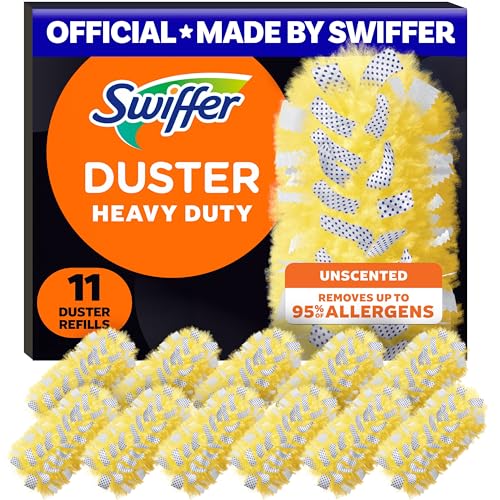
Swiffer Extendable Duster Kit
Disposable refills make quick work of routine maintenance cleaning between deep cleans.
Blade Material Matters: Adjusting Your Approach
Different blade materials need slightly different care to avoid damage. Wood blades can’t handle excess moisture, which causes warping and finish damage. Use a barely damp cloth or dry microfiber exclusively. Follow up immediately with a dry pass if you use any liquid cleaner.
Metal blades are more forgiving. You can use standard all-purpose cleaners or even diluted vinegar for sticky buildup. These blades often accumulate more kitchen grease if the fan is anywhere near cooking areas.
Plastic or composite blades are the most durable. They handle moisture well and resist warping. You can be more aggressive with cleaning solutions here. Some people even remove these blades and rinse them in the sink, though that defeats the whole ladder-free purpose.
One important note for all blade types: avoid silicone-based sprays on fan blades. They create a sticky residue that actually attracts more dust. Stick with simple cleaners or plain water with a drop of soap.
Safety Tips for High and Vaulted Ceilings
Cathedral ceilings and two-story rooms need special consideration. For ceilings above 12 feet, invest in a professional-grade extension pole that locks securely at each length. Cheaper poles get wobbly and hard to control at full extension.
Work in sections and take breaks. Holding a 12-foot pole over your head gets tiring fast, and fatigue leads to mistakes. Clean two or three blades, lower the pole and rest your arms, then continue.
Position yourself carefully to avoid neck strain. Don’t stand directly under the fan looking straight up. Stand slightly to the side where you can see the blade surface without craning your neck at a 90-degree angle.
For extremely high ceilings above 18 feet, you might need to admit defeat on the totally ladder-free approach. A stable multi-position ladder is safer than an unwieldy 24-foot pole. But you can still use the pillowcase method once you’re up there.
How Often Should You Clean Ceiling Fans
Your cleaning frequency depends on several factors. Ceiling fans in bedrooms or living areas need attention every 2-3 weeks during heavy use seasons. You run them constantly in summer or winter, and they accumulate dust faster.
Kitchen fans need weekly cleaning at minimum. Cooking grease combines with dust to create stubborn grime that gets harder to remove the longer you wait. A quick wipe every week beats scrubbing caked-on residue monthly.
Fans you rarely use can go 4-6 weeks between cleanings. But don’t skip them entirely. Dust still settles on stationary blades, and when you finally turn the fan on, it distributes months of accumulated allergens throughout your room.
Here’s a simple schedule that works well: Quick dusting with an extension pole every two weeks, plus a thorough cleaning with the pillowcase method once per month. This keeps buildup manageable and prevents those dramatic dust showers when you flip the switch.

Microfiber Ceiling Fan Duster with Extension Pole
Specialized fan dusters have curved heads designed to clean both blade surfaces in one pass.
Preventing Dust Buildup Between Cleanings
Regular use actually helps keep fans cleaner. Running your fan year-round, even on low speed, prevents dust from settling as heavily on the blades. Static buildup on motionless blades attracts dust particles like a magnet.
Check your HVAC filters monthly and replace them on schedule. Dirty air filters mean more airborne particles that settle on every surface, including fan blades. Clean filters reduce overall dust in your home significantly.
Consider using air purifiers in rooms with ceiling fans. They capture airborne dust before it has a chance to settle. This won’t eliminate fan cleaning, but it extends the time between deep cleans.
After cleaning, some people apply a light coat of furniture wax to wood blades or a tiny amount of car wax to metal or plastic blades. This creates a slick surface where dust doesn’t stick as readily. Just use a very thin layer, too much creates buildup.
Frequently Asked Questions
Can I use a leaf blower to clean ceiling fans?
Technically yes, but you’ll regret it. A leaf blower launches all that dust into the air where it settles on literally everything else in your room. You’ll spend hours cleaning surfaces that were fine before. The outdoor leaf blower trick works if you can remove the fan blades and take them outside, but at that point you might as well just wash them. Save yourself the trouble and stick with methods that trap dust rather than redistribute it.
What if my fan wobbles after cleaning?
Cleaning didn’t cause the wobble, but removing dust sometimes makes existing balance issues more noticeable. Check that all blade screws are tight. Measure from the ceiling to the tip of each blade. They should all be the same distance. If one blade sits higher or lower, the mounting bracket might be loose. You can buy blade balancing kits that include small weights to correct minor wobbles. Attach the weights to the top of blades using the included clips until you find the right position that eliminates wobbling.
Is it safe to clean fan blades while they’re slightly damp?
Only if the fan is completely off at the wall switch, not just controlled by pull chain or remote. Ceiling fans run on standard electrical current, and while the blades themselves aren’t electrified, moisture near the motor housing can cause problems. Wait until blades are fully dry before turning the fan back on. Wet blades also fling water droplets everywhere when you restart the fan, creating new cleaning work. Give everything 15-20 minutes to air dry completely, or wipe blades with a dry cloth before flipping the switch.
This article contains affiliate links. We may earn a small commission at no extra cost to you.