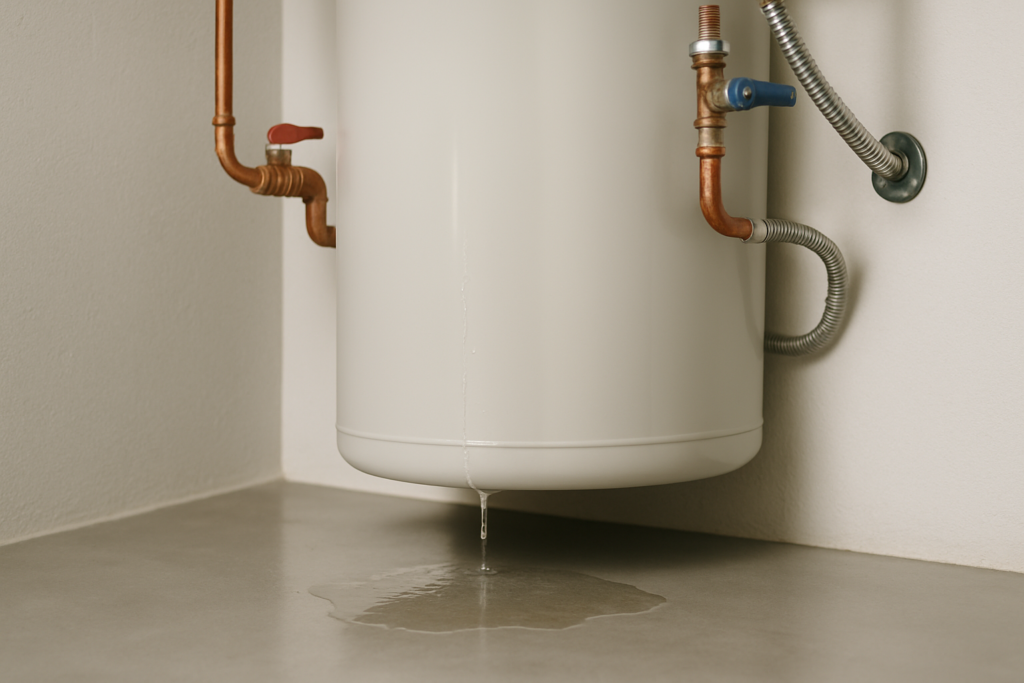
There’s nothing quite like walking into your basement or utility room to find a puddle of water spreading out from under your water heater. It’s one of those home repair moments that makes your heart sink a little, especially when you’re not sure if you’re looking at a simple fix or a total replacement.
The truth is, most water heater leaks fall into a few common categories, and many of them you can diagnose and fix yourself without calling a plumber. Let’s walk through the most likely culprits and what you can actually do about them.
Check the Temperature and Pressure Relief Valve First
The T&P valve is your water heater’s safety mechanism. It sits on the top or side of the tank and releases water if the pressure or temperature gets too high. Sometimes these valves start weeping or dripping, which looks like a leak but is actually the valve doing its job (or failing).
Before you assume it’s broken, check your water heater’s temperature setting. If someone cranked it above 120-125°F, the valve might be releasing water because the tank is genuinely too hot. Turn it down and see if the dripping stops.
If the temperature is fine but the valve keeps leaking, you’ll likely need to replace it. These valves can fail over time, especially if they’ve discharged before. The good news here is that replacing a T&P valve is actually one of the more manageable DIY repairs. Just make sure you shut off power to the heater and let it cool down first.
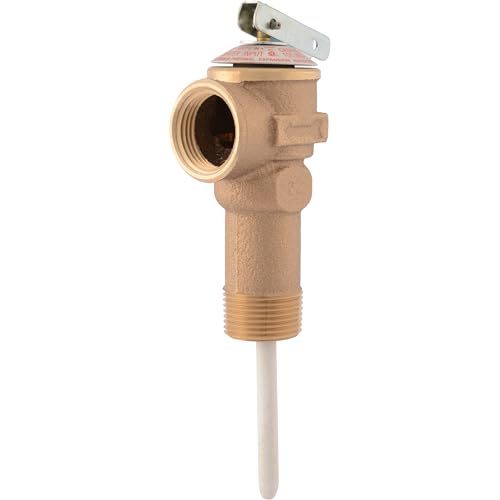
Temperature and Pressure Relief Valve
A replacement T&P valve is essential if yours is constantly dripping or appears corroded
Inspect the Drain Valve at the Bottom
The drain valve sits at the bottom of your tank and is supposed to make flushing sediment easy. Unfortunately, these plastic valves are notorious for developing leaks, especially if you’ve never used them or if they’ve been bumped or knocked.
Sometimes the valve just isn’t closed completely. Try tightening it gently with your hand. If water still seeps out, the valve itself has probably worn out or cracked. You can replace a drain valve, but it’s trickier than a T&P valve because you can’t fully drain that area without emptying the entire tank.
A temporary fix is to attach a garden hose cap to the drain valve outlet if the leak is coming from there. This won’t work if the valve body itself is cracked, but it’ll stop drips from an imperfect seal at the outlet.
Look for Loose or Corroded Inlet and Outlet Connections
Water enters and exits your tank through pipes at the top, and the connections where these pipes attach can develop leaks. This happens more often with older water heaters where the fittings have corroded or where the pipe itself has rusted through.
Grab a flashlight and carefully inspect these connections while someone else watches for drips. Sometimes condensation can make things look worse than they are, so dry everything off with a towel and watch for a few minutes to see where water actually appears.
If you spot a leak at a threaded connection, you might be able to tighten it slightly with a pipe wrench. Don’t go crazy here because overtightening can crack fittings. If the connection is corroded or the leak continues, you’ll need to drain the tank partially and replace the fitting or nipple. Use pipe thread sealant tape on the threads when you reconnect everything.
Examine the Heating Element Gaskets on Electric Models
Electric water heaters have heating elements that screw into the side of the tank through gaskets. Over time, these gaskets can deteriorate and start leaking. You’ll see water seeping from around the element cover or trickling down the side of the tank.
Replacing a heating element gasket involves shutting off power, draining the tank below the element level, removing the old element, and installing a new one with a fresh gasket. It’s not terribly complicated, but it does require some basic tools and patience.

Water Heater Element Wrench
This specialized wrench makes removing stubborn heating elements much easier than struggling with pliers
While you’re in there, consider replacing the element itself if it’s more than five years old. Sediment buildup can damage elements, and a new element with a fresh gasket solves two potential problems at once.
When the Tank Itself Is Leaking
Here’s the scenario nobody wants to hear about. If water is leaking from the tank body itself, you’re looking at a replacement, not a repair. Tank leaks happen when corrosion eats through the steel from the inside out, and there’s no fixing that.
You might see water seeping from the bottom of the tank or trickling down the sides without an obvious source at a valve or fitting. This typically happens with older water heaters (10-15 years or more) where the anode rod wasn’t replaced and the tank’s protective lining has failed.
Don’t waste money trying to patch or seal a corroded tank. These fixes never last, and you’re just delaying the inevitable. Start shopping for a new water heater and arrange for installation before your current one fails completely and floods your space.
Preventing Future Leaks
Most water heater leaks don’t appear overnight. They’re the result of years of neglect and normal wear. You can extend your water heater’s life and catch problems early with some simple maintenance.
Flush your tank annually to remove sediment. This prevents buildup that corrodes the tank and damages elements. Check your anode rod every three years and replace it when it’s mostly consumed. This sacrificial rod protects your tank from corrosion and is the single most important factor in tank longevity.
Test your T&P valve once a year by lifting the lever and letting it snap back. It should release a burst of water. If nothing happens or it won’t stop dripping afterward, replace it. Keep the area around your water heater clear so you can spot leaks early, and consider installing a water leak detector nearby for advance warning.
Frequently Asked Questions
Can I keep using my water heater if it’s leaking a little?
This depends entirely on where the leak is coming from. A slow drip from a T&P valve or drain valve might be manageable in the short term while you arrange repairs, but a leak from the tank itself will only get worse. Never ignore any leak, even a small one. Water damage adds up quickly, and a small leak today can become a flood tomorrow.
How much does it cost to fix a leaking water heater?
Simple valve replacements might run you competitively priced-competitively priced if you hire a plumber, or competitively priced-competitively priced if you DIY. Heating element replacement typically competitively priced-competitively priced professionally. However, if the tank itself is leaking, you’re looking at full replacement, which ranges from competitively priced to competitively priced depending on the type and size of heater you choose. Get multiple quotes and consider the age of your current unit when deciding whether to repair or replace.
Why is there water around my water heater but no visible leak?
You might be seeing condensation rather than an actual leak. This happens when a cold water heater in a humid environment collects moisture on the outside of the tank. It’s more common in summer months or in damp basements. Dry off the tank completely, then check back in a few hours. If the water returns quickly, you have a leak. If it stays dry or only develops a light moisture layer, it’s probably condensation.
This article contains affiliate links. We may earn a small commission at no extra cost to you.