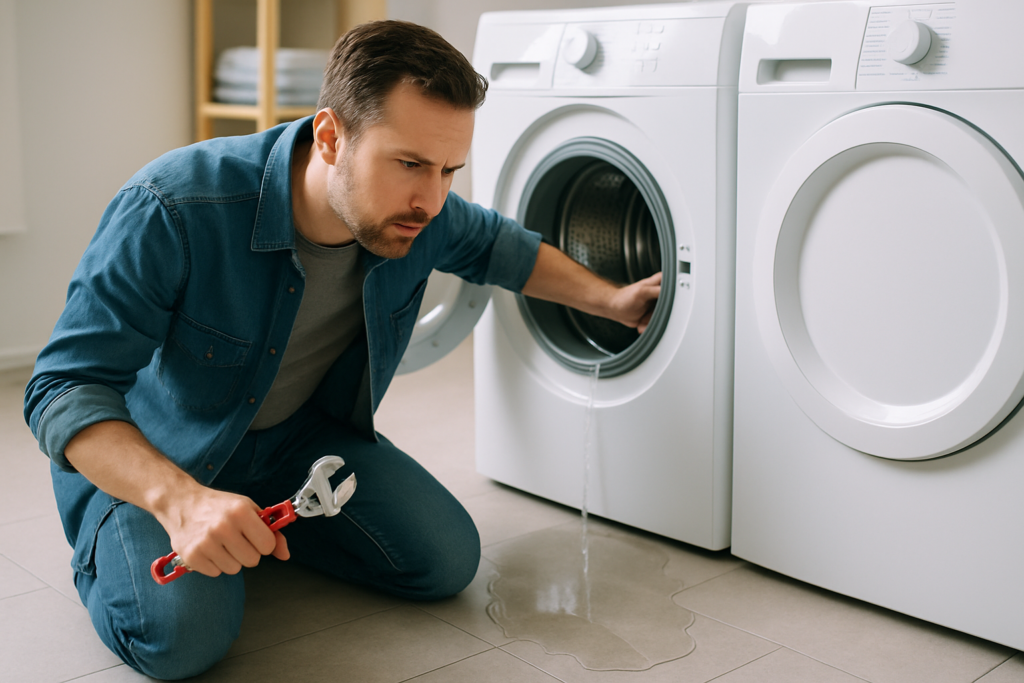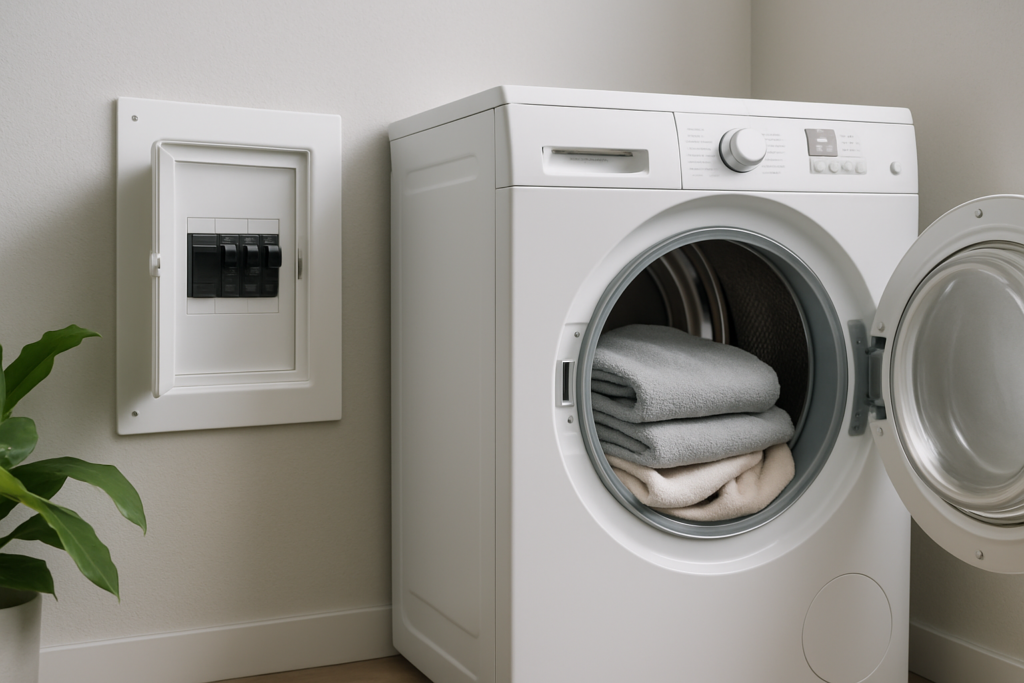
Few things are more frustrating than realizing your washing machine has been running for over an hour when the cycle should’ve finished 30 minutes ago. You check the display, maybe restart it, but the drum just keeps spinning endlessly. This isn’t just annoying, it wastes water, energy, and can even damage your clothes.
Most people assume this means they need a new washer, but the culprit is usually a faulty sensor or component that’s relatively easy to fix. Let’s look at why your washing machine won’t stop running and what you can do about it.
Understanding the Timer and Control System
Your washing machine relies on a control system to move through each cycle stage. Older mechanical models use a physical timer that rotates to trigger different functions. Newer digital washers use electronic control boards with sensors that monitor water level, temperature, and cycle completion.
When something goes wrong with this system, the machine doesn’t know when to stop. It might keep filling with water, continue agitating indefinitely, or run the spin cycle without ending. The machine isn’t broken in the traditional sense, it just can’t “see” that the job is done.
The Water Level Pressure Switch Problem
This is the most common reason a washer runs constantly. The pressure switch (also called a water level sensor) tells your machine when it has enough water and when it’s empty. It uses air pressure in a tube connected to the wash tub to sense water levels.
When this tube gets clogged with detergent buildup, lint, or debris, the switch can’t accurately read water levels. Your washer might think it’s still full of water and keep trying to drain, or it might think it’s empty and keep filling. Either way, the cycle never progresses.
To check this, unplug your washer and locate the pressure switch (usually near the top of the cabinet). Look for a small rubber or plastic tube connecting to it. Remove the tube and blow through it. If it’s clogged, clean it out with warm water or replace it. These tubes are inexpensive and easy to swap out.

Washing Machine Pressure Switch
A reliable replacement part that’s compatible with most major washer brands and easy to install yourself
Faulty Drain Pump or Clogged Filter
When your drain pump fails or gets blocked, water stays in the tub. Since most modern washers won’t advance to the next cycle until the water is drained, they’ll just keep trying to pump indefinitely. You might hear a constant humming or clicking noise.
Check your drain filter first. On front-loaders, it’s usually behind a small access panel at the bottom front. On top-loaders, you may need to remove the front panel to access it. Be prepared with towels because trapped water will spill out when you open it.
Pull out any coins, buttons, hair ties, or lint you find. Rinse the filter under running water and reinstall it. If the filter is clear but the pump still sounds wrong, you might need to replace the drain pump itself. These typically last 5-7 years depending on usage.
Temperature Sensor Malfunction
Many washing machines won’t move forward until the water reaches the right temperature. The thermistor (temperature sensor) monitors water temperature and signals when it’s ready. When this sensor fails, your washer might keep heating water or waiting forever for it to reach the target temperature.
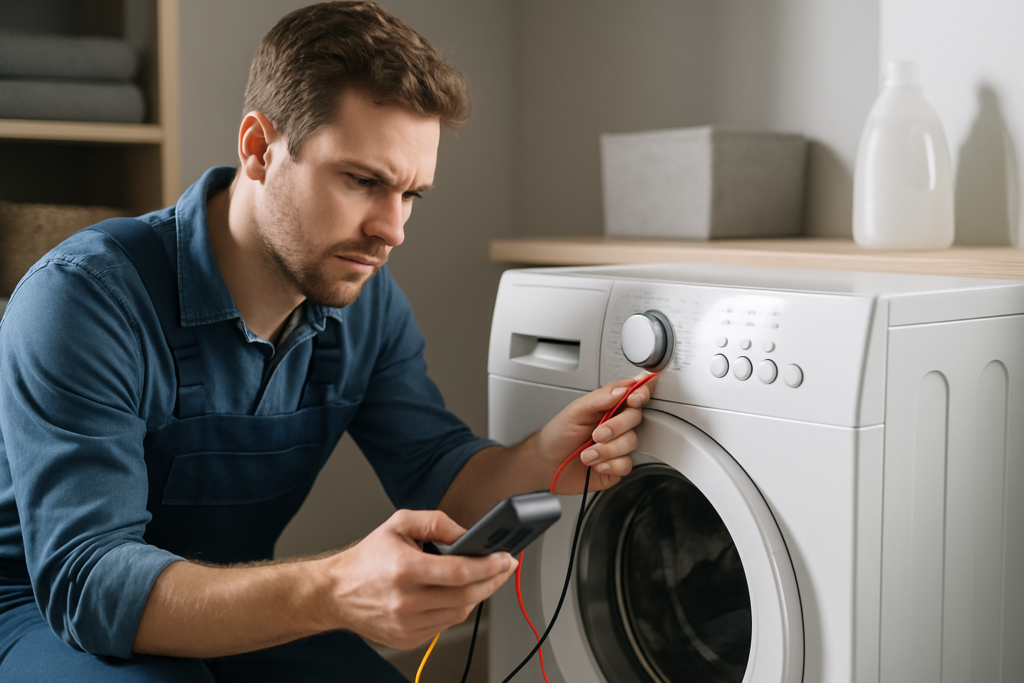
This is more common on washers with hot water cycles or steam features. You can test the thermistor with a multimeter by checking its resistance at different temperatures. Replacement is usually simple once you’ve accessed the sensor, which is typically located near the heating element or water inlet valve.
If you’re not comfortable testing electrical components, this is a good time to call a technician. But the part itself isn’t expensive, and labor for this repair usually takes less than an hour.
Timer or Control Board Issues
When the physical timer (on mechanical washers) or the electronic control board (on digital models) fails, all bets are off. These components are the brain of your machine, and when they malfunction, you get erratic behavior including cycles that never end.
Mechanical timers can get stuck or have burnt contacts. You might smell burning or see visible damage on the timer dial. Electronic control boards can fail due to power surges, moisture exposure, or just age. They’ll sometimes display error codes, but not always.
Replacing a control board is more expensive than other repairs, but it’s still cheaper than buying a new washer. Make sure to get the exact model number from your washer’s serial plate so you order the correct replacement. Some manufacturers have updated control boards that fix known issues with earlier versions.
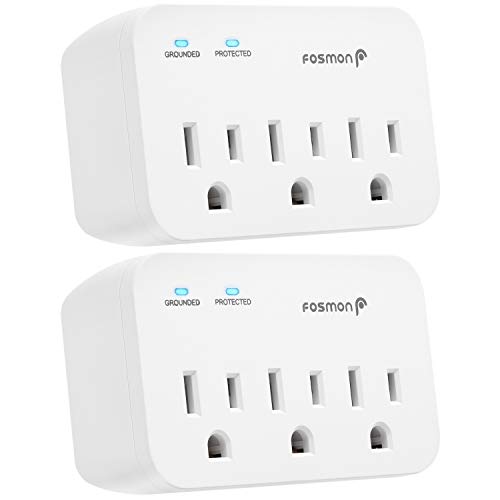
Surge Protector for Appliances
Protects your control board from power spikes that commonly damage electronic components in washers
Lid Switch or Door Latch Problems
Your washer has safety mechanisms that prevent it from spinning with an open door. Top-loaders use a lid switch, while front-loaders have a door latch assembly. When these fail, the machine might think the door is open even when it’s closed tight.
Many washers will just keep running the wash cycle without ever moving to spin if they can’t verify the door is locked. Listen for the click when you close the door. If you don’t hear it, the latch mechanism likely needs replacing.
You can test the lid switch with a multimeter to see if it has continuity when pressed. These switches are typically mounted under the top panel on top-loaders and are easy to replace once you’ve opened the cabinet.
Frequently Asked Questions
How long should a normal washing machine cycle take?
Most standard cycles run between 30 and 60 minutes. Heavy-duty or sanitize cycles might take 90 minutes. Anything beyond two hours is abnormal and indicates a problem. Quick wash cycles should complete in 15-30 minutes.
Can I still use my washing machine if it runs constantly?
You can manually stop it and restart, but this isn’t a long-term solution. Running constantly wastes water and electricity, and can wear out other components faster. More importantly, it might not be cleaning your clothes properly if cycles aren’t completing correctly. Get it fixed rather than working around the problem.
Will unplugging my washer reset the control system?
Sometimes. Unplugging for 5-10 minutes can reset electronic control boards and clear temporary glitches. This works best if the problem started suddenly. But if the issue persists after a reset, you have a hardware problem that needs proper diagnosis and repair.
This article contains affiliate links. We may earn a small commission at no extra cost to you.