You’re cooking dinner, you flip on your range hood, and suddenly your kitchen goes dark. The breaker tripped again. This isn’t just annoying, it’s a sign that something’s wrong with your range hood’s electrical system. While occasional breaker trips can happen in any home, repeated trips from the same appliance point to a real problem that needs attention.
Most range hoods draw between 3 to 10 amps during normal operation, which shouldn’t overload a typical 15 or 20-amp kitchen circuit. When your breaker keeps tripping, you’re dealing with either an electrical overload, a failing motor, or faulty wiring somewhere in the system. Let’s break down what’s actually happening and how to fix it.
Understanding Electrical Loads and Your Range Hood
Your range hood doesn’t operate alone on its circuit. Most kitchen setups have multiple outlets and appliances sharing the same breaker. When you turn on your range hood while the microwave is running and the coffee maker is brewing, you’re potentially pulling 20+ amps on a circuit rated for 15 or 20 amps total.
Range hoods with higher CFM ratings and built-in lighting draw more power. A powerful 600+ CFM hood with halogen lights can pull 8-10 amps by itself. Add in the heat from cooking (which can temporarily increase electrical resistance) and other appliances, and you’ve got a recipe for tripped breakers.
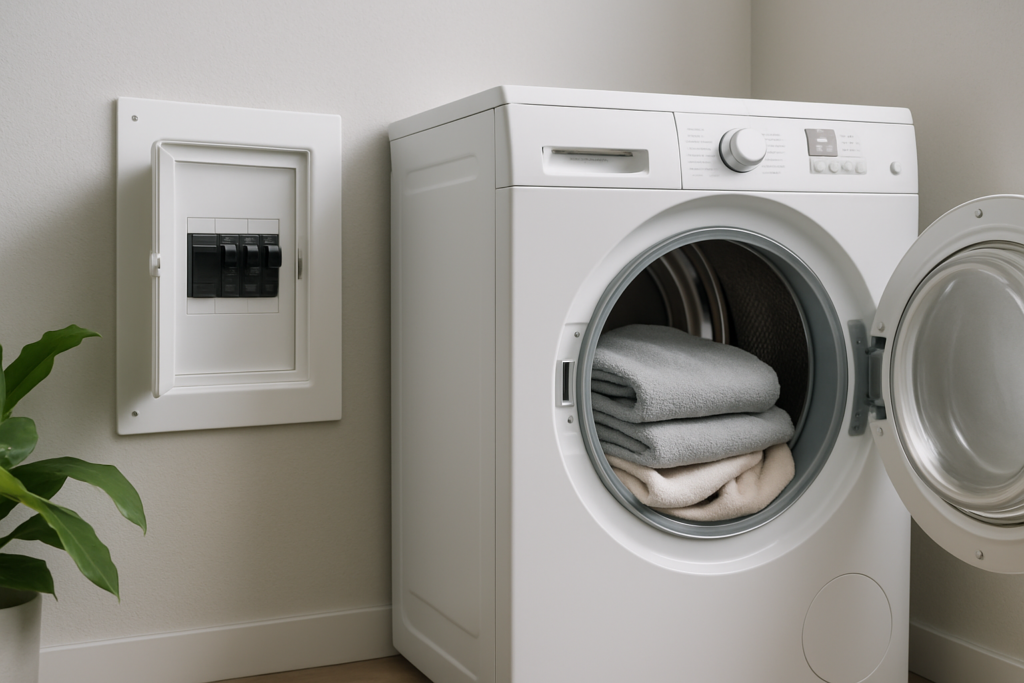
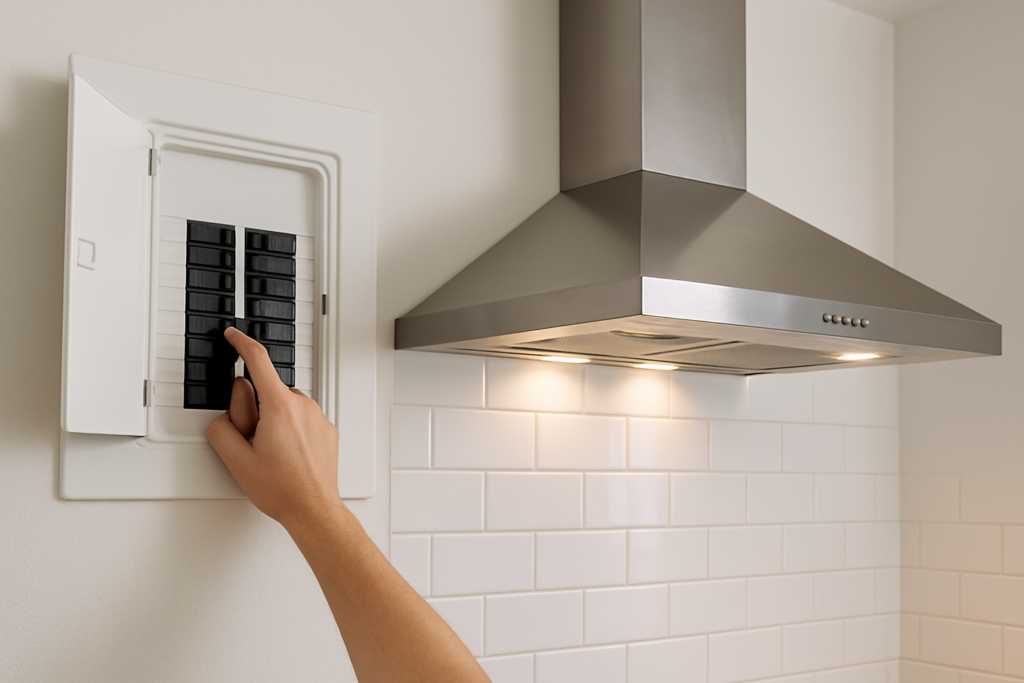
Check your circuit breaker panel to see what amperage your kitchen circuits are rated for. You’ll find the number printed on the breaker switch itself. If your range hood is on a 15-amp circuit with other appliances, you might need to redistribute your electrical load or upgrade to a dedicated 20-amp circuit.
When the Motor Is the Problem
A failing motor is one of the most common culprits behind range hood breaker trips. Motors don’t usually fail all at once. They degrade over time, especially when they’re clogged with grease and dust. As the motor struggles to spin, it draws more current than normal, eventually exceeding what your breaker allows.
You can test this by listening to your range hood. Does it make grinding noises, hum loudly without the fan spinning properly, or seem to struggle when starting up? These are classic signs of a motor on its way out. A healthy motor should start smoothly and run quietly at all speeds.
Grease buildup on the fan blades and motor housing creates additional resistance. When your motor has to work harder to push air through clogged filters and grimy blades, it pulls extra amperage. Regular cleaning can actually prevent electrical problems, not just improve air quality.

Range Hood Grease Filters
Replacing old filters reduces motor strain and prevents electrical issues from overworked components
If cleaning doesn’t solve the problem and your motor is more than 5-7 years old, replacement makes more sense than repair. You can sometimes find replacement motors for popular range hood brands, but installation requires electrical knowledge and comfort working with your home’s wiring.
Wiring Issues You Can’t Ignore
Faulty wiring is the most serious cause of breaker trips. Loose connections create resistance, which generates heat and draws excess current. Over time, wire insulation can crack or degrade, leading to short circuits. These aren’t just inconveniences, they’re fire hazards.
Start by examining the visible wiring connections. Turn off the breaker first (seriously, don’t skip this step). Remove the range hood cover and look at the wire nuts connecting your hood to your home’s electrical system. Are they tight? Is there any discoloration, melting, or burning smell? Any of these signs mean you need professional help immediately.
Check the plug connection if your range hood uses one. Some models plug into an outlet behind or above the unit. A loose plug can arc, creating heat and tripping your breaker. Sometimes the outlet itself is worn out, with loose contacts that don’t grip the plug properly.
The wiring inside your walls might also be the issue. Older homes with aluminum wiring or outdated electrical systems sometimes can’t handle modern appliance loads. If your home was built before 1970, have a licensed electrician inspect the wiring. Aluminum wiring requires special attention and can’t be treated the same as copper.
Practical Steps to Fix the Problem
Start with the easiest solutions first. Turn off all other appliances on the same circuit and run just the range hood. If it doesn’t trip the breaker, you’ve got an overload problem, not a hood problem. The solution is redistributing your appliances to different circuits or adding a dedicated circuit for the range hood.
Clean your range hood thoroughly. Remove and wash the grease filters (or replace them if they’re beyond cleaning). Wipe down the fan blades, the interior surfaces, and remove any grease buildup you can reach. Sometimes this simple maintenance solves the whole problem.

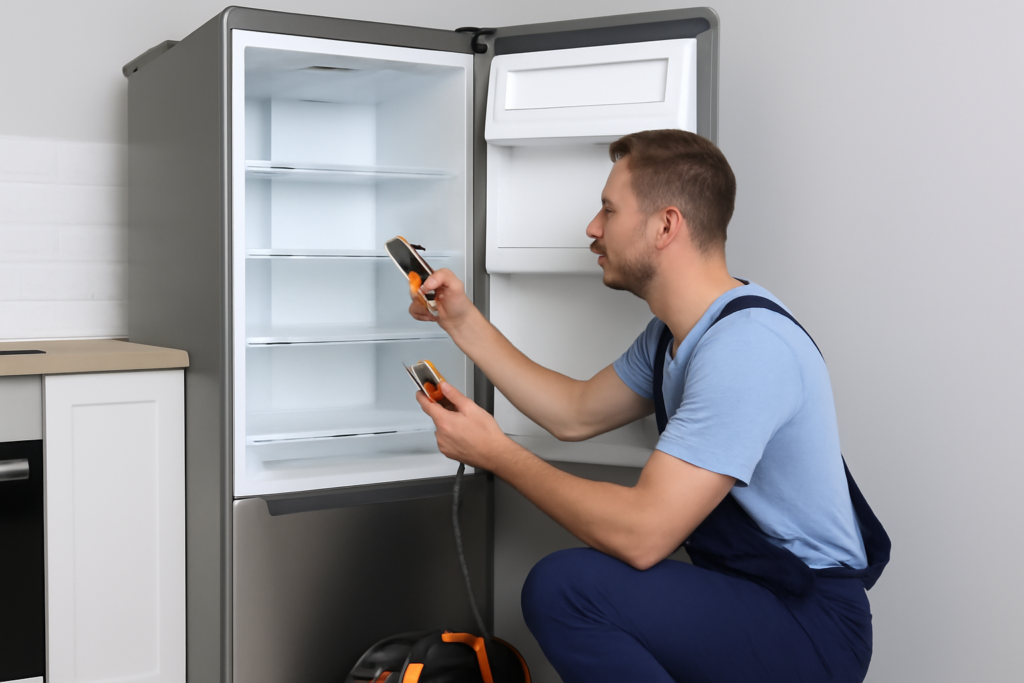
Multimeter for Electrical Testing
Essential for safely testing voltage and checking for electrical faults before calling a professional
Test the motor’s amp draw with a clamp meter if you have one. Compare the reading to the manufacturer’s specifications (usually found on the hood’s rating plate or in the manual). If the motor is pulling significantly more amps than rated, replacement is your next step.
When in doubt, call an electrician. Electrical work isn’t the place to learn through trial and error. A licensed electrician can test your circuits, identify hidden wiring problems, and ensure everything meets current electrical codes. They can also install a dedicated circuit if your range hood needs one.
Prevention Beats Repair
Once you’ve fixed the immediate problem, take steps to prevent future issues. Clean your filters monthly if you cook daily, or at least every three months for lighter use. This single habit prevents most motor-related electrical problems.
Avoid running multiple high-draw appliances simultaneously on the same circuit. If you know your toaster oven and range hood share a circuit, don’t run them together. This kind of load management takes seconds and saves you from constant breaker resets.
Inspect your range hood’s wiring connections yearly. Just a quick visual check with the power off can catch loose connections before they become bigger problems. Look for any signs of overheating, like discolored wire insulation or melted wire nuts.
Consider upgrading your range hood if yours is over 10 years old and giving you trouble. Modern hoods are more energy-efficient and often include better motor protection circuits. An energy-efficient range hood might actually draw less power while providing better ventilation than your old unit.
Frequently Asked Questions
Can I just use a higher amp breaker to stop the tripping?
Never replace a breaker with a higher amp rating without upgrading the wire gauge too. Breakers protect the wiring, not just the appliance. If you put a 20-amp breaker on 14-gauge wire rated for 15 amps, you’re creating a fire hazard. The breaker won’t trip when the wire overheats. Always match breaker ratings to wire capacity, and consult an electrician for any circuit upgrades.
How do I know if it’s the breaker itself that’s bad?
Breakers can wear out, especially after years of normal trips. If your breaker feels loose, trips without any load on the circuit, or won’t reset properly, the breaker itself might be failing. An electrician can test the breaker with specialized equipment. They typically cost less to replace than diagnosing a phantom electrical problem elsewhere, so testing the breaker early in troubleshooting makes sense.
Is it safe to keep resetting the breaker while I figure out the problem?
Occasional resets won’t hurt anything, but repeatedly resetting a tripping breaker while ignoring the underlying problem is dangerous. Each trip indicates your system is trying to protect you from an electrical fault. If your breaker trips more than twice, stop using that circuit until you identify and fix the cause. Continuing to reset and use a faulty circuit risks electrical fire or damage to your appliances.
This article contains affiliate links. We may earn a small commission at no extra cost to you.