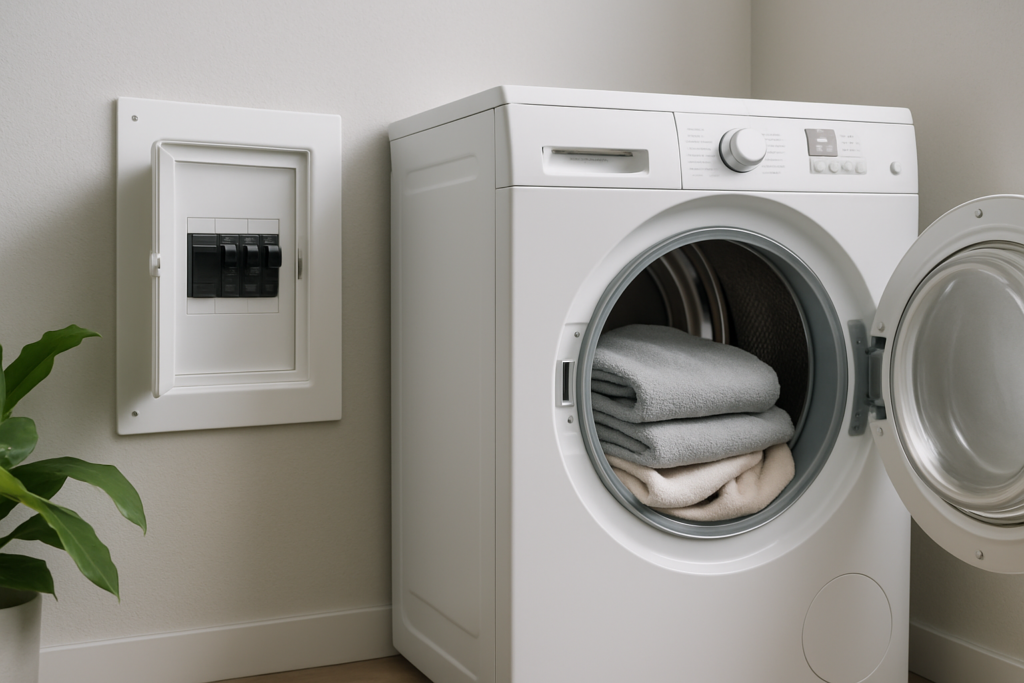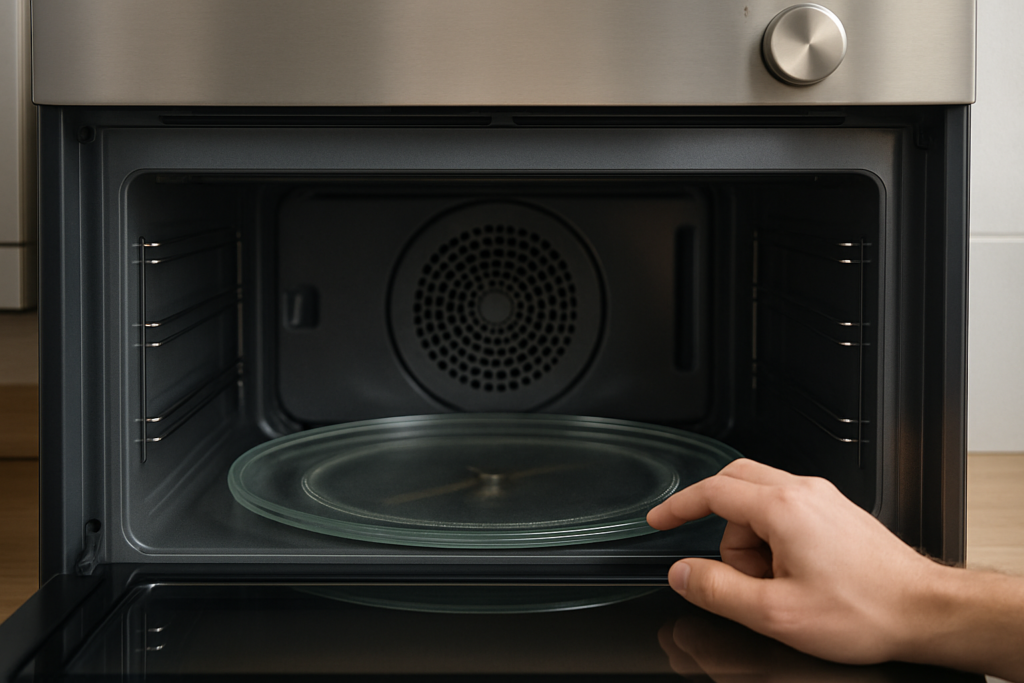
You’re staring at your oven, waiting for it to heat up, when you suddenly realize something feels off. You open the door and notice that nothing inside is moving. Wait, ovens don’t spin. That’s your dryer or washing machine you’re thinking about.
If your actual problem is that your dryer drum isn’t spinning or your washing machine is stuck, you’ve come to the right place. Let’s clear up the confusion and get your appliance back to working order. This guide covers the most common reasons why your drum-based appliances stop spinning and what you can do about it.
Understanding the Spinning Mechanism
Before you start troubleshooting, it helps to know how these machines work. Both dryers and washing machines rely on a motor that turns a belt, which rotates the drum. When any part of this system fails, your clothes just sit there getting damper or wetter.
The drive belt wraps around the drum and connects to a motor pulley and an idler pulley. When the motor runs, it turns the belt, which spins the drum. Simple in theory, but several components can fail.
Most spinning issues come down to three culprits: a broken belt, a faulty motor, or a malfunctioning lid or door switch. Each has distinct symptoms that help you identify the problem quickly.
Broken or Worn Drive Belt
The drive belt is the most common failure point. These rubber belts stretch, crack, and eventually snap after years of use. You’ll know it’s the belt if you hear the motor running but the drum doesn’t move at all.
To check the belt, unplug your machine and remove the front or rear panel depending on your model. Dryer belts typically go around the entire drum, while washing machine belts may be smaller and harder to access. Look for visible cracks, fraying, or a complete break.
Replacing a belt isn’t terribly difficult if you’re handy with basic tools. You’ll need to release tension on the idler pulley, slip off the old belt, and thread the new one around the drum and pulleys. Make sure you get the exact replacement belt for your make and model.

Dryer Drive Belt
Universal belts work for many models, but always verify your appliance’s specifications first
Take photos before you remove anything. You’ll thank yourself when you’re trying to remember which groove the belt sits in or how it wraps around the pulleys. Most manufacturers also include belt routing diagrams on the inside of the cabinet or in the manual.
Motor Problems
When the motor dies, your machine goes completely silent. No humming, no clicking, nothing. This differs from a belt issue where you’ll still hear the motor trying to run.
Testing the motor requires a multimeter to check for continuity. You’re looking for a reading between 4 and 8 ohms typically, though this varies by model. No continuity means the motor windings have failed and you need a replacement.
Motor replacement is more involved than swapping a belt. You’ll need to disconnect multiple wires, remove mounting bolts, and carefully install the new motor in the exact same position. Label every wire connection before you disconnect anything.
Sometimes the issue isn’t the motor itself but the motor capacitor on older models. This small cylindrical component helps the motor start. A failed capacitor produces a humming sound without any drum movement. Testing and replacing a capacitor is easier and cheaper than replacing the whole motor.
Lid or Door Switch Failures
Modern washers and dryers include safety switches that prevent the drum from spinning when the door is open. When these switches fail, your machine thinks the door is always open even when it’s securely closed.
You can test the switch with a multimeter while pressing the actuator. The switch should show continuity when pressed and none when released. Many machines also have a visible or audible click when the switch engages properly.
On washing machines, a faulty lid switch is extremely common, especially on top-loading models. The plastic actuator that presses the switch wears down over time, preventing full engagement. Sometimes you can simply adjust the switch position to make better contact.

Washing Machine Lid Switch
These fail frequently on top-loaders and are usually easy to replace with basic tools
Dryer door switches tend to be more reliable but can still fail. Look for burnt contacts or a switch that doesn’t click anymore. Replacement involves unplugging two wire connectors and removing a mounting screw or two.
Other Potential Causes
Less common but still possible issues include seized drum rollers or bearings. These support components allow the drum to rotate smoothly. When they freeze up, the motor can’t overcome the resistance.
You can check this by manually rotating the drum with the belt removed. It should turn freely with minimal resistance. Grinding noises or difficulty turning indicate bearing problems. Replacing drum bearings is a major repair that might cost more than the appliance is worth, especially on older units.
Washing machines also have a drive coupler on some models that connects the motor to the transmission. This plastic or rubber component can strip out, leaving the motor spinning freely without turning the drum. You’ll hear the motor but see no movement.
Control board failures can prevent the motor from receiving power, but this typically comes with other symptoms like error codes or completely dead displays. Start with the mechanical components before suspecting electronics.
When to Call a Professional
Belt and switch replacements are reasonable DIY projects for most homeowners. You need basic tools, patience, and the ability to follow diagrams or videos specific to your model.
Motor and bearing replacements require more skill and specialized tools. Weigh the repair cost against buying a new appliance, especially if your machine is over 10 years old. A service call plus parts for a motor replacement might run close to half the cost of a new machine.
Always unplug the appliance before attempting any repairs. Both dryers and washers use 240V circuits in most cases, which is seriously dangerous. Even after unplugging, wait several minutes for capacitors to discharge before touching any electrical components.
Frequently Asked Questions
Why does my dryer drum turn by hand but not when I start it?
This usually indicates a broken belt or a failed motor capacitor. The drum turns freely because nothing is blocking it mechanically. Check the belt first since it’s the simpler fix. Remove the front or rear panel and look for a snapped or missing belt. On older dryers, test the motor capacitor if the belt looks fine.
Can I run my washing machine if the drum won’t spin?
You shouldn’t. Running a washer that can’t spin leaves your clothes soaking wet and puts extra strain on components. The machine may also fail to drain properly, leading to standing water and potential leaks. Fix the spinning issue before using it again to avoid causing additional damage.
How long do dryer belts typically last?
Most dryer belts last 5 to 10 years with regular use. Heavy usage, overloading, or poor drum support can shorten this lifespan. Squealing noises often precede complete belt failure, giving you a warning that replacement is coming soon. Keeping your dryer clean and not overloading it extends belt life.
This article contains affiliate links. We may earn a small commission at no extra cost to you.