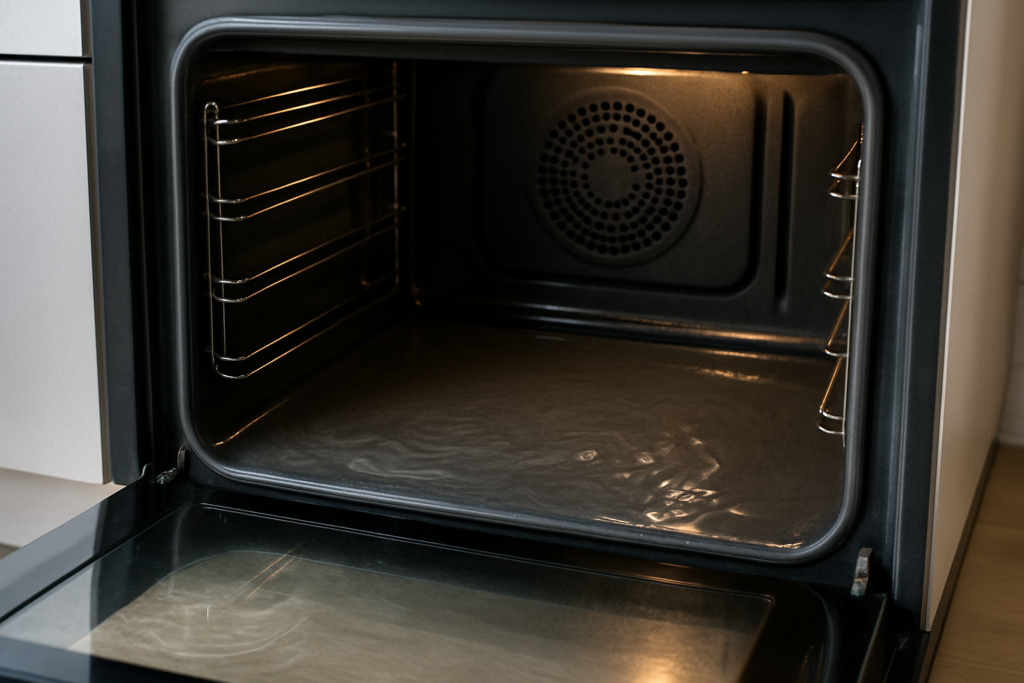
You’re probably reading this because you’ve noticed water pooling at the bottom of your oven, and you’re scratching your head wondering why it won’t drain. Here’s the thing: most modern ovens don’t actually have drain systems like dishwashers or washing machines do. But if you’re dealing with water accumulation or what seems like a drainage issue, there are specific reasons this happens and concrete solutions to fix it.
Let’s clear up what’s going on and get your oven back to normal.
Understanding Why Water Accumulates in Your Oven
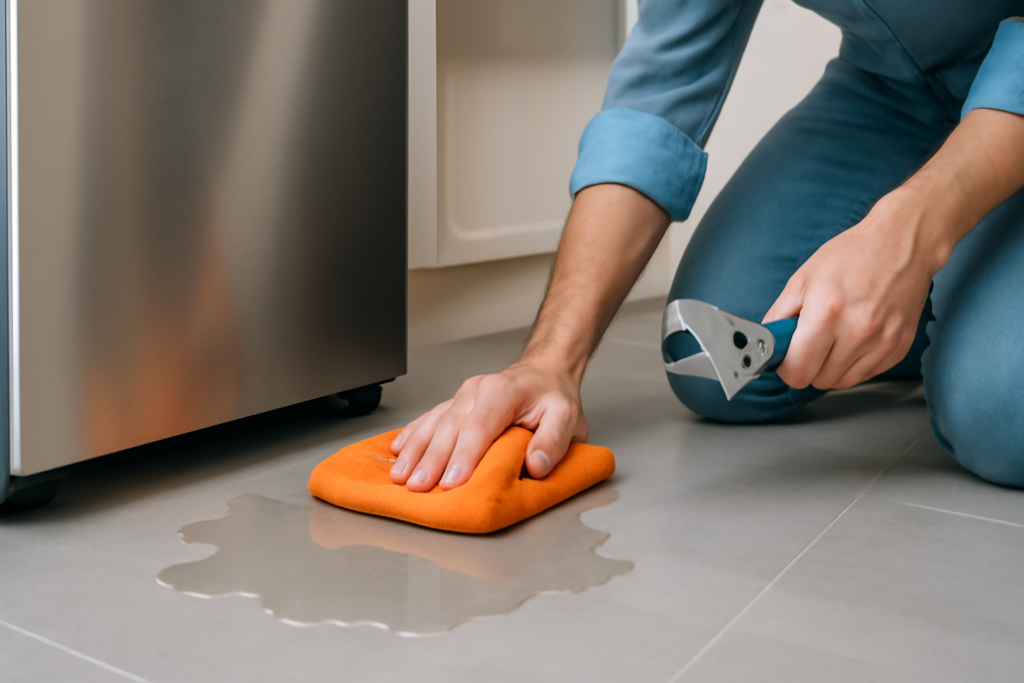
First, it’s important to know that standard ovens aren’t designed with drainage systems. When you see water collecting inside, it’s usually from steam condensation during cooking or cleaning cycles. This is particularly common after using the self-cleaning feature or cooking foods with high moisture content.
The water should evaporate on its own with the heat, but sometimes it pools in low spots or around door seals. If the water isn’t evaporating or you’re seeing excessive amounts, you might have a different problem altogether.
Common Causes and How to Fix Them
Damaged or Misaligned Door Seal
A faulty door gasket is one of the most common culprits. When the seal doesn’t close properly, moisture escapes and condenses on cooler surfaces, then drips back down into the oven cavity. Check your door seal for cracks, tears, or areas where it’s pulled away from the frame.
You can replace a damaged seal yourself in about 15 minutes. Pull out the old gasket from its groove and press the new one into place. Make sure you get the right model for your specific oven brand and model number.

Universal Oven Door Seal Gasket
Essential replacement part that prevents moisture issues and improves heat retention
Blocked Weep Holes
Many ovens have small weep holes at the bottom front designed to let condensation escape. These tiny openings can get clogged with food debris, grease, or cleaning product residue. Grab a toothpick or small wire and gently clear out these holes. You’ll usually find them along the bottom edge of the oven cavity near the door.
Do this monthly as part of your regular cleaning routine to prevent buildup.
Excessive Steam from Self-Cleaning Cycles
Self-cleaning cycles generate intense heat that burns off food residue, but they also create significant condensation. This water needs somewhere to go. After running a self-clean cycle, leave the oven door slightly ajar for 30 minutes to let moisture escape.
If you’re still finding pools of water after this, try wiping down the interior with a dry cloth and running the oven empty at 200°F for 15 minutes to evaporate remaining moisture.
Faulty Heating Element
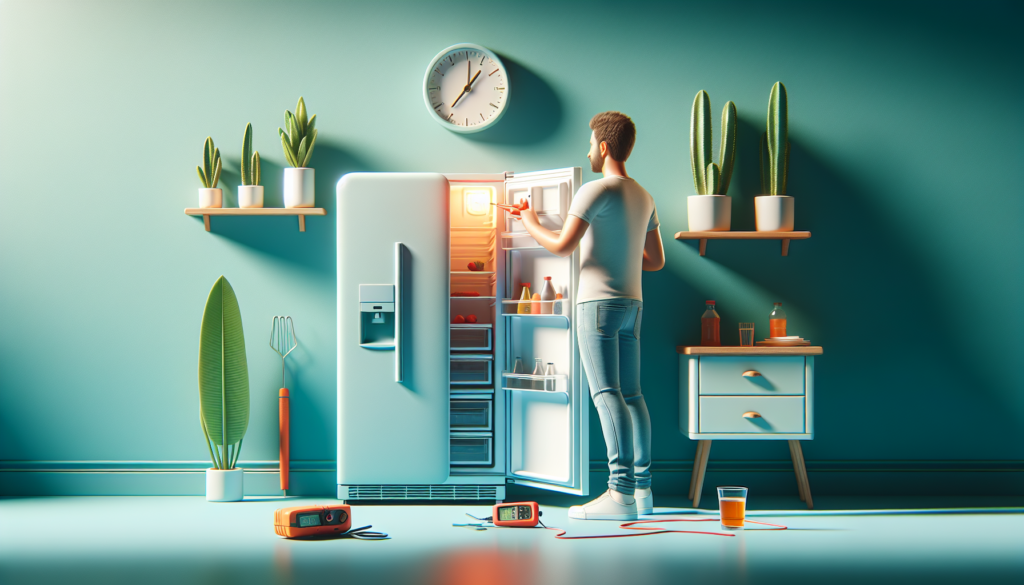
If your heating element isn’t working properly, your oven won’t generate enough heat to evaporate condensation naturally. You’ll notice the oven taking longer to heat up or not reaching the correct temperature. A damaged element needs replacement, which you can do yourself if you’re comfortable working with electrical connections.
Always disconnect power at the breaker before attempting any repairs. Most replacement heating elements come with installation instructions specific to your oven model.
Preventive Measures
Once you’ve solved your current drainage issue, a few simple habits will keep it from coming back. Always wipe down the oven interior after cooking particularly moist foods like roasts or casseroles. Use a dry towel to remove condensation before it has a chance to pool.
Keep your oven door seal clean and inspect it every few months. A quick wipe with warm soapy water removes grease and food particles that can degrade the rubber over time. Replace the seal every 2-3 years as preventive maintenance, even if it looks fine.
Consider using oven liner mats on the bottom rack to catch spills before they create moisture problems. Just make sure they’re rated for high heat and don’t block any vents.
Frequently Asked Questions
Can I drill a drain hole in my oven?
Absolutely not. Drilling into your oven can damage electrical components, create safety hazards, and void your warranty. Ovens aren’t designed with drainage systems for a reason. Focus instead on fixing the root cause of water accumulation, like damaged seals or blocked weep holes.
How much water is normal to see after self-cleaning?
A few tablespoons of water along the bottom or door area is normal after a self-clean cycle. This should evaporate within an hour or two. If you’re seeing cups of water or puddles that persist for several hours, you have a seal problem or blocked weep holes that need attention.
This article contains affiliate links. We may earn a small commission at no extra cost to you.