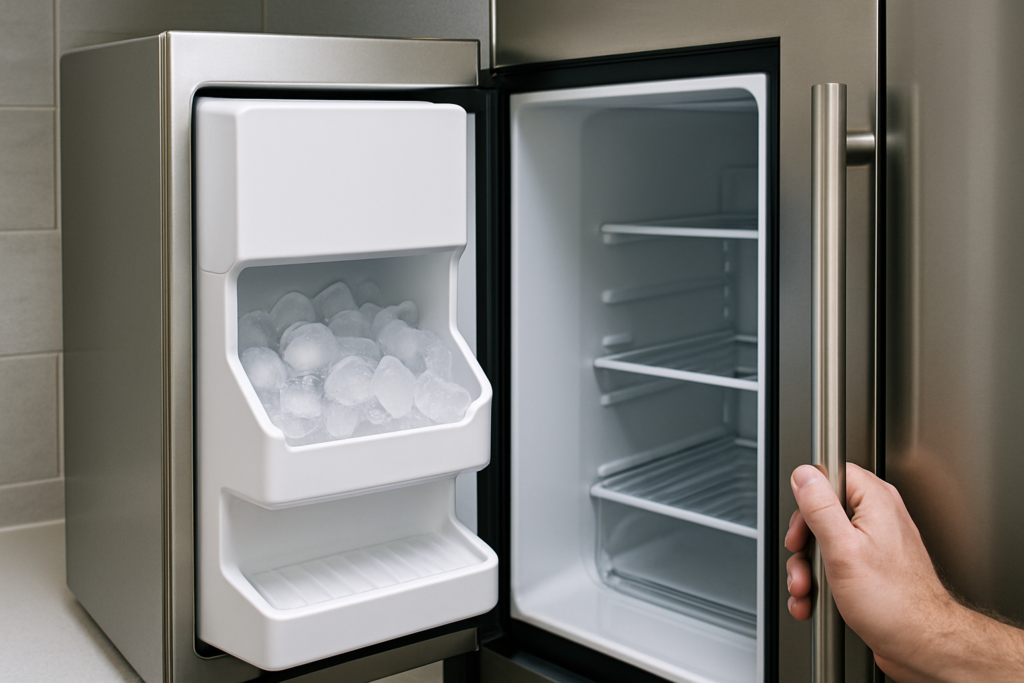
You probably didn’t realize your ice maker needed heat until it stopped working. But here’s the reality: most ice makers rely on a small heating element to release ice cubes from the mold. When that heating function fails, you’ll find yourself staring at ice that won’t drop, trays that won’t cycle, or worse, a completely frozen-up unit.
The heating element in your ice maker serves a simple but critical purpose. It warms the bottom of the ice tray just enough to loosen the cubes so they can drop into the collection bin. When this system breaks down, you’re left with ice that’s permanently stuck or an ice maker that refuses to complete its harvest cycle. Let’s walk through what’s actually happening inside your appliance and how to get it working again.
Understanding the Ice Maker Heating Cycle
Your ice maker’s heating element is a small resistance heater, typically 100-200 watts, mounted beneath or around the ice tray. During the harvest cycle, this element activates for 30-90 seconds to slightly warm the ice surface. This creates a thin layer of melt that allows the cubes to release cleanly when the ejector arm sweeps through.
Most modern ice makers use thermostats or temperature sensors to control this heating cycle. The thermostat monitors the ice tray temperature and signals the control board when ice has formed and when it’s time to harvest. When the temperature reaches the proper threshold (usually around 15-20°F), the harvest cycle begins.
If you’re experiencing complete ice maker failure, you might need to consider a replacement component or full unit replacement depending on the severity of the issue.
Common Heating Element Failures
The heating element itself can burn out over time. Like any resistance heater, repeated thermal cycling causes metal fatigue and eventual failure. You’ll typically see this after 5-10 years of regular use, though cheaper units can fail much sooner.
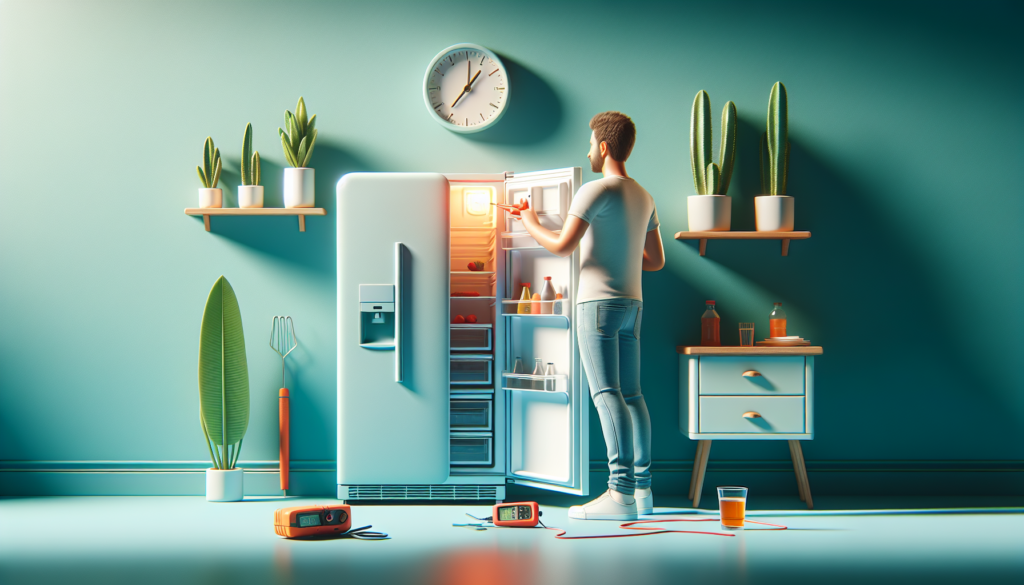
Testing the heating element requires a multimeter. Disconnect power to your refrigerator first (this is critical for safety). Locate the heating element, which usually has two wire terminals. Set your multimeter to measure resistance (ohms) and touch the probes to each terminal. You should see a reading between 50-150 ohms for most models. An infinite reading means the element is open (burned out), while a zero or very low reading could indicate a short circuit.
Corrosion on the terminals is another common problem. Mineral deposits from water can build up over time, creating poor electrical connections. Clean these terminals with fine sandpaper or a wire brush if you notice any white or green crusty buildup.

Ice Maker Repair Kit
Most repair kits include the heating element, thermostat, and wiring harness you’ll need for a complete fix
Thermostat and Temperature Sensor Issues
The thermostat controls when your ice maker initiates the heating cycle. When this component fails, the heating element might never receive the signal to turn on, even if the element itself is perfectly functional. This is frustrating because you’re troubleshooting the wrong part.
There are two main types of thermostats in ice makers. Mechanical thermostats use a bimetal strip that physically opens and closes electrical contacts based on temperature. Electronic thermostats (thermistors) change their electrical resistance with temperature and communicate with a control board.
To test a mechanical thermostat, you can try the ice water test. Remove the thermostat from the ice maker and submerge the sensing bulb in ice water. Use your multimeter to check for continuity across the terminals. It should show continuity when cold and break that connection when warmed to room temperature.
Electronic thermistors require checking resistance values at specific temperatures. Your refrigerator’s service manual (usually available online with your model number) will list the expected resistance readings. A thermistor reading way outside the normal range at room temperature needs replacement.
Airflow Problems That Prevent Proper Heating
Even with a working heating element, poor airflow can cause harvest failures. Your ice maker needs adequate cold air circulation to freeze water properly, but it also needs that cold air to stop during the harvest cycle so the heating element can do its job.
Check for frost buildup around the ice maker compartment. Excessive frost means humid air is entering the freezer, often through a worn door gasket. This creates ice dams that can block the heating element’s effect and prevent proper ice release.
The air damper control is another potential culprit. This damper regulates cold air flow from the freezer to the fresh food section, but when it malfunctions, it can create temperature instabilities that affect ice maker performance. You might notice your freezer running too cold (below 0°F) or too warm (above 10°F), both of which interfere with the heating cycle.
Clean any frost buildup with a hairdryer on low setting. Keep the dryer moving to avoid melting plastic components. Once clear, address the underlying cause, whether it’s a damaged gasket or a malfunctioning damper.
Control Board and Wiring Problems
The control module orchestrates the entire ice-making process, including when to activate the heating element. Modern ice makers use electronic control boards with multiple components that can fail independently. A bad relay on the board might prevent power from reaching the heating element even though everything else works fine.
Inspect all wiring connections to the ice maker. Look for burned, melted, or corroded wires. The heating element draws significant current, which can cause wire terminals to overheat if connections aren’t tight. I’ve seen cases where simply reseating a loose connector solved the entire problem.
Some refrigerators have a separate ice maker control module mounted on the ice maker itself, while others integrate this function into the main refrigerator control board. Replacing the ice maker module is usually easier and cheaper than replacing the main board, so test the ice maker module first if your model has both.

Multimeter for Appliance Testing
Essential for diagnosing electrical problems in your ice maker without guessing
Step-by-Step Repair Process
Start by unplugging your refrigerator or switching off the circuit breaker. Water and electricity don’t mix, and ice makers have both. Remove the ice bin and any screws holding the ice maker assembly to the freezer wall.
Most ice makers can be tilted forward once the mounting screws are removed. This gives you access to the rear wiring harness and allows you to see the heating element and thermostat. Take photos of all wire connections before disconnecting anything. Your future self will thank you.
Test the heating element first using the multimeter method described earlier. If it’s bad, you can often replace just the element rather than the entire ice maker assembly. However, many technicians recommend replacing the whole unit because labor costs make partial repairs less economical.
Replace the thermostat if your heating element tests good but the ice maker still won’t harvest. Make sure you get the correct replacement part for your specific model. Ice maker thermostats aren’t universal, despite some generic parts claiming otherwise.
After replacing components, reassemble everything and restore power. Give the ice maker 24 hours to complete a full cycle before judging whether your repair worked. The initial cycle after repair often takes longer than normal.
When to Replace vs. Repair
Ice makers typically cost between 10-30% of a new refrigerator’s price as replacement parts. For a refrigerator that’s less than 8 years old and otherwise functioning well, repairing makes sense. Beyond 10 years, especially if you’re experiencing multiple appliance issues, replacement might be the better financial decision.
Consider the availability of parts for your specific model. Discontinued models often have scarce or expensive replacement parts. I’ve seen people pay premium prices for obsolete ice maker assemblies when a universal replacement ice maker would have worked fine.
DIY repairs save you the service call fee, which typically runs competitively priced-150 before any actual repair work. If you’re comfortable with basic electrical testing and following instructions, most ice maker repairs fall within the average homeowner’s capability.

Ice Maker Assembly Complete Unit
Sometimes replacing the entire assembly is simpler than tracking down individual failed components
Preventing Future Heating Problems
Water quality affects ice maker longevity more than most people realize. Hard water deposits calcium and minerals that coat the heating element and reduce its efficiency. Consider installing an inline water filter if you don’t already have one.
Replace your water filter every six months, not just when the indicator light says to. Clogged filters reduce water flow and can cause irregular ice formation, which stresses the heating element during harvest cycles.
Clean your ice maker every three to four months. Remove the ice bin and wipe down all visible surfaces with a solution of warm water and white vinegar. This prevents mineral buildup and keeps sensors functioning properly.
Don’t overload your freezer. Blocked air vents force your freezer to work harder and can create temperature variations that affect ice maker performance. Keep at least 3 inches of clearance around all freezer vents.
Frequently Asked Questions
How long should the heating element stay on during the harvest cycle?
The heating element typically runs for 30 to 90 seconds during each harvest cycle. This varies by manufacturer and model. If you notice the element staying on for several minutes, there’s likely a thermostat or control board problem preventing it from shutting off properly. Extended heating can warp plastic components and waste energy.
Can I bypass a bad thermostat temporarily?
While technically possible, I don’t recommend bypassing the thermostat. The thermostat protects your ice maker from overheating and controls the timing of the harvest cycle. Running without it can damage the heating element, melt plastic parts, or create a fire hazard. Order the correct replacement part and wait for proper repair.
Why does my ice maker work intermittently?
Intermittent operation usually points to a failing thermostat, loose wiring connection, or a control board with failing solder joints. Temperature-related electrical connections can work when cold and fail when warm, or vice versa. Check all wire terminals for tightness and look for any signs of overheating like discolored or melted insulation.
What temperature should my freezer be for proper ice maker function?
Your freezer should maintain 0°F to 5°F for optimal ice maker performance. Below 0°F, ice becomes too hard and may not release properly even with a working heating element. Above 5°F, ice forms too slowly and may partially melt between cycles. Use a freezer thermometer to verify your actual temperature matches the control setting.
This article contains affiliate links. We may earn a small commission at no extra cost to you.