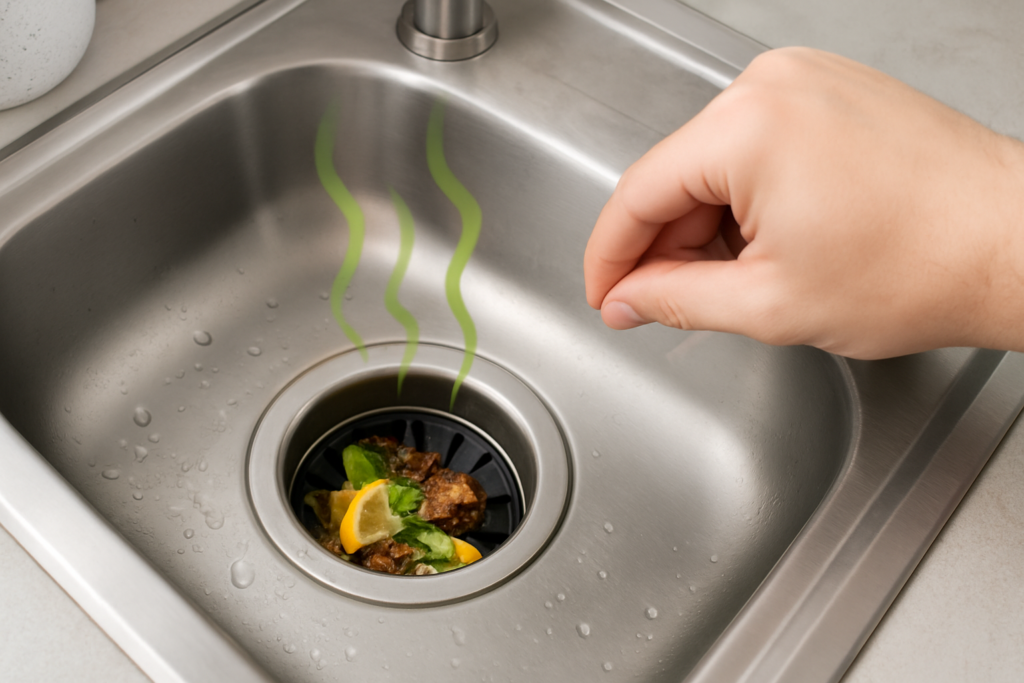
You walk into your kitchen and get hit with an unpleasant smell coming from your sink. If you have a garbage disposal, there’s a good chance it’s the culprit. That rotten, musty odor isn’t just annoying. It’s a sign that food particles, grease, and bacteria have built up inside the disposal where you can’t see them.
The good news is that a smelly garbage disposal is one of the easiest kitchen problems to fix. Most of the time, you can eliminate odors with supplies you already have at home. Let’s look at why your disposal smells and exactly how to clean it.
Why Garbage Disposals Start Smelling
Your garbage disposal grinds food waste into small pieces, but it doesn’t always wash everything down completely. Over time, tiny bits of food stick to the inside walls, the grinding ring, and the underside of the rubber splash guard.
These trapped food particles start to decompose, creating that foul smell. Grease and oil make the problem worse because they coat the disposal’s interior and trap even more food waste. Bacteria thrive in this damp, dark environment, producing gases that smell like rotting garbage or sewage.
The rubber splash guard is usually the worst offender. Lift it up and you’ll often find a layer of slimy gunk on the underside. This area gets splashed constantly but rarely gets cleaned properly.
The Quick Clean Method for Regular Maintenance
For routine cleaning, you can freshen up your disposal in just a few minutes. Start by running cold water and turning on the disposal for 30 seconds to clear out any loose debris.
Next, drop a handful of ice cubes and a cup of coarse salt into the disposal. Run it with cold water for about 30 seconds. The ice and salt combination scrubs the grinding components and helps knock off stuck-on food particles. You’ll hear the ice crunching, which is exactly what you want.
Follow this up by grinding citrus peels (lemon, lime, or orange). The natural oils help cut through grease and leave a fresh scent. Cut the peels into smaller pieces so they don’t overwhelm the disposal.
This quick clean works well if you do it weekly or biweekly. It prevents buildup before it becomes a serious odor problem.
Deep Cleaning When Odors Persist
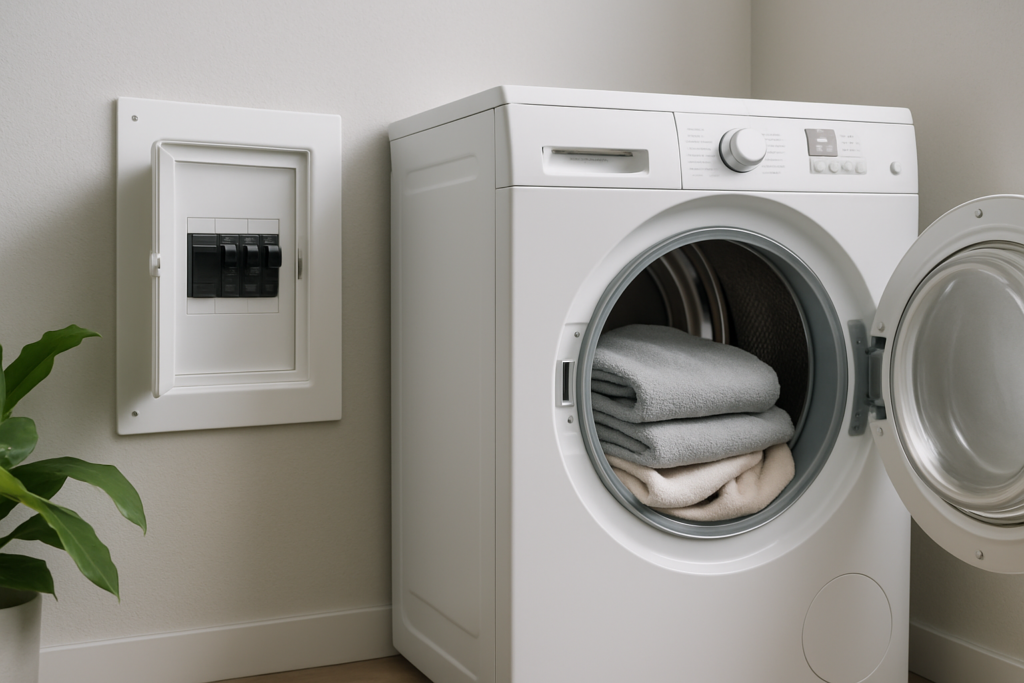
If the smell keeps coming back, you need a more thorough approach. Turn off the disposal completely (use the wall switch or circuit breaker) before doing any manual cleaning. Safety first.
Mix equal parts baking soda and white vinegar in a measuring cup. Pour half a cup of baking soda down the drain, then slowly add a cup of vinegar. You’ll see it foam up. This reaction helps break down grease and neutralize odors. Let it sit for 10 minutes while you tackle the splash guard.
Pull up the rubber splash guard and scrub the underside with an old toothbrush dipped in dish soap. This is where a lot of the smell comes from, so really get in there. Rinse it well when you’re done.

Garbage Disposal Brush
A specialized brush with a long handle makes it much easier to clean under the splash guard and inside the disposal safely
After the baking soda and vinegar have done their work, flush the disposal with hot water for a full minute. Turn it on and let it run to clear everything out. If you still detect an odor, repeat the process.
What Not to Put Down Your Disposal
Prevention is easier than cleaning. Certain foods cause more odor problems than others, and some can actually damage your disposal.
Never put grease, oil, or fat down the disposal. It solidifies as it cools and coats everything, trapping food particles and creating a breeding ground for bacteria. Fibrous vegetables like celery, asparagus, and corn husks can wrap around the grinding mechanism. Starchy foods like pasta and potato peels turn into a paste that clogs the drain.
Coffee grounds seem harmless but they accumulate and create sludge. Eggshells are controversial, but they can create tiny granular waste that sticks to grease. Bones and fruit pits are too hard and will damage the blades.
Always run cold water before, during, and after using the disposal. Cold water keeps grease solid so it gets chopped up and flushed away instead of coating the pipes. Run the water for at least 15 seconds after you turn off the disposal to make sure everything clears out.
When to Call a Professional
Sometimes the smell isn’t coming from normal food buildup. If you’ve deep cleaned the disposal multiple times and the odor persists, you might have a more serious issue.
A damaged or cracked disposal unit can trap water and food in places you can’t reach. The P-trap (the curved pipe under your sink) might be partially clogged, causing standing water that smells. In some cases, the disposal wasn’t installed with proper venting, which can cause sewer gases to back up into your kitchen.
If the smell is more like sewage than rotting food, or if you notice slow drainage throughout your house, you probably have a plumbing issue beyond the disposal itself. A professional plumber can diagnose problems with your drain line or vent stack.
You should also call a pro if your disposal is making unusual grinding noises, leaking water, or frequently tripping the circuit breaker. These are signs that the unit may need repair or replacement.

Garbage Disposal Wrench
Essential for clearing jams manually by turning the disposal from underneath when it gets stuck
Creating a Maintenance Schedule That Works
The best way to prevent disposal odors is to stick to a regular cleaning routine. Once a week, do the ice and salt treatment followed by citrus peels. This takes less than five minutes and keeps things fresh.
Once a month, do a deep clean with baking soda and vinegar. Take the time to scrub the splash guard thoroughly. This monthly maintenance prevents the kind of buildup that leads to persistent odors.
Consider keeping a small container of baking soda under your sink specifically for disposal cleaning. You can also freeze vinegar in ice cube trays for a convenient cleaning option that combines both the scrubbing action of ice and the deodorizing power of vinegar.
Frequently Asked Questions
Can I use bleach to clean my garbage disposal?
You can, but it’s not the best option. Bleach can corrode the metal parts inside your disposal over time, especially if you use it regularly. It also creates toxic fumes when mixed with other cleaning products. Baking soda and vinegar work just as well without the harsh chemicals or damage risk.
How often should I replace my garbage disposal?
Most garbage disposals last 8 to 15 years with proper maintenance. If your disposal is older and constantly has odor problems despite regular cleaning, the interior components may be corroded or damaged beyond repair. At that point, replacement makes more sense than trying to salvage it.
Is it normal for my disposal to smell slightly even when clean?
A faint smell immediately after grinding food is normal and should disappear within a few minutes. If you’re detecting an odor when the disposal isn’t in use, or if the smell lingers for hours, something is trapped inside that needs to be cleaned out. A properly maintained disposal shouldn’t have any noticeable odor when it’s not running.
This article contains affiliate links. We may earn a small commission at no extra cost to you.