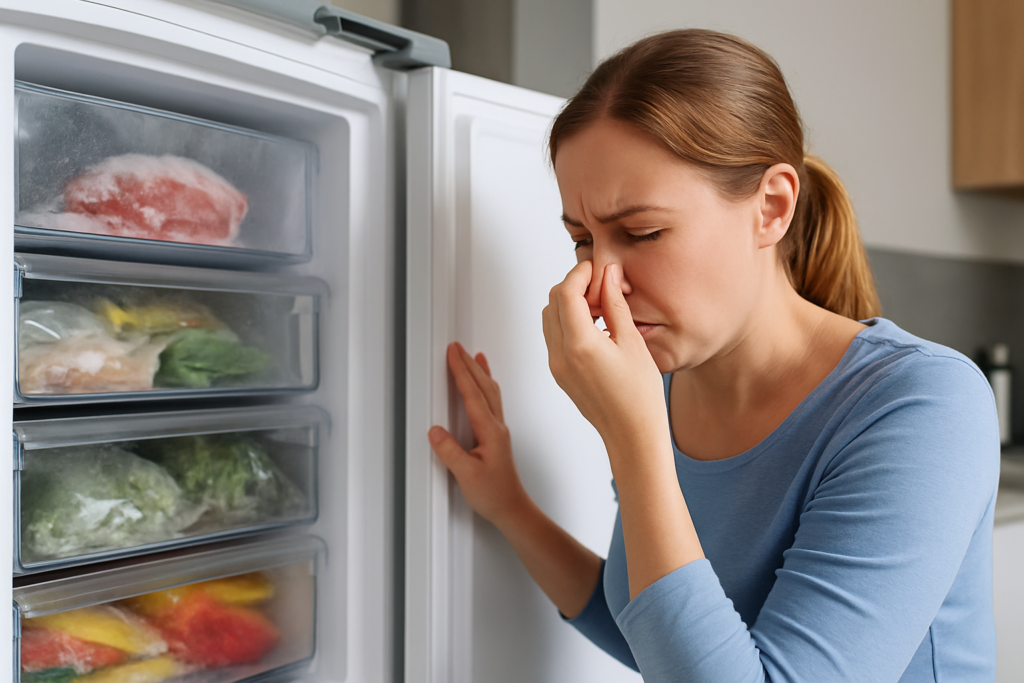
You open your freezer to grab some ice cream, and instead of the usual blast of cold air, you’re hit with a foul smell that makes you want to slam the door shut. A stinky freezer isn’t just unpleasant. It can affect the taste of your food and signal potential problems with your appliance.
The good part is that most freezer odors are fixable with some detective work and elbow grease. Let’s identify what’s causing that smell and walk through exactly how to eliminate it for good.
Common Sources of Freezer Odors
Before you start scrubbing, you need to figure out where the smell is coming from. Different odor sources require different solutions, and understanding the root cause will save you time and frustration.
Spoiled or Freezer-Burned Food
This is the most common culprit. Food that’s been in your freezer for months (or years) can develop off odors even when frozen. Freezer burn happens when air reaches the food’s surface, causing dehydration and oxidation. The result is discolored food that smells stale or rancid.
Check for any packages with torn wrapping, mystery items you can’t identify, or anything that’s been sitting there since you moved in. Meat and fish are particularly problematic, as their fats can go rancid even at freezing temperatures.
Power Outages and Temperature Fluctuations
If your freezer lost power for an extended period, food may have partially thawed and refrozen. This allows bacteria to multiply before freezing halts the process again. The smell can linger even after the food seems solidly frozen.
Temperature fluctuations can also occur if your freezer thermostat isn’t working correctly. When temps rise above 0°F for too long, food quality deteriorates rapidly.
Spills and Leaked Packages
A package of ground beef that leaked in the back corner six months ago is now a frozen puddle of concentrated smell. These spills are easy to miss but incredibly potent. Liquids from thawing food, dripping ice cream, or punctured packages all create odor hotspots.
Dirty Drain Pan or Coils
Your freezer’s drain pan collects condensation from the defrost cycle. When this pan gets dirty or develops mold, the smell can permeate the entire appliance. The condenser coils can also accumulate dust and debris, which sometimes produces musty odors.
The Complete Deep-Cleaning Process
Once you’ve identified the likely source, it’s time for a thorough cleaning. This isn’t a quick wipe-down job. Plan to spend at least an hour doing this properly.
Step 1: Empty and Inspect Everything
Remove every single item from your freezer. Place frozen goods in coolers with ice packs, or if it’s winter where you live, temporarily store them outside. As you remove items, check expiration dates and look for anything suspicious.
Toss anything that’s been there longer than recommended storage times: ground meat older than 3-4 months, chicken beyond 9 months, or vegetables past 8-10 months. When in doubt, throw it out.
Step 2: Unplug and Defrost
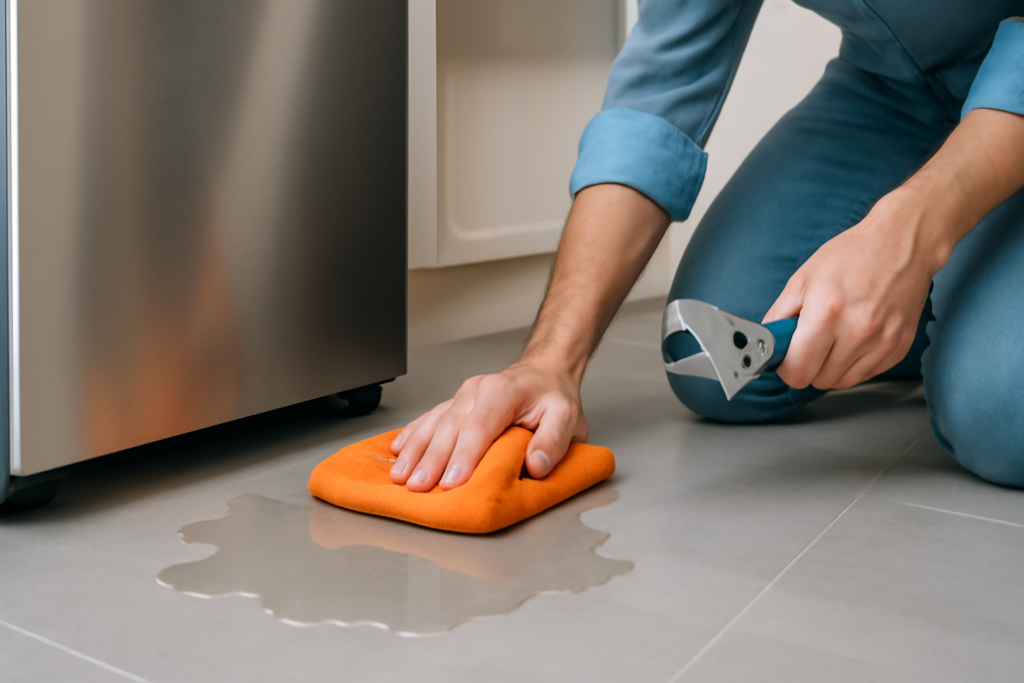
Unplug your freezer or turn it off at the breaker. Leave the door open and let it defrost completely. This can take several hours depending on ice buildup. Place towels around the base to catch melting water.
Don’t try to chip away ice with sharp objects. You’ll risk puncturing the freezer walls and causing irreparable damage. Just be patient and let it melt naturally. A fan pointed at the open freezer will speed things up.
Step 3: Create Your Cleaning Solution
Mix equal parts water and white vinegar in a spray bottle. This natural solution cuts through grime and neutralizes odors without leaving chemical residues that could affect food. For stubborn stains, make a paste with baking soda and water.
You can also use a mild dish soap solution, but vinegar is more effective at odor elimination. Keep a bucket of clean warm water and several clean cloths nearby for rinsing.

White Vinegar Gallon
Essential for natural cleaning and odor elimination without harsh chemicals
Step 4: Scrub Every Surface
Spray down all interior surfaces with your vinegar solution. Scrub the walls, ceiling, floor, and door gasket thoroughly. Pay special attention to corners, crevices, and the rubber door seal where gunk accumulates.
Remove any shelves, drawers, or baskets and wash them separately in your sink with hot soapy water. Let them air dry completely before putting them back. Don’t forget to clean the door shelves and any compartments.
For the drain hole (usually located at the back bottom of the freezer), use a pipe cleaner or turkey baster to flush it with your vinegar solution. Clogs here can cause water backup and odors.
Step 5: Address the Exterior Components
Locate your drain pan, typically underneath the freezer. Slide it out and wash it with hot soapy water and bleach. Let it dry completely before replacing it. While you’re down there, vacuum the condenser coils if accessible. Dust buildup reduces efficiency and can trap odors.
Step 6: Neutralize Lingering Odors
After cleaning, if you still detect a smell, place an open box of baking soda in the freezer overnight before turning it back on. You can also wad up newspaper and place it throughout the freezer for 24 hours. Newspaper absorbs odors surprisingly well.
Activated charcoal works even better than baking soda for stubborn smells. Place a container of activated charcoal in your freezer and leave it for a few days.
Preventing Future Freezer Odors
A clean freezer is great, but keeping it odor-free requires ongoing maintenance. These habits will prevent you from dealing with another stinky situation down the road.
Proper Food Storage Techniques
Always wrap food tightly in freezer paper, heavy-duty aluminum foil, or freezer bags designed to prevent freezer burn. Regular storage bags aren’t thick enough to prevent air exposure. Squeeze out as much air as possible before sealing.
Double-wrap meats and fish for extra protection. Place them in a bag first, then wrap in foil or place in a second bag. Label everything with contents and date using a permanent marker. You’ll thank yourself later when you’re trying to figure out what that mystery package is.

Freezer Bags Heavy Duty
Prevents freezer burn and keeps odors contained better than standard storage bags
Regular Inventory Checks
Do a freezer audit every three months. Check dates, toss anything past its prime, and reorganize so older items are in front. This simple habit prevents food from becoming forgotten science experiments in the back.
Keep a list on your freezer door of what’s inside and when you froze it. This sounds excessive, but it genuinely reduces waste and helps you use food before it goes bad.
Monthly Wipe-Downs
Once a month, do a quick wipe of your freezer shelves and door. You don’t need to empty everything, just move items around and clean any visible spills or frost buildup. This five-minute task prevents small problems from becoming big smelly disasters.
Keep Baking Soda Inside
Place an open box of baking soda in your freezer and replace it every three months. It continuously absorbs odors and keeps things fresh. Some people prefer commercial refrigerator deodorizers, which work on the same principle but last longer.
Maintain Proper Temperature
Your freezer should stay at 0°F or below. Use a freezer thermometer to verify the actual temperature, since the dial settings aren’t always accurate. Warmer temperatures allow bacteria to grow slowly and food to deteriorate faster, both of which cause odors.
When to Call a Professional
Sometimes the smell isn’t coming from food at all, but from a mechanical issue with your freezer. Here’s when DIY cleaning won’t cut it.
If you’ve cleaned thoroughly and the smell persists, you might have a coolant leak. Freon and other refrigerants have a distinct chemical smell. This requires immediate professional attention, both for your health and to save your appliance.
A burning smell indicates electrical problems. Unplug the freezer immediately and call a repair technician. Don’t try to diagnose electrical issues yourself.
Strange smells combined with unusual noises, water leaking from unusual places, or failure to maintain temperature all point to mechanical problems. A qualified appliance repair person can diagnose and fix these issues before they become more expensive.
Dealing with Persistent Chemical or Plastic Smells
New freezers often have a plastic or chemical smell that can take weeks to dissipate. This is normal but annoying, especially when it affects your food’s taste.
For new appliances, clean the interior with a baking soda solution (one tablespoon per quart of warm water) and leave the door open for 24 hours before first use. Place bowls of vanilla extract or freshly ground coffee beans inside for a few days to absorb the plastic odor.
For older freezers with persistent plastic smells, the issue might be deteriorating door gaskets or plastic components. Inspect the door seal for cracks or damage. Replacing worn gaskets is relatively inexpensive and can eliminate these odors while improving energy efficiency.
Frequently Asked Questions
How often should I deep clean my freezer?
A thorough deep clean once or twice a year is sufficient for most households. However, you should do quick monthly maintenance wipes and immediate cleanup of any spills. If you have a large family or freeze a lot of raw meat and fish, consider deep cleaning quarterly.
Can I use bleach to clean my freezer?
You can use a diluted bleach solution (one tablespoon bleach per gallon of water) for cleaning, but it’s not necessary for most situations. Vinegar and baking soda are safer options that won’t leave chemical residues. If you do use bleach, rinse thoroughly afterward and let the freezer air out completely before restocking.
Why does my frost-free freezer still smell bad?
Frost-free freezers can actually be more prone to odors because the automatic defrost cycle can spread smells around. The drain system in frost-free models can also harbor bacteria if not cleaned regularly. Follow the same deep-cleaning process, paying special attention to the drain hole and pan.
Will the smell from my freezer transfer to food?
Absolutely. Frozen food is porous and will absorb odors over time, especially items stored in permeable packaging like cardboard boxes. This is why proper wrapping is critical and why you should address freezer odors immediately rather than waiting until they become overwhelming.
This article contains affiliate links. We may earn a small commission at no extra cost to you.