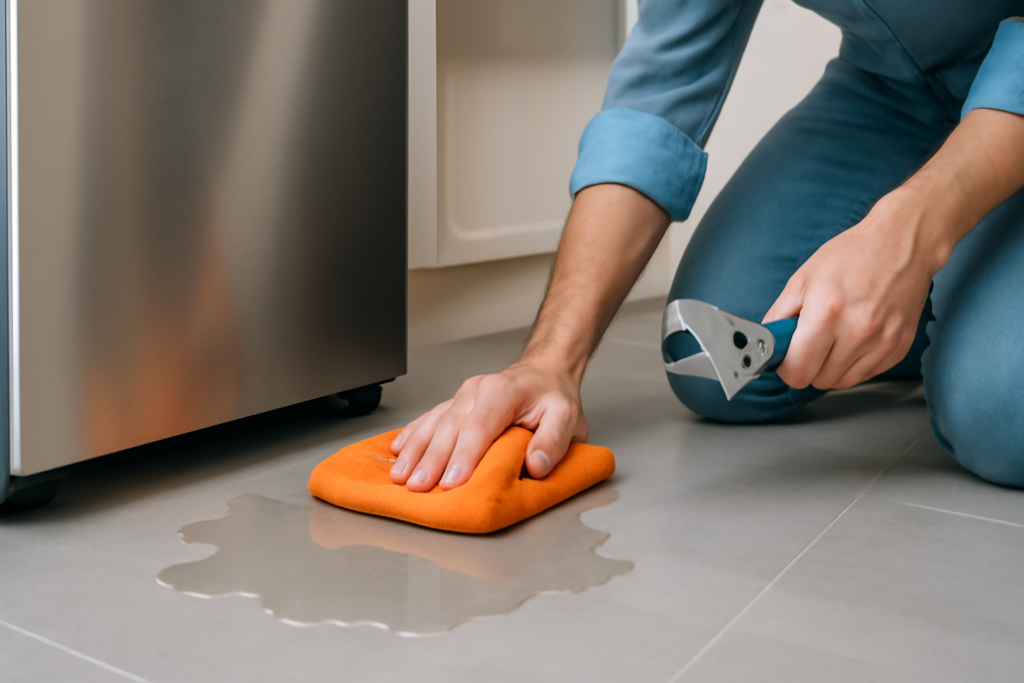
There’s nothing quite like the sinking feeling you get when you realize your freezer has stopped working. Maybe you noticed the ice cream is suspiciously soft, or you opened the door to find a puddle forming at the bottom. Whatever tipped you off, a non-functioning freezer is a problem that needs fixing fast before you lose everything inside.
The good news is that many freezer issues are fixable without calling a repair tech. Let’s walk through the most common reasons your freezer won’t turn on and what you can do about it.
Check the Power Supply First
Before you panic about expensive repairs, start with the basics. You’d be surprised how often a freezer “failure” is just a power supply problem.
Check if the freezer is actually plugged in. I know this sounds obvious, but plugs can get knocked loose during cleaning or if you’ve moved anything around recently. Make sure it’s pushed all the way into the outlet.
Next, test the outlet itself. Plug in something else like a lamp or phone charger to confirm the outlet is working. If it’s not, you might have a tripped circuit breaker. Head to your electrical panel and look for any breakers in the off position or stuck in the middle. Reset any tripped breakers by switching them all the way off, then back on.
Also check for a GFCI outlet nearby. These outlets have reset buttons and can trip if there’s any electrical irregularity. Press the reset button if you see one.
Try Resetting Your Freezer
Modern freezers have electronic controls that can glitch just like any other computer system. A simple reset often clears these temporary issues.
Unplug your freezer from the wall and leave it disconnected for at least 5-10 minutes. This gives the control board time to fully discharge and reset. While you’re waiting, check the power cord for any visible damage like fraying or burn marks.
Plug it back in and listen for signs of life. You should hear the compressor kick on within a few minutes. If your freezer has a digital display, it should light up when power is restored.
Inspect the Fuses and Circuit Components
Many freezers have internal fuses that protect the compressor and other components from power surges. When these blow, your freezer won’t turn on at all.
You’ll need to access the control panel or compressor compartment to check these. Unplug the freezer first for safety. The fuse locations vary by model, but they’re typically near the compressor at the back or bottom of the unit. Check your owner’s manual for the exact location.

Multimeter
Essential for testing fuses and electrical continuity in appliance repairs
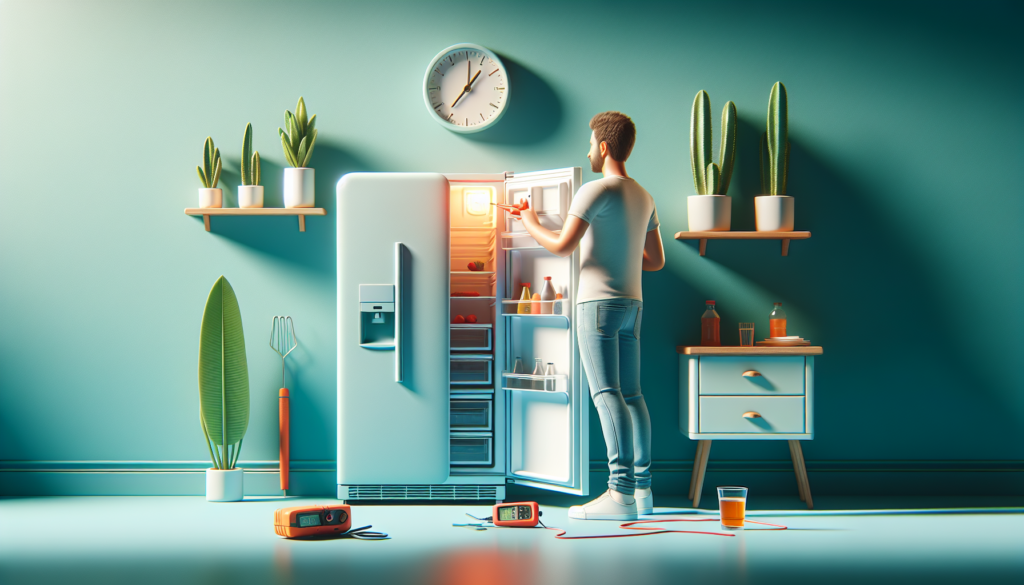
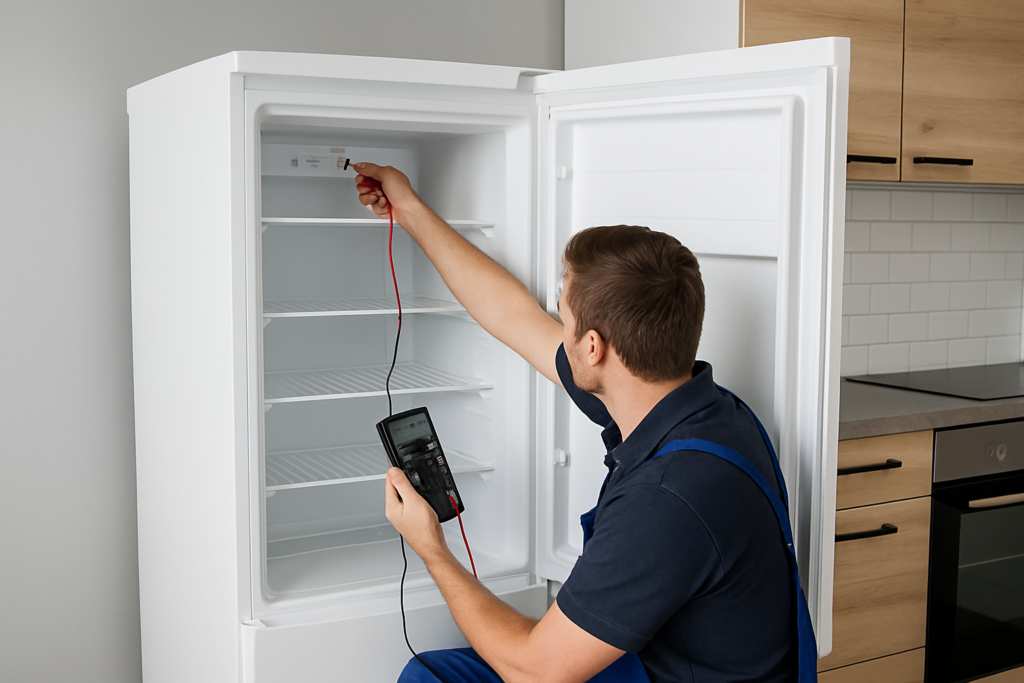
Use a multimeter to test for continuity. Touch the probes to both ends of the fuse. If you get a reading, the fuse is good. No reading means it’s blown and needs replacement. Replacement fuses are typically inexpensive and easy to swap out.
While you’re in there, look for any loose wire connections or signs of burning. Tighten any loose terminals you find.
Common Part Failures That Prevent Startup
If your freezer still won’t turn on after checking power and fuses, you’re likely dealing with a failed component. Here are the usual suspects.
Thermostat Failure
The thermostat tells your freezer when to run. When it fails, the compressor won’t get the signal to start. You can test the thermostat with a multimeter by checking for continuity when it’s set to the coldest setting.
A failed freezer thermostat is one of the more common issues in units over five years old. Replacing it requires accessing the control panel, but it’s a fairly simple swap once you get there.

Freezer Thermometer
Keep one inside to catch temperature problems before they become disasters
Start Relay Problems
The start relay provides the extra juice your compressor needs to get running. When it fails, you might hear a clicking sound but the compressor won’t start. Some start relays can be tested by shaking them. If you hear rattling, the internal components have broken loose and it needs replacement.
Look for the start relay attached to the side of the compressor. It’s usually a small black box that pulls off with a firm tug. Take it with you to the appliance parts store to ensure you get the right replacement.
Compressor Failure
This is the worst-case scenario. The compressor is the heart of your freezer, and when it dies, you’re looking at a major repair. Signs of compressor failure include a burning smell, complete silence (no humming at all), or a compressor that’s extremely hot to the touch.
Testing a compressor requires a multimeter and some technical knowledge. You’ll need to check the resistance between the start, run, and common terminals. If the readings are way off from the manufacturer’s specs, the compressor is shot.
Replacing a compressor often costs as much as buying a new freezer, especially on older units. At that point, you need to consider the age of your appliance and whether repair makes financial sense.
Control Board Issues
Electronic control boards manage all your freezer’s functions. When they fail, the symptoms can be confusing. You might see error codes on the display, or the freezer might be completely dead.
Inspect the control board for visible damage like burnt components, swollen capacitors, or corrosion. Water damage from defrost cycle issues is a common culprit. If you spot obvious damage, the board needs replacement.
Control boards can be expensive, so make sure you’ve ruled out cheaper fixes first. Also verify it’s actually the problem by checking all the connections and wiring leading to and from the board.
When to Call a Professional
Some freezer repairs are DIY-friendly, but others require specialized tools and knowledge. Call a repair tech if you’re dealing with refrigerant issues, complex electrical problems, or you’re just not comfortable working with electrical components.
Also consider calling if your freezer is still under warranty. DIY repairs can void manufacturer warranties, so check your paperwork first.
For older freezers (10+ years), get a repair estimate before committing. Sometimes replacement makes more sense than sinking money into an aging appliance that will likely have more problems down the road.
Frequently Asked Questions
Why does my freezer have power but won’t cool?
If your freezer has lights and displays working but isn’t cooling, the issue is with the cooling system rather than power. This usually points to a failed compressor, start relay, or thermostat. You might also have a refrigerant leak, which requires professional repair. Check if the compressor is running by putting your hand near it to feel for vibration or warmth.
How long should I wait before calling a repair person?
Give your freezer at least 24 hours after any power interruption or reset before calling for service. Sometimes they take a while to stabilize, especially if they’ve been unplugged or moved. However, if you notice unusual sounds, burning smells, or visible damage, call immediately rather than waiting.
Can a power surge damage my freezer permanently?
Yes, power surges can fry electronic components like control boards, start relays, and compressor circuits. This is why many people use surge protectors designed for large appliances. If your freezer stopped working right after a storm or power outage, surge damage is likely. Check the fuses and control board first, as these are the most vulnerable components.
This article contains affiliate links. We may earn a small commission at no extra cost to you.