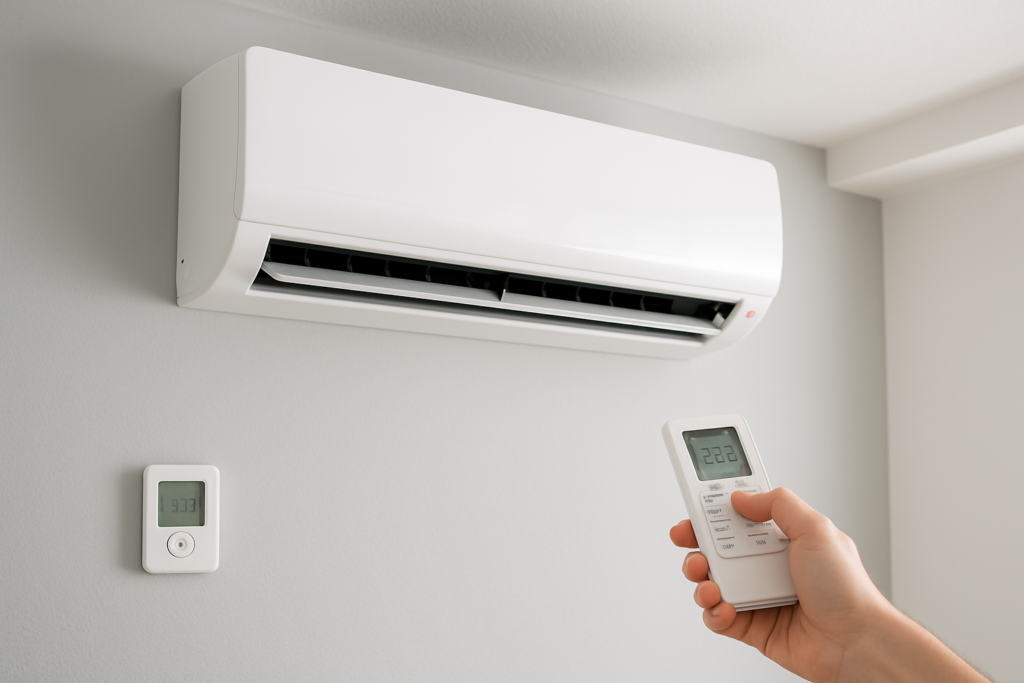
When the temperature drops and you flip your thermostat to heat mode, the last thing you expect is cold air blowing through your vents. But here’s the reality: your air conditioner doesn’t actually heat. It cools. If you’re expecting heat from a standard AC unit, you’re going to be disappointed.
What you likely have is a heat pump or a dual system with a furnace. Let’s clear up the confusion and get your heating back on track.
Understanding Heat Pumps vs. Air Conditioners
A traditional air conditioner only removes heat from your home. It’s a one-way street. A heat pump, on the other hand, can reverse its operation to pull heat from outside air and bring it indoors, even when it’s cold out.
Many homeowners mistake their heat pump for a regular AC unit because they look nearly identical from the outside. Check your thermostat settings. If you have a “heat” mode option, you’ve got a heat pump or a separate heating system.
If your system isn’t producing heat, the reversing valve might be stuck or malfunctioning. This valve is what allows the refrigerant to change direction and provide heating instead of cooling. When it fails, you’ll get cold air even in heat mode.
Common Heating Problems and Fixes
Thermostat Issues
Before you assume the worst, check your thermostat. Make sure it’s set to “heat” mode, not “cool” or “auto.” The temperature setting should be higher than your current room temperature, and the fan should be on “auto” rather than “on” (which just circulates air without heating).
Dead batteries can cause erratic behavior. Replace them annually, even if your thermostat seems to be working fine. Wiring problems are less common but worth investigating if the display looks normal but nothing happens when you adjust settings.

Digital Programmable Thermostat
A quality thermostat can prevent most temperature control headaches and improve energy efficiency.
Capacitor Failure
The capacitor is like a battery that gives your compressor and fan motors the jolt they need to start up. When it fails, your outdoor unit won’t run at all, or it might hum without starting.
You can sometimes spot a bad capacitor by looking at it. If the top is bulged or it’s leaking oil, it’s done. Capacitors are relatively inexpensive parts, but you’ll want a professional to replace them since they store electrical charge even when the power is off.

HVAC Capacitor
Having a spare capacitor on hand can save you from a cold night waiting for repairs.
Dirty Air Filters and Airflow Restrictions
A clogged air filter is the most common cause of heating problems, and it’s the easiest to fix. When airflow is restricted, your system can’t move enough warm air through your home. In some cases, it’ll trigger a safety shutdown to prevent damage.
Check your filter monthly during heavy use seasons. Most disposable filters need replacement every 1-3 months depending on your home environment. Pet owners and allergy sufferers should lean toward monthly changes.
Don’t forget about your outdoor unit. Clear away leaves, snow, and debris from around the heat pump. It needs at least two feet of clearance on all sides to pull in air efficiently.
Low Refrigerant or Leaks
Heat pumps need the right amount of refrigerant to transfer heat effectively. If you notice ice buildup on the outdoor unit (when it’s not in defrost mode), weak airflow, or the system running constantly without reaching temperature, you might have a refrigerant leak.
This isn’t a DIY fix. Refrigerant handling requires EPA certification, and simply adding more refrigerant without fixing the leak just kicks the problem down the road. A qualified HVAC technician can locate the leak, repair it, and recharge your system properly.
When to Call a Professional
Some fixes are simple enough for homeowners to tackle. Changing filters, clearing debris, and checking thermostat settings cost nothing but time. But electrical components, refrigerant issues, and reversing valve problems require professional expertise.
If your system is making unusual noises, smells like burning, or trips your circuit breaker, shut it down and call for service. These symptoms indicate problems that can worsen quickly and potentially become safety hazards.
Regular maintenance visits (ideally twice yearly, before cooling and heating seasons) can catch most issues before they become emergencies. A good HVAC multimeter can help you troubleshoot electrical issues if you’re comfortable working with your system.
Frequently Asked Questions
Why is my heat pump blowing cold air in heat mode?
Your heat pump might be in defrost mode, which is normal and temporary. During cold weather, ice can form on the outdoor coil. The system reverses to cooling mode briefly to melt the ice, which means cold air from your vents for 5-10 minutes. If cold air persists longer, check your thermostat settings, air filter, and outdoor unit for obstructions. A malfunctioning reversing valve or low refrigerant could also be the culprit.
Can I run my heat pump when it’s below freezing outside?
Most heat pumps work effectively down to about 25-30°F, though newer models can handle temperatures as low as 5°F. Below these thresholds, efficiency drops significantly and many systems automatically switch to auxiliary electric heat, which is more expensive to run. If you live in an area with harsh winters, a dual-fuel system (heat pump plus gas furnace) often makes more sense than a heat pump alone.
This article contains affiliate links. We may earn a small commission at no extra cost to you.