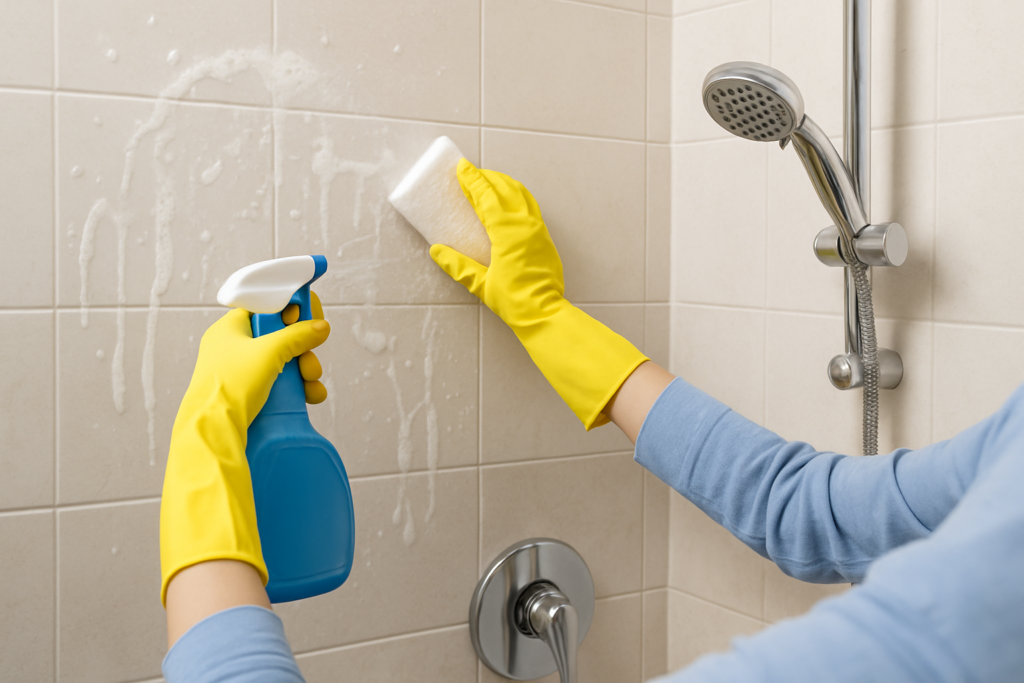
You pull back your shower curtain and there it is: that telltale pink or orange tinge creeping along the bottom. Maybe some black spots scattered across the liner. Your shower curtain has seen better days, and you’re standing there wondering if it’s time to toss it or if a good cleaning might save it.
The answer depends on what type of curtain you have and how far gone it really is. Most shower curtains can be salvaged with the right cleaning method, but sometimes replacement is the smarter move. Let’s break down exactly when to wash, when to replace, and how to keep that curtain looking fresh longer.
Fabric Shower Curtains: The Washing Machine Method
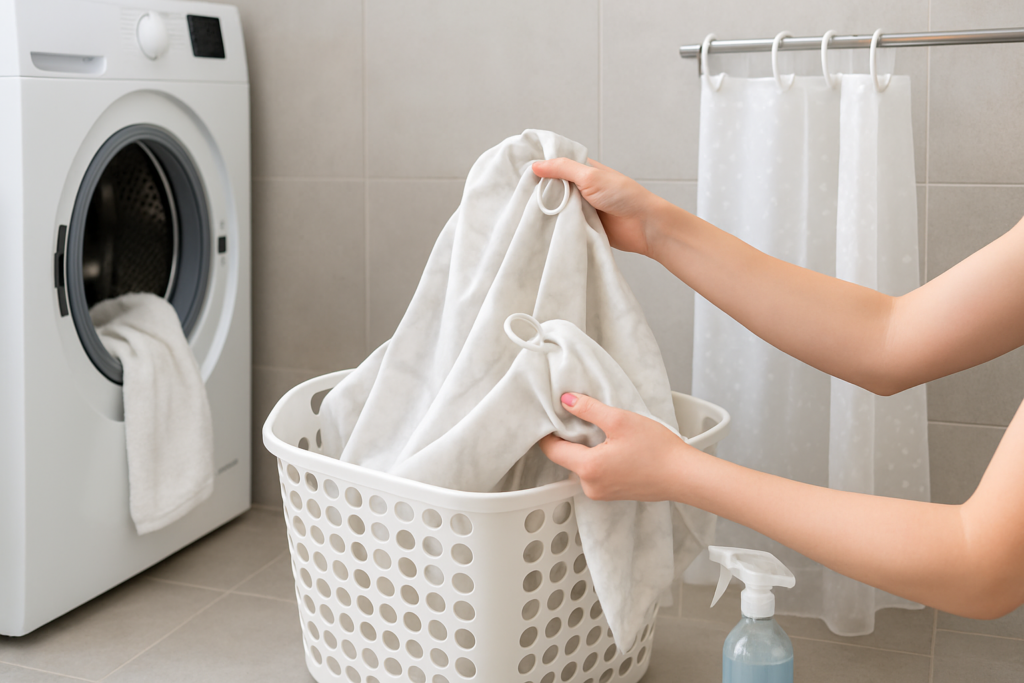
Fabric shower curtains are the easiest to deal with. You can throw them right in your washing machine, and they’ll come out looking almost new in most cases.
Toss your fabric curtain in the washer with a couple of bath towels. The towels act as gentle scrubbers that help remove soap scum and mildew without damaging the fabric. Add your regular detergent plus a half cup of baking soda during the wash cycle. When the rinse cycle starts, pour in a half cup of white vinegar.
Use warm water and a gentle cycle. Skip the spin cycle if possible, or use the lowest spin setting. Hang the curtain back up immediately to dry. The bathroom’s humidity will help prevent wrinkles, and air-drying prevents any shrinkage.
You can wash fabric curtains every month or two without any issues. They’re designed to handle regular cleaning, which makes them a better long-term investment than vinyl liners.
Vinyl and Plastic Liners: The Vinegar Soak Solution
Vinyl liners are trickier because they can crack or tear in the washing machine, especially older ones. The vinegar soak method works better and is actually pretty simple.
Fill your bathtub with enough warm water to submerge the liner. Add two cups of white vinegar and a quarter cup of liquid detergent. Let the liner soak for at least 30 minutes, or up to two hours for heavily soiled curtains.
After soaking, use a soft brush or sponge to scrub away any remaining mildew spots. Pay extra attention to the bottom hem where moisture collects. Rinse thoroughly with clean water and hang to dry.

Mildew Resistant Shower Curtain Liner
Look for liners specifically treated to resist mildew growth between cleanings
Some people do successfully wash vinyl liners in the machine on a delicate cycle with cold water, but check yours first. Hold it up to the light and look for any thin spots or small tears. Any weakness will get worse in the washer.
When to Replace Instead of Wash
Sometimes cleaning just isn’t going to cut it. Replace your shower curtain or liner if you see any of these signs:
- Black mildew that won’t budge even after soaking and scrubbing
- Tears, holes, or thin spots in the material
- Permanent discoloration or staining
- A musty smell that persists after washing
- Stiff, brittle plastic that’s starting to crack
Vinyl liners typically last 6 to 12 months with regular cleaning. Fabric curtains can last several years if you take care of them properly. When you factor in the time spent scrubbing a deteriorating liner, sometimes spending a few dollars on a new one makes more sense.
You’ll also want to check your shower curtain rings while you’re at it. Rusty or broken rings make your whole setup look shabby, and they’re cheap to replace. Metal rings can rust and stain your curtain, while plastic rings can crack over time.
Preventing Mildew Before It Starts
Cleaning is easier when you’re dealing with light buildup instead of entrenched grime. A few simple habits will keep your shower curtain cleaner between deep cleans.
Spread the curtain fully open after each shower. Bunching it up traps moisture in the folds, which creates the perfect environment for mildew. Better air circulation means faster drying and less bacterial growth.
Run your bathroom fan during showers and for at least 20 minutes afterward. This reduces overall humidity levels in the bathroom. Crack a window if you don’t have a fan or if yours doesn’t work well.

Daily Shower Spray Cleaner
A quick spray after showering prevents soap scum and mildew buildup with minimal effort
Keep a spray bottle filled with equal parts water and white vinegar near the shower. A quick spray on the liner after your shower takes five seconds and dramatically reduces mildew growth. You don’t even need to rinse it off.
Some people prefer commercial daily shower sprays, which work well too. The key is consistency. Spraying once a week won’t do much, but daily spraying makes a noticeable difference.
Eco-Friendly Liner Alternatives Worth Considering
Traditional vinyl liners contain PVC and release volatile organic compounds, especially when new. If you’re looking for healthier or more sustainable options, several alternatives work well.
Hemp shower curtain liners naturally resist mildew and can be machine washed repeatedly. They’re more durable than vinyl and completely biodegradable at the end of their life. They do cost more upfront but last considerably longer.
PEVA liners offer a middle ground. They’re PVC-free and more environmentally friendly than standard vinyl, but still affordable and water-resistant. They clean easily and don’t have that strong plastic smell of new vinyl curtains.
Nylon fabric liners dry quickly and resist mildew better than cotton or polyester. They’re machine washable and last for years with proper care. Pair them with a decorative outer curtain, and you’ve got a setup that looks good and stays clean.
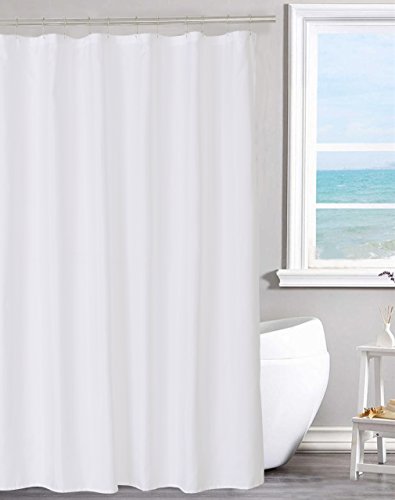
Fabric Shower Curtain Washable
Fabric curtains eliminate the need for a separate liner and handle regular washing without issues
Frequently Asked Questions
How often should I clean my shower curtain?
Clean your shower curtain once a month if you’re using prevention methods like daily sprays. Without prevention, you’ll probably need to clean it every two weeks. Fabric curtains can go a bit longer between cleanings than vinyl liners since they resist mildew better.
Can I put shower curtain rings in the washing machine?
Metal rings will rust and plastic rings can crack in the washer. Instead, soak them in a bowl of warm water with white vinegar for 30 minutes, then scrub with an old toothbrush. This removes soap scum and any mildew without damaging the rings.
Will bleach damage my shower curtain?
Bleach can weaken vinyl and cause it to crack or tear faster. It also yellows white fabric over time. Stick with white vinegar and baking soda for cleaning. They’re effective against mildew and won’t damage your curtain. For stubborn mildew on white curtains, use oxygen bleach rather than chlorine bleach.
This article contains affiliate links. We may earn a small commission at no extra cost to you.