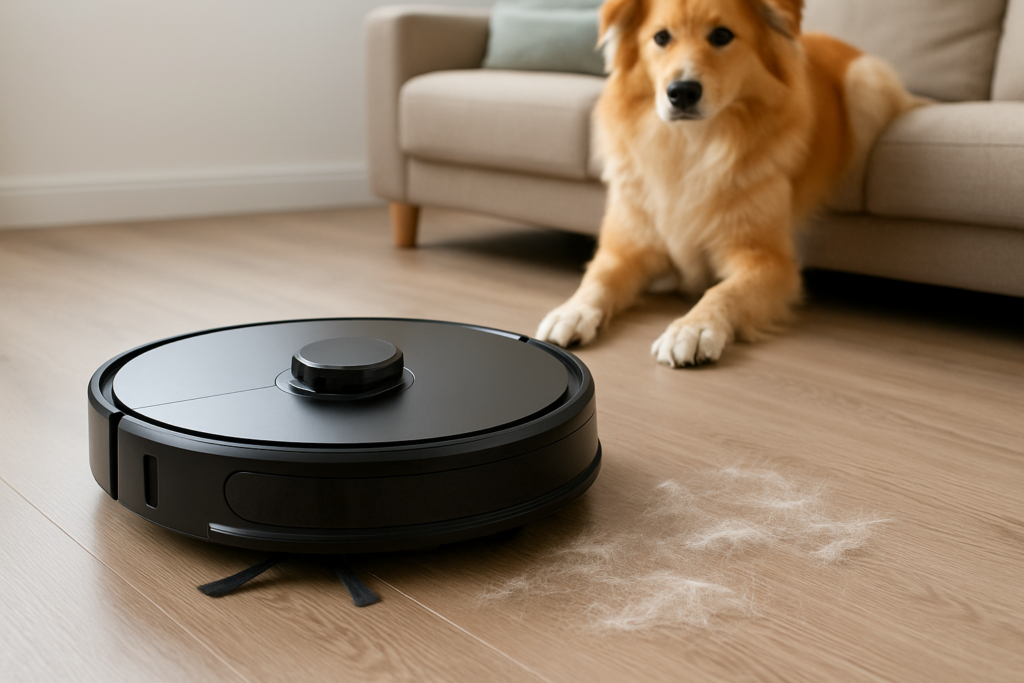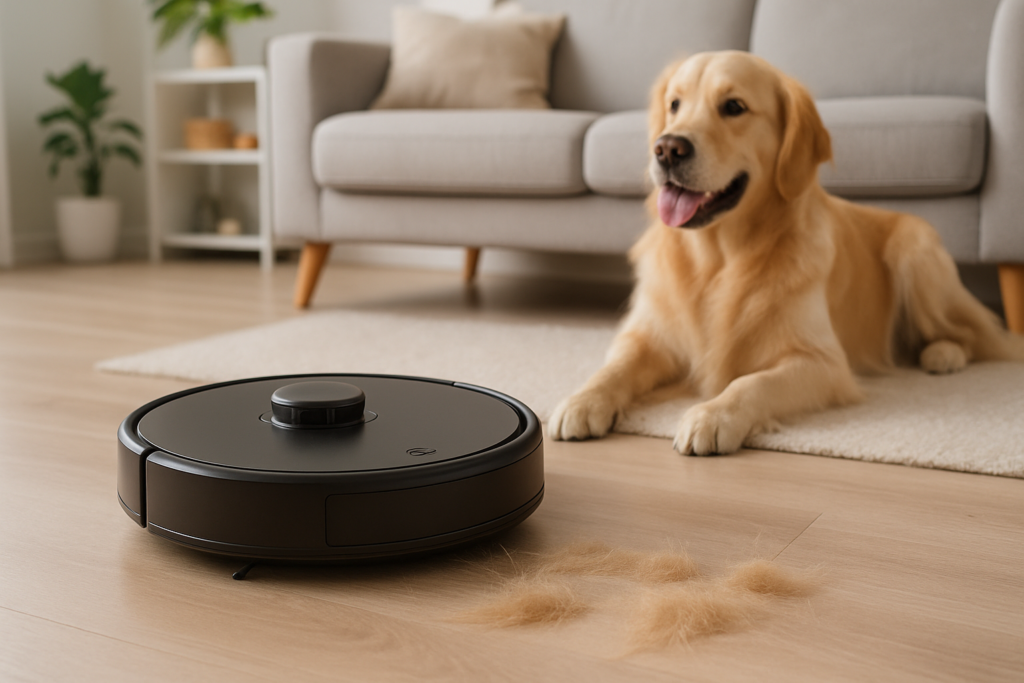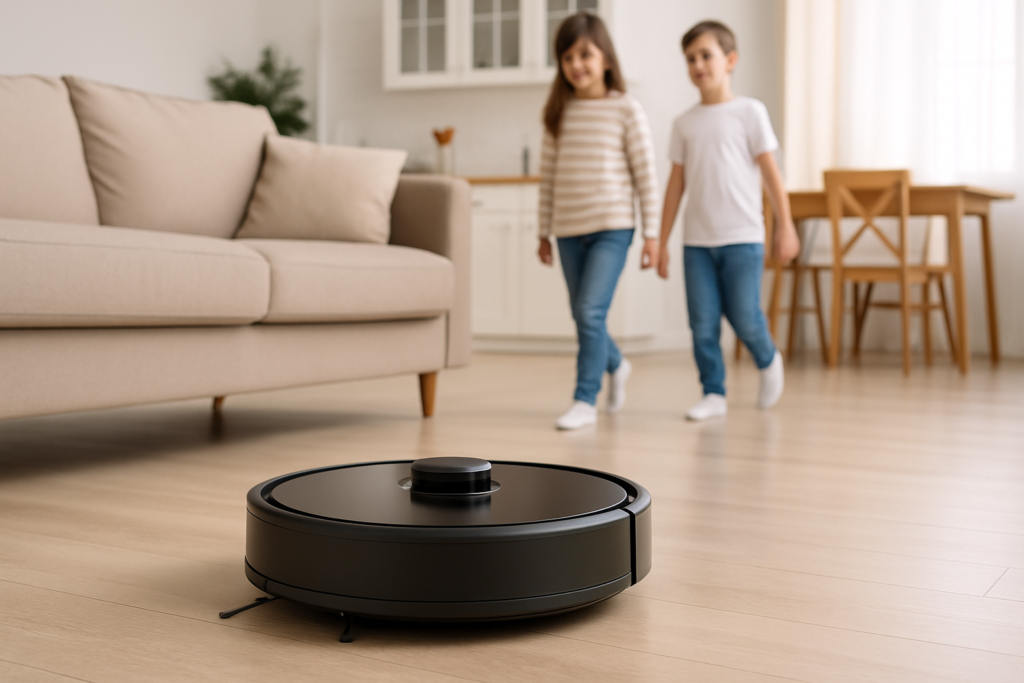
Living in a high-traffic home means dealing with constant dirt, crumbs, and debris tracked in from outside. Between kids running in from the playground, pets shedding year-round, and the general chaos of daily life, keeping your floors clean feels like a never-ending battle. Robot vacuums have become essential tools for busy families who need cleaning to happen automatically, without adding another task to an already packed schedule.
Not all robot vacuums can handle the demands of a truly busy household, though. You need models with strong suction, large dustbins, and smart navigation that won’t get stuck on toys or tangled in charging cables. The best options for high-traffic homes run daily without complaint and adapt to the unique challenges your family throws at them.
What Makes a Robot Vacuum Right for High-Traffic Homes
The biggest difference between a basic robot vacuum and one that works for busy families comes down to capacity and durability. High-traffic homes generate more dirt per square foot than average households, which means your robot needs a larger dustbin or self-emptying capabilities to avoid constant maintenance.
Suction power matters more when you’re dealing with ground-in crumbs, pet hair, and outdoor debris. Look for models with at least 2000Pa of suction, though many newer units offer 3000Pa or higher. This extra power makes the difference between surface cleaning and actually pulling dirt from carpet fibers.
Battery life becomes critical when you’re covering larger areas or running multiple cleaning cycles per day. The best performers offer 120 minutes or more of runtime, which gives them enough juice to handle whole-floor cleaning sessions without retreating to the charging dock halfway through.
Top Robot Vacuums for Families Who Can’t Keep Up
The iRobot Roomba j7+ stands out for families with unpredictable floor obstacles. Its obstacle avoidance technology actually recognizes and avoids common hazards like pet waste, charging cables, and socks. The self-emptying base holds up to 60 days of dirt, which means you can genuinely forget about vacuuming for weeks at a time.

iRobot Roomba j7+
Best for homes with pets and kids where floor obstacles change daily
The j7+ learns your home’s layout and remembers which rooms get messiest. You can set it to automatically run extra cleaning cycles in your kitchen or entryway where traffic concentrates. This targeted approach saves battery life while focusing effort where you need it most.
For families on a tighter budget, the Roborock Q5 delivers excellent performance without the premium price tag. It offers strong suction, precise navigation, and a large dustbin that handles multiple cleaning sessions before needing to be emptied. The Q5 works particularly well on mixed flooring, transitioning smoothly from hardwood to carpet without getting stuck.
One feature that sets this model apart is its multi-level mapping. Families with two-story homes can use a single unit for both levels, and it remembers the layout of each floor. This flexibility makes it practical for homes where high-traffic areas exist on multiple levels.

Roborock Q5
Best value for families who need reliable daily cleaning without premium features
Self-Emptying vs. Manual Dustbins
Self-emptying robot vacuums cost more upfront, but they’re worth considering for high-traffic households. These models automatically empty their dustbins into a larger base station, which only needs attention every month or two. This automation removes one of the last manual steps from the cleaning process.
The Shark AI Ultra combines self-emptying convenience with powerful suction designed for homes with pets. Its bagless base holds up to 60 days of dirt and debris, and the unit itself features excellent edge cleaning that captures crumbs along baseboards and in corners where kids tend to drop snacks.
Manual dustbin models require emptying after every one or two cleaning sessions in high-traffic homes. This adds up to three or four trips to the trash can per week. For some families, this isn’t a big deal. For others managing packed schedules, it’s enough friction to make the difference between using the robot daily or letting it sit forgotten in a closet.
Handling Pet Hair and Allergens
Families with pets face additional challenges that require specific features. Look for robot vacuums with rubber brush rolls instead of bristle brushes. Rubber resists hair tangles and requires much less maintenance. The Eufy X8 Pro uses twin turbine technology with rubber extractors that handle pet hair exceptionally well.

Eufy X8 Pro
Best for heavy pet hair with twin turbines and tangle-resistant brush rolls
HEPA filtration becomes important if anyone in your household deals with allergies. These filters trap 99.97% of particles as small as 0.3 microns, which includes pet dander, pollen, and dust mites. Most premium models include HEPA filters, but verify before purchasing if allergies are a concern in your home.
Smart Features That Actually Matter
App connectivity lets you schedule cleanings, create no-go zones, and monitor cleaning progress from your phone. This sounds convenient in theory, but the real value comes from setting up automated schedules that run without any input from you. The best approach is configuring your robot to clean during specific times when everyone’s out of the house or upstairs for the evening.
Voice control through Alexa or Google Assistant adds convenience when you notice a mess that needs immediate attention. You can simply tell your robot to clean the kitchen after dinner without pulling out your phone. This spontaneous cleaning capability works well for families where spills and messes happen unpredictably throughout the day.
Zone cleaning and room selection let you target specific areas that need extra attention. Your entryway probably needs daily cleaning while guest bedrooms might only need weekly passes. Smart scheduling by room maximizes battery life and keeps high-traffic areas cleaner without wasting time on spaces that barely get used.
Maintenance Tips for Long-Term Performance
Even the best robot vacuums need regular maintenance to keep performing well. Check brush rolls weekly and remove any tangled hair or debris. This five-minute task prevents motor strain and maintains suction power. Side brushes wear out faster in high-traffic homes and typically need replacement every three to six months.
Clean sensors and charging contacts monthly with a dry cloth. Dusty sensors can cause navigation problems and random cleaning patterns. Replace filters according to the manufacturer’s schedule, which is usually every two to three months for high-traffic households.
Empty the base station on self-emptying models when the bag fills or every two months, whichever comes first. Some families in particularly messy homes find they need to empty monthly. Keep replacement bags on hand so you’re never caught without one when the base fills up.
Frequently Asked Questions
How often should a robot vacuum run in a high-traffic home?
Most busy families get the best results running their robot vacuum daily, or at minimum every other day. High-traffic areas like kitchens and entryways benefit from twice-daily cleaning sessions. You can schedule morning runs to pick up breakfast crumbs and evening sessions after dinner. Modern robot vacuums handle this frequency without issues as long as you maintain them properly.
Can robot vacuums handle transitions between hardwood and thick carpet?
Quality robot vacuums navigate floor transitions without problems. Look for models with automatic carpet detection that increases suction when moving onto carpeted areas. Units with larger wheels (at least 0.8 inches) handle transitions more smoothly. The latest models with carpet boost technology automatically adjust both suction and brush speed based on floor type.
Will a robot vacuum work in homes with lots of furniture and floor clutter?
Modern robot vacuums with LiDAR or camera-based navigation handle furniture-heavy rooms well. They map your space and learn efficient cleaning paths around obstacles. However, floor clutter like toys, shoes, and charging cables still cause problems. Spend two minutes picking up obvious obstacles before each cleaning session, or invest in a model with advanced obstacle avoidance like the Roomba j7+ that can identify and avoid common items.
This article contains affiliate links. We may earn a small commission at no extra cost to you.