Your garage floor is probably wet right now. Maybe it’s melted snow from your car, maybe it’s coolant from that oil change you did last weekend, or maybe you just spilled a half-gallon of windshield washer fluid. Either way, grabbing a few rolls of paper towels isn’t going to cut it.
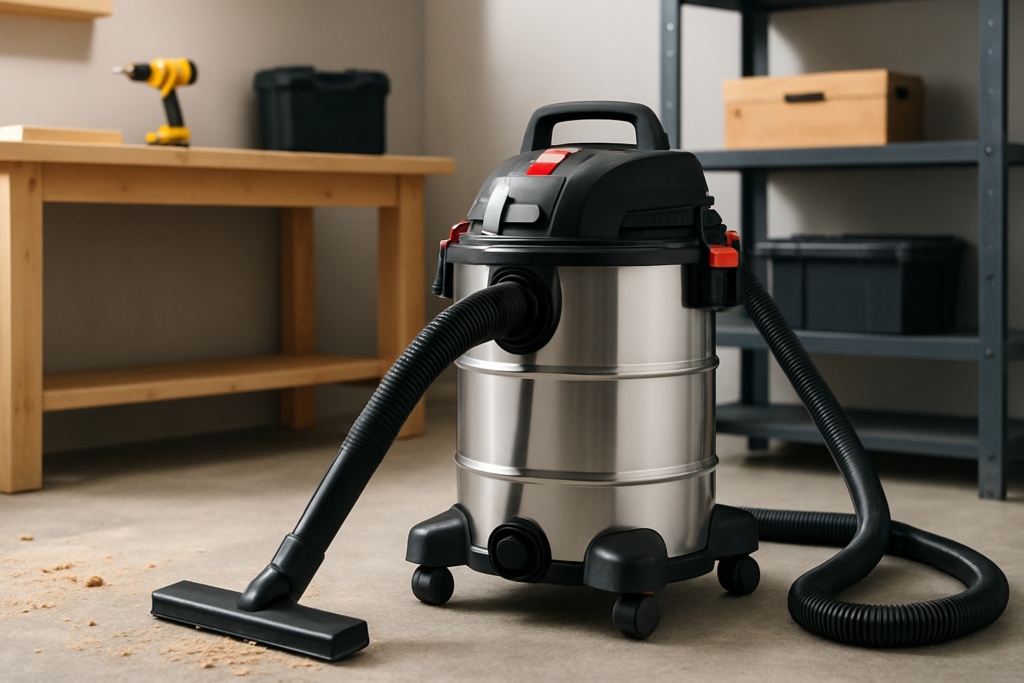
A good wet/dry shop vac changes how you handle garage cleanup completely. I’m talking about sucking up water puddles, sawdust piles, metal shavings, and even that ancient pile of dried leaves that’s been sitting in the corner since October. After testing several popular models over the past year in my own workshop, I’ve found some clear winners for different needs and budgets.
What Makes a Great Garage Shop Vac
Before we get into specific models, you need to understand what actually matters in a shop vac. Too many people buy based on horsepower ratings alone, which is basically meaningless marketing speak.
The three specs that actually affect your daily use are airflow (measured in CFM), suction power (measured in inches of water lift), and tank capacity. A vac with 150 CFM will move debris faster than one with 100 CFM, plain and simple. Water lift above 80 inches means you can pick up heavy, wet debris without the motor bogging down.
Tank size matters more than you’d think. A 6-gallon tank sounds sufficient until you’re emptying it four times while cleaning out your car. For garage use, 12 gallons is the sweet spot. Anything bigger gets too heavy to move around easily when it’s full of water.
DeWalt DXV12P: The Overall Best Choice
The DeWalt DXV12P hits that perfect balance of power and practicality. It’s a 12-gallon unit with a 5.5 peak horsepower motor that delivers 163 CFM of airflow. I’ve used mine for everything from flood cleanup to drywall dust, and it handles both without complaining.
What I really appreciate is the build quality. The latches are metal, not plastic. The wheels are large enough to roll over extension cords and small debris. The power cord is 10 feet long, which seems short until you realize most garages have outlets every 12 feet anyway.
The drain port on the bottom saves you from tipping a 50-pound tank full of dirty water. Just attach a garden hose, open the valve, and drain it outside. This feature alone has saved my back multiple times during basement flooding incidents.

DeWalt DXV12P 12 Gallon Shop Vac
The best all-around choice for garage and workshop use with excellent power and durability.
Ridgid WD1450: Maximum Capacity for Big Jobs
Sometimes you need serious capacity. The Ridgid WD1450 is a 14-gallon beast that I reach for when I’m doing major cleanups. After re-insulating my attic, this thing ran for two hours straight pulling out old blown-in insulation.
The 6.0 peak HP motor provides 159 CFM, which is right up there with the DeWalt. But the larger tank means fewer trips to dump debris. The wheels are oversized at 7 inches, making it easier to pull across uneven garage floors or up small curbs when you need to vacuum out your driveway.
One feature that surprised me is how quiet it runs for such a powerful motor. It’s not library-quiet, but you can hold a conversation without yelling. The built-in accessory storage keeps your attachments organized instead of scattered across the garage floor.
Craftsman CMXEVBE17595: The Budget Winner
Not everyone needs a premium shop vac, and that’s fine. The Craftsman CMXEVBE17595 delivers solid performance at a more accessible price point. It’s a 12-gallon unit with a 5.5 peak HP motor and 120 CFM of airflow.
You’ll notice the difference in build quality immediately. The latches are plastic, and the hose is slightly thinner. But for occasional garage cleanup and seasonal car vacuuming, it does the job without any fuss. I’ve had mine for three years, and it still picks up just fine.
The included attachments are basic but functional. You get a crevice tool, a floor nozzle, and a utility nozzle. The filter is easy to remove and clean, though you’ll want to buy a spare to keep on hand. When one gets clogged with fine dust, swap it out and keep working.

Craftsman CMXEVBE17595 12 Gallon Shop Vac
Best value option that handles regular garage cleanup without breaking the bank.
Vacmaster Beast Series VJH1612PF: For Heavy Workshop Use
Woodworkers and metalworkers need more filtration than the average garage user. The Vacmaster Beast Series VJH1612PF comes with a two-stage industrial motor and a HEPA filter that captures 99.97% of particles down to 0.3 microns.
This matters when you’re generating fine sawdust or grinding metal. Regular shop vacs blow that fine dust right back into the air through their exhaust. The Vacmaster keeps it contained, which means you’re not breathing it and it’s not settling back onto your freshly cleaned workbench.
The 16-gallon tank is genuinely huge. I use this when I’m running my miter saw for extended sessions, and I rarely fill it even after cutting 20-30 boards. The auto-clean filter system pulses air back through the filter to knock off accumulated dust, maintaining suction throughout your work session.
The noise level is higher than other models on this list. Wear ear protection if you’re running it for more than 20 minutes at a time. The extra power and filtration come with extra decibels.
Shop-Vac 5989300: Compact Power for Smaller Spaces
Not everyone has room for a 14-gallon tank rolling around. The Shop-Vac 5989300 is a 5-gallon unit that packs more punch than you’d expect from its size. The 4.5 peak HP motor delivers 100 CFM, which is adequate for most garage tasks.
The stainless steel tank won’t dent or crack like plastic models. I’ve accidentally backed into mine with my truck, and it just bounced off without damage. The compact size fits easily in a corner or under a workbench when you’re not using it.
You’ll empty it more frequently, obviously. But if you’re mainly using it for car interiors, quick spills, and occasional workbench cleanup, the smaller capacity isn’t a real drawback. The blower function works well for clearing leaves off your driveway or dust out of tight corners.

Shop-Vac 5989300 5 Gallon Stainless
Perfect compact option for smaller garages or when storage space is limited.
Armor All AA255: The Car Detailing Specialist
The Armor All AA255 is designed specifically for vehicle cleanup, and it shows. The 2.5 gallon tank is tiny by shop vac standards, but it’s mounted on a wheeled dolly that slides easily under cars and trucks.
The included attachments are all automotive-focused. You get a crevice tool that actually fits between car seats, a brush attachment for dashboards, and a flexible hose that reaches into trunk corners. The 2.5 peak HP motor provides enough suction for dirt, sand, and crumbs without being overkill.
This isn’t your primary shop vac. But if you detail cars regularly or just want something dedicated to keeping your vehicles clean, it’s sized perfectly for that specific job. The wall-mount bracket keeps it off the floor and readily accessible.
Key Features to Consider Before Buying
Filter type determines what you can vacuum safely. Standard pleated filters work fine for general debris. If you’re vacuuming fine dust regularly, upgrade to a HEPA or cartridge filter. Foam sleeves protect the filter when sucking up liquids.
Hose diameter affects suction and capacity. A 1.25-inch hose works for light duty, but you want 2.5 inches for serious debris pickup. The larger diameter prevents clogs when you’re vacuuming larger chunks of wood or gravel.
Cord length often gets overlooked until you’re constantly unplugging and moving to reach different areas. A 20-foot cord isn’t excessive for garage use. Combined with a 7-foot hose, you can cover a pretty large area without relocating.
Accessory storage seems minor until attachments are scattered across three different drawers. Built-in storage clips or compartments keep everything together. You won’t skip using the right attachment because you can’t find it.
Maintenance Tips for Longevity
Empty the tank before it’s completely full. Running a shop vac at maximum capacity puts extra strain on the motor and reduces suction power. Keep it at 75% full or less for best performance.
Clean or replace filters regularly. A clogged filter can reduce suction by 50% or more. Tap out the filter after every few uses, and wash it with water when it’s visibly dirty. Keep a spare filter on hand so you’re never stuck waiting for one to dry.
Check the hose for cracks and holes every few months. Small tears reduce suction and can spread into larger splits. Patch small holes with duct tape or replace the hose entirely if it’s damaged in multiple spots.
Store it properly between uses. Empty any remaining debris, wipe down the tank, and coil the cord loosely. Leaving your shop vac full of wet debris leads to mold growth and unpleasant odors that are hard to eliminate.
Frequently Asked Questions
Can I use a shop vac to clean up drywall dust?
Yes, but you need the right filter. Standard filters will clog immediately with fine drywall dust. Use a fine dust filter or HEPA filter, and consider a model with auto-clean functionality. Even then, expect to clean the filter several times during a major drywall project. Some people use a disposable drywall bag inside the tank to make cleanup easier.
How do I prevent my shop vac from smelling musty?
Empty and dry the tank completely after vacuuming any wet materials. Remove the filter and let both air out for several hours. Wipe down the inside of the tank with a vinegar solution to kill mold spores. Store the vac with the lid off or slightly ajar to promote air circulation. If you vacuum something particularly nasty, add a tablespoon of cinnamon or coffee grounds to the tank to absorb odors.
What’s the difference between peak horsepower and actual horsepower?
Peak horsepower is the maximum power the motor can produce for a brief moment during startup. Actual running horsepower is typically 50-60% of the peak rating. Manufacturers advertise peak HP because it sounds more impressive. Focus on CFM and water lift ratings instead, as these measure actual performance during use.
Can I vacuum hot ashes from my fireplace or fire pit?
No, and this is important for safety. Hot ashes can melt the plastic components in your shop vac or ignite debris inside the tank. Wait at least 24 hours after your last fire, and even then, verify ashes are completely cold to the touch. Some manufacturers make specific ash vacuums with metal tanks and heat-resistant filters if you need this capability regularly.
This article contains affiliate links. We may earn a small commission at no extra cost to you.