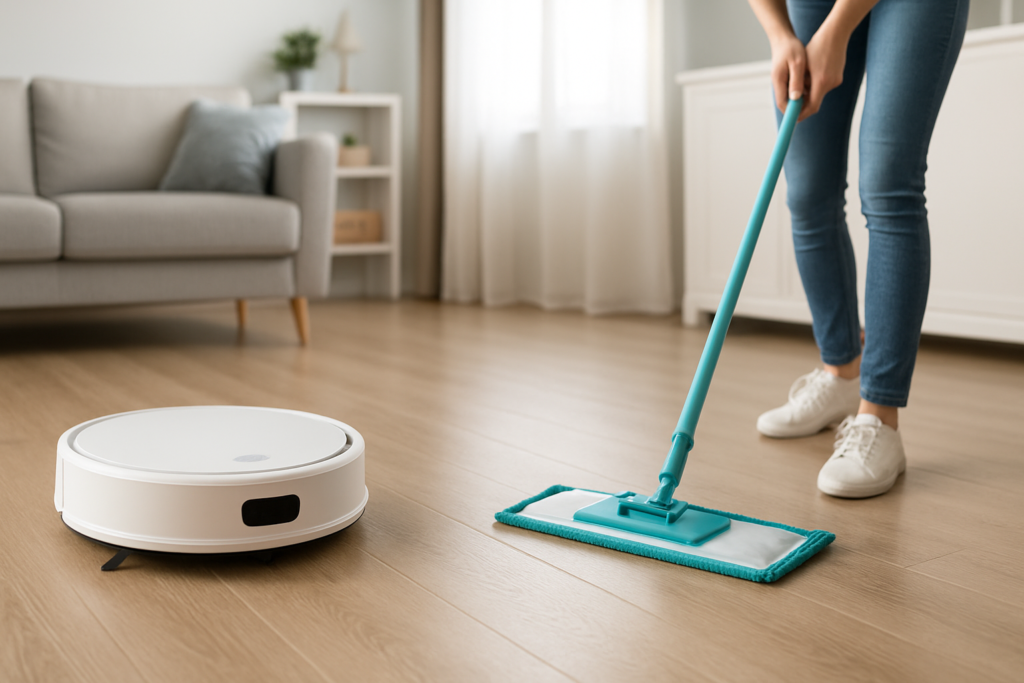
Picture this: you’re dead tired after a long day, but your kitchen floor looks like a crime scene from dinner prep. You could grab the mop and bucket, or press a button and let a robot handle the dirty work. Robot mops have exploded in popularity, promising to free us from one of cleaning’s most tedious chores.
But do these automated cleaners actually deliver, or are you better off sticking with the traditional mop? After testing several models and comparing them head-to-head with manual mopping, I’ll break down what these machines can and can’t do, helping you decide if automated floor cleaning makes sense for your home.
How Robot Mops Actually Work
Robot mops navigate your floors using sensors, cameras, or laser mapping technology. Most models spray water or cleaning solution onto the floor, then use rotating pads or cloths to scrub and absorb dirt. Higher-end units like the Roborock S8 MaxV combine vacuuming and mopping in one pass.
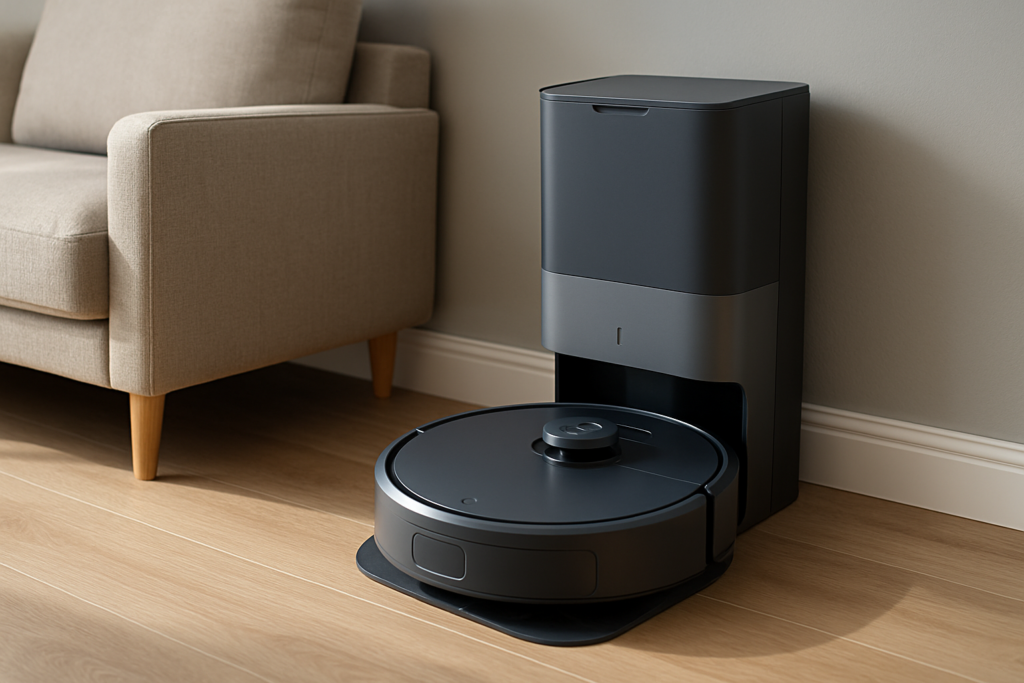
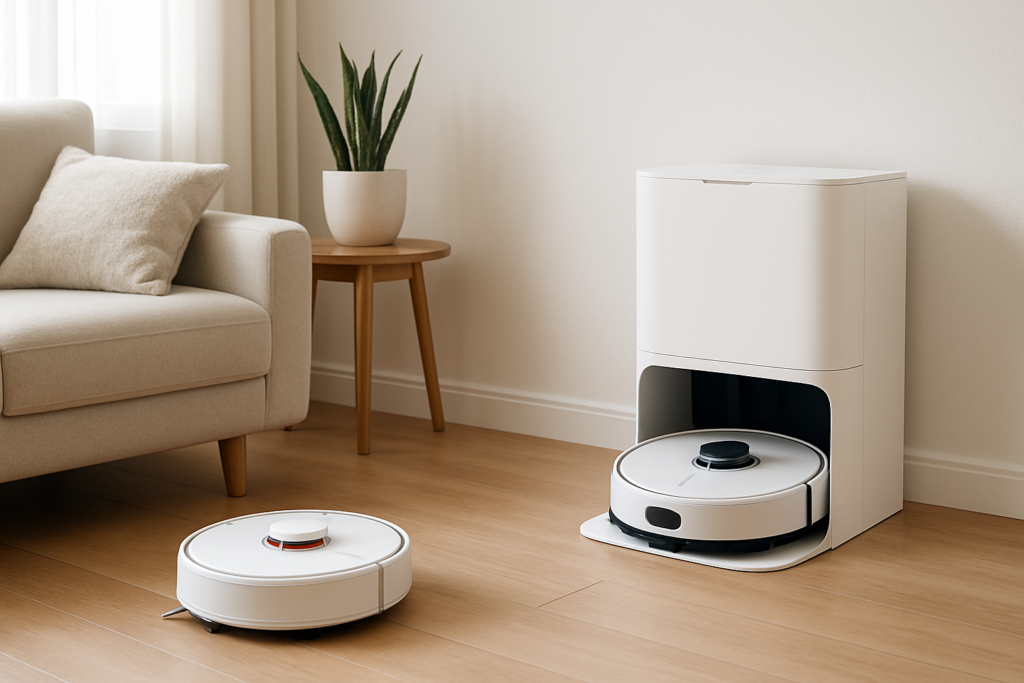
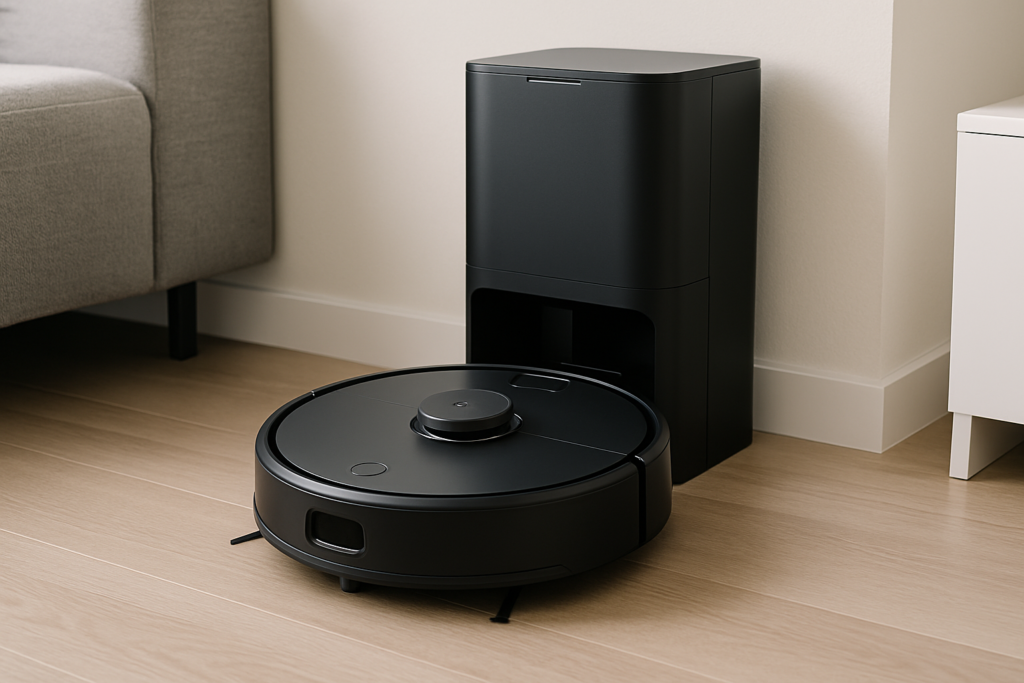
The process varies by model. Basic units like the iRobot Braava series follow simple cleaning patterns and rely on disposable or washable pads. Premium models create detailed floor maps, avoid carpets automatically, and return to base stations for pad cleaning and water refills.
iRobot Braava Jet m6
Smart mapping and precision jet spray make this ideal for kitchens and bathrooms
Most robot mops handle light to moderate dirt well. They excel at picking up dust, pet hair, and everyday spills on hard floors. However, they struggle with sticky messes, dried-on food, and heavily soiled areas that need aggressive scrubbing.
Cleaning Performance: The Reality Check
Robot mops clean differently than humans do. While you might focus extra attention on problem spots, robots follow programmed patterns regardless of soil level. This leads to mixed results depending on your floor type and cleaning needs.
For daily maintenance cleaning, robot mops perform admirably. They maintain consistently clean floors with minimal effort from you. Light dust, surface dirt, and minor spills disappear during regular cleaning cycles. Your floors stay presentable between deep cleaning sessions.
But when it comes to tough stains or ground-in dirt, manual mopping wins every time. You can apply pressure, use specialized cleaners, and target problem areas. A robot mop might pass over a sticky spot multiple times without removing it completely.
Edge cleaning presents another challenge. Most robot mops can’t reach tight corners or clean right up to baseboards like a manual mop can. You’ll still need to hand-clean these areas periodically.
Convenience vs Control
The biggest advantage of robot mops is obvious: you don’t have to do the work. Set a schedule and return home to clean floors. This convenience factor can’t be overstated, especially for busy households or people with mobility issues.
Modern models integrate with smartphone apps, letting you start cleaning remotely or customize cleaning patterns for different rooms. Some units even empty their own dirty water and refill clean water, extending hands-off operation for days or weeks.
Narwal Freo X Ultra
Self-washing mop pads and automatic water management deliver truly hands-free cleaning
Manual mopping gives you complete control over the cleaning process. You decide how much pressure to apply, which areas need extra attention, and what cleaning products to use. This flexibility matters when dealing with specific stains or delicate floor surfaces.
Time investment varies significantly. Robot mops take longer to clean the same area but require zero active involvement. Manual mopping is faster when you’re doing the work but demands your full attention and physical effort.
Maintenance and Running Costs
Robot mops require regular maintenance to function properly. You’ll need to clean or replace mopping pads, refill water tanks, and empty dirty water reservoirs. Basic models need attention after every cleaning cycle, while advanced units can operate autonomously for longer periods.
Replacement parts add ongoing costs. Mopping pads wear out, filters need changing, and cleaning solutions run empty. Budget for these consumables when calculating the true cost of ownership.
Traditional mopping has lower ongoing costs but higher labor requirements. A quality mop and bucket last for years, and cleaning solutions are typically less expensive than specialized robot mop products.
Which Floors Benefit Most
Robot mops work best on smooth, hard surfaces like tile, luxury vinyl, and sealed hardwood. These floors allow the cleaning pads to make consistent contact and don’t trap dirt in grooves or texture.
Heavily textured tiles, natural stone, and unsealed wood present challenges. Robot mops may not clean deep into grout lines or textured surfaces effectively. They also risk damaging unsealed wood with excess moisture.
Floor layout matters too. Open floor plans with minimal furniture work well for robot navigation. Cluttered rooms with lots of obstacles limit effectiveness and may require manual pre-cleaning to clear pathways.
Roborock S8 MaxV Ultra
Advanced obstacle avoidance and powerful suction make this the top choice for homes with pets and complex layouts
Making the Right Choice
Robot mops make sense if you value convenience over perfect results and have suitable floors for automated cleaning. They excel at maintaining baseline cleanliness with minimal effort, making them ideal for busy households or daily maintenance cleaning.
Stick with manual mopping if you need maximum cleaning power, have heavily textured floors, or prefer complete control over the cleaning process. You’ll also save money upfront and avoid ongoing maintenance requirements.
Many households find success with a hybrid approach. Use a robot mop for daily maintenance and manual mopping for weekly deep cleaning or spot treatment of tough stains. This combination maximizes convenience while ensuring thorough cleanliness when needed.
Consider your specific situation: floor types, soil levels, available time, and budget constraints. Robot mops aren’t magic, but they can significantly reduce your cleaning workload when used appropriately.
Frequently Asked Questions
Can robot mops clean multiple rooms automatically?
Most modern robot mops with mapping technology can clean multiple rooms in one cycle. They create floor maps and navigate between spaces, avoiding carpets and returning to charge as needed. You can usually customize which rooms to clean and in what order through smartphone apps.
How often do robot mop pads need replacement?
Disposable pads typically last for one cleaning session, while washable pads can be used 20-50 times depending on soil levels and pad quality. Washable pads generally provide better value but require regular laundering. Replace washable pads when they no longer clean effectively or start to smell.
Will a robot mop damage my hardwood floors?
Robot mops are generally safe for sealed hardwood floors when used properly. However, they can damage unsealed wood, waxed floors, or floors with existing damage. Always check your floor manufacturer’s recommendations and test in an inconspicuous area first. Avoid using excessive water settings on any wood flooring.
This article contains affiliate links. We may earn a small commission at no extra cost to you.