Walking into your bathroom and noticing your once-pristine white grout has turned an unsightly gray or yellow can be incredibly frustrating. Over time, grout naturally absorbs stains, dirt, and moisture, transforming from its original color into something that makes your entire tile installation look dated and dirty.
The good news is that you don’t have to live with discolored grout forever. Whether your grout has gradually darkened over years of use or suddenly changed color after a cleaning mishap, there are several proven methods to restore its original appearance. Each approach varies significantly in terms of cost, difficulty, and longevity.
Let’s explore four effective ways to bring your grout back to life, from simple cleaning solutions to complete replacement options.
Method 1: Deep Cleaning with Specialized Products
Before investing in grout colorants or considering replacement, start with a thorough deep cleaning. Many homeowners are surprised to discover that what they thought was permanent discoloration is actually just deeply embedded dirt and stains.
The Deep Cleaning Process
Begin by mixing oxygen bleach powder with warm water according to package directions. Unlike chlorine bleach, oxygen bleach won’t damage colored grout and is gentler on your tile surfaces. Apply the solution generously to all grout lines and let it sit for 15-20 minutes.
Use a stiff-bristled brush or an old toothbrush to scrub the grout lines vigorously. Work in small sections to prevent the cleaning solution from drying out. For stubborn stains, create a paste using baking soda and hydrogen peroxide, apply it to problem areas, and let it work for 30 minutes before scrubbing.
OxiClean Versatile Stain Remover Powder
This oxygen bleach powder works exceptionally well on grout without the harshness of chlorine bleach
Steam cleaning represents another powerful deep cleaning option. Rent or purchase a steam cleaner specifically designed for grout, as the high-temperature steam can penetrate deep into porous grout surfaces and lift out embedded stains that regular scrubbing can’t reach.
Durability and Expectations
Deep cleaning results typically last 6-12 months in high-traffic areas like showers and kitchen backsplashes. In less frequently used spaces, you might maintain the clean appearance for up to two years. The key factor is moisture exposure and daily wear.
This method works best when grout discoloration is primarily surface-level. If your grout has been stained for years or the color change goes deep into the material, cleaning alone may not achieve the dramatic results you’re seeking.
Cost and Difficulty Assessment
Deep cleaning ranks as the most budget-friendly option, requiring only cleaning supplies and your time. The physical effort involved is moderate to high, especially for large areas, but the technique is simple enough for any homeowner to master.
Method 2: Grout Pens for Quick Touch-Ups
Grout pens offer a convenient middle-ground solution for homeowners who want better results than cleaning alone but aren’t ready for a major grout project. These marker-style applicators contain pigmented sealers that can cover minor discoloration and provide a fresh appearance.
Application Technique
Start by cleaning the grout thoroughly and allowing it to dry completely. Any remaining dirt or soap residue will prevent proper adhesion of the grout pen coating. Choose a pen color that matches your original grout as closely as possible.
Apply the grout pen in smooth, even strokes along the grout lines. Work in manageable sections and maintain a wet edge to avoid overlap marks. Most quality grout pens require two coats for optimal coverage, with a drying time of 2-4 hours between applications.
Grout-Aide Marker
This highly-rated grout pen provides excellent coverage and comes in multiple colors to match different grout types
Pay special attention to corners and intersections where three grout lines meet. These areas often require extra product and careful application to achieve uniform color coverage.
Longevity and Performance
Grout pen results generally last 1-3 years, depending on the location and quality of the product used. Vertical surfaces like wall tiles tend to maintain their appearance longer than horizontal surfaces that experience foot traffic or frequent cleaning.
The coating can wear away gradually, particularly in high-moisture environments. Harsh cleaning products or abrasive scrubbing can also reduce the lifespan of grout pen applications.
Limitations to Consider
Grout pens work best on narrow grout lines (1/8 inch or less) and light-colored grout. Wide grout lines can be challenging to coat evenly, and dark grout may require multiple coats or might not achieve the desired color match.
This method also works better as a maintenance solution rather than a fix for severely discolored or damaged grout. Cracked or crumbling grout needs repair before applying any pen treatment.
Method 3: Professional-Grade Grout Colorant
Grout colorant systems represent a significant step up from grout pens in terms of durability and color options. These two-part epoxy systems can completely change your grout color while providing a protective seal that resists stains and moisture.
Preparation and Application
Proper preparation is critical for colorant success. Remove all old sealer, soap scum, and loose grout material. Use a grout cleaning product specifically designed to strip existing sealers, as colorant won’t adhere properly over sealed surfaces.
Mix the colorant components according to manufacturer instructions. Working time is usually limited to 20-30 minutes once mixed, so tackle small areas systematically. Apply the colorant with a small brush or foam applicator, working it into the grout lines thoroughly.
Remove excess colorant from tile surfaces immediately using a damp cloth. Once the colorant begins to cure, it becomes much more difficult to clean off tiles without damaging the finish.
Aqua Mix Grout Colorant
This professional-grade colorant provides excellent durability and comes in numerous color options for any project
Durability and Protection Benefits
Quality grout colorants can last 10-15 years when properly applied and maintained. The epoxy coating creates a non-porous surface that resists water penetration, mold growth, and staining much better than traditional grout.
This enhanced protection makes colorant particularly valuable in shower areas and other high-moisture locations where grout problems typically develop first.
Cost vs. Value Analysis
Grout colorant costs more upfront than pens but provides better long-term value due to its extended lifespan. A typical bathroom project requires 2-3 bottles of colorant, making it more expensive than cleaning or pen methods but significantly less than complete re-grouting.
The application process requires more skill and patience than previous methods, but most detail-oriented homeowners can achieve professional-looking results with careful technique.
Method 4: Complete Re-grouting
Complete grout removal and replacement represents the most permanent solution for severely discolored, damaged, or outdated grout. While this method requires the most time and effort, it also provides the longest-lasting results and allows you to choose any grout color you prefer.
The Re-grouting Process
Remove existing grout using a manual grout removal tool or oscillating multi-tool with a grout removal blade. Remove at least two-thirds of the grout depth to ensure proper bonding of new material. Vacuum out all loose debris and clean the joints thoroughly.
Select a high-quality grout appropriate for your installation. Sanded grout works best for joints wider than 1/8 inch, while unsanded grout is ideal for narrower joints and natural stone installations.
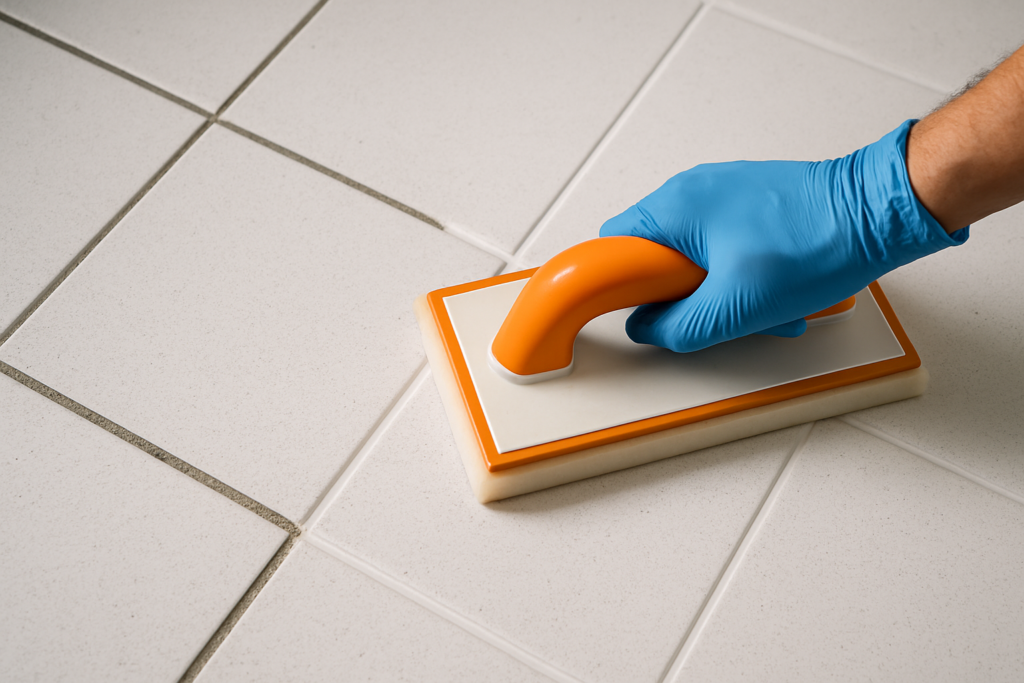
Mix grout according to package directions and apply using a diagonal sweeping motion with a rubber float. Remove excess grout from tile surfaces before it hardens, then clean the installation with a damp sponge once the grout begins to firm up.
Long-term Performance
Properly installed new grout can maintain its appearance for 15-20 years or more with appropriate maintenance. Modern grout formulations include stain-resistant additives that help maintain color consistency over time.
Sealing new grout after it cures completely (typically 72 hours) extends its lifespan and makes future cleaning easier. Reapply sealer every 1-2 years for optimal protection.
Investment and Complexity
Re-grouting requires the highest initial investment in both materials and time. Factor in grout removal tools, new grout, sealer, and potentially tile replacement if any tiles are damaged during grout removal.
The skill level required is moderate to high, particularly for maintaining consistent grout line width and achieving smooth joint surfaces. Mistakes during installation can affect the entire project’s appearance and longevity.
Choosing the Right Method for Your Situation
Your choice between these four methods should depend on several key factors: the severity of discoloration, your budget, available time, and skill level.
Start with deep cleaning if your grout is less than five years old and the discoloration appears to be primarily surface staining. This approach costs the least and might solve your problem completely.
Consider grout pens for minor touch-ups in low-moisture areas or as a temporary solution while planning a larger renovation. They work particularly well for small bathrooms or powder rooms that don’t see heavy use.
Professional-grade colorant makes sense for moderate discoloration in high-use areas where you want a long-lasting solution without the complexity of re-grouting. This method offers the best balance of durability and effort for most homeowners.
Choose complete re-grouting when grout is cracked, crumbling, or so severely discolored that other methods won’t provide acceptable results. This method also makes sense when changing grout color dramatically or upgrading to higher-performance grout materials.
Maintenance Tips for Long-lasting Results
Regardless of which restoration method you choose, proper maintenance extends the life of your investment. Regular cleaning with pH-neutral cleaners prevents the buildup of soap scum and mineral deposits that contribute to discoloration.
Ensure adequate ventilation in bathrooms and other moisture-prone areas. Use exhaust fans during and after showers, and consider a dehumidifier if your bathroom lacks proper ventilation.
Address spills and stains quickly, especially on unsealed grout surfaces. The longer stains sit, the deeper they penetrate into the porous grout material.
Frequently Asked Questions
How long should I wait between trying different restoration methods?
Allow at least 48-72 hours between methods to ensure surfaces are completely dry and any chemical residues have dissipated. This waiting period prevents incompatibility issues between different products and ensures optimal adhesion for subsequent treatments.
Can I apply grout colorant over existing sealer?
No, grout colorant requires direct contact with unsealed grout for proper bonding. You must remove existing sealer using a specialized stripping product before applying colorant. Failure to remove sealer will result in poor adhesion and premature failure of the colorant coating.
Is it normal for new grout to change color slightly over time?
Yes, minor color variations are normal as grout cures and ages. Cement-based grouts may lighten slightly during the first few weeks after installation. However, dramatic color changes usually indicate moisture problems, inadequate sealing, or contamination during installation.
Which method works best for colored grout that has faded?
Grout colorant typically provides the best results for faded colored grout because it can restore the original color intensity while providing protective benefits. Deep cleaning may help slightly, but grout pens often don’t offer good color matches for non-standard grout colors.
This article contains affiliate links. We may earn a small commission at no extra cost to you.