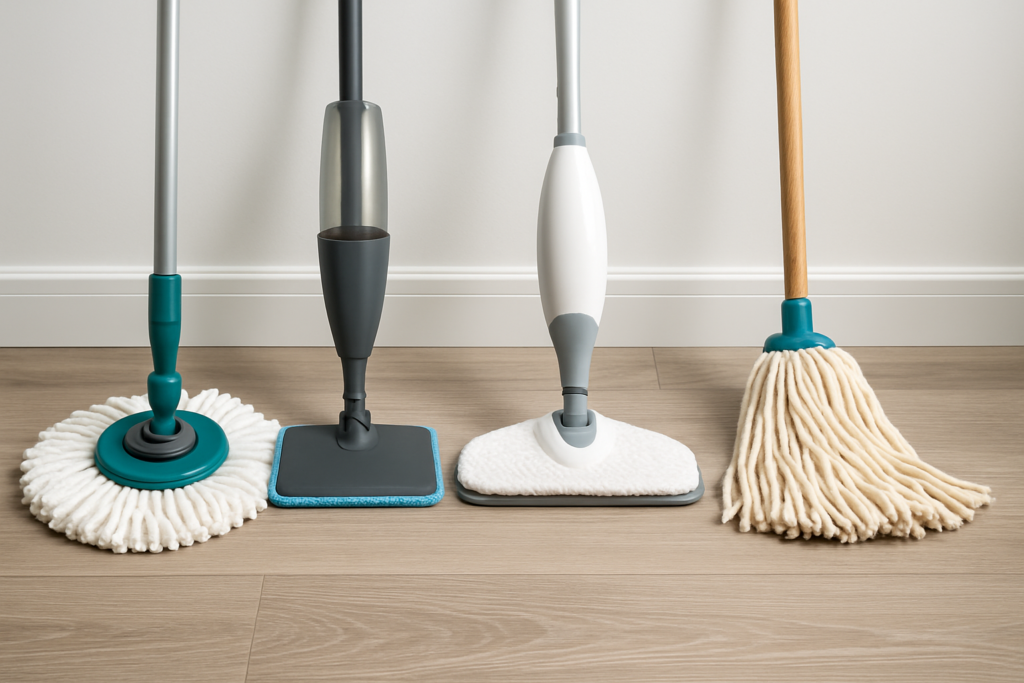
Choosing the right mop shouldn’t feel like decoding a puzzle, but walk into any store and you’ll face a wall of options. Spin mops, spray mops, steam mops, and traditional string mops all promise to make your floors sparkle, but they work in completely different ways.
Each type has its strengths and weaknesses, and the best choice depends on your flooring, budget, and how much time you want to spend cleaning. Let’s break down what makes each mop different so you can pick the one that actually fits your life.
Traditional String and Flat Mops: The Basics Still Work
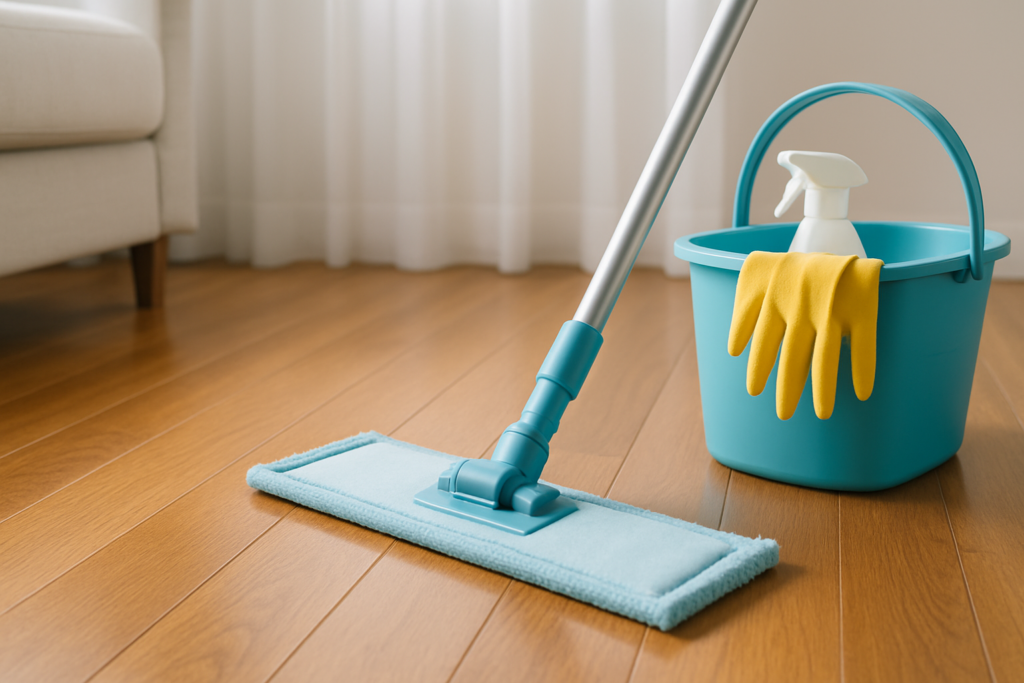
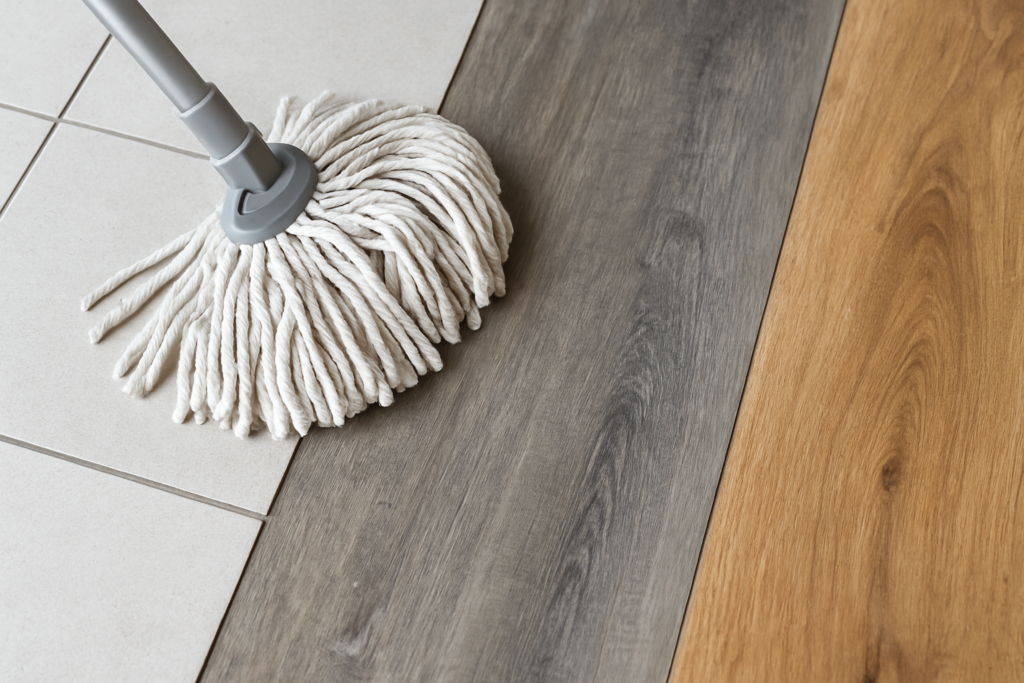
Traditional mops are what most of us grew up with. String mops use cotton or synthetic strands that absorb water and cleaning solution, while flat mops have replaceable microfiber pads that glide across your floor.
String mops are incredibly cheap and handle heavy-duty messes well, but they’re also gross. You’re essentially spreading dirty water around unless you change the bucket water constantly. Flat mops with microfiber pads are a huge improvement because you can toss the pads in the washer after each use.
The biggest advantage here is simplicity. No batteries, no complicated mechanisms. Just a bucket, some cleaner, and elbow grease. A quality microfiber flat mop will last years and costs less than most other options.
But you’re doing all the wringing manually, which means wet hands and more physical effort. For small spaces or quick cleanups, they’re fine. For larger homes, you might want something more efficient.
Spin Mops: Less Mess, More Control
Spin mops changed the game by adding a foot pedal or handle mechanism that wrings out the mop head for you. You dip the mop in the bucket, then spin it to remove excess water without touching anything wet.
The best part about spin mops is control over moisture levels. You can spin it multiple times for nearly dry mopping on hardwood, or leave it damper for tile. The bucket system keeps clean and dirty water more separated than traditional methods.

O-Cedar EasyWring Spin Mop
One of the most popular spin mops with a reliable wringer system and machine-washable head
Most spin mop heads are machine washable, which means you’re not constantly buying refills. The buckets are also designed to minimize splashing, which keeps your floors (and you) cleaner during the mopping process.
The downside is bulk. These systems take up more storage space than a simple flat mop, and the buckets can be awkward to carry when full. You’ll also need to clean the bucket itself regularly to prevent mildew buildup.
Spray Mops: Quick and Convenient
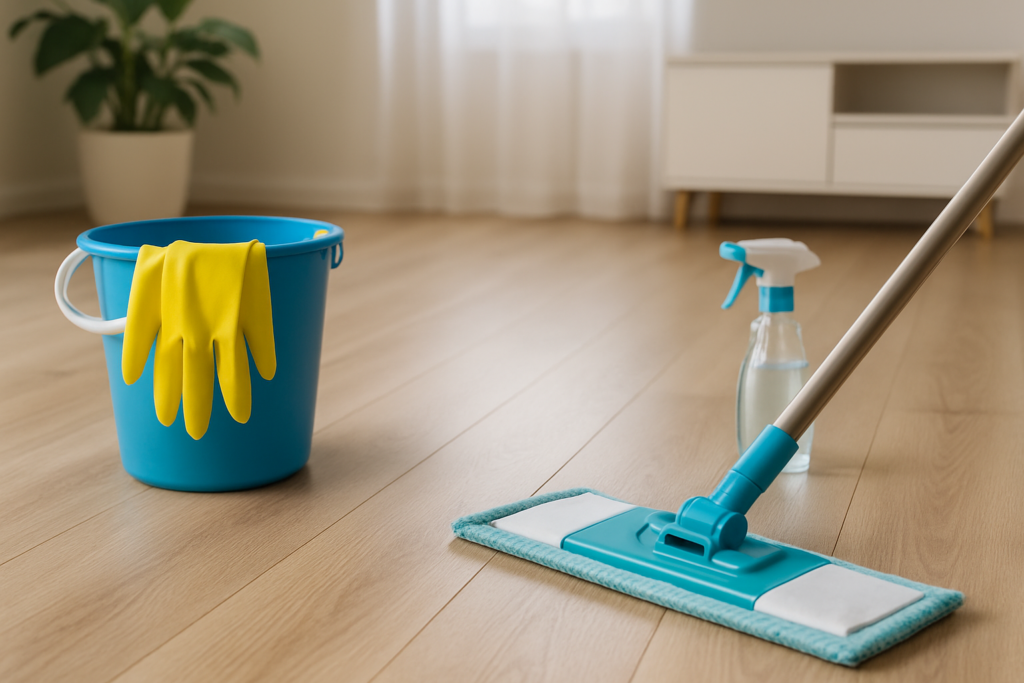
Spray mops eliminate the bucket entirely. You fill a reservoir in the handle with cleaning solution, then spray directly onto the floor as you mop. It’s the fastest setup and cleanup of any mopping method.
These work incredibly well for daily maintenance or spot cleaning. Spilled juice in the kitchen? Grab your spray mop and you’re done in 30 seconds. No hauling out buckets or mixing solutions.
Most spray mops with refillable bottles use reusable microfiber pads, though some brands push you toward disposable pads (which gets expensive). Stick with refillable models and you’ll save money long-term.
The limitation is coverage. That small reservoir doesn’t hold much, so mopping a whole house means refilling multiple times. They also don’t handle serious grime as well as wet mopping with a bucket. Think of spray mops as your between-deep-cleans solution.
Steam Mops: Sanitizing Without Chemicals
Steam mops use heated water to create steam that loosens dirt and kills bacteria. You just fill the tank with regular tap water, plug it in, and wait about 30 seconds for it to heat up.
The major selling point is chemical-free cleaning. Steam alone sanitizes most surfaces, which matters if you have kids crawling on the floor or pets. Steam also cuts through sticky residue better than regular mopping.

Bissell PowerFresh Steam Mop
Reliable steam mop with adjustable steam settings and fragrance discs for fresh-smelling floors
But steam mops aren’t universal. Never use them on unsealed hardwood or laminate because the heat and moisture can warp the boards. They’re perfect for tile, vinyl, and sealed surfaces. Always check your flooring manufacturer’s recommendations first.
You’re also dealing with a corded electric appliance. There’s a warm-up time, you need an outlet, and the cord can be annoying to manage. They’re heavier than other mops and require more storage space.
Which Mop Should You Actually Buy?
For most people, a spin mop offers the best balance of cleaning power and convenience. It handles serious messes, works on all floor types, and doesn’t require electricity or constant refills.
Add a spray mop for daily touch-ups and you’ve got a complete system. Use the spray mop for quick spills and light cleaning, then break out the spin mop for weekly deep cleans.
Steam mops make sense if you have tile or vinyl throughout your home and want to avoid cleaning chemicals. Just make absolutely sure your flooring can handle the heat before you buy one.
Traditional mops still have a place for garage floors, basements, or other areas where you need maximum absorbency and don’t care about finesse. But for regular household cleaning, the newer designs just work better.
Frequently Asked Questions
Can I use a steam mop on hardwood floors?
Only if your hardwood is sealed and the manufacturer specifically approves steam cleaning. Most hardwood floor warranties are voided by steam mops because the heat and moisture can damage the finish or cause warping. When in doubt, stick with a damp (not wet) microfiber mop for hardwood.
How often should I replace mop heads?
Microfiber mop pads last 50 to 100 washes if you care for them properly. Replace them when they stop absorbing water effectively or start to smell even after washing. For spin mops and flat mops, expect to replace heads every 6 to 12 months with regular use. Steam mop pads wear out faster, usually every 3 to 6 months.
This article contains affiliate links. We may earn a small commission at no extra cost to you.