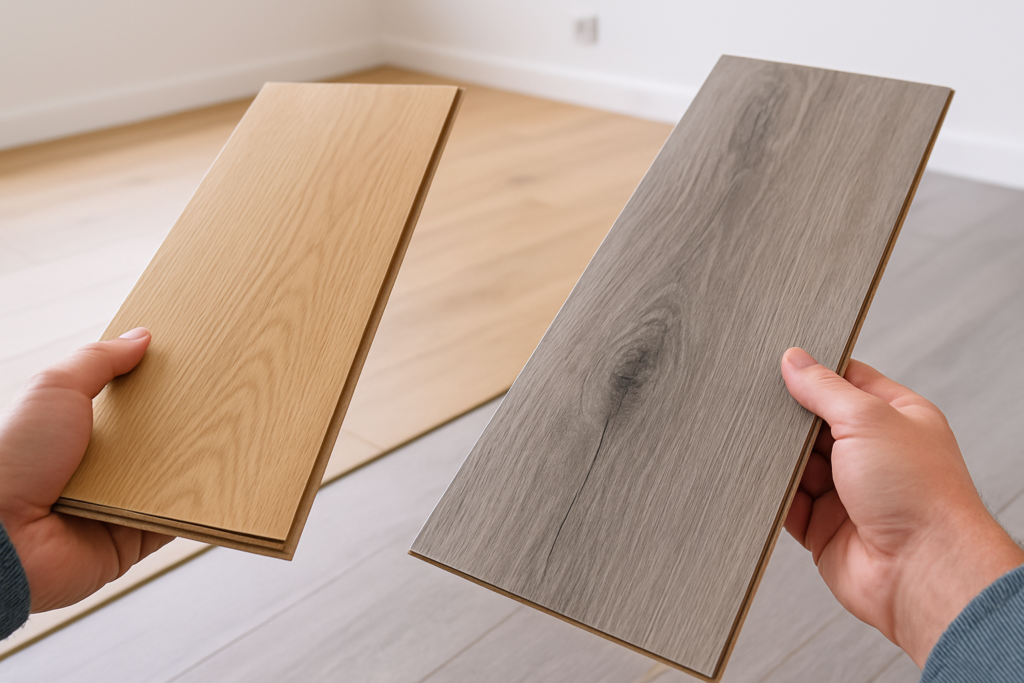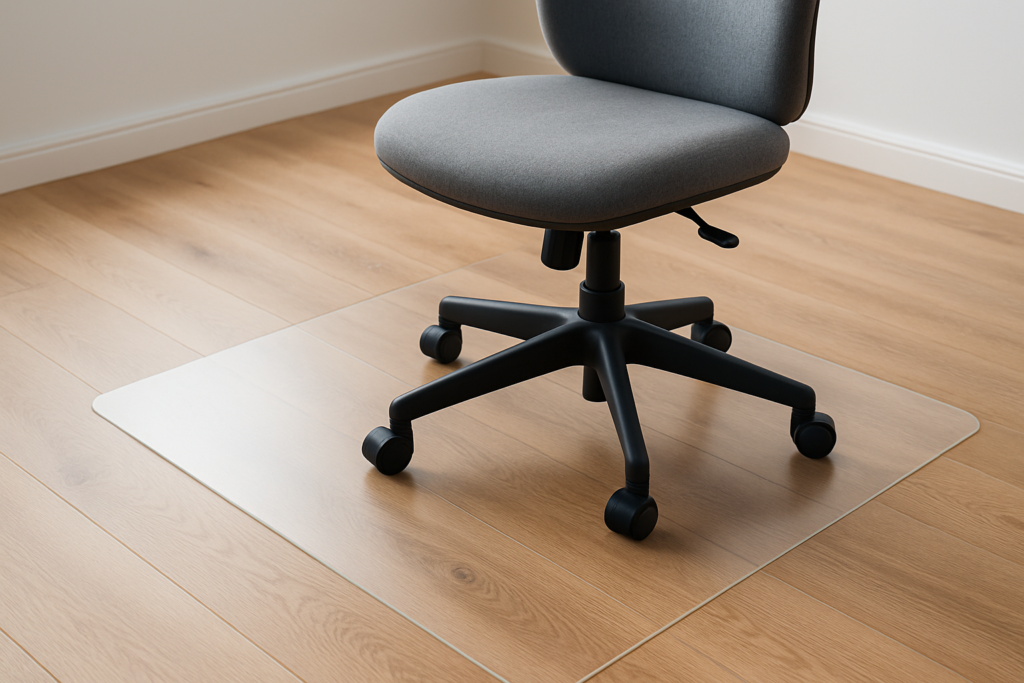
Office chairs are essential for productivity and comfort, but they’re also one of the biggest threats to your flooring. Those small wheels can cause surprising damage over time, from scratches on hardwood to permanent indentations in carpet. Whether you’re setting up a home office or managing a commercial space, protecting your floors should be part of your furniture plan.
The damage isn’t just cosmetic. Deep scratches and dents can reduce your home’s value and lead to expensive repairs down the line. Fortunately, protecting your floors doesn’t require major renovations or giving up your favorite rolling chair. A few strategic investments and simple habits can keep your floors looking new for years.
Understanding How Office Chairs Damage Floors
Rolling chairs create damage through two main mechanisms: concentrated pressure and repeated friction. The small contact area of chair wheels means all your body weight plus the chair’s weight gets concentrated into a few tiny points. When you shift or roll across the floor, those pressure points scrape across the surface.
Hardwood and laminate floors show scratches most visibly. Even one day of use can leave light surface scratches that catch the light. Over months, these accumulate into noticeable wear patterns. Vinyl and linoleum fare slightly better but still suffer from indentations and scuff marks.
Carpet seems more forgiving, but it faces different problems. Chair wheels compress carpet fibers and backing, creating permanent dents that won’t bounce back. The rolling motion also pulls and tears at fibers, causing premature wear in high-traffic paths.
The type of wheels matters too. Hard plastic wheels are the worst offenders on hard floors, acting like tiny sandpaper discs. Older chairs often have these destructive wheels because manufacturers prioritized durability over floor protection.
Chair Mats: Your First Line of Defense
Chair mats remain the most popular floor protection solution, and for good reason. They create a smooth, durable surface between your chair and flooring, distributing weight across a larger area while providing an ideal rolling surface.
For hardwood, laminate, or tile floors, you’ll want a smooth-backed mat without cleats or grips. Polycarbonate chair mats offer better clarity and durability than PVC alternatives. They resist cracking in cold temperatures and maintain their shape better over time.
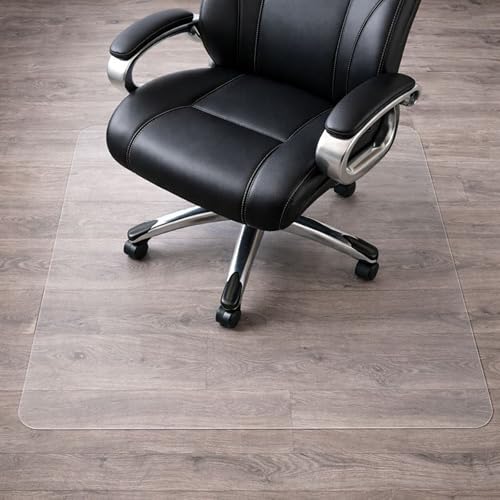
Polycarbonate Chair Mat for Hard Floors
These transparent mats protect hard floors while remaining virtually invisible and resist yellowing better than cheaper alternatives
Size matters more than most people realize. Your mat should extend at least 12 inches beyond your desk in all directions where you roll. Measure your actual movement range by sitting in your chair and rolling to reach everything you need. Add a few extra inches to that measurement.
Carpet protection requires a different approach. Look for mats with cleats or grips on the underside that anchor into carpet fibers. These prevent the mat from sliding around while you work. Carpet chair mats typically come in versions for low-pile (less than 1/4 inch) and medium-pile (up to 3/4 inch) carpets.
Glass chair mats have gained popularity recently, and they’ve earned it. They’re easier to clean, more attractive, and won’t crack or discolor over time. The main drawback is weight, which makes them harder to move if you rearrange your office.
Upgrading Your Chair Wheels
Replacing your chair’s wheels might be the single most effective protection strategy. Modern wheel designs distribute weight better and use softer materials that grip rather than grind across floors.
Rollerblade-style office chair wheels have transformed floor protection. These larger wheels feature soft polyurethane treads similar to inline skate wheels. They roll smoothly over cables and small obstacles while treating your floors gently. Most fit standard chair bases with a simple pull-and-push installation.

Rollerblade Office Chair Wheels
These soft polyurethane wheels provide superior floor protection and smoother rolling than standard hard plastic casters
Check your chair’s stem size before ordering replacement wheels. Most office chairs use 7/16 inch (11mm) stems, but some use 10mm or other sizes. Pull out one existing wheel and measure the stem diameter, or check your chair’s documentation.
For hardwood floors specifically, look for wheels labeled as hardwood-safe or floor-friendly. These feature softer rubber or polyurethane compounds that won’t scratch. The trade-off is they may collect more dust and hair, requiring occasional cleaning.
Locking casters add another layer of protection by preventing unwanted movement. When you’re sitting still, locked wheels eliminate the micro-movements that cause gradual wear. Just remember to unlock them before trying to roll, or you might damage the locking mechanism.
Furniture Pads and Protective Coasters
Not all office furniture rolls. Filing cabinets, bookcases, and stationary desk components also threaten your floors through static pressure and occasional dragging during cleaning or rearranging.
Felt furniture pads work well for lighter items that rarely move. The soft felt creates a buffer between furniture legs and flooring while allowing easy sliding when you do need to shift things around. Replace them annually, as dirt and grit embedded in the felt can become abrasive.
Heavy furniture requires sturdier protection. Rubber or silicone pads prevent slipping and better distribute weight for heavy filing cabinets. For furniture over 100 pounds, consider furniture cups or coasters that spread the load across a wider area.
Adhesive-backed pads stick to furniture legs, which prevents them from falling off during moves. The downside is the adhesive can fail on textured or oily furniture legs. Non-adhesive pads stay in place through friction and weight, making them reusable but more likely to shift.
Installation Tips for Maximum Protection
Clean both the furniture leg and floor surface before applying any pad. Dirt trapped under a pad acts like sandpaper. For adhesive pads, let them set for 24 hours before moving the furniture to ensure a strong bond.
Replace pads when they become compressed, dirty, or damaged. A worn-out pad provides little protection and may actually trap debris against your floor.
Preventive Habits and Maintenance
Even with the best protective equipment, your daily habits significantly impact floor longevity. Simple behavior changes can multiply the effectiveness of physical protections.
Keep floors clean under and around your workspace. Sand, dirt, and debris act as abrasives when ground between wheels and flooring. Vacuum or sweep your office area at least twice weekly, and wipe down hard floors with a damp microfiber cloth to catch fine particles.
Avoid sudden direction changes while seated in your chair. Quick pivots and sharp turns concentrate force on individual wheels, increasing scratch risk. Roll smoothly and deliberately instead.
Lift your chair slightly when making major position adjustments rather than dragging it across the floor. This takes minimal effort but prevents the heavy grinding that causes the deepest scratches.
Use furniture sliders when rearranging office furniture. These temporary pads slip under furniture legs or corners, letting you slide heavy pieces without floor contact. They’re especially valuable for annual deep cleaning or office reorganization.
Floor-Specific Protection Strategies
Different flooring materials need tailored approaches for maximum protection.
Hardwood Floor Protection
Hardwood shows damage most readily but also repairs most easily. Keep your floor’s finish in good condition, as the protective coating takes most of the abuse. Refinishing every 7-10 years maintains that protective layer.
Area rugs under your desk provide an attractive alternative to clear chair mats. Choose low-pile rugs that won’t interfere with chair rolling. A 5×7 foot rug typically covers adequate workspace for most desks.
Monitor humidity levels in rooms with hardwood floors. Wood expands and contracts with moisture changes, making it more susceptible to denting when swollen. Maintain 30-50% relative humidity year-round.
Laminate and Vinyl Flooring
These engineered floors resist scratches better than hardwood but dent more easily. Once dented, they’re nearly impossible to repair without replacing entire planks. Prevention is critical.
Chair mats work particularly well on laminate and vinyl. The smooth, hard surface pairs perfectly with mat materials, and you won’t worry about the aesthetic impact since these floors already have a modern, practical look.
Carpet Protection
Carpet faces compression rather than scratching. Dense, low-pile commercial carpet holds up better under office chairs than plush residential carpet. Consider this during initial installation if you’re building or renovating an office space.
Carpet chair mats prevent compression damage, but they’re not ideal for all situations. In low-traffic home offices, rotating your chair position every few months can prevent permanent dents. Move your desk setup by just 6-12 inches periodically to redistribute wear.
When to Replace Protection Products
Even quality floor protection wears out eventually. Knowing when to replace these items prevents them from becoming the source of damage rather than the solution.
Chair mats typically last 3-5 years with normal use. Replace them when you notice cracks, significant discoloration, or permanent warping. A cracked mat creates sharp edges that can actually damage floors worse than the chair wheels alone.
Replacement wheels should roll smoothly and quietly. Grinding, clicking, or wobbling indicates worn bearings or damaged wheel surfaces. Inspect wheels every six months and replace any that show flat spots or chunks missing from the tread.
Furniture pads compress and accumulate dirt over time. Replace felt pads annually, or sooner if they appear matted or dirty. Rubber and silicone pads last longer but should be checked twice yearly for deterioration.
Frequently Asked Questions
Do I really need a chair mat if I have rollerblade-style wheels?
Rollerblade wheels significantly reduce floor damage compared to standard hard plastic wheels, but they don’t eliminate it entirely. For maximum protection, especially on expensive hardwood or in rental properties where you’re responsible for damage, combining quality wheels with a chair mat provides the best insurance. That said, on durable flooring like quality laminate or in low-traffic home offices, rollerblade wheels alone often provide sufficient protection.
Can I use the same chair mat for both carpet and hard floors?
No, you need different mats for each surface type. Carpet mats have cleats or grips on the bottom that anchor into carpet fibers. Using a carpet mat on hard floors will scratch the surface with those same cleats. Hard floor mats have smooth backs and will slide around dangerously on carpet. Always match your mat to your specific flooring type.
How do I prevent my chair mat from sliding around on hardwood?
High-quality mats designed for hard floors rarely slide due to their weight and smooth contact with the floor. If sliding occurs, the mat may be too small for your movement range, causing you to push against its edges. Try a larger mat first. Non-slip rug pads can be trimmed to fit under problematic mats, though this adds thickness that may create a tripping hazard. Some users apply small pieces of double-sided carpet tape at the mat’s corners, but this can damage floor finishes when removed.
Will furniture pads work on uneven or textured flooring?
Felt pads conform to minor texture variations and work well on most surfaces. For heavily textured tile or stone floors, rubber pads provide better contact and stability. The key is ensuring the pad makes full contact with the floor surface. On very uneven floors, larger furniture coasters or cups that bridge multiple texture variations work better than small stick-on pads. Test a few pad types in an inconspicuous area before committing to your entire office setup.
This article contains affiliate links. We may earn a small commission at no extra cost to you.