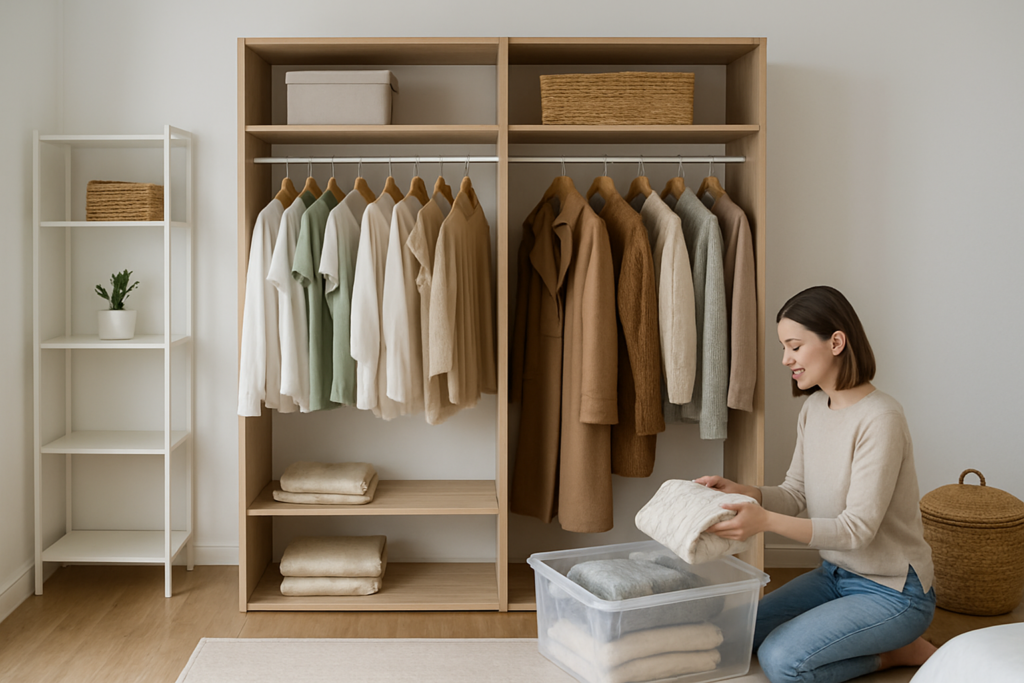
Twice a year, you face the same problem. Winter clothes pile up when spring arrives, and summer dresses overflow your drawers when the temperature drops. You know you need to swap your seasonal wardrobe, but the thought of creating chaos in your bedroom makes you want to ignore those bulky sweaters taking up prime real estate in July.
A solid seasonal closet rotation system doesn’t just free up space. It protects your clothes, makes getting dressed easier, and actually helps you see what you own instead of forgetting about that perfect sweater buried in the back corner.
Why Most Closet Swaps Create More Problems Than They Solve
You’ve probably tried swapping your wardrobe before. You pulled everything out of your closet, created mountains of clothes on your bed, got overwhelmed, and shoved half of it back wherever it would fit. Three hours later, your room looked like a clothing bomb exploded.
The mistake most people make is treating the swap like a one-time event instead of a repeatable process. Without a clear system, you waste time making the same decisions every season and never quite remember where you put things last time.
A good rotation system works because it’s the same every time. You follow the same steps, use the same storage locations, and label everything the same way. Six months from now, you won’t be searching for your winter scarves because you’ll know exactly where they are.
Set Up Your Storage Zones Before You Start
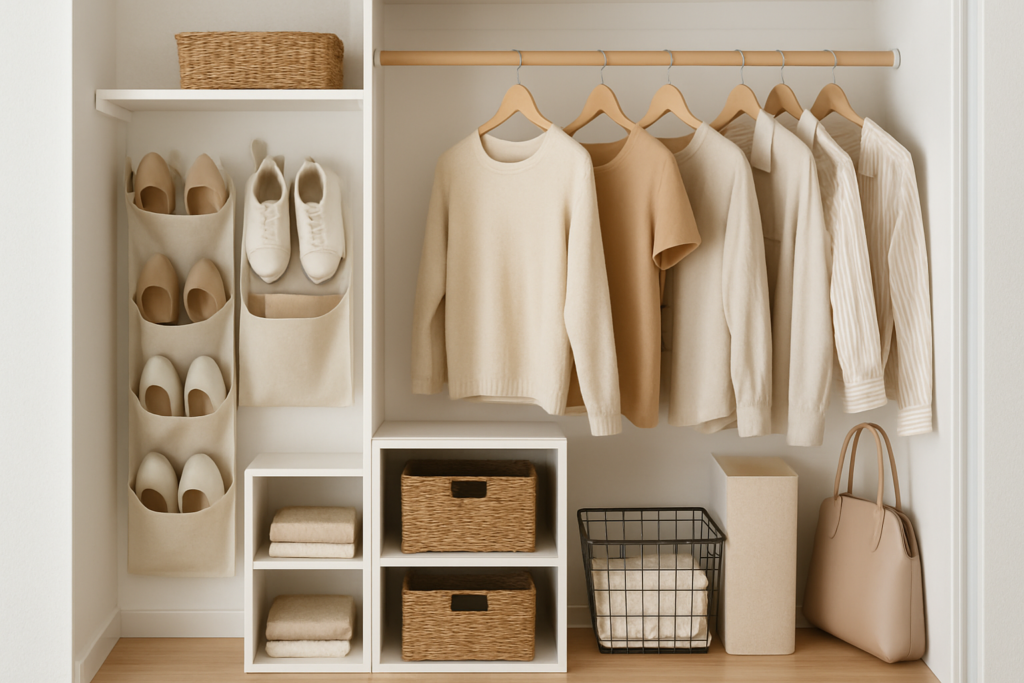
Before you touch a single hanger, decide where your off-season clothes will live. You need three types of storage zones: everyday access, seasonal rotation, and long-term archive.
Your everyday zone is your main closet and dresser. This is where current-season clothes go. Keep it limited to what you actually wear right now, not what you might wear if the weather does something weird.
Your seasonal rotation zone holds clothes for the opposite season. This might be under-bed storage, a hall closet, or the top shelf of your bedroom closet. The key is that it’s accessible but out of your daily way. You can reach it without moving furniture, but you’re not looking at it every morning.

Under Bed Storage Bags with Vacuum Seal
These maximize space while protecting clothes from dust, moisture, and pests during off-season storage
Your archive zone is for special occasion items, clothes you’re saving for sentimental reasons, or pieces you wear once every few years. This can be a basement storage area, garage shelving, or the back of a guest room closet.
Write down your zones. Seriously, grab a piece of paper or your phone and note where each zone is located. When you’re rotating clothes at 9 PM on a Sunday night, you’ll thank yourself for not having to remember where you decided to put things.
The Four-Step Rotation Process That Actually Works
Step one is always the same: bring your off-season storage to your bedroom. Don’t try to swap clothes in hallways or closets. You need floor space to sort and make decisions.
Pull out all your stored seasonal items at once. Open every bin, bag, and box. This sounds counterintuitive if you’re trying to avoid clutter, but partial swaps create confusion. You end up with winter sweaters in three different locations because you didn’t finish the job.
Step two is the quality check. As you pull out each item, ask yourself three questions: Did I wear this last season? Does it still fit? Is it in good condition? Be honest. If you didn’t wear those wool pants once last winter, you won’t wear them this year either.
Create a donation bag right next to you. The moment you realize something doesn’t make the cut, put it in the bag immediately. Don’t create a “maybe” pile. Maybe piles turn into clutter that lives in your closet for another six months.
Step three is swapping the keepers. Take your current-season clothes out of your everyday zone and pack them into your storage containers. At the same time, hang up or fold the incoming seasonal items you’re keeping.
This simultaneous swap keeps the chaos contained. You’re not emptying your entire closet and then refilling it. You’re trading one sweater for one t-shirt, one coat for one light jacket.
Step four is labeling and dating your storage. Every container gets a label with the season and year. Write “Winter 2024” or “Summer 2024” on each bin. This sounds excessive until you’re staring at three identical storage containers wondering which one has your fleece jackets.
Smart Storage Solutions for Different Clothing Types
Not all clothes can go into the same type of storage. Delicate knits need different treatment than denim jackets, and your storage method affects how wearable your clothes are when you pull them out next season.
For bulky items like winter coats, down jackets, and thick sweaters, vacuum storage bags save incredible amounts of space. They compress items to about one-third their normal size, making them perfect for under-bed storage or high closet shelves.
One warning about vacuum bags: don’t use them for delicate knits or anything with special textures. The compression can damage fibers over time. Stick to using them for durable items like jeans, sweatshirts, and synthetic-fill jackets.

Clear Plastic Storage Bins with Lids
Being able to see what’s inside without opening every container saves time and prevents storage chaos
For everything else, clear plastic bins beat cardboard boxes every time. You can see what’s inside, they stack securely, and they protect against moisture and pests. Get the same size bins for all your seasonal storage so they stack neatly and fit consistently in your storage zones.
Dressy clothes and anything prone to wrinkles should stay on hangers. Use breathable garment bags to protect them from dust. Never use plastic dry cleaning bags for long-term storage because they trap moisture and can cause yellowing.
Small accessories like scarves, gloves, and hats work well in fabric drawer organizers inside your storage bins. Keep all winter accessories together in one organizer so you’re not hunting for matching gloves when the first cold snap hits.
Maintaining Your System Throughout the Season
The rotation system only works if you maintain it between swaps. This doesn’t mean constant organizing, but it does mean following a few simple rules.
Rule one: nothing goes into seasonal storage dirty. Wash or dry clean everything before packing it away. Stains set over time, and stored food particles attract pests. Spend the extra hour doing laundry now instead of discovering ruined clothes in six months.
Rule two: if you pull out an off-season item mid-season because of weird weather, put it back in storage when you’re done with it. Don’t let it migrate into your everyday closet. This is how your system breaks down and you end up with mixed seasons everywhere.
Add a sachet of cedar blocks or lavender to each storage container. They naturally repel moths and other insects while keeping clothes smelling fresh. Replace them once a year for continued effectiveness.
Keep a running list on your phone of items you need for next season. When you’re packing away summer clothes and realize you need new sandals, note it immediately. Six months from now, you’ll have a ready-made shopping list instead of scrambling to build a wardrobe from scratch.
Dealing with Transitional Weather Wardrobes
Spring and fall create special challenges because the weather can’t make up its mind. You need sandals one day and boots the next. The solution isn’t keeping everything accessible forever.
Create a small transitional capsule that stays in your everyday closet year-round. This includes lightweight layers, a denim jacket, one pair of ankle boots, and a medium-weight cardigan. These pieces work across multiple seasons and give you flexibility without cluttering your main space.
Keep your most recent off-season storage accessible during transition months. In October, your summer bins should still be easy to reach because you might need shorts for an unexpectedly warm week. By December, move them to deeper storage and bring winter items forward.
Some people do mini-swaps during transitional seasons, moving just a few key pieces in and out. This works if you live somewhere with unpredictable weather. Instead of a complete twice-yearly rotation, you do four smaller adjustments that take 30 minutes each.
Common Mistakes That Sabotage Your System
The biggest mistake is buying new storage containers every season. You see a different organizational product, think it will solve all your problems, and end up with a hodgepodge of mismatched bins that don’t stack properly. Pick one storage system and stick with it for years.
Another error is over-storing. Your storage space shouldn’t be packed so tightly that you need to remove three bins to access the one you want. Leave some breathing room. If your storage zones are maxed out, you own too many clothes for your space.
Don’t skip the pre-storage quality check because you’re tired or rushed. Storing damaged or unworn items just delays the inevitable decision to get rid of them. Deal with it now while the item is in your hands.
Avoid the trap of “just in case” storage. You don’t need to keep clothes for every possible weather scenario or weight fluctuation. Keep what fits you now and what you actually wore last season. Everything else is taking up space that could be used more effectively.
Frequently Asked Questions
How often should I actually rotate my wardrobe?
Most people do well with two major rotations per year, typically in late April or early May for the summer swap and late October or early November for winter. The exact timing depends on your climate. Do your swap when you notice you’re consistently reaching for off-season items because the weather has changed for good.
What temperature should I store my off-season clothes at?
Store clothes in a cool, dry place with stable temperatures between 60-75°F. Avoid attics, which get too hot in summer, and unheated basements or garages in cold climates, which can develop moisture problems. A bedroom closet, under the bed, or a climate-controlled storage area works well.
Should I fold or hang off-season clothes?
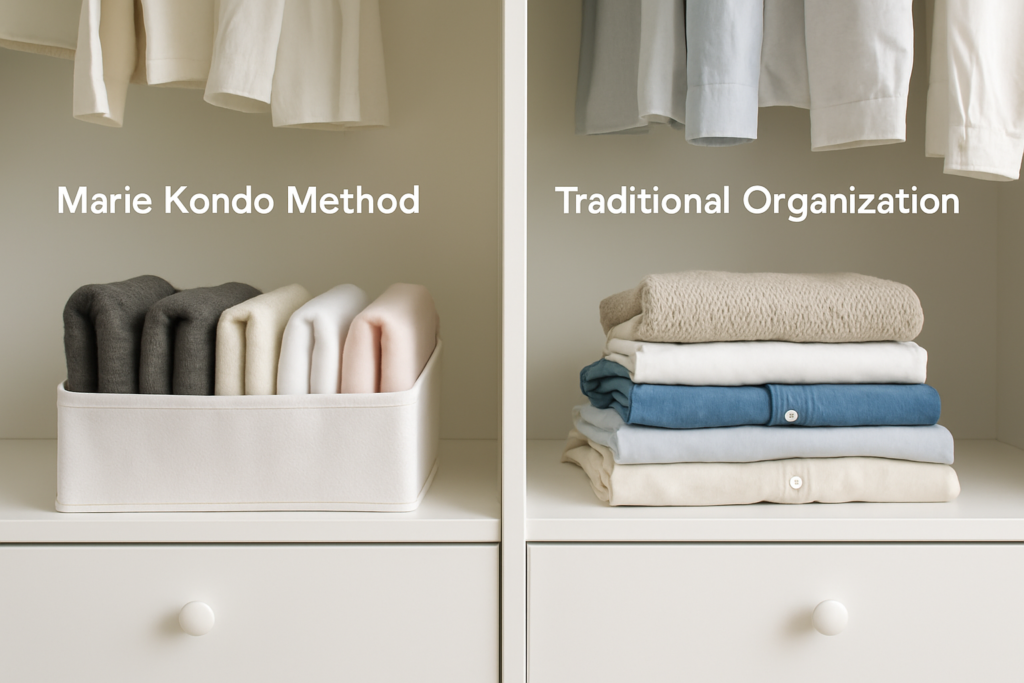
Fold most items for off-season storage to save space and prevent hanger marks. The exceptions are structured jackets, coats, dresses, and anything that wrinkles easily. These should stay on hangers in garment bags. Knits always get folded, never hung, to prevent stretching.
How do I prevent my stored clothes from smelling musty?
Make sure everything is completely dry before storage. Even slightly damp items will develop mildew. Use breathable storage containers or bags, not airtight plastic that traps moisture. Add natural fresheners like cedar or lavender, and store clothes in a well-ventilated area. Open storage containers once or twice during the off-season to air things out if you’re concerned about odors.
This article contains affiliate links. We may earn a small commission at no extra cost to you.