Your marble floors looked stunning when first installed, but now you notice dull spots where someone spilled lemon juice. Your granite countertops have mysterious stains that won’t budge. Your travertine bathroom floor feels rough and gritty despite regular cleaning. Sound familiar?
Natural stone floors require specialized care that differs dramatically from ceramic tile or hardwood. Use the wrong product just once, and you might permanently damage stone that costs thousands to replace. The good news is that proper stone care isn’t complicated once you understand the basics.
Understanding Natural Stone: Why Regular Cleaners Don’t Work
Natural stones like marble, granite, and travertine are calcium carbonate or silicate-based materials. Most household cleaners contain acids that react with these minerals, causing permanent etching, dulling, or pitting.
Marble and travertine are particularly vulnerable because they’re primarily calcium carbonate. Even mildly acidic substances like vinegar, lemon juice, or wine can cause immediate damage. Granite is more acid-resistant due to its quartz and feldspar composition, but it still requires careful maintenance.
Your stone’s finish also matters. Polished surfaces show damage more easily than honed or tumbled finishes. However, textured surfaces can trap dirt and stains more readily, requiring different cleaning approaches.
The pH-Neutral Rule: Your Stone’s Best Friend
pH-neutral cleaners (pH 7) are your safest bet for all natural stone surfaces. These products clean effectively without the acidic or alkaline components that damage stone.
Commercial stone cleaners typically have pH levels between 6.5 and 8.5. Products below pH 6 are too acidic, while those above pH 10 can also cause problems by breaking down sealers or leaving residue.
Check labels carefully. Many “natural” cleaners contain citric acid or vinegar. Avoid anything listing acids, ammonia, bleach, or citrus ingredients. Even some pH-neutral floor cleaners contain additives that leave residue on stone surfaces.
StoneTech BulletProof Sealer
Professional-grade sealer that works on all natural stone types with excellent stain protection.
Daily Maintenance: Simple Steps That Prevent Big Problems
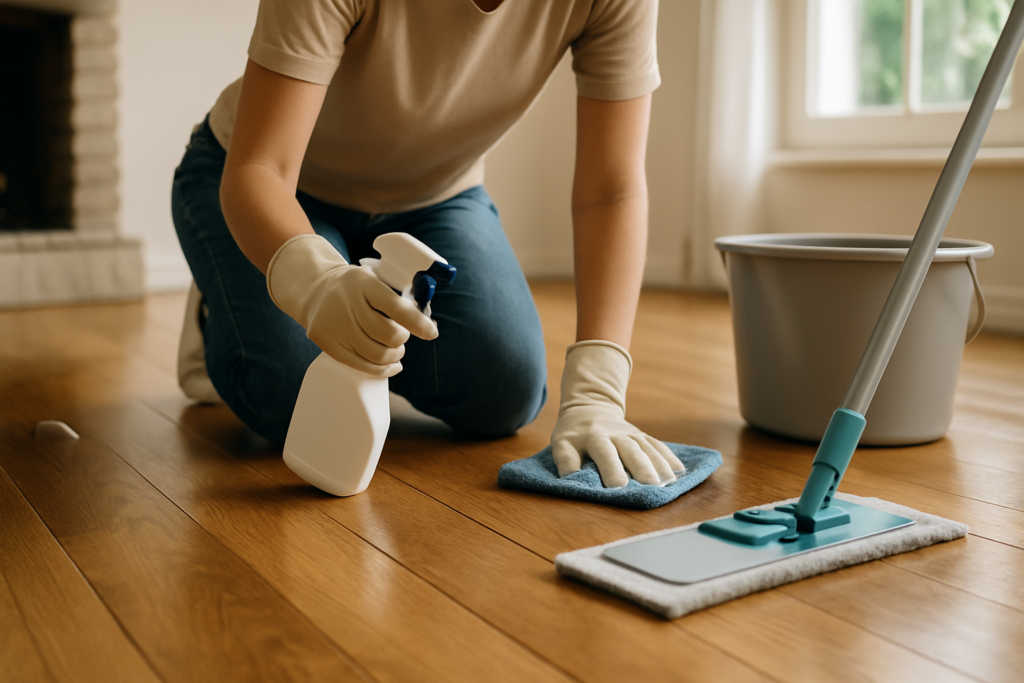
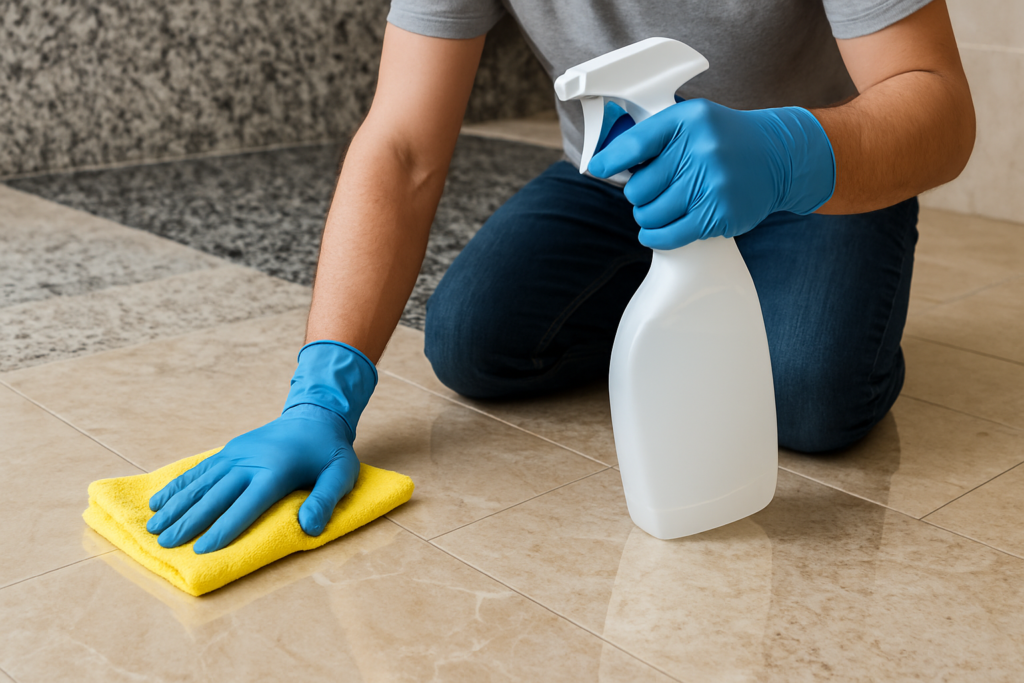
Daily care for natural stone is actually simpler than most floor types. Dust mopping or sweeping removes abrasive particles that scratch stone surfaces over time. For wet cleaning, use only pH-neutral stone cleaner diluted according to package directions.
Clean spills immediately, especially on marble and travertine. Blot rather than wipe to avoid spreading liquids. Even water can stain some stones if left standing, particularly on honed surfaces.
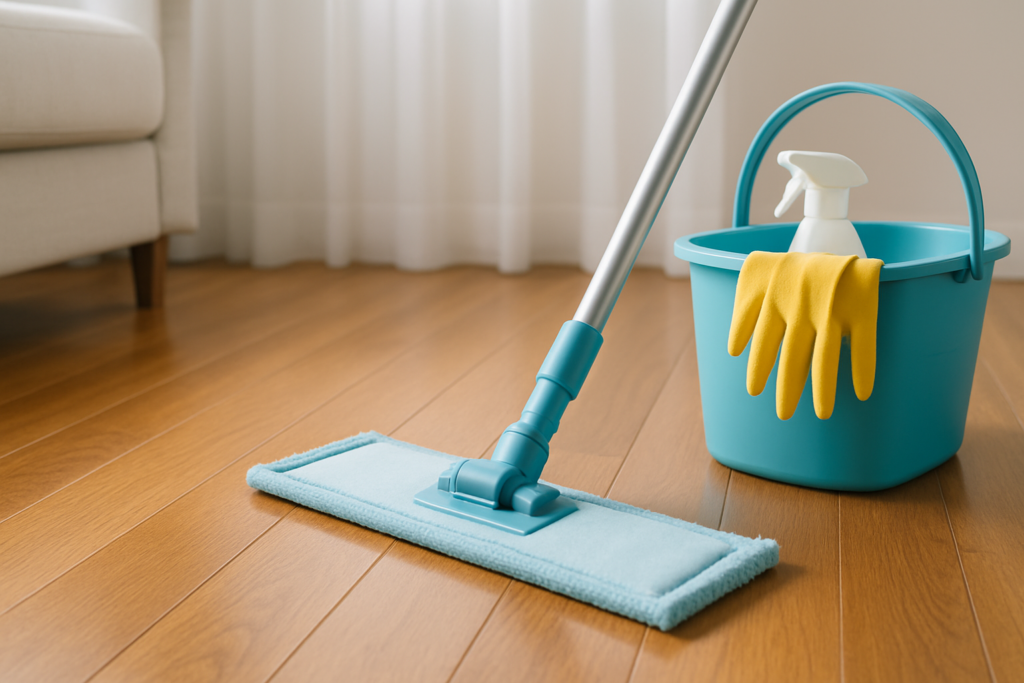
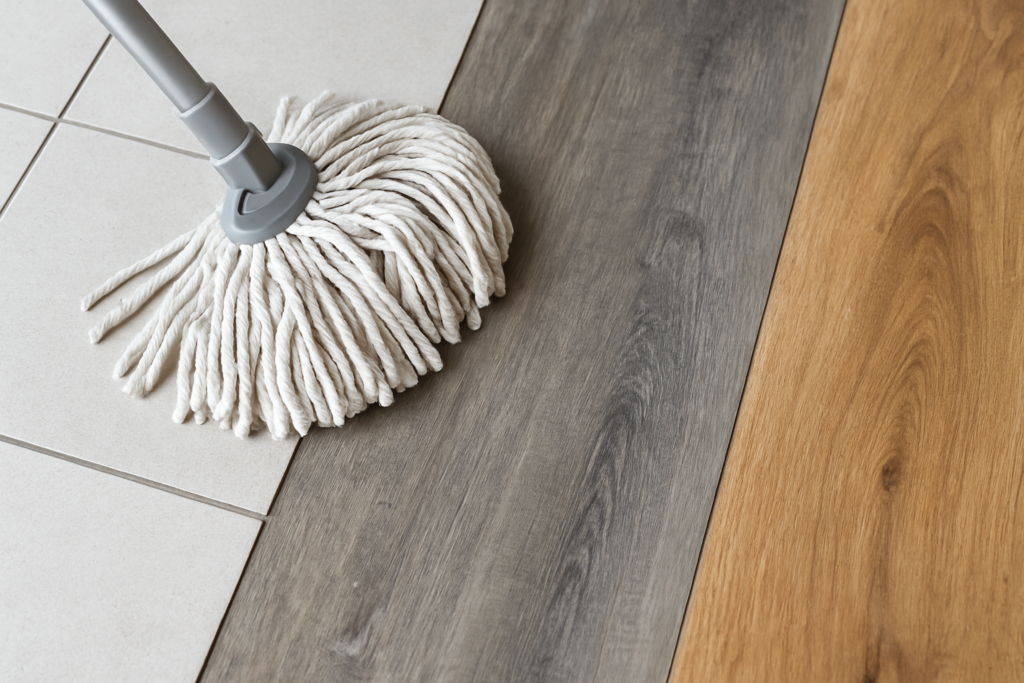
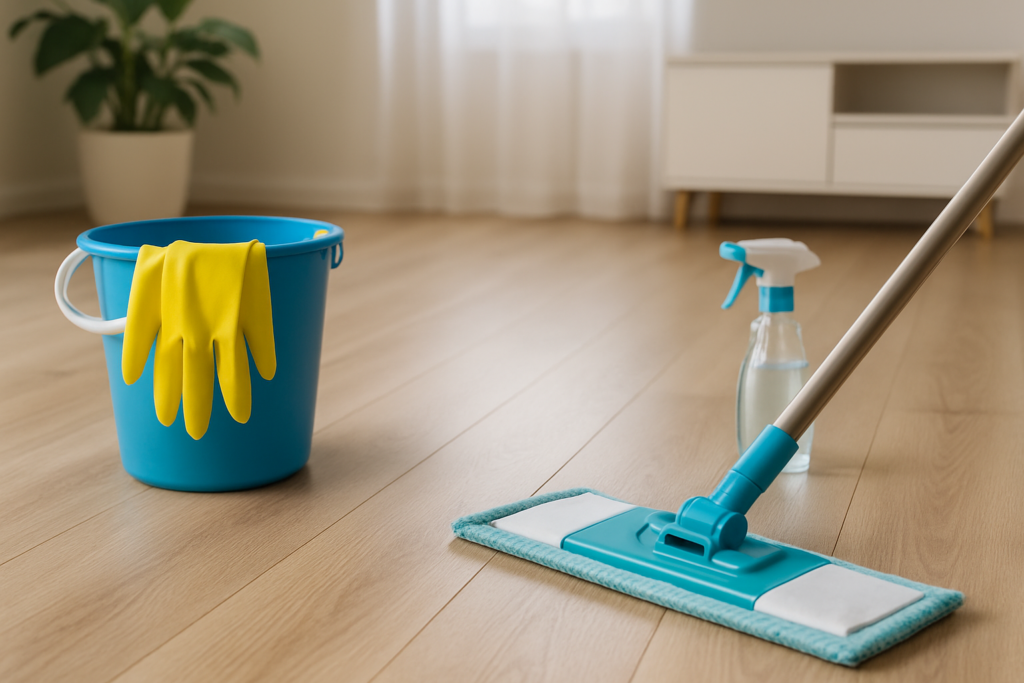
Use microfiber mops and cloths exclusively. Terry cloth towels and string mops can scratch polished surfaces. Rinse your mop frequently during cleaning to avoid redistributing dirt across the stone.
Place walk-off mats at entrances to reduce tracked-in grit. Choose mats without rubber backings, which can discolor stone floors. Replace or clean mats regularly, as dirty mats defeat their purpose.
Sealing Schedules: Protection That Actually Works
Most natural stone floors require periodic sealing to prevent stains and etching. However, sealing schedules vary dramatically based on stone type, finish, and traffic levels.
Marble typically needs sealing every 6-12 months in high-traffic areas, annually in moderate use areas. Travertine requires similar attention due to its porous nature. Granite usually needs sealing every 1-2 years, though some varieties are naturally less porous.
Test your sealer annually with the water drop test. Place a few drops of water on an inconspicuous area. If water absorbs within 5 minutes, resealing is needed. If water beads and stays on the surface for 30+ minutes, your sealer is still effective.
Choose penetrating sealers over topical ones for floors. Penetrating sealers soak into the stone without changing its appearance or creating a slippery surface. Topical sealers can wear unevenly and require professional removal.
Granite Gold Daily Cleaner
pH-balanced formula that works on all stone surfaces without leaving residue or streaks.
Stone-Specific Care: Marble, Granite, and Travertine
Marble Maintenance
Marble requires the most careful handling of common floor stones. Its calcium carbonate composition makes it highly susceptible to acid etching. Even brief contact with acidic substances creates dull spots that require professional polishing to repair.
Clean marble floors with stone-specific cleaners only. Never use vinegar, lemon juice, or standard floor cleaners. For tough stains, use a marble polishing powder following manufacturer directions. These products contain mild abrasives that can restore shine to etched areas.
Seal marble floors every 6-12 months depending on traffic. High-gloss marble shows wear patterns more quickly than honed marble but is easier to restore professionally when needed.
Granite Care Guidelines
Granite’s durability makes it more forgiving than marble, but it still requires proper care. Most granite floors have a polished finish that can show scratches from abrasive particles or improper cleaning tools.
Clean granite with pH-neutral stone cleaners or a simple mixture of mild dish soap and water. Avoid ammonia-based glass cleaners, which can dull the surface over time. For streak-free results, follow cleaning with a dry microfiber cloth.
Granite sealing frequency depends on the specific variety. Light-colored granites often need annual sealing, while darker varieties may go 2-3 years between applications. Always perform the water drop test rather than following rigid schedules.
Travertine Treatment
Travertine’s naturally porous structure and calcium carbonate composition create unique maintenance requirements. Its surface holes and pits trap dirt and debris more readily than other stones.
Clean travertine with soft-bristled brushes to remove embedded dirt without scratching the surface. Use pH-neutral cleaners exclusively, as acidic products cause immediate etching and pitting. Rinse thoroughly, as soap residue easily accumulates in travertine’s natural texture.
Seal travertine floors every 6-8 months minimum. Choose sealers specifically designed for porous stones. Some travertine floors benefit from initial sealing with a deep-penetrating sealer followed by regular applications of standard stone sealer.
Handling Etching and Staining: Damage Control
Etching appears as dull, rough spots on polished stone surfaces. It’s actually chemical damage where acids dissolve the stone’s surface minerals. Light etching on marble can sometimes be repaired with marble polishing powder, but deep etching requires professional restoration.
Staining occurs when liquids penetrate unsealed or poorly sealed stone. Oil-based stains typically appear darker than the surrounding stone, while organic stains may cause discoloration that changes over time.
For fresh stains, create a poultice using powdered chalk or baking soda mixed with water to form a paste. Spread the mixture over the stain, extending slightly beyond the stained area. Cover with plastic wrap, tape the edges, and let sit overnight. The poultice will draw the stain out as it dries.
Stubborn stains may require multiple poultice treatments or professional intervention. Don’t attempt to scrub stains with abrasive materials, as this often makes the problem worse by scratching the stone surface.
Black Diamond Marble Polishing Powder
Effective solution for removing light etching and water spots from marble and other calcium-based stones.
Products to Avoid: Common Mistakes That Cause Permanent Damage
Never use vinegar, lemon juice, or any acidic cleaner on marble or travertine. These substances cause immediate etching that appears as dull, rough patches on polished surfaces. Even “natural” cleaning solutions often contain citric acid or other stone-damaging ingredients.
Avoid bleach on all natural stones. While it won’t cause etching like acids do, bleach can discolor stone and break down sealers. This is particularly problematic on darker stones where color changes are immediately visible.
Skip generic floor cleaners, even pH-neutral ones. Many contain additives like fragrances, dyes, or conditioning agents that leave residue on stone surfaces. Over time, this buildup creates a hazy appearance that’s difficult to remove.
Don’t use abrasive scrubbers, steel wool, or scouring powders. Natural stone scratches more easily than ceramic tile. Stick to soft cloths, microfiber materials, and soft-bristled brushes for cleaning.
Professional Maintenance: When to Call the Experts
Some stone maintenance tasks require professional expertise and specialized equipment. Deep etching, extensive staining, or lippage issues typically need professional restoration to achieve satisfactory results.
Professional stone restoration services can polish out deep scratches, remove years of buildup, and restore the original finish to damaged stone. They also have access to commercial-grade sealers that last longer than consumer products.
Consider professional cleaning annually for high-traffic stone floors. Professionals use truck-mounted extraction systems and specialized stone cleaners that remove embedded dirt without damaging the stone or sealer.
Get professional help immediately after significant damage like wine spills on unsealed marble or oil stains on light-colored stone. Quick professional treatment often prevents permanent staining that becomes impossible to remove later.
Frequently Asked Questions
Can I use steam mops on natural stone floors?
Steam mops aren’t recommended for most natural stone floors. The intense heat can damage sealers and potentially cause thermal shock in some stones. Additionally, steam doesn’t effectively clean stone surfaces compared to proper pH-neutral cleaners. Stick to traditional mopping methods with appropriate stone cleaners for best results.
How do I know when my stone floors need professional restoration?
Signs you need professional help include widespread etching that dulls large areas, deep scratches visible across the surface, persistent stains that don’t respond to home treatment, or uneven wear patterns. If your floors look consistently cloudy despite proper cleaning, built-up residue may require professional removal.
Is it safe to use dish soap on granite countertops and floors?
Mild dish soap diluted in water works acceptably for granite surfaces as an occasional cleaner. However, regular use can leave residue that builds up over time. Stone-specific cleaners perform better and won’t create the soap film that makes surfaces appear dull or streaky.
Why do my sealed marble floors still show water spots?
Sealers prevent staining but don’t eliminate etching from acidic substances. Water spots on marble often result from mineral deposits in hard water or acidic water that etches the surface despite sealing. Use filtered water for cleaning when possible, and dry surfaces immediately after cleaning to prevent mineral deposits.
This article contains affiliate links. We may earn a small commission at no extra cost to you.