If you’ve ever felt overwhelmed by the sheer number of organizing methods out there, you’re not alone. Between Marie Kondo’s joy-sparking approach and countless other systems promising life transformation, choosing the right organizing philosophy can feel more stressful than the clutter itself.
Each method has devoted followers who swear it changed their lives, but the truth is that what works brilliantly for your neighbor might leave you feeling frustrated and defeated. Let’s break down the most popular organizing approaches and figure out which one actually fits your lifestyle and personality.
The KonMari Method: Joy-Based Decision Making
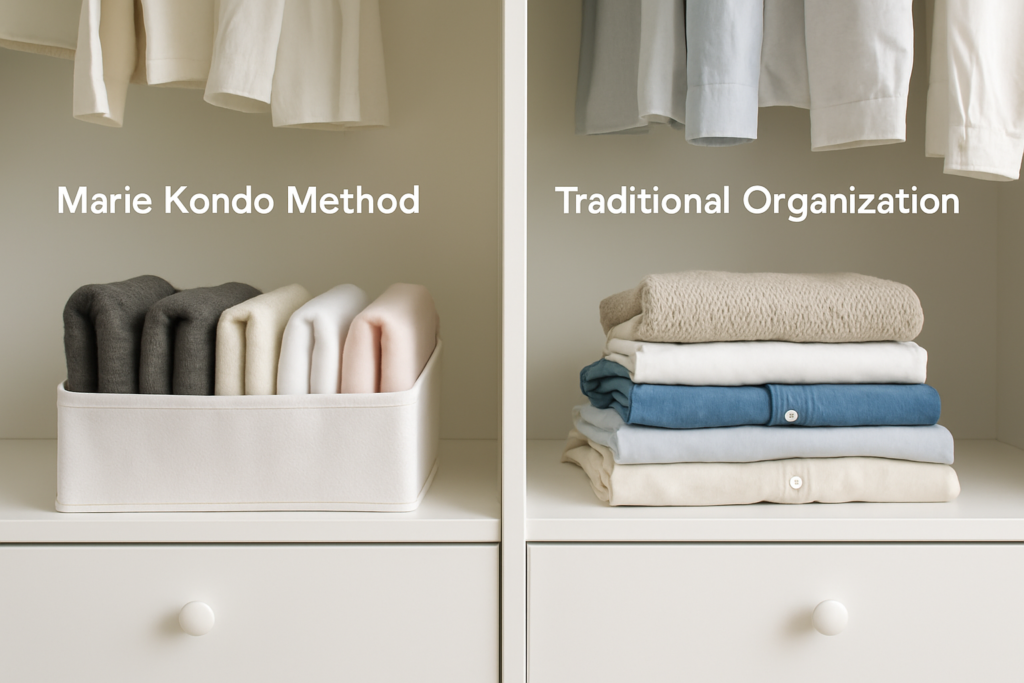
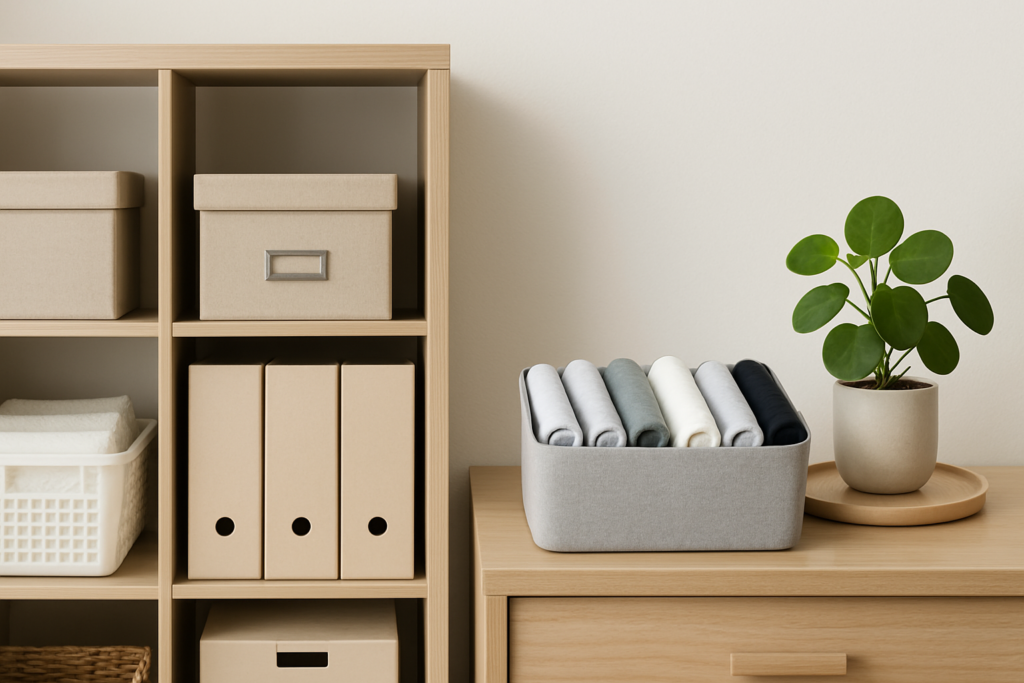
Marie Kondo’s approach centers on keeping only items that “spark joy.” You work by category rather than room, handling every single item to determine if it deserves space in your life. The method includes specific folding techniques and emphasizes gratitude toward belongings you’re releasing.
This system works exceptionally well for people who have strong emotional connections to their belongings and need a clear decision-making framework. The joy test provides concrete criteria when you’re struggling to let go of items.
However, KonMari requires a significant time investment upfront. You’ll need to dedicate entire weekends to single categories, and the process can take months to complete properly.
Alternative Organizing Methods Worth Considering
FlyLady: Small Steps and Daily Routines
FlyLady focuses on building habits gradually through 15-minute daily sessions. You establish routines for morning, afternoon, and evening, tackle one “zone” of your home each week, and never work for more than 15 minutes at a time to avoid burnout.
This method excels for busy parents and people who get overwhelmed by large projects. The small time commitment makes it sustainable, and you’ll see progress without major disruption to your schedule.
Minimalism: Less is Always More
True minimalism goes beyond organizing to question why you need items at all. Followers aim to own only essential items, often challenging themselves with specific numbers (like owning only 100 total items).
Minimalism works for people who genuinely prefer empty spaces and find visual clutter distracting. It’s particularly effective for frequent movers or those living in small spaces.
Zone Organization: Room-by-Room Systems
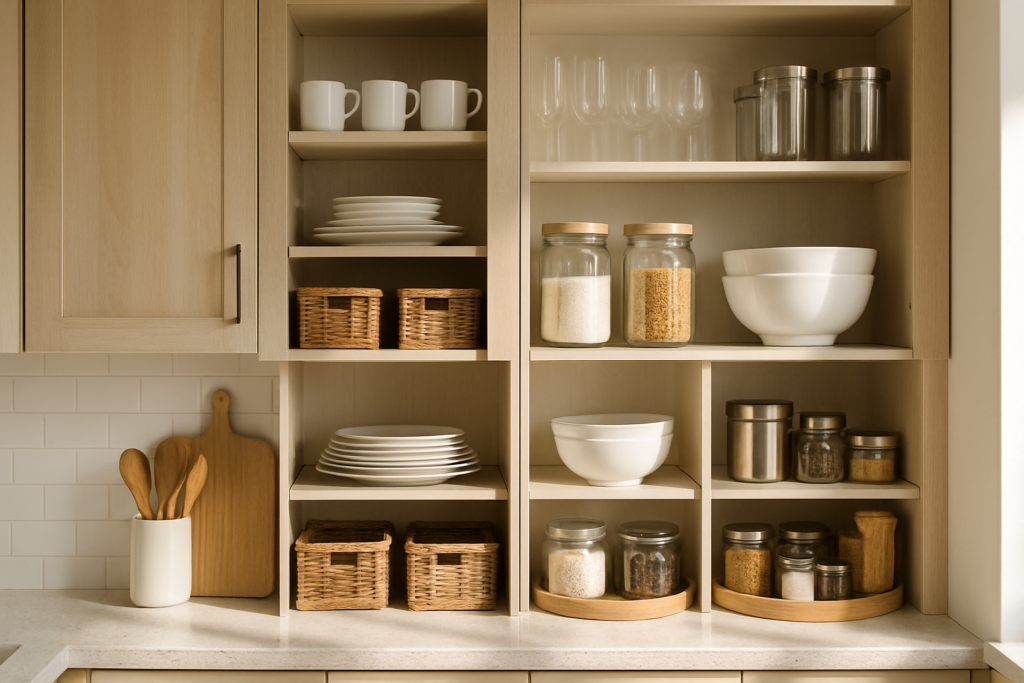
Zone organization divides your home into specific areas with designated purposes. You organize room by room, creating systems that make sense for how you actually use each space.
This practical approach works well for families with different organizing styles and people who prefer tackling projects in manageable chunks.
Choosing Your Best Method
Your organizing style should match your personality and lifestyle, not fight against them. If you love sentimental items and have time for a major overhaul, KonMari’s thorough approach will serve you well. The emotional connection aspect helps you make decisions you’ll stick with long-term.
For busy families juggling work and activities, FlyLady’s bite-sized approach prevents organizing from becoming another source of stress. You’ll make steady progress without sacrificing family time or personal commitments.
Choose minimalism if you’re genuinely drawn to empty spaces and find that fewer possessions improve your mental clarity. Don’t force this method if you love collections or sentimental items.
Zone organization works best for practical, logical thinkers who want systems that make daily life easier rather than pursuing an organizing philosophy.
Frequently Asked Questions
Can I combine different organizing methods?
Absolutely. Many people successfully blend approaches by using KonMari’s joy test for sentimental items while applying zone organization to functional spaces like kitchens. Take the elements that resonate with you and leave the rest.
How do I know if an organizing method isn’t working for me?
If you consistently avoid the organizing tasks, feel stressed during the process, or find your spaces reverting to chaos quickly, the method probably doesn’t match your natural habits. Switch to an approach that feels more intuitive rather than forcing a system that creates resistance.