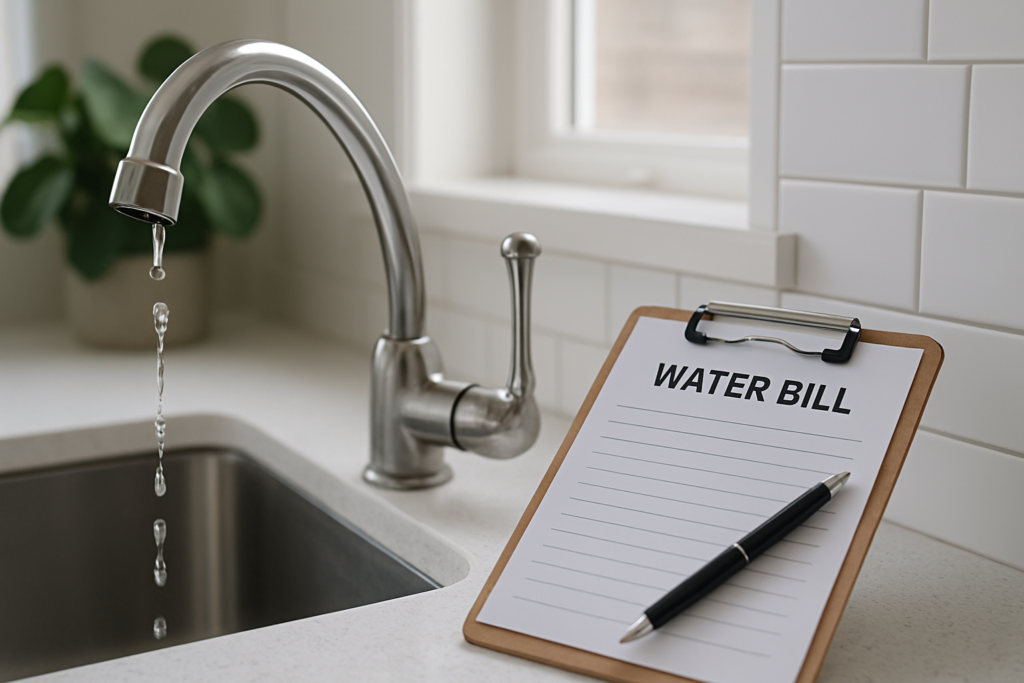
Your water bill just arrived, and the number makes your stomach drop. Last month was normal, but this month’s usage jumped 30% or more. You’re not filling a pool or running sprinklers nonstop, so what gives?
Hidden water leaks are the usual suspects behind mysterious spikes in your water bill. These sneaky problems waste thousands of gallons monthly while quietly draining your wallet. A toilet that runs constantly can waste over 200 gallons per day, while a small pinhole leak in a pipe might go unnoticed for months.
The frustrating part is that many of these leaks are invisible or hiding in places you rarely check. But with a systematic approach, you can track down these water wasters and get your bill back to normal. Here are 15 common leak locations that could be costing you serious money.
How to Read Your Water Meter Like a Pro
Before hunting for leaks, learn how to use your water meter to detect problems. Turn off all water sources in your home, including ice makers and automatic systems. Find your water meter (usually near the street or in a basement utility room) and note the reading.
Wait 15-30 minutes without using any water, then check again. If the numbers changed, you have a leak somewhere in your system. Many meters have a small dial or triangle that spins when water flows. Even tiny movements indicate water loss.
For a more precise test, write down the exact reading before bed and check it first thing in the morning. Any overnight usage points to continuous leaks like running toilets or dripping pipes.
Toilet Troubles: The Biggest Water Wasters
Running Toilet Flapper Issues
Toilets cause about 25% of household water waste when they malfunction. A constantly running toilet happens when the flapper doesn’t seal properly against the flush valve seat. Mineral buildup, warping, or chain problems prevent a tight seal.
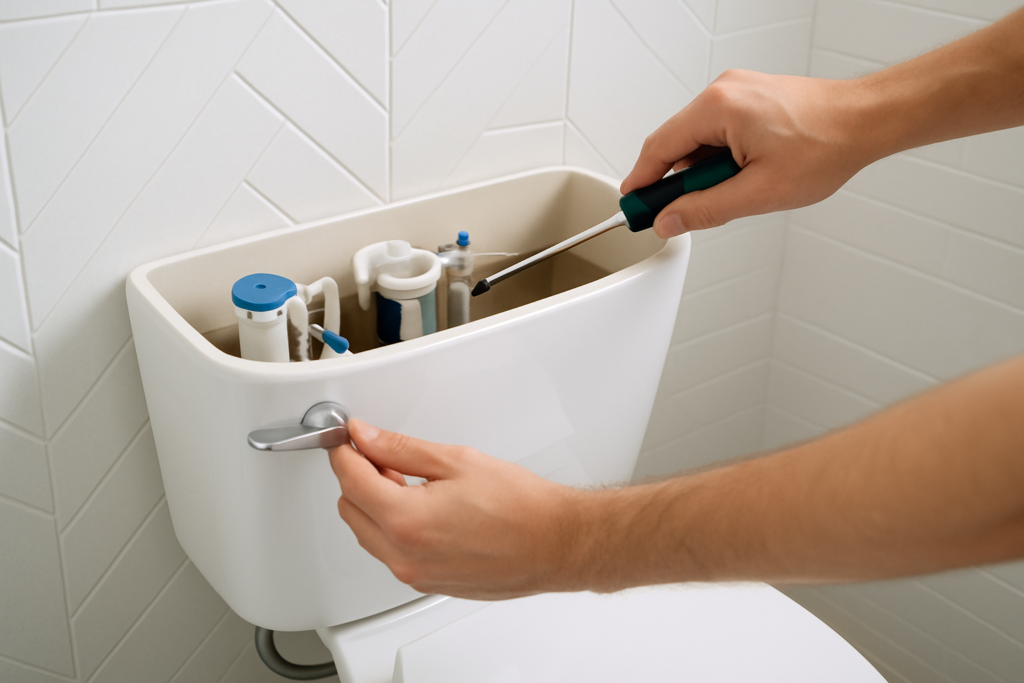
Remove the toilet tank lid and watch the flush cycle. The flapper should drop flat against the valve seat and stay there. If it’s tilted, twisted, or has buildup around the edges, water continuously flows from the tank to the bowl.
Korky Universal Toilet Flapper
Universal design that fits most toilet models and creates a reliable seal
Fill Valve Problems
An old or damaged fill valve keeps running water into the tank even when it’s full. You’ll hear constant water flow, and the tank water level might be too high. Jiggling the handle temporarily stops it, but the problem returns quickly.
Check if the water level reaches the marked line inside the tank. If it’s overflowing into the overflow tube, your fill valve needs adjustment or replacement. This type of leak can waste 20-40 gallons per day.
Chain Length Issues
The chain connecting your flush handle to the flapper needs precise adjustment. Too long, and the flapper won’t lift completely during flushing. Too short, and it prevents the flapper from sealing properly after the flush.
The chain should have about half an inch of slack when the flapper rests on the valve seat. Adjust the chain length by moving it to different holes on the flush arm or flapper.
Faucet Drips: Small Drops, Big Bills
Kitchen Faucet Leaks
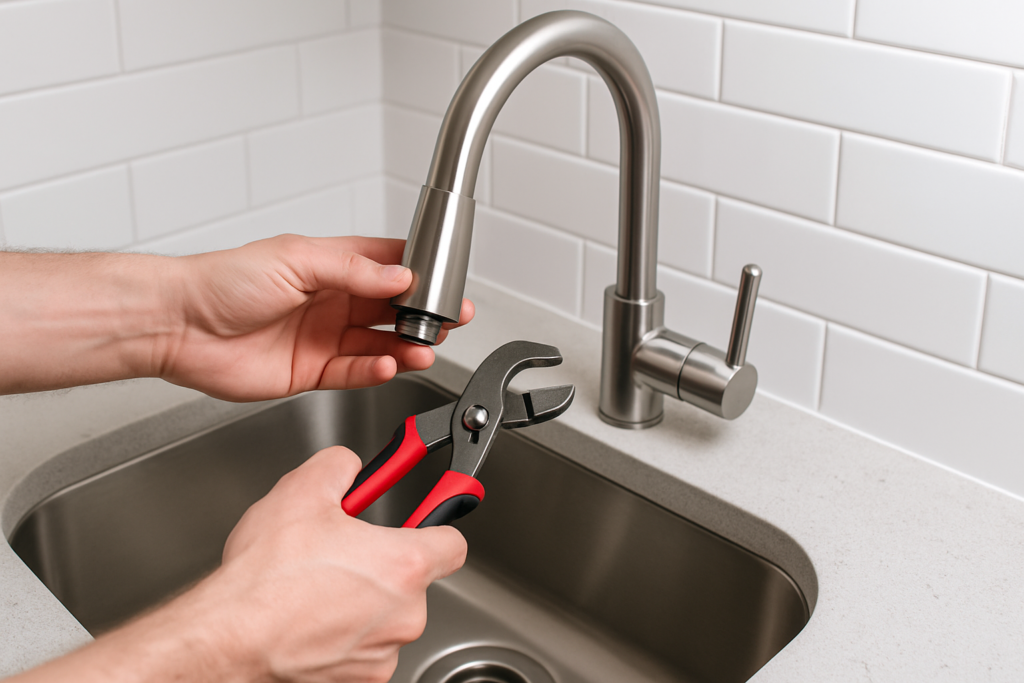
Kitchen faucets work harder than other fixtures due to frequent use. Worn O-rings, valve seats, or cartridges cause persistent drips. A single drop per second wastes over 3,000 gallons annually.
Check under your sink for moisture or water stains that indicate drips you can’t see from above. Single-handle faucets typically need cartridge replacement, while double-handle models usually require new O-rings or valve seats.
Bathroom Sink and Shower Leaks
Bathroom faucets develop leaks from mineral buildup in hard water areas. Showerheads also drip when internal seals wear out. Even slow drips add up over time.
Test your showerhead by turning it off completely and watching for drops. Some showerheads continue dripping for a minute after shutoff due to water remaining in the head, but steady dripping indicates a problem.
Danco Universal Faucet Repair Kit
Contains the most common O-rings and seals needed for typical faucet repairs
Hidden Pipe Leaks
Under-Sink Connections
Cabinet areas under sinks hide many small leaks at connection points. Supply line fittings, shut-off valves, and drain connections develop leaks over time. These areas stay damp and can cause significant water loss.
Use a flashlight to inspect all visible pipes and connections monthly. Look for water stains, mineral deposits, or actual moisture. Place paper towels under suspected areas overnight to detect slow leaks.
Water Heater Connections
Water heaters develop leaks at inlet and outlet connections, relief valves, and the tank bottom. Small leaks at pipe fittings often go unnoticed because they evaporate quickly in warm utility rooms.
Check around your water heater base for rust stains, mineral deposits, or damp spots. Relief valve leaks create small puddles or stains near the floor. These leaks waste hot water, which costs more than cold water loss.
Basement and Crawl Space Pipes
Pipes in basements or crawl spaces leak at joints, especially older copper or galvanized steel systems. Temperature changes cause pipes to expand and contract, loosening connections over time.
Walk the entire length of visible plumbing with a flashlight. Look for green corrosion on copper pipes, rust on steel pipes, or white mineral deposits that indicate current or past leaks.
Appliance Water Leaks
Washing Machine Hoses
Washing machine supply hoses develop internal wear that causes leaks at connection points or along the hose length. Rubber hoses deteriorate faster than braided stainless steel versions.
Check behind your washing machine every few months for moisture or water stains on the wall or floor. Replace rubber hoses every 5 years, even if they look fine externally.
Dishwasher Leaks
Dishwashers leak at door seals, supply line connections, or drain hose attachments. These leaks often happen intermittently during wash cycles, making them harder to detect.
Look for water stains on the kitchen floor near your dishwasher or warping in nearby cabinet materials. Run a complete wash cycle while checking underneath for active leaks.
Refrigerator Ice Makers
Automatic ice makers connect to household water supplies through small plastic lines. These connections loosen over time, causing slow leaks behind or under the refrigerator.
Pull your refrigerator away from the wall every six months to check the water line connection and surrounding floor area. Ice maker leaks waste water continuously, not just during ice production.
Outdoor Water System Leaks
Irrigation System Problems
Sprinkler systems hide numerous potential leak points underground. Broken sprinkler heads, damaged pipes, or faulty zone valves waste enormous amounts of water, especially when they leak constantly rather than just during scheduled watering.
Walk your irrigation zones while they’re running to spot obvious problems like geysers or flooding areas. But underground leaks show up as unusually green grass patches, soggy soil, or unexplained wet spots in your yard.
Rain Bird Sprinkler Head
Professional-grade replacement head that reduces water waste and provides even coverage
Outdoor Faucet and Hose Issues
Outdoor spigots and hose connections leak more frequently due to temperature extremes and seasonal use. Freeze damage creates cracks that might not show up until warm weather returns.
Check all outdoor faucets by turning them completely off and watching for drips. Inspect hose connections and nozzles for continuous water loss. Garden hoses left pressurized can develop pinhole leaks anywhere along their length.
Pool and Hot Tub Systems
Swimming pools and hot tubs lose water through equipment leaks, not just evaporation. Pump seals, filter connections, and plumbing joints develop leaks that require constant refilling.
Track your pool’s water level daily for a week. Normal evaporation rarely exceeds a quarter-inch per day. Faster water loss indicates leaks in the pool structure or circulation system.
Calculating the Cost of Common Leaks
Understanding leak costs helps prioritize repairs. A dripping faucet at one drop per second wastes about 5 gallons daily. At typical water rates, that adds competitively priced annually to your bill.
Running toilets cause much bigger problems. A toilet that continuously runs can waste 200 gallons per day, costing over competitively priced yearly in additional water charges. Underground irrigation leaks waste even more water and create four-digit annual increases.
Use your water meter readings to calculate actual costs. Find your cost per gallon on your water bill, then multiply by estimated daily waste to see monthly impact. This helps justify repair expenses versus ongoing water waste.
Fluidmaster Water Leak Detector Tablets
Drop these tablets in your toilet tank to reveal invisible leaks with color-changing water
Professional Help vs. DIY Repairs
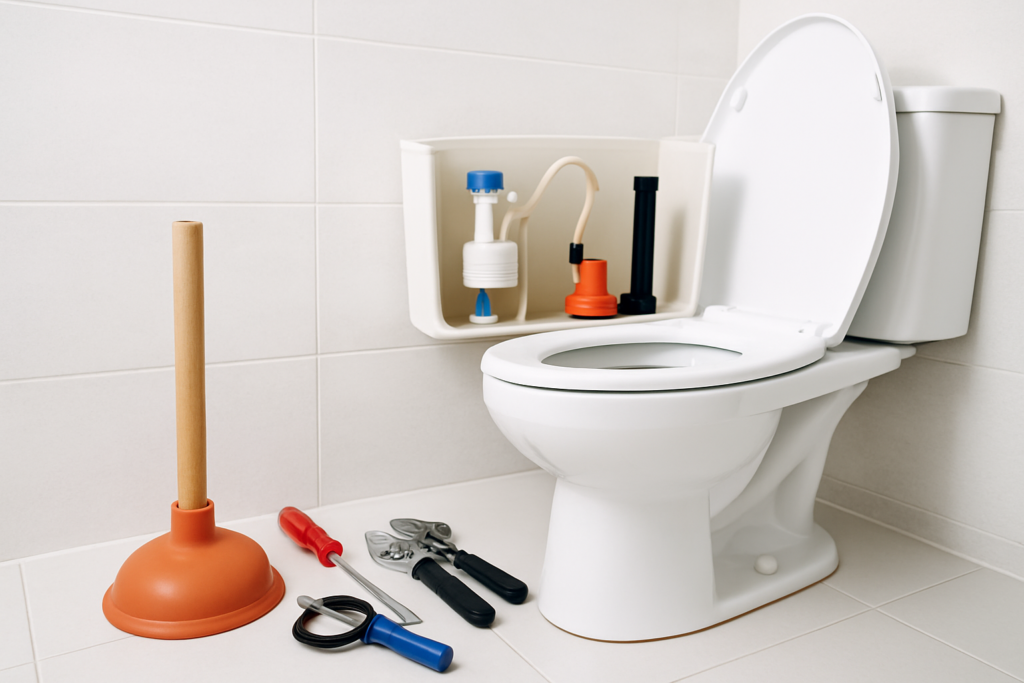
Many leak fixes work as DIY projects, but know your limits. Toilet flapper replacement, faucet O-ring changes, and outdoor spigot repairs usually need basic tools and minimal experience.
Call professionals for anything involving main water lines, slab leaks, or complex appliance connections. Water damage from failed DIY repairs costs far more than professional service calls.
Get multiple quotes for expensive repairs like underground pipe replacement or whole-house repiping. Some leak repairs qualify for water utility rebates or insurance coverage, especially if they prevent larger damage.
Frequently Asked Questions
How do I know if I have a slab leak under my foundation?
Slab leaks create warm spots on floors, unusually high water bills, low water pressure, or the sound of running water when all fixtures are off. You might also notice cracks in walls or floors, or areas of your yard that stay wet. These leaks require professional detection equipment and specialized repair techniques.
Why does my water bill spike in winter if I’m not watering my lawn?
Winter water bill increases often come from heating system leaks, frozen pipe damage, or increased indoor water use during cold weather. Check your water heater connections, boiler systems, and any pipes that might have frozen. Holiday guests and longer hot showers also increase winter usage.
Can small leaks really make a big difference in my water bill?
Absolutely. A toilet that runs just 5 minutes per hour wastes over 50 gallons daily. Multiple small leaks compound the problem quickly. Even tiny pinhole leaks in pressurized pipes can waste surprising amounts of water over time, especially if they run constantly rather than intermittently.
How often should I check for leaks throughout my home?
Check visible plumbing monthly and read your water meter weekly if you suspect problems. Inspect under-sink areas, around water heaters, and behind appliances every few months. Seasonal checks of outdoor plumbing and irrigation systems prevent weather-related damage from becoming expensive problems.
This article contains affiliate links. We may earn a small commission at no extra cost to you.