Steam cleaning has quietly become one of the most effective ways to deep clean your home without harsh chemicals. Using nothing but heated water vapor, these machines can sanitize floors, blast grime from grout lines, and refresh upholstery that hasn’t looked good in years.
But choosing the right steam cleaner isn’t as simple as grabbing the first one you see. The type you need depends entirely on what you’re planning to clean, how often you’ll use it, and whether you want something lightweight for quick jobs or a powerhouse for major cleaning sessions.
Types of Steam Cleaners: Finding Your Match
Steam cleaners fall into three main categories, each designed for different cleaning scenarios. Understanding these differences will save you from buying something that doesn’t fit your needs.
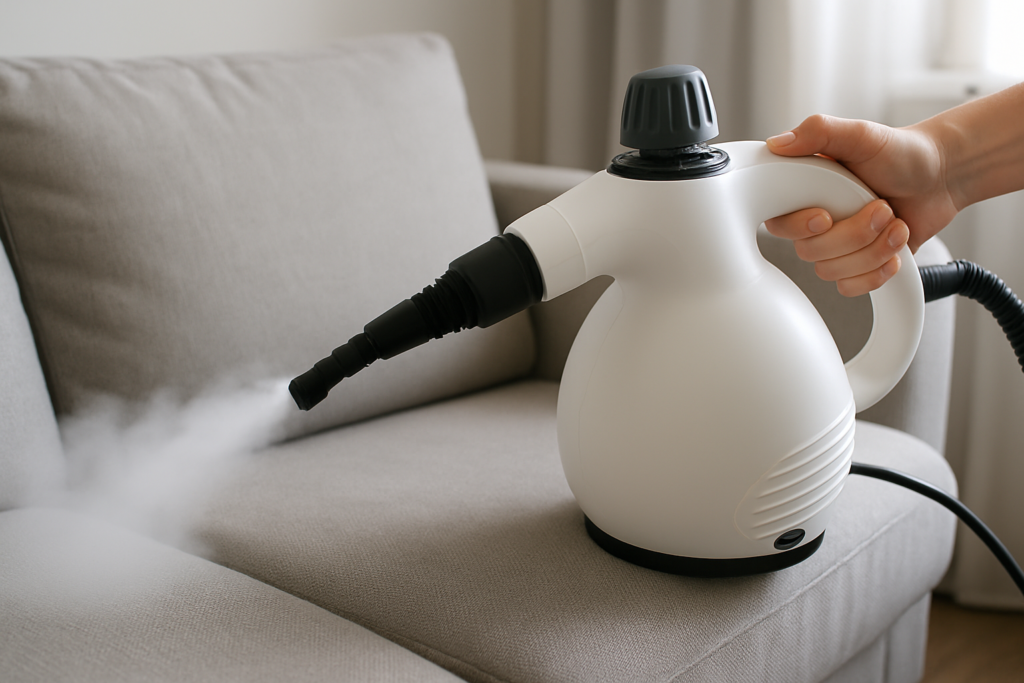
Handheld Steam Cleaners
These compact units are perfect for spot cleaning and detail work. They heat up quickly, usually within 3-5 minutes, and excel at cleaning grout, bathroom fixtures, and small upholstery jobs. The Bissell Steam Shot and similar models are popular because they’re lightweight and easy to maneuver.
The downside is their small water tanks, which means frequent refills during larger jobs. They’re also not ideal for cleaning floors since you’d be hunched over the entire time.
Steam Mops
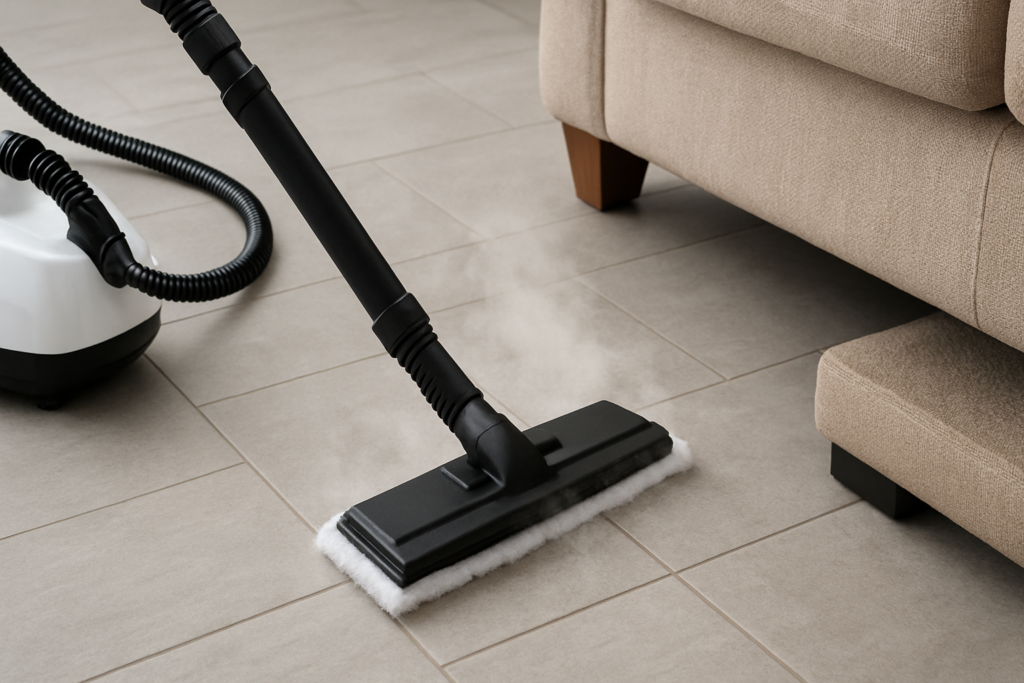
Purpose-built for floors, steam mops combine the convenience of a traditional mop with the sanitizing power of steam. They typically heat up in 2-3 minutes and work exceptionally well on tile, sealed hardwood, and laminate flooring.
Shark Steam Pocket Mop
Outstanding performance on hard floors with quick heat-up time and excellent maneuverability
Most steam mops come with washable microfiber pads and adjustable steam settings. They’re lightweight, easy to store, and perfect if floor cleaning is your primary concern. However, they’re limited to flat surfaces and can’t handle the detail work that other types excel at.
Canister Steam Cleaners
These are the heavy-duty workhorses of steam cleaning. Canister models feature large water tanks, powerful steam output, and extensive attachment collections. They can tackle everything from floors to upholstery to kitchen appliances.
The trade-off is size and weight. They take up more storage space and require 8-10 minutes to heat up. But for whole-home cleaning or tackling multiple surfaces in one session, they’re unmatched.
Key Features That Actually Matter
Heat-Up Time
Nobody wants to wait around for their cleaner to get ready. Handheld units typically win here at 3-5 minutes, while steam mops follow closely at 2-4 minutes. Canister models need more time due to their larger tanks, usually 8-12 minutes.
Consider how you’ll use the machine. For quick daily touch-ups, fast heat-up times matter more. For weekly deep cleaning sessions, you can afford to wait a bit longer for more power.
Attachment Variety
The attachments make the machine. Look for crevice tools for tight spaces, brush attachments for scrubbing power, and squeegees for windows. Fabric steamers benefit from upholstery attachments that distribute steam evenly without soaking the material.
Canister models typically offer the most attachments, often 6-12 different tools. Handheld units usually include 3-5 basic attachments, while steam mops focus on different pad types rather than separate tools.
McCulloch MC1375 Canister Steam Cleaner
Excellent attachment variety and powerful steam output for tackling multiple surfaces throughout your home
Tank Capacity and Continuous Steam
Larger tanks mean fewer interruptions, but they also mean heavier machines. Handheld units typically hold 8-12 ounces, enough for 10-15 minutes of cleaning. Steam mops usually feature 12-16 ounce tanks, good for 15-20 minutes. Canister models can hold 32-48 ounces or more, providing 30-45 minutes of continuous use.
Some premium models offer continuous refill capability, letting you add water while the unit operates. This feature is particularly valuable for large homes or commercial use.
Surface-Specific Considerations
Floor Cleaning
Steam mops dominate here, but not all floors are steam-friendly. Sealed tile, laminate, and finished hardwood handle steam well. Avoid using steam on waxed floors, unsealed wood, or delicate surfaces like cork.
For textured tiles or deep grout cleaning, canister models with brush attachments often deliver better results than mops alone.
Grout and Detail Work
Grout cleaning requires focused, high-temperature steam combined with mechanical action. Handheld units excel here because you can work at comfortable angles and see exactly where you’re directing the steam.
Look for models with brass or nylon brush attachments specifically designed for grout. The Dupray Neat Steam Cleaner is particularly effective for this type of detail work.
Upholstery and Fabric
Fabric cleaning requires gentler steam distribution to avoid oversaturation. Look for upholstery attachments with fabric-friendly heads that spread steam evenly. Always test on an inconspicuous area first, especially with delicate fabrics.
Canister models typically handle upholstery best due to their adjustable steam settings and specialized fabric attachments.
Bissell CrossWave Pet Pro
Combines steam cleaning with vacuum action, perfect for homes with pets and mixed flooring types
What to Avoid
Skip models with overly complicated controls or digital displays that add cost without real benefit. Steam cleaning is inherently simple, and complex electronics often become failure points.
Avoid units that require proprietary cleaning solutions. The whole point of steam cleaning is using just water. Any machine that pushes special chemicals is missing the point.
Be wary of extremely cheap models under well-known brand names. These often have weak steam output, poor build quality, and minimal warranties.
Making Your Decision
For most homeowners, the choice comes down to your primary cleaning needs. If you mainly want to clean hard floors, a quality steam mop offers the best combination of effectiveness and convenience.
For detail work, grout cleaning, and occasional use, handheld models provide excellent value and storage efficiency.
Choose a canister model if you want one machine for everything, have a large home, or plan to use steam cleaning as your primary cleaning method.
Frequently Asked Questions
How often should I use a steam cleaner on my floors?
For most homes, steam cleaning floors once or twice weekly provides excellent results without overdoing it. High-traffic areas might benefit from more frequent cleaning, while less-used rooms can go longer between sessions. Always ensure your floors are suitable for steam cleaning before establishing a routine.
Can steam cleaners really replace chemical cleaners?
Steam cleaners effectively kill most bacteria, dust mites, and common household germs using heat alone. They excel at removing dirt, grime, and many stains without chemicals. However, some specific stains or heavily soiled areas might still require targeted chemical treatment before steam cleaning.
What’s the biggest mistake people make with steam cleaners?
Moving too quickly is the most common error. Steam needs time to work, typically 3-5 seconds per area for effective sanitization. Many people rush through cleaning, reducing the effectiveness significantly. Take your time and let the steam do its job properly.
This article contains affiliate links. We may earn a small commission at no extra cost to you.