You throw in a load of laundry, the washer goes through its cycles, and then you open the lid to find your clothes sitting in a puddle of water. It’s one of the most frustrating appliance problems you’ll encounter, but the good news is that most drainage issues are fixable without calling a repair technician.
Most washing machine drainage problems come down to four culprits: a clogged drain pump, a dirty filter, a kinked drain hose, or something stuck in the drainage system. Let’s walk through how to diagnose and fix each one.
Check Your Drain Hose First
Before you tear apart your washing machine, take a minute to inspect the drain hose. Pull your washer away from the wall and look at the large corrugated hose that runs from the back of the machine to your standpipe or utility sink.
Make sure the hose isn’t kinked or crushed. Even a slight bend can restrict water flow enough to cause drainage problems. Also, check that the hose isn’t pushed too far into the standpipe. It should only go in about 6-8 inches, otherwise it can create a siphoning problem.
While you’re back there, detach the hose and look inside for clogs. Lint, coins, and small items of clothing can get lodged in there. A straightened wire hanger works well for fishing out debris.
Clean the Drain Pump Filter
Most front-loading washers and many newer top-loaders have a small access panel near the bottom front of the machine. Behind that panel sits the drain pump filter, which catches lint, coins, buttons, and other small objects before they reach the pump.
Place towels on the floor before opening this panel because water will spill out. You’ll typically find a small drain tube you can use to empty excess water into a shallow pan, followed by the filter itself which unscrews counterclockwise.
Pull out the filter and remove any debris. You’d be surprised what collects in there. Rinse it under running water, screw it back in firmly, and run a drain cycle to see if that solved your problem. You should clean this filter every few months as preventive maintenance.

Drain Pump Filter
Keep a spare filter on hand since they can crack or wear out over time
Test and Replace the Drain Pump
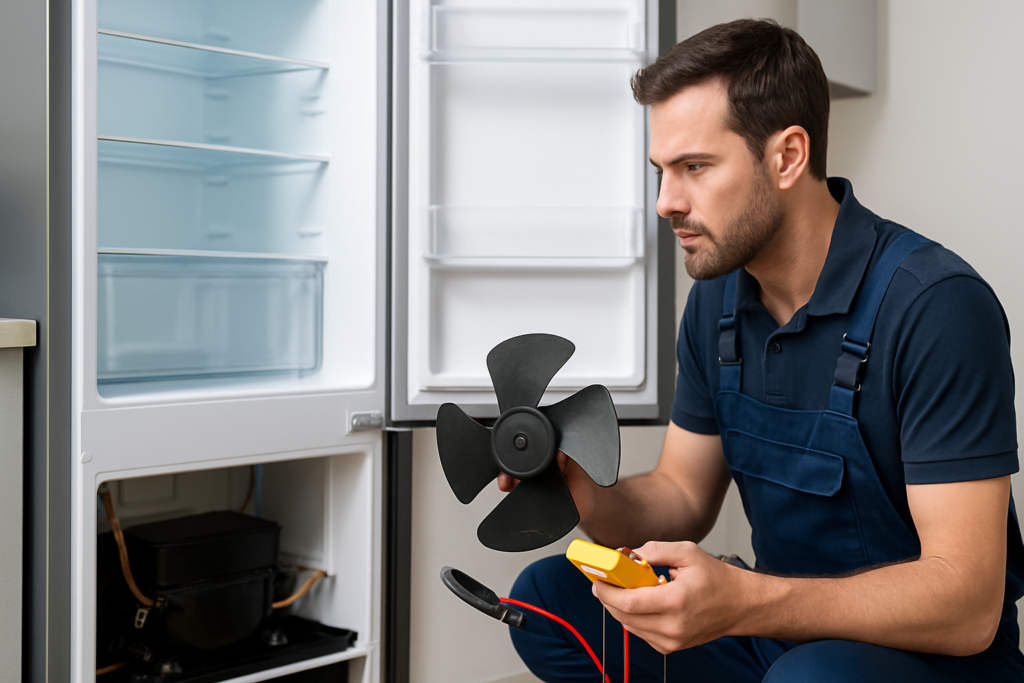
If you’ve cleared the hose and filter but water still won’t drain, the pump itself might be dead. You can test this by listening carefully during the drain cycle. The pump should make a humming sound. If it’s completely silent, the pump has failed and needs replacement.
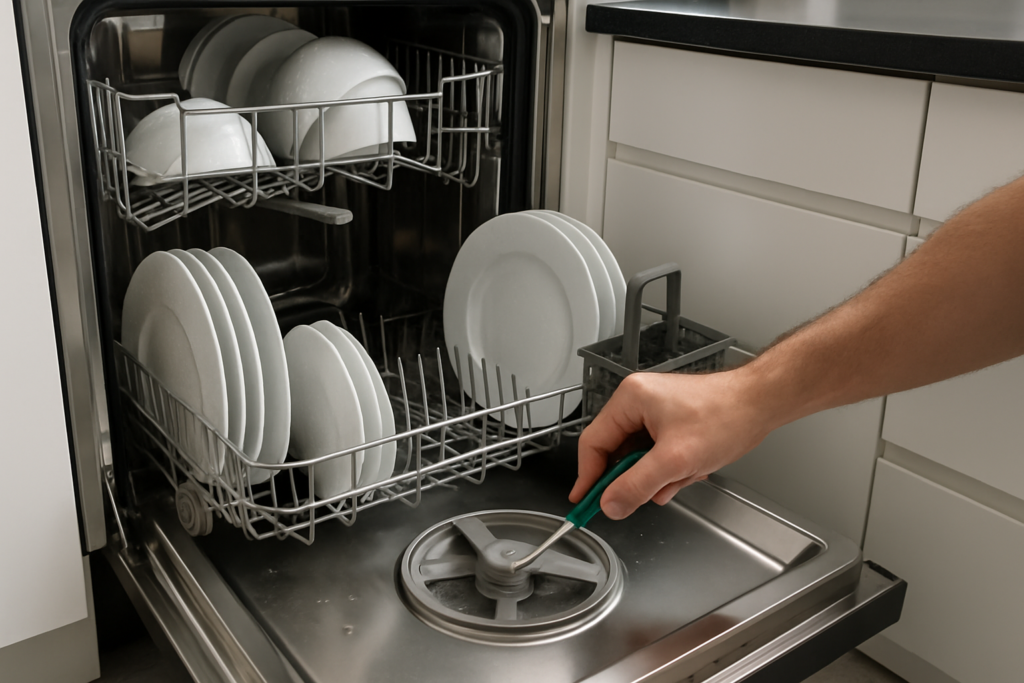
Sometimes the pump runs but can’t move water because something is jammed in the impeller. You can access the pump by removing the filter and shining a flashlight into the opening. Try rotating the impeller with your finger or a screwdriver. It should spin freely.
Replacing a drain pump isn’t too difficult if you’re comfortable with basic repairs. Pumps are machine-specific, so you’ll need your washer’s model number to order the right one. Most pumps are held in place with just a few screws or clips and have two hose connections plus a wiring harness.
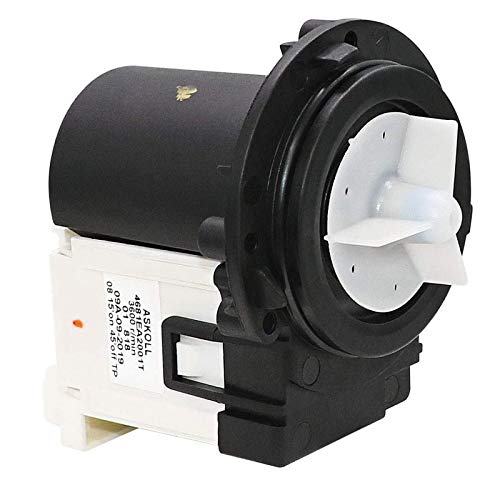
Washing Machine Drain Pump
Universal pumps are available, but OEM replacements specific to your model work best
When to Call a Professional
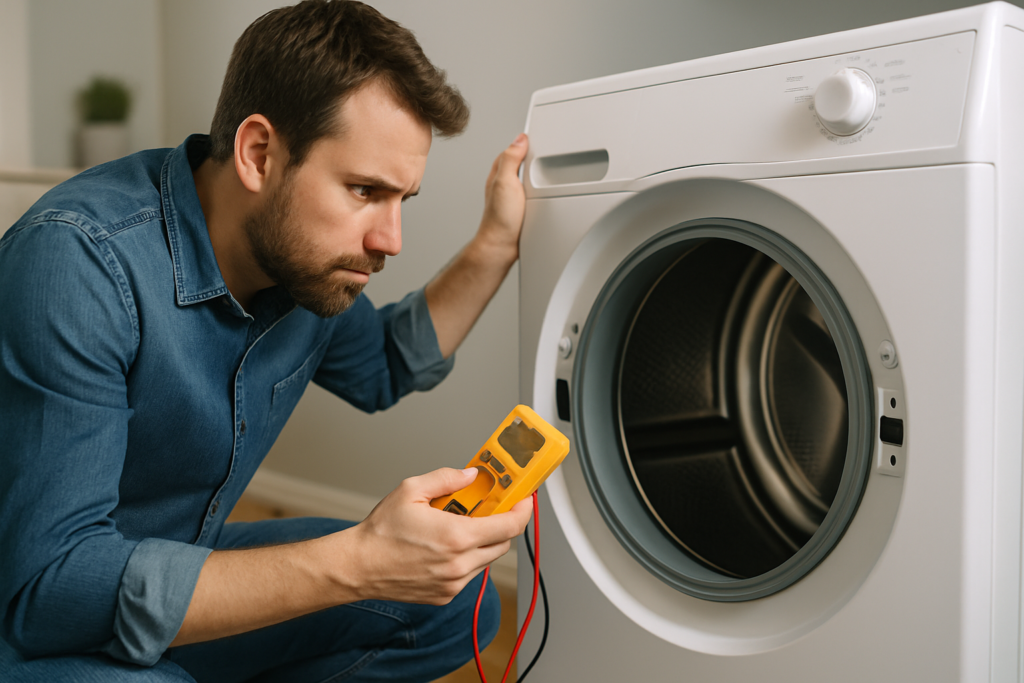
If you’ve checked all these components and your washer still won’t drain, you might have a more serious issue. A malfunctioning lid switch, faulty control board, or problems with the pump’s electrical connections require diagnostic tools and expertise most homeowners don’t have.
Also, if your washer is still under warranty, attempting repairs yourself could void that coverage. Check your warranty status before breaking out the tools.
Frequently Asked Questions
How often should I clean my washing machine drain filter?
Clean your drain filter every 2-3 months to prevent clogs from forming. If you wash pet bedding, work clothes, or do a lot of laundry, bump that up to monthly. Regular cleaning prevents small clogs from becoming big problems and extends your pump’s lifespan.
Can I use drain cleaner in my washing machine?
Don’t use chemical drain cleaners in your washing machine. These harsh chemicals can damage rubber hoses, seals, and plastic components. Stick with mechanical cleaning methods like removing debris by hand or flushing with plain water. If you need help breaking down soap residue, run an empty hot cycle with two cups of white vinegar.
This article contains affiliate links. We may earn a small commission at no extra cost to you.