There’s nothing quite like preheating your oven for dinner only to hear that telltale click as your circuit breaker trips. You’re left in the dark, resetting the breaker, and wondering if you should just order takeout instead. This isn’t just annoying. It’s a sign that something’s wrong, either with your oven or your electrical system.
An oven tripping your breaker isn’t normal, and ignoring it can lead to bigger problems down the road. The good news is that most causes are identifiable and fixable, whether you need a simple repair or a call to an electrician. Let’s break down what’s actually happening when your oven overloads your circuit and what you can do about it.
Understanding Electrical Load and Your Oven’s Power Requirements
Most electric ovens are power-hungry appliances. A standard electric oven pulls between 2,000 to 5,000 watts during operation, with larger double ovens on the higher end of that range. To handle this load, ovens typically require a dedicated 240-volt circuit with a 40 or 50-amp breaker.
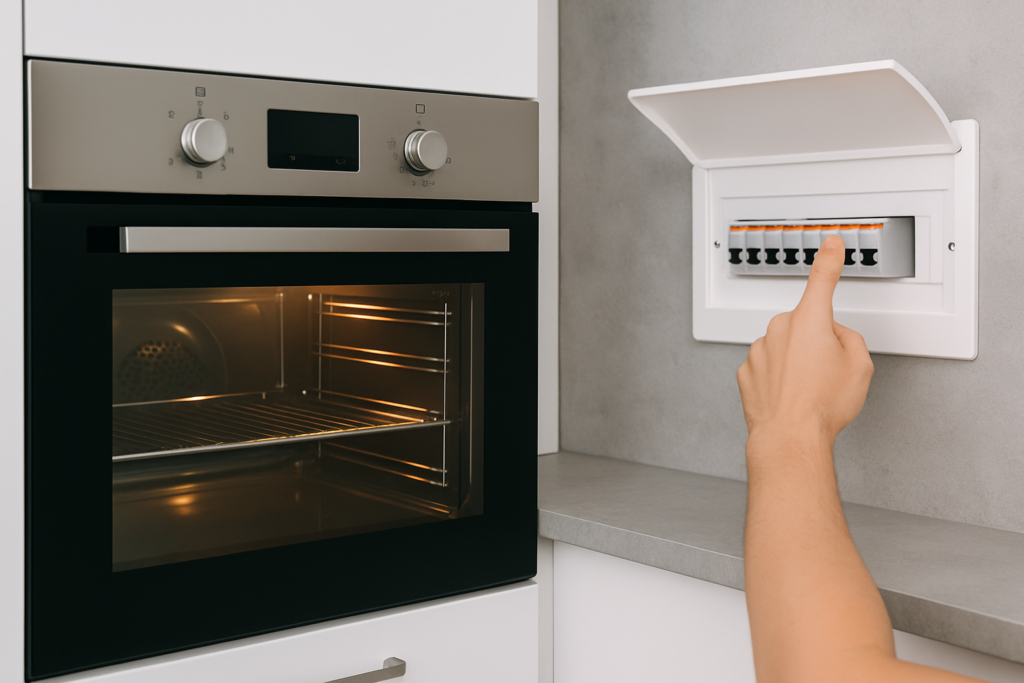
When your oven trips the breaker, it means the current flowing through the circuit exceeds what the breaker can safely handle. Breakers are designed to trip as a safety mechanism, preventing overheating and potential fires. They’re doing their job, but the question is why they need to.
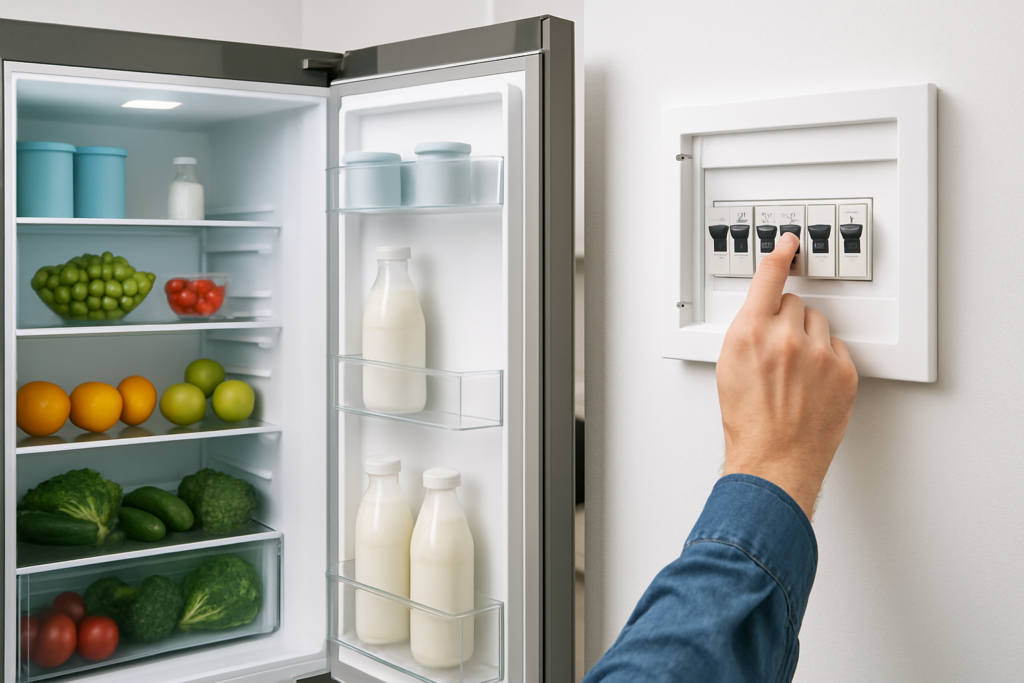
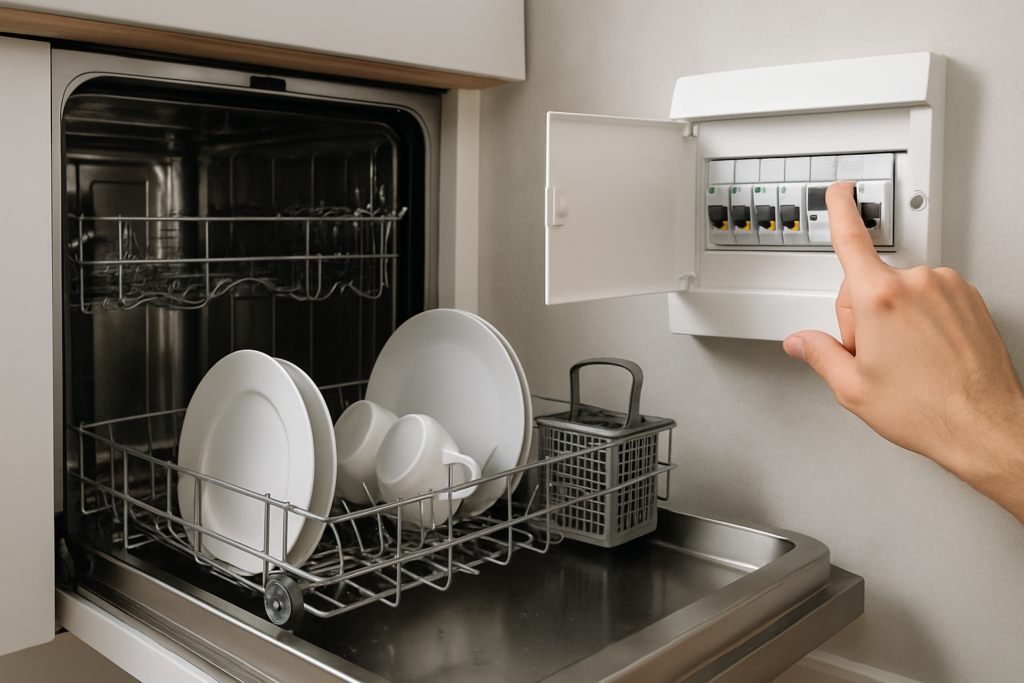
If you’re running other appliances on the same circuit as your oven, you’ve found your problem. Ovens should always be on their own dedicated circuit. Even a toaster or coffee maker sharing the line can push the total draw over the limit. Check your electrical panel to confirm your oven has its own breaker, and make sure nothing else is plugged into outlets on that same circuit.
Faulty Heating Elements Are Common Culprits
The heating elements in your oven, both the bake element at the bottom and the broil element at the top, can develop problems that cause electrical shorts. When an element starts to fail, it can draw irregular amounts of current or create a direct short to ground, instantly tripping your breaker.
You can often spot a bad heating element by visual inspection. Look for blistering, bubbling, or separation on the element’s surface. Sometimes you’ll see a visible break in the coil. Turn on your oven and watch the elements as they heat up. A failing element might glow unevenly, spark, or not heat at all before the breaker trips.

Oven Heating Element
Replacement heating elements are model-specific, so verify compatibility with your oven before ordering.
Replacing a heating element is actually one of the easier oven repairs. Most elements simply unplug or are held in with a couple of screws. Just make sure you disconnect power at the breaker before attempting any work. Match your replacement element to your oven’s exact model number for proper fit and voltage rating.
Internal Wiring Problems and Connection Issues
Over time, the wiring inside your oven can deteriorate from constant heating and cooling cycles. Loose connections, frayed wires, or burnt wire nuts can all create resistance or shorts that trip your breaker. This is particularly common in older ovens or those that have seen heavy use.
The terminal block where your oven’s power cord connects to the internal wiring is a frequent failure point. These connections carry high current and can loosen over time, creating arcing and heat damage. Pull out your oven and inspect the back panel where the power cord enters. Look for any discoloration, melted plastic, or burnt smells.
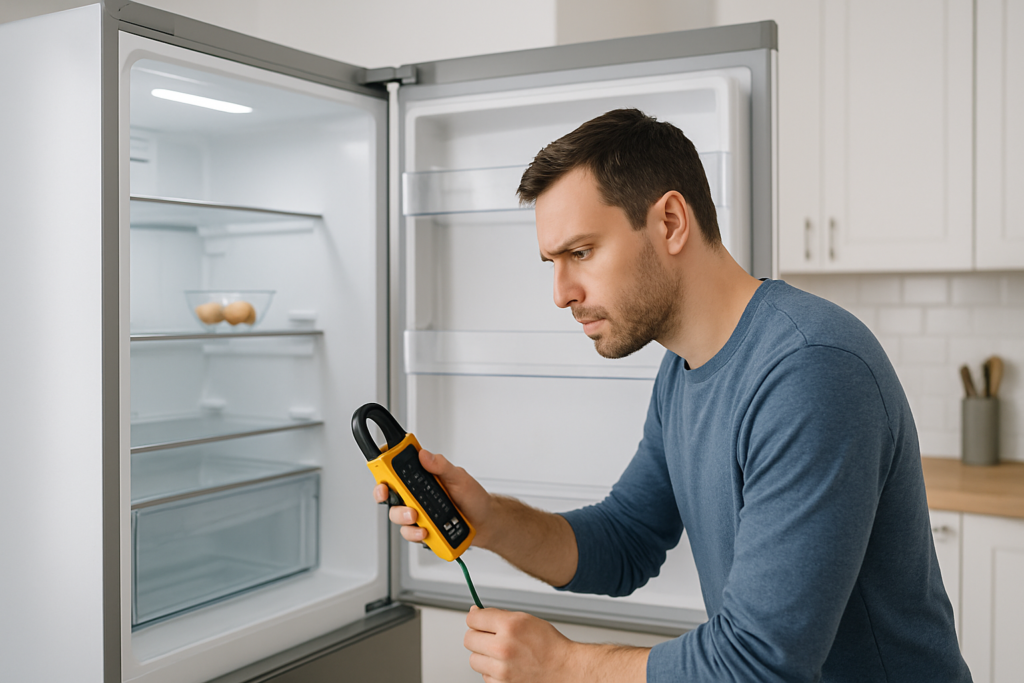
Internal wiring problems require more involved diagnosis. You’ll need to remove panels to access the wiring harness and check connections throughout the oven. Use a multimeter to test for continuity and shorts. If you’re not comfortable working with 240-volt circuits, this is when you should call a professional. High-voltage electrical work isn’t the place to learn by trial and error.
Worn Out Motors and Convection Fan Issues
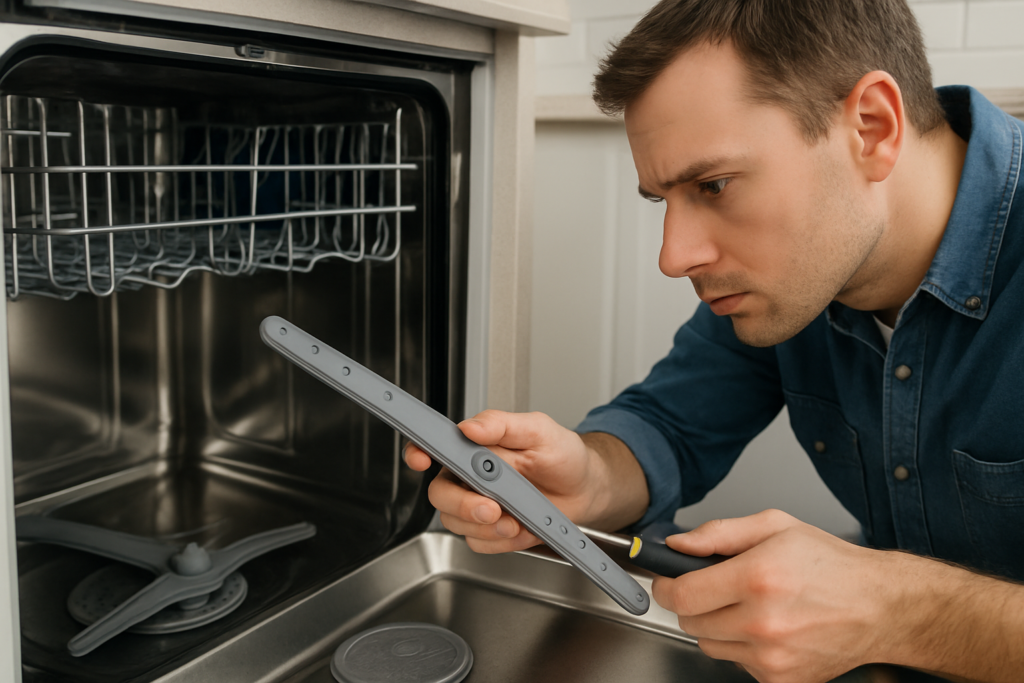
If you have a convection oven, the convection fan motor could be causing your breaker trips. Motors draw extra current when they start up, and a failing motor bearing or seized fan will draw even more as it struggles to turn. This surge can be enough to trip an oversized or already-loaded circuit.
Listen for unusual noises when your oven runs. A grinding, squealing, or humming sound from the back of the oven cavity often indicates a failing convection fan motor. The fan should spin freely when you rotate it by hand with the power off. If it’s stiff or catches, the motor bearings are likely worn out.
The cooling fan that runs after you turn off the oven can also develop similar problems. These fans keep the electronic control board and other components from overheating. A seized cooling fan might not trip the breaker immediately but can cause cumulative heat damage to other components that eventually lead to shorts.
When the Breaker Itself Is the Problem
Sometimes the issue isn’t your oven at all. Circuit breakers have a lifespan and can wear out, especially if they’ve tripped repeatedly over the years. A weakened breaker might trip at currents below its rated capacity, making it seem like your oven is drawing too much power when it’s actually within normal limits.
You can test this by checking if the breaker feels hot to the touch after it trips. A warm breaker is normal under load, but an excessively hot breaker or one that’s hot when nothing is running indicates a problem. Also check for any visible damage, corrosion, or loose connections at the breaker itself.
Breaker replacement requires working inside your main electrical panel, which carries serious shock and electrocution risks. This job is best left to a licensed electrician. They can also verify that your breaker is properly sized for your oven’s requirements and that your home’s electrical service can handle the load.

Circuit Breaker Finder
This tool helps you identify which breaker controls which outlets and appliances without trial and error.
Quick Troubleshooting Steps You Can Try
Before calling for repairs, try these diagnostic steps. First, reset the breaker and run your oven on bake mode at 350°F without using any other features. If it trips immediately, you likely have a shorted element or wiring issue. If it runs for a while before tripping, you might be dealing with an overloaded circuit or weakened breaker.
Next, test the broiler independently. Turn off bake mode and switch to broil. If the broiler trips the breaker but baking doesn’t, your broil element is the culprit. If baking trips it but broiling doesn’t, replace the bake element.
Check the self-cleaning cycle if your oven has one. Self-cleaning uses extremely high temperatures and maximum power draw. If your oven works fine for normal cooking but trips during self-clean, your circuit might be marginally undersized, or you have a component that fails under maximum heat stress.
Prevention and Maintenance Tips
Regular maintenance can prevent many of these issues. Keep your oven clean, especially around the heating elements. Built-up food debris can carbonize and create conductive paths that lead to shorts. Wipe up spills promptly and avoid using excessive water when cleaning, as moisture can damage electrical components.
Inspect your oven’s power cord annually. Look for any cracks, exposed wires, or damage where it connects to the wall outlet or the oven itself. A damaged power cord is a fire hazard and can cause intermittent breaker trips.
Consider having your oven professionally inspected every few years, especially if it’s more than 10 years old. A technician can check electrical connections, test components, and catch potential problems before they leave you without a working oven at dinner time.
Frequently Asked Questions
Can I just use a higher amp breaker to stop the tripping?
No, never upgrade to a larger breaker without also upgrading the wire gauge. The breaker protects the wiring from overheating. A 40-amp circuit requires 8-gauge wire, while a 50-amp circuit needs 6-gauge wire. Using a larger breaker with undersized wire creates a serious fire hazard. If your oven needs more power than your current circuit provides, you need an electrician to install new wiring.
Why does my oven only trip the breaker sometimes?
Intermittent tripping usually indicates a component that fails under certain conditions. A heating element might short only when it reaches a certain temperature and expands. A motor bearing might bind when it’s cold but work fine once warmed up. Temperature-sensitive failures are tricky to diagnose because the problem disappears by the time you can inspect it. Document when the tripping occurs (during preheat, after 20 minutes, only on broil) to help narrow down the cause.
Is it safe to keep resetting the breaker and using my oven?
No. Each time your breaker trips, it’s telling you that something is wrong. Repeatedly resetting and using the oven can damage the breaker itself, overheat wiring inside your walls, or cause a component failure that results in a fire. Once your oven starts tripping breakers, stop using it until you identify and fix the problem. The minor inconvenience of not having an oven beats the major inconvenience of an electrical fire.
This article contains affiliate links. We may earn a small commission at no extra cost to you.