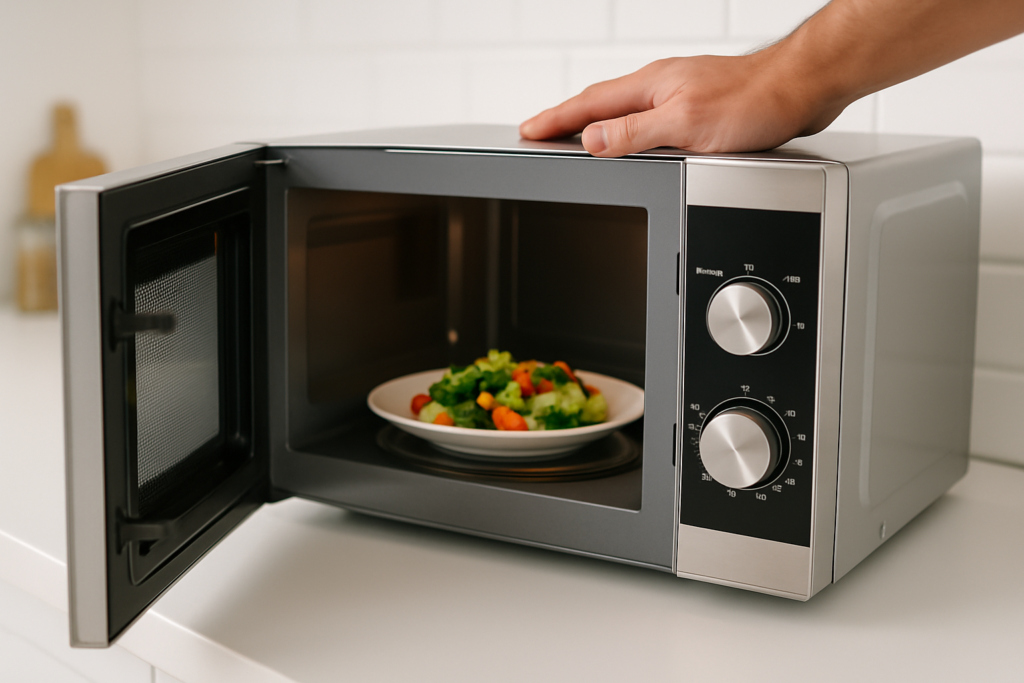
You open your microwave expecting to find your leftovers properly chilled, only to discover lukewarm food and condensation pooling inside. Wait, microwaves don’t cool food. But if you’ve got a microwave-refrigerator combo unit or you’re confusing your mini fridge with your microwave, you’re dealing with a cooling problem that needs attention fast.
Before you panic and start shopping for a replacement, most cooling issues in compact refrigeration units can be diagnosed and often fixed without calling a technician. Let’s walk through the most common culprits and what you can do about them.
Understanding How Your Unit Actually Cools
Most compact cooling appliances work on the same basic principle as your full-size refrigerator. A compressor pumps refrigerant through coils, absorbing heat from inside and releasing it outside. When any part of this system fails or gets blocked, your unit stops cooling effectively.
The three main problem areas are airflow restrictions, dirty or damaged coils, and compressor malfunctions. Each has distinct symptoms and different difficulty levels for repair.
Airflow Restrictions: The Most Common Culprit
Blocked vents account for roughly 60% of cooling complaints in compact refrigeration units. Your appliance needs consistent airflow to move cold air throughout the interior and exhaust heat from the back or sides.
Check the vents inside your unit first. Are they blocked by food containers or ice buildup? Many people accidentally cover the intake vents with tall items, which prevents cold air from circulating. You’ll notice this problem when some areas stay cold while others feel warm.
Next, inspect the exterior vents. Pull your unit away from the wall and look at the condenser area. Dust, pet hair, and kitchen grease create an insulating layer that prevents heat from escaping. When heat can’t exhaust properly, your compressor works overtime and still can’t maintain temperature.
Clean these vents using a refrigerator coil brush or a vacuum with a brush attachment. Do this every three months if you have pets, every six months otherwise. This simple maintenance task can restore cooling performance immediately.

Refrigerator Coil Cleaning Brush
A specialized brush makes cleaning condenser coils much easier than using standard tools
Dirty or Damaged Condenser Coils
Even if your vents are clear, the condenser coils themselves might be the problem. These coils run along the back or bottom of your unit and are responsible for releasing heat. When they’re caked with debris or physically damaged, cooling efficiency drops dramatically.
Unplug your unit and locate the condenser coils. They look like a radiator with thin metal fins. Run your hand near them (without touching) while the unit is plugged in. They should feel warm to hot. If they’re cool or only slightly warm, you’ve likely found your problem.
Clean the coils thoroughly using a coil cleaner spray and brush. Work gently because these fins bend easily. Bent fins restrict airflow just as badly as dirt buildup. You can straighten minor bends with a fin comb, but extensive damage means you’ll need replacement coils.
While you’re back there, check for any obvious signs of refrigerant leaks. Look for oily residue or frost buildup in unusual spots. Refrigerant leaks require professional repair since handling refrigerant without proper certification is illegal in most areas.
Compressor Problems: When to Call It
The compressor is the heart of your cooling system. When it fails, you’ll hear it. A healthy compressor makes a steady humming sound with occasional clicks as it cycles on and off. A failing compressor clicks repeatedly without starting, makes grinding noises, or runs constantly without achieving proper temperature.
Put your hand on the compressor (the black cylindrical component near the coils). It should feel warm and vibrate slightly. If it’s extremely hot or completely silent despite being plugged in, the compressor likely needs replacement.
Compressor replacement typically costs more than buying a new unit for compact appliances. Before you make that decision, test the start relay and overload protector. These small components can fail and mimic compressor problems, but they’re inexpensive to replace.

Universal Refrigerator Start Relay
Replacing the start relay is an affordable first step before assuming your compressor is dead
You’ll find these components attached directly to the compressor. They’re usually held in place by a metal clip or small screws. Replacement start relays and overload protectors are model-specific, so have your unit’s model number ready when shopping.
Temperature Control and Thermostat Issues
Sometimes your unit is cooling just fine, but the temperature control isn’t telling it when to stop or start. A faulty thermostat can make your appliance run too warm, too cold, or not at all.
Test this by turning the temperature dial from minimum to maximum. You should hear a click when it activates. Place a refrigerator thermometer inside and monitor the actual temperature versus your setting. If there’s a major discrepancy (more than 5 degrees), your thermostat needs attention.
Thermostats can often be adjusted using a small calibration screw on the back of the control. Turn it slightly clockwise to make the unit run colder, counterclockwise for warmer. Make tiny adjustments and wait 24 hours between changes to see the full effect.
Quick Fixes Before You Buy Parts
Before ordering replacement components, try these simple solutions that solve problems more often than you’d expect:
- Unplug the unit for 24 hours to allow any ice buildup in the cooling system to fully melt
- Ensure the door seal is clean and closes tightly (a dollar bill should stick when closed)
- Verify the unit is level (front-to-back and side-to-side) using a bubble level
- Check that the unit isn’t overfilled, which blocks air circulation
- Confirm the room temperature isn’t too hot (most units struggle above 80°F)
These environmental factors affect cooling performance more than most people realize. A unit that works fine in spring might struggle in summer simply because your kitchen temperature increased by 10 degrees.
Frequently Asked Questions
How long should I wait after moving a refrigerator before plugging it in?
Wait at least 4 hours, preferably 24 hours, before plugging in a refrigerator after moving it. This allows the compressor oil to settle back into place. Running a compressor with oil in the wrong location can cause immediate damage.
Can I use my refrigerator while it’s not cooling properly?
Don’t store perishable food in a unit that can’t maintain temperatures below 40°F. You risk foodborne illness. Use a refrigerator thermometer to monitor the actual temperature. Move perishables to a working fridge until you’ve completed repairs.
How do I know if my refrigerant is leaking?
Signs of refrigerant leaks include oily residue around the coils, frost buildup in strange locations, a chemical smell, and progressively worsening cooling despite the compressor running constantly. Refrigerant leaks require professional repair since handling refrigerant requires EPA certification.
This article contains affiliate links. We may earn a small commission at no extra cost to you.