You open your freezer expecting to hear the familiar hum of the motor, but something’s off. There’s no spinning, no cooling, and suddenly you’re facing the very real possibility of losing all that frozen food. While freezers are reliable appliances, they do have moving parts that can fail, and when they do, you need to know what’s causing the problem.
The good news is that most freezer spinning issues come down to a few common culprits: worn belts, failed motors, or faulty lid switches. Understanding what’s happening inside your freezer can help you diagnose the problem quickly and decide whether you can fix it yourself or need to call in a pro.
Understanding the Belt System in Your Freezer
Many older chest freezers and some upright models use a belt-driven system to power the fan that circulates cold air. This belt connects the motor to the fan blade, and over time, it can stretch, crack, or break completely.
When your belt starts to fail, you might notice a squealing sound before it stops working entirely. Once it breaks, the motor will still run, but the fan won’t spin. This means your compressor is working hard but the cold air isn’t circulating properly throughout the freezer compartment.
Checking the belt is relatively simple. Unplug your freezer first (safety always comes first), then remove the back panel or access cover. Look for signs of wear like cracks, fraying, or a shiny glazed appearance. A healthy belt should have some texture and flex without feeling brittle.
Replacing a freezer belt typically involves removing the old belt, cleaning the pulleys, and installing a new one. Make sure you get the correct size for your specific model. Check your owner’s manual or the manufacturer’s website for the part number.

Freezer Drive Belt
Essential replacement part for restoring proper air circulation in belt-driven freezer models
When the Motor Gives Out
The evaporator fan motor is the heart of your freezer’s cooling system. When this motor fails, nothing spins, and your freezer becomes just an insulated box. Motor failures often happen gradually, with warning signs you might have missed.
Listen for unusual noises like grinding, clicking, or buzzing. These sounds indicate the motor bearings are wearing out. You might also notice frost buildup in unusual patterns, since the air isn’t circulating to prevent ice formation in specific areas.
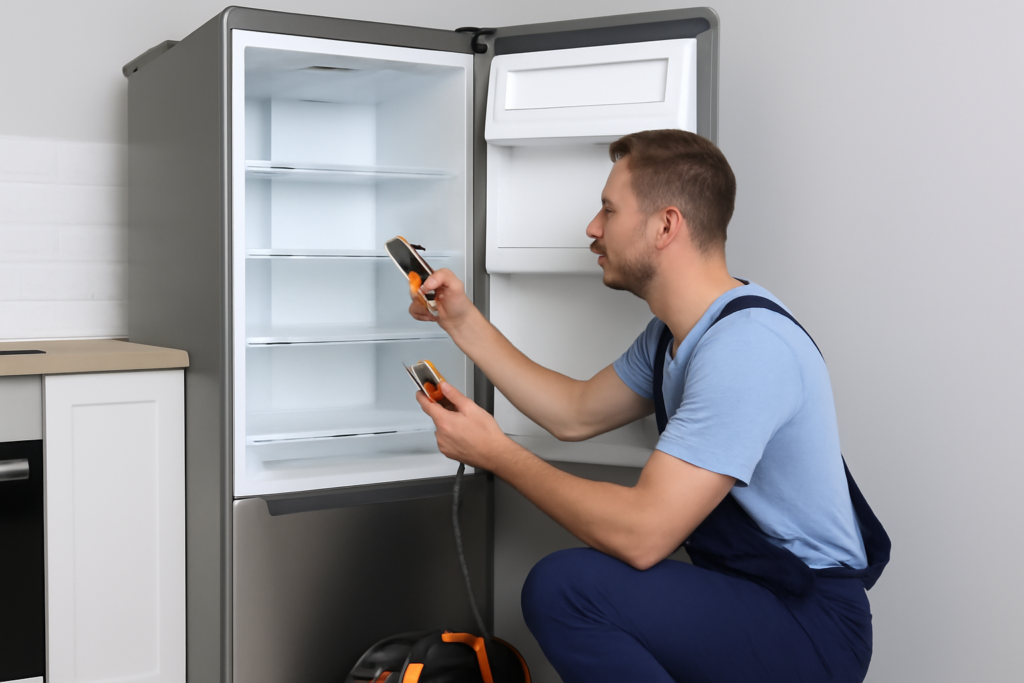
Testing the motor requires a multimeter to check for electrical continuity. Set your multimeter to the lowest ohm setting and touch the probes to the motor terminals. Most freezer fan motors should read between 100 and 300 ohms. A reading of zero (dead short) or infinity (open circuit) means the motor needs replacement.
Motor replacement is more involved than changing a belt. You’ll need to disconnect wire harnesses, remove mounting screws, and sometimes navigate around other components. Take photos as you disassemble things so you can reference them during reassembly.

Freezer Evaporator Fan Motor
Critical component for maintaining proper temperature and air circulation throughout your freezer
The Often Overlooked Lid Switch Problem
Here’s something many people don’t realize: chest freezers have a safety switch on the lid, and upright freezers have one on the door. This switch cuts power to the fan when you open the freezer, preventing cold air from being blown out while you’re grabbing your frozen pizza.
When this switch fails in the open position, your freezer thinks the door is always open, so it never allows the fan to spin. The compressor might still run, but without air circulation, your food won’t stay frozen properly.
Testing the lid switch is simple. Locate it near the door or lid hinge (it’s usually a small plunger-style switch). Press it manually while the freezer is running. You should hear the fan start up. You can also test it with a multimeter set to continuity mode. The switch should show continuity when pressed and no continuity when released.
Replacing a faulty lid switch is one of the easier freezer repairs. Most switches are held in place with a single screw or clip. Disconnect the wires (take a photo first), remove the old switch, and install the new one. Make sure the new switch is positioned so the door or lid activates it properly.
Troubleshooting Steps Before You Start Repairs
Before you tear into your freezer with tools, run through these quick checks. First, make sure you’re actually dealing with a fan problem and not something else. Put your hand near the vents inside the freezer. You should feel cold air moving when the compressor is running.
Check your circuit breaker and make sure the freezer is getting power. Look at the temperature settings to confirm someone didn’t accidentally turn it down or off. These simple checks can save you from unnecessary repairs.
Inspect for ice buildup around the fan area. Sometimes frost accumulation can physically block the fan blades from spinning. A appliance thermometer can help you monitor whether your freezer is maintaining proper temperature while you diagnose the issue.
Document the model and serial number from the plate inside your freezer before ordering parts. Freezer components aren’t universal, and getting the wrong motor or switch means waiting longer while your food thaws.
When to Call a Professional
Some repairs are better left to certified technicians. Anything involving the refrigerant system, compressor work, or sealed system components requires specialized tools and EPA certification to handle refrigerants legally.
If you’ve replaced the obvious parts like the belt, motor, and switch but the fan still won’t spin, you might have a control board issue. These electronic components require diagnostic equipment most homeowners don’t have.
Consider the age of your freezer too. If it’s more than 10-12 years old and needs major repairs, the money might be better spent on a new energy-efficient model. Modern freezers use significantly less electricity and come with better temperature controls.
Frequently Asked Questions
How long should a freezer fan motor last?
Most freezer fan motors last between 8-12 years under normal conditions. Factors like how often you open the freezer, ambient temperature, and whether the freezer is overloaded can affect motor lifespan. Motors in garage freezers that experience temperature extremes may fail sooner.
Can I run my freezer without the fan spinning?
You shouldn’t run your freezer long-term without a working fan. While the compressor will still cool the evaporator coils, the lack of air circulation causes uneven temperatures, excessive frost buildup, and eventually compressor failure from overwork. Move perishables to another freezer and make repairs quickly.
Why does my freezer fan only spin sometimes?
Intermittent fan operation usually points to a failing motor bearing, loose wire connection, or defective control board. The motor might work when cold but fail as it warms up, or vibration could cause a loose connection to make and break contact. Check all wire connections first, then test the motor with a multimeter.
This article contains affiliate links. We may earn a small commission at no extra cost to you.