Your hardwood floors have lost their shine, and walking across them feels more like shuffling across dull, worn-out wood than gliding over a polished surface. Before you resign yourself to an expensive, disruptive sanding project, you should know there are several effective ways to bring those floors back to life without the dust, noise, and cost of traditional refinishing.
Most hardwood floors just need some love and attention, not a complete overhaul. You can restore their beauty using techniques that take a fraction of the time and won’t require you to move out for a weekend.
Understanding Why Your Floors Look Dull
Dullness happens when the protective finish on your hardwood wears down from foot traffic, dirt, and improper cleaning products. The actual wood underneath is usually fine. You’re just dealing with a tired top coat that needs refreshing.
Most floors can go 7-10 years between full refinishing jobs. In between, they benefit from restoration techniques that address surface-level wear without touching the wood itself. This distinction matters because you only have so many sandings in a floor’s lifetime before you hit the subfloor.
The Screen and Recoat Method
This is your best option for floors that still have their finish intact but look tired. The process involves lightly abrading the existing finish with a floor buffer and a special screening pad, then applying a fresh coat of polyurethane.
You’ll need to rent a floor buffer from your local hardware store. These typically come with a daily rental rate and include the necessary screening pads. Unlike sanding, this method creates minimal dust and you can walk on the floors within a few hours.

Floor Buffer Rental Alternative
If you can’t rent locally, some homeowners find success with electric floor polishers that work for smaller spaces
Clean the floors thoroughly before screening. Any dirt or debris will get caught in your new finish coat. Use a pH-neutral hardwood floor cleaner and let everything dry completely for at least 24 hours.
When you apply the screening pad, keep the buffer moving in smooth, overlapping passes. Don’t let it sit in one spot or you’ll create uneven patches. After screening, vacuum meticulously, then use a tack cloth to pick up every last dust particle.
For the new finish coat, water-based polyurethane dries faster and has less odor than oil-based versions. Apply it with a lamb’s wool applicator or a microfiber mop designed for floor finishing. Two thin coats beat one thick coat every time.
DIY Cleaning Solutions That Actually Work
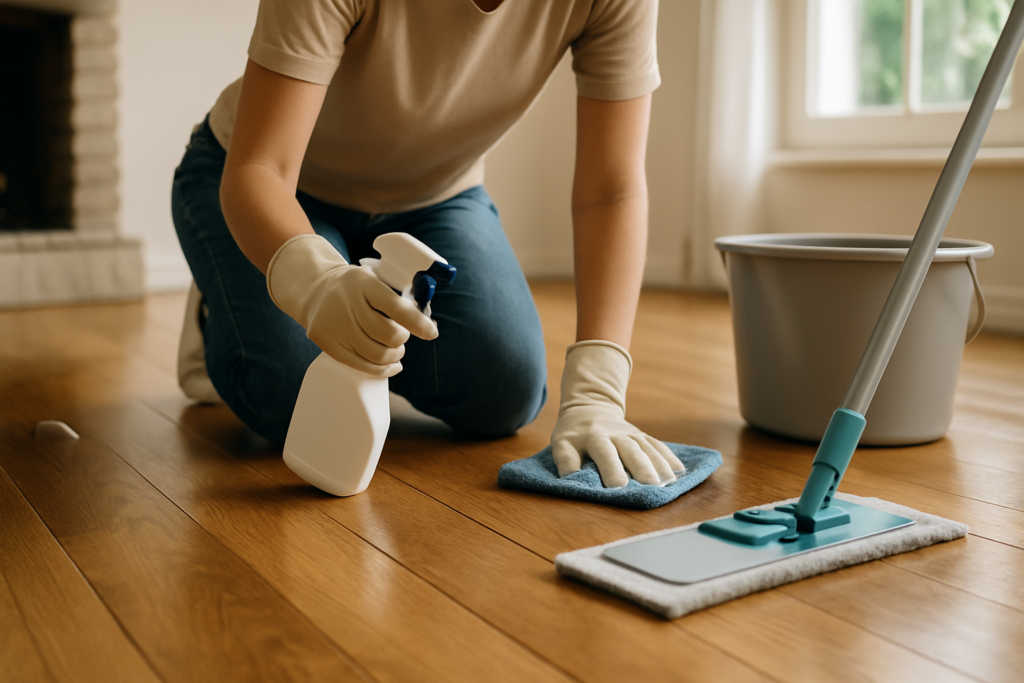
Sometimes your floors just need a proper deep clean. Many commercial cleaners leave behind residue that builds up over time, creating that cloudy, dull appearance.
Mix one cup of distilled white vinegar with one gallon of warm water. This simple solution cuts through grime without damaging your finish. Add a few drops of dish soap if you’re dealing with particularly grimy floors, but rinse with plain water afterward to prevent soap buildup.
Black tea works surprisingly well for adding shine. Steep four tea bags in a quart of boiling water, let it cool, then use it to mop your floors. The tannic acid brings out the wood’s natural color and adds a subtle sheen.

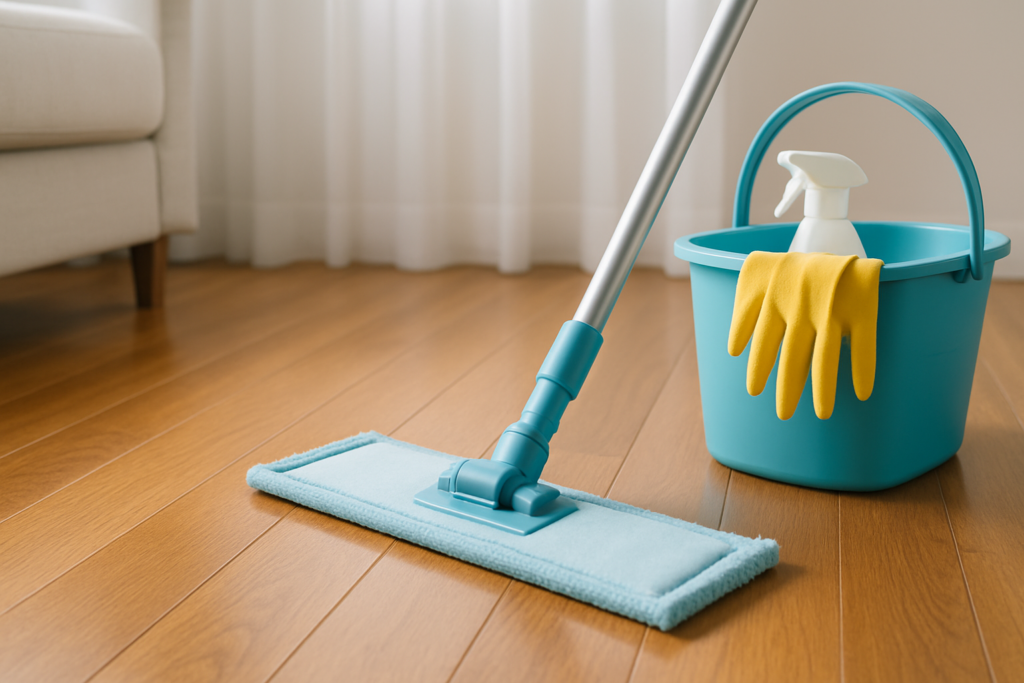
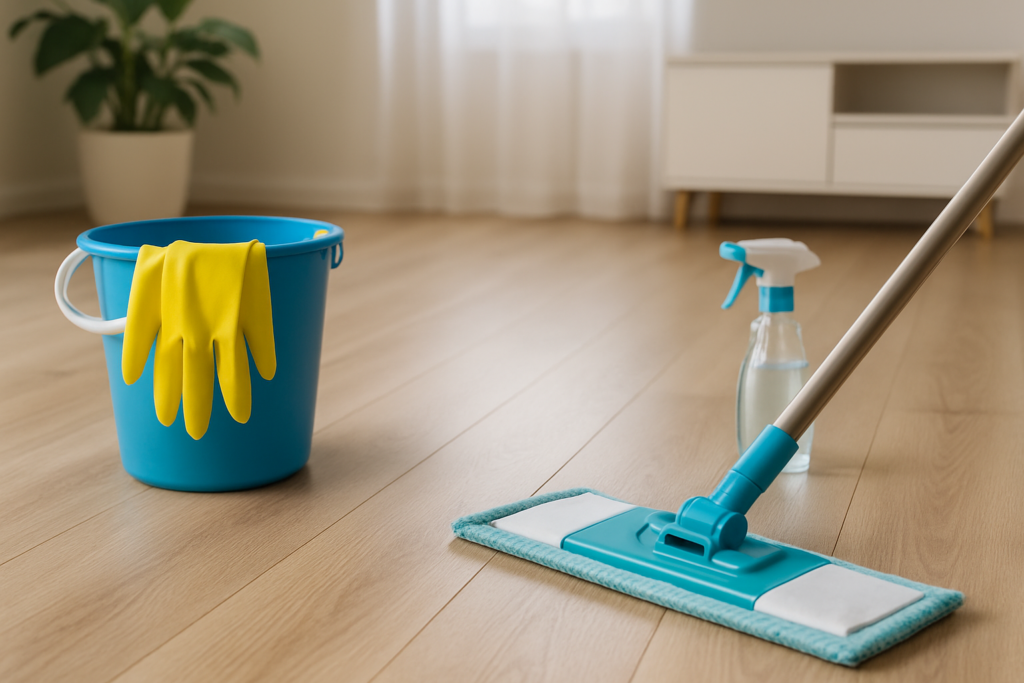
Microfiber Floor Mop
Essential for keeping moisture minimal while cleaning hardwood floors effectively
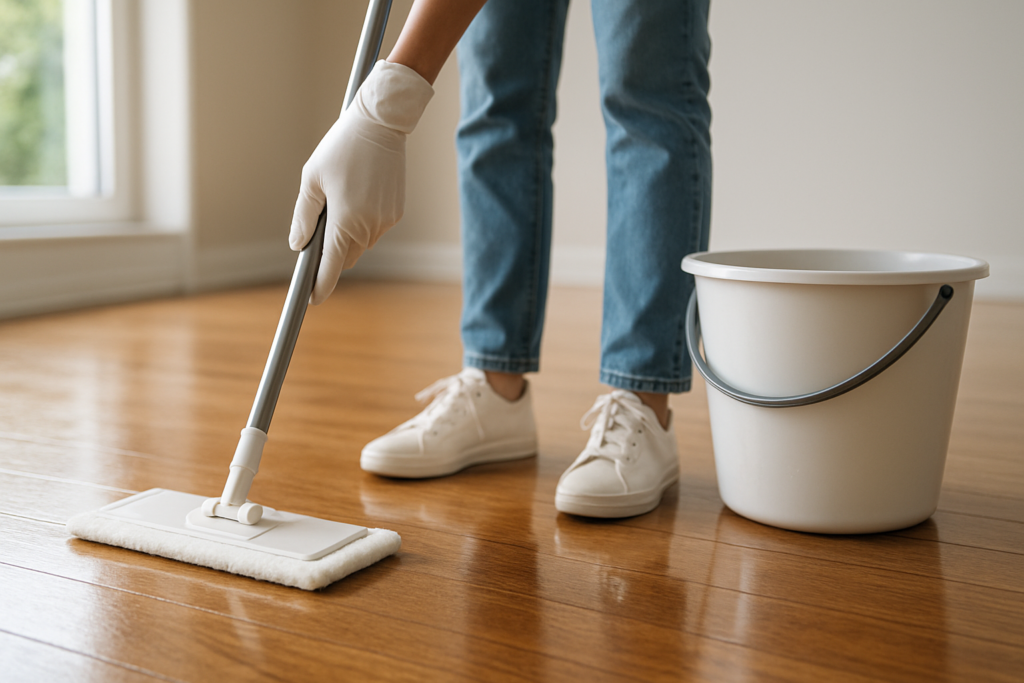
Never use excessive water on hardwood. Your mop should be damp, not soaking wet. Wring it out thoroughly before each pass across the floor. Standing water is hardwood’s worst enemy.
Buffing and Polishing Techniques
After cleaning, you can add shine with hardwood floor restorer polish products. These fill in minor scratches and create a protective layer that reflects light better than worn finish.
Apply polish in thin, even coats using a clean microfiber mop. Work in sections and buff each area with a dry cloth or a electric floor buffer set to low speed. The buffing action is what creates the shine, not the amount of product you use.
Some restorers contain aluminum oxide particles that actually harden as they cure, giving you added protection in high-traffic areas. Look for products specifically labeled as “restorers” rather than just “polishes” if you want this extra durability.
Protective Strategies to Maintain Your Restoration
Once you’ve restored your floors, protect your work with some simple preventative measures. Place felt pads under all furniture legs. Replace them every six months since they compress and lose effectiveness.
Entry mats make a real difference. Put one outside each entrance and another just inside. This two-mat system catches the majority of dirt and grit before it reaches your hardwood. The particles you don’t see are what cause the most finish wear over time.
Area rugs work well in high-traffic zones, but make sure they have non-slip backings that won’t trap moisture. Rubber-backed rugs can discolor hardwood, especially when combined with sunlight exposure.
Seasonal Maintenance Tips
Winter requires extra attention because heating systems dry out indoor air. This causes hardwood to contract, which can stress the finish. Run a humidifier to keep indoor humidity between 35-55%.
Summer humidity has the opposite effect. Your floors will expand slightly, and excess moisture can dull the finish. Run your air conditioning or a dehumidifier to maintain stable conditions.
Perform a deep clean and polish application twice a year, ideally in spring and fall. This schedule keeps the finish refreshed and prevents the kind of deep-set dullness that requires more aggressive restoration.
When You Actually Need Professional Refinishing
Some situations call for the real deal. If you can see bare wood in multiple spots, no amount of screening and recoating will help. The finish is gone and you need to sand down to fresh wood.
Deep scratches that penetrate through the finish into the wood itself won’t buff out. You might be able to spot-treat small areas with wood filler and touch-up markers, but widespread damage needs professional attention.
Water damage creates dark stains that go deep into the wood fibers. These require sanding to remove. Surface treatments just hide the problem temporarily.
Another sign you need refinishing is when the floor feels rough or splintery underfoot. This means the finish has completely worn away and the wood is beginning to degrade from exposure.
Frequently Asked Questions
How often should I use floor restorer products?
Apply restorer products every 3-4 months in high-traffic areas, less frequently in rooms that see lighter use. Over-application creates buildup that actually makes floors look duller, so resist the urge to polish monthly. Regular sweeping and damp mopping with plain water between applications keeps floors looking good without product overload.
Can I screen and recoat floors with heavy furniture still in place?
You need to clear the room completely for screening and recoating. The buffer needs unobstructed access to the entire floor, and you can’t apply a uniform finish coat around furniture. This isn’t like mopping where you can work around obstacles. Plan to move everything out or at least shift furniture from one half of the room to the other, completing the job in two stages.
Will vinegar damage my hardwood floor finish over time?
Properly diluted vinegar is safe for most hardwood finishes when used occasionally. The one-cup-per-gallon ratio is mild enough that it won’t harm polyurethane or similar modern finishes. Avoid vinegar on waxed floors or unfinished wood. For regular maintenance between deep cleans, plain water works fine and eliminates any concerns about acidity affecting the finish.
This article contains affiliate links. We may earn a small commission at no extra cost to you.