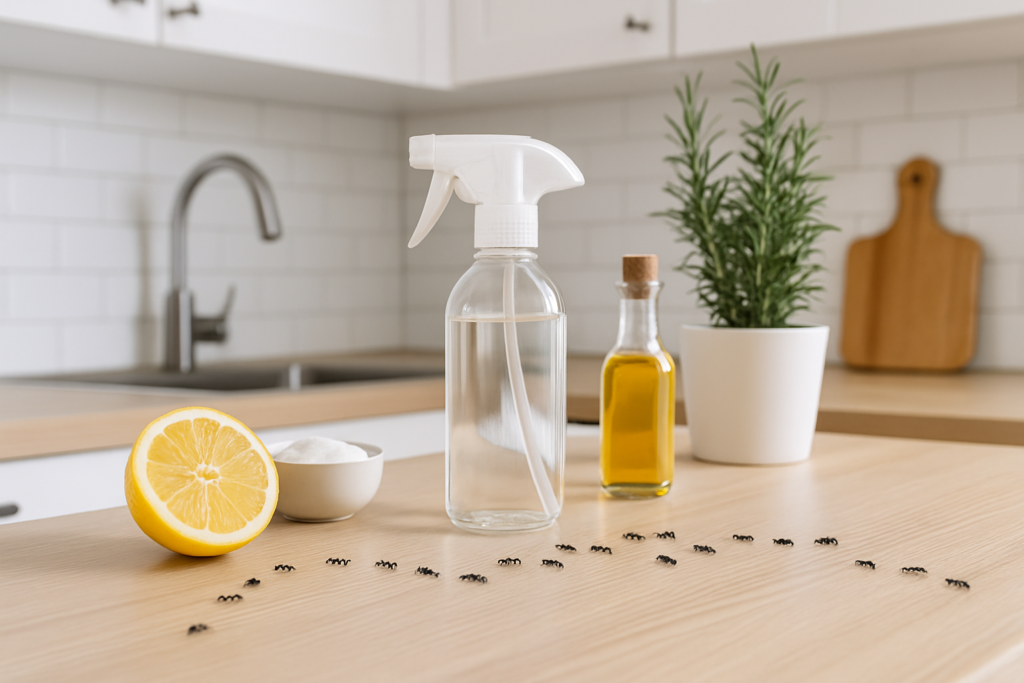
Ants marching across your kitchen counter can turn breakfast prep into a frustrating battle. You wipe down the surface, only to see them return an hour later, following invisible trails to crumbs you swear you already cleaned. The good news is that you don’t need harsh chemicals to win this war. Natural ant prevention works when you understand what attracts these persistent insects and how to disrupt their routines.
I’ve spent years testing different natural methods in my own kitchen, and I can tell you that consistency matters more than any single miracle product. The strategies below work best when you layer them together, creating multiple barriers that ants simply won’t cross.
Understanding Seasonal Ant Patterns
Ants don’t invade your kitchen randomly. They follow predictable seasonal patterns that you can anticipate and prepare for. Spring typically brings the first scouts as colonies wake up and search for food sources. Summer means full-scale foraging activity, especially during hot, dry spells when outdoor food becomes scarce.
Fall can actually be worse than summer in some regions. As temperatures drop, ants look for warm spots to establish satellite colonies, and your kitchen walls provide perfect insulation. Winter activity drops significantly in most climates, but houses with heating systems can still see activity around warm areas like dishwashers and refrigerators.
Pay attention to when you first spot ants each year. That’s your signal to start preventive measures before the problem escalates. A single scout today becomes a highway of workers tomorrow once it reports back to the colony.
Essential Oil Barriers That Actually Work
Not all essential oils repel ants equally well. Peppermint oil gets mentioned constantly online, but in my experience, it’s actually one of the weaker options. Tea tree oil, clove oil, and lemon eucalyptus oil deliver much better results.
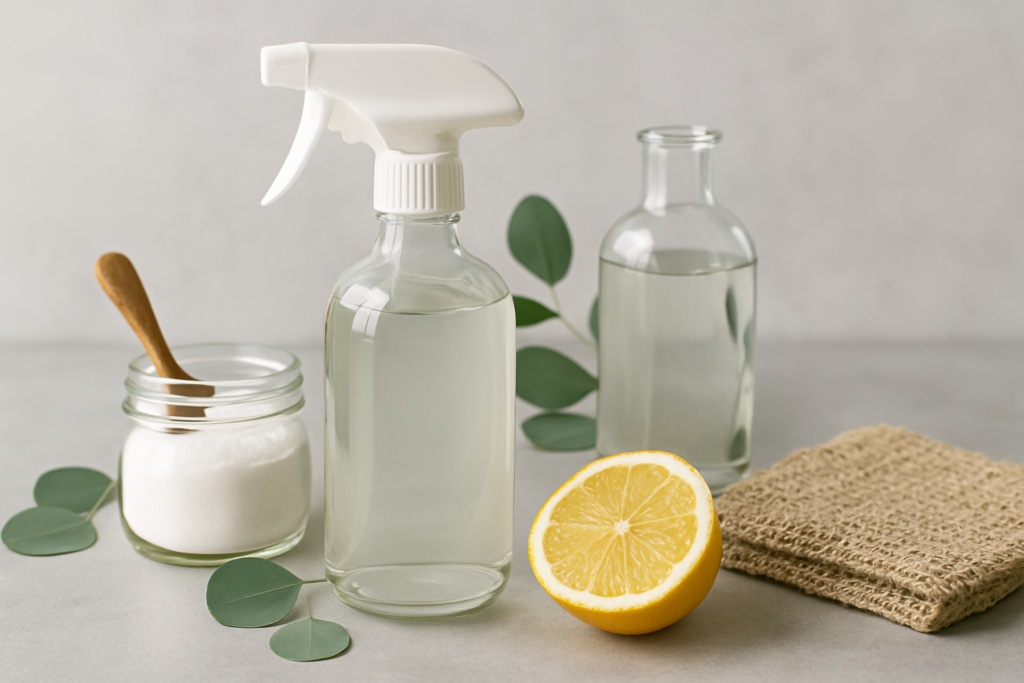
Mix 10-15 drops of essential oil with one cup of water and a teaspoon of dish soap in a spray bottle. The soap acts as an emulsifier, helping the oil distribute evenly instead of floating on top. Spray this mixture along baseboards, around door frames, and anywhere you’ve seen ant activity.
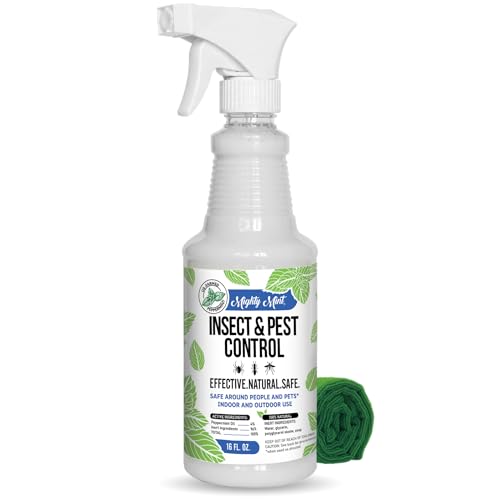
Natural Ant Repellent Essential Oil Spray
Pre-mixed sprays save time and often combine multiple effective oils for better results
Reapply every 2-3 days for active infestations, then weekly for maintenance. The scent fades faster than you think, especially in high-traffic areas. Don’t just spray where you see ants. Treat potential entry points even if they’re currently ant-free.
For a stronger barrier, soak cotton balls in undiluted essential oil and place them in corners, behind appliances, and inside cabinets. Replace these every week. This method works particularly well for areas where you can’t spray directly.
Diatomaceous Earth: The Physical Barrier
Food-grade diatomaceous earth kills ants through physical action, not poison. The microscopic sharp edges damage their exoskeletons, causing them to dehydrate. This means ants can’t develop resistance to it like they do with chemical pesticides.
Apply a thin line of food-grade diatomaceous earth along baseboards, under appliances, and across thresholds. Use a flour sifter or squeeze bottle for even application. You want a barely visible dusting, not piles. Too much and ants will simply walk around it.
Diatomaceous earth stops working when wet, so avoid using it in damp areas or where you regularly mop. For countertops, apply it at night and vacuum it up in the morning. This nighttime barrier catches foraging ants while keeping your food prep surfaces clean during the day.
Keep diatomaceous earth away from areas where you or your pets might breathe in the dust. While it’s non-toxic, the fine particles can irritate lungs. A dust mask during application is smart if you’re treating large areas.
Vinegar: More Than Just a Cleaner
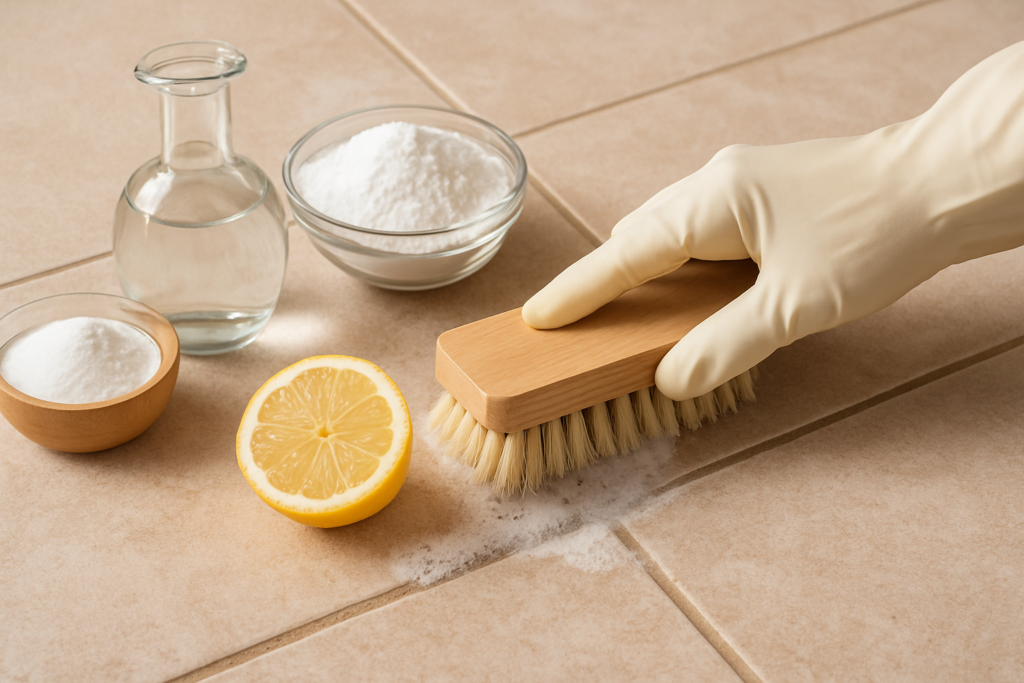
White vinegar disrupts ant pheromone trails, which is why it’s so effective for immediate problems. Ants follow chemical trails laid down by scouts, and vinegar erases these highways completely. Mix equal parts white vinegar and water in a spray bottle.
Wipe down counters, sinks, and floors with this solution daily during ant season. Focus on areas where you’ve seen activity, but also treat the entire counter surface. Ants often establish multiple trails, and you might not notice the less-traveled routes.

White Vinegar Gallon Jug
Buy in bulk since you’ll use gallons of this during peak ant season
The vinegar smell dissipates quickly, but the trail-disrupting effect lasts several hours. Some people add a few drops of dish soap to help the solution cling to vertical surfaces. This works great for treating walls near entry points.
Don’t use vinegar on natural stone countertops like granite or marble. The acidity can etch the surface over time. For these materials, stick with plain soap and water followed by an essential oil spray.
Sealing Entry Points Permanently
All the repellents in the world won’t help if ants can waltz through a quarter-inch gap under your door. Grab a flashlight and inspect your kitchen carefully. Look for cracks around pipes, gaps where walls meet floors, and spaces around electrical outlets.
Silicone caulk seals most small cracks effectively. Choose white or clear for visible areas, and make sure you buy kitchen and bath formula that resists mold. For larger gaps, use expanding foam first, then trim it flush and cover with caulk for a finished look.
Door sweeps make a huge difference on exterior doors. Ants can fit through the tiniest spaces, and the gap under most doors might as well be a six-lane highway. Install door sweeps on all exterior doors that lead to your kitchen area.
Windows need attention too. Check that screens fit tightly and have no tears. Apply weatherstripping around window frames if you feel air movement when they’re closed. Those same gaps that leak air also welcome ants.
When to Combine Natural Methods with Baits
Sometimes you need to eliminate the colony, not just repel scouts. This is where ant baits become necessary, and yes, you can use them alongside natural prevention methods. Just be strategic about placement.
Place baits away from your essential oil barriers and diatomaceous earth lines. You want ants to reach the bait stations without encountering repellents first. Put baits outside near the house foundation or in the garage, while maintaining natural barriers inside.

Outdoor Ant Bait Stations
Position these outside to intercept ants before they reach your kitchen
Borax-based baits work well and are relatively natural compared to synthetic pesticides. Ants carry the bait back to the colony, poisoning the queen and brood. This takes 1-2 weeks, so be patient and resist the urge to spray ants you see carrying bait.
After the colony dies off, remove the bait stations and return to purely preventive natural methods. This cycle of bait in spring, prevention in summer and fall, works better than constant baiting or constant repelling alone.
Daily Habits That Prevent Problems
Your daily routine matters more than any product you buy. Ants come for food and water, so eliminating these attractants stops problems before they start. Wipe counters after every meal, not just once a day. Crumbs you can barely see provide a feast for an ant colony.
Store food in airtight containers, especially sweet items like sugar, honey, and syrup. Ants can chew through cardboard and thin plastic bags easily. Glass jars with rubber-sealed lids or heavy-duty plastic containers stop them completely.
Fix leaky faucets and pipes immediately. Ants need water as much as food, and a slow drip under your sink creates a perfect water source. Check under sinks monthly for moisture and address any plumbing issues quickly.
Take out garbage daily during ant season, and rinse recyclables before putting them in bins. A sticky soda can or syrup bottle attracts scouts from yards away. Keep your trash can clean too, washing it weekly with vinegar solution.
Frequently Asked Questions
How long does it take for natural ant prevention to work?
You’ll see reduced ant activity within 2-3 days if you’re consistent with multiple methods. Complete elimination of an established colony takes 2-3 weeks when using natural repellents alone. Combining natural barriers with outdoor baiting cuts this to about 1 week. The key is maintaining your prevention routine even after ants disappear, since new scouts will test your defenses regularly during peak season.
Are natural ant prevention methods safe around pets and children?
Food-grade diatomaceous earth and essential oils are generally safe, but use common sense. Keep essential oil bottles away from children since concentrated oils can cause skin irritation. Don’t let pets eat diatomaceous earth in large quantities, though small amounts won’t harm them. Vinegar is completely safe for everyone. Always store products in their original containers with labels intact so everyone knows what they are.
Why do ants keep coming back even after I clean everything?
Ants leave pheromone trails that last for days or weeks, guiding other ants to food sources that no longer exist. This is why vinegar wipes work so well, they erase these chemical highways. Additionally, if the main colony is in your walls or foundation, you’re only seeing foragers. You need to either kill the colony with baits or make your kitchen so unappealing that they relocate their foraging elsewhere.
This article contains affiliate links. We may earn a small commission at no extra cost to you.