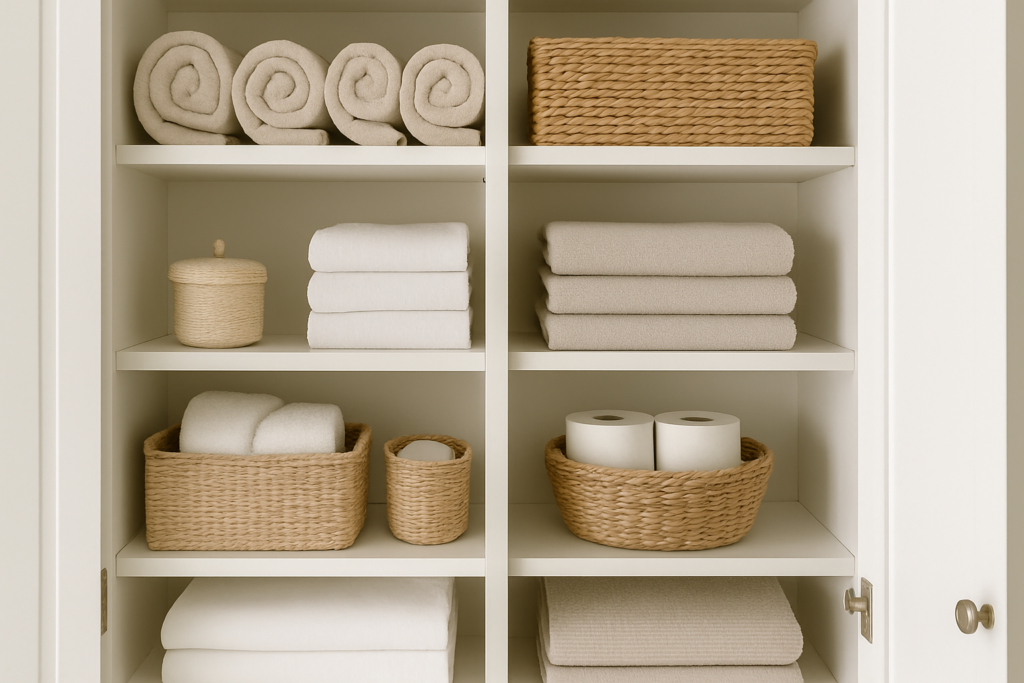
A cluttered linen closet can turn a simple task like grabbing a towel into a frustrating scavenger hunt. When sheets tumble out every time you open the door and toiletries seem to multiply in hidden corners, it’s time for a systematic makeover.
The key to a functional linen closet isn’t just about stuffing everything inside and hoping for the best. With the right folding techniques, smart storage solutions, and a clear organization system, you can transform even the smallest closet into a model of efficiency. Let’s walk through six practical steps that will help you maximize every inch of space while keeping everything easily accessible.
Step 1: Empty Everything and Assess Your Space
Before you can organize effectively, you need to see what you’re working with. Remove every single item from your linen closet and spread everything out on your bed or a clean surface. This might seem overwhelming at first, but it’s the only way to make informed decisions about what stays and what goes.
While the closet is empty, take measurements of your shelves. Note the height between each shelf, the depth from front to back, and the total width. These measurements will be crucial when choosing storage containers and bins later.
Check for any structural issues while you’re at it. Look for sagging shelves, poor lighting, or areas where moisture might collect. A shelf liner can protect your linens from rough surfaces and make cleaning easier down the road.
Step 2: Sort and Declutter Ruthlessly
Create three piles: keep, donate, and trash. Be honest about what you actually use. Those mismatched sheet sets from college or towels that have seen better days can find new homes through donation.
Check expiration dates on medications and toiletries. You’d be surprised how many expired items accumulate in linen closets. Toss anything that’s past its prime or has changed color, texture, or smell.
For linens, apply the one-year rule. If you haven’t used something in the past year, you probably don’t need it. Keep one or two backup sets for each bed in your home, plus a few extra towels for guests.
Take inventory of what remains. Group similar items together: all bath towels in one pile, all queen sheets in another, and so on. This visual sorting will help you plan your organization strategy.
Step 3: Master the Art of Efficient Folding
How you fold your linens can make or break your organization system. The goal is to create uniform stacks that won’t topple over every time you remove an item.
The Sheet Set Bundle Method
This technique keeps complete sheet sets together and prevents the frustration of hunting for matching pieces. Fold your fitted sheet, flat sheet, and one pillowcase as usual. Then tuck the entire set inside the remaining pillowcase. You’ll end up with neat bundles that are impossible to separate accidentally.
Towel Folding for Maximum Space
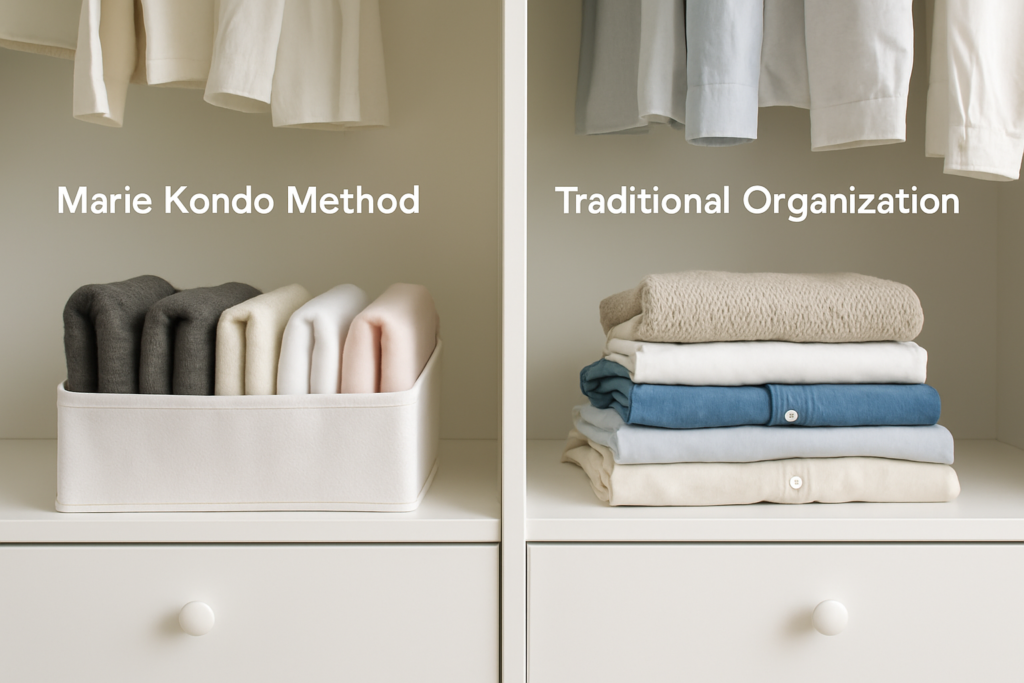
Fold towels in thirds lengthwise, then in half or thirds again depending on your shelf height. The key is consistency. Every towel should be folded exactly the same way so they stack evenly.
For washcloths and hand towels, fold them small enough to fit in bins or baskets. This keeps smaller items from getting lost behind larger ones.
Storing Blankets and Comforters
Heavy bedding takes up significant space. Vacuum storage bags work well for seasonal items you won’t need for months. For blankets you use regularly, fold them loosely to avoid permanent creases and store them on your highest shelves where the extra height accommodates their bulk.
Vacuum Storage Bags
Perfect for compacting seasonal bedding and creating more shelf space
Step 4: Maximize Vertical Storage
Most linen closets have wasted vertical space that you can reclaim with the right approach. Look at the gap between your tallest items and the shelf above. Even six inches of unused height represents valuable storage potential.
Add Shelf Dividers
Shelf dividers prevent stacks from toppling into each other and help you maintain neat categories. Wire dividers work particularly well because they don’t take up extra space and allow air circulation.
Install dividers to create sections for different types of linens. You might dedicate one section to bath towels, another to hand towels, and a third to washcloths.
Use Stackable Bins and Baskets
Clear plastic bins let you see contents at a glance while protecting items from dust. Choose bins that fit your shelf dimensions exactly, with no wasted space on the sides.
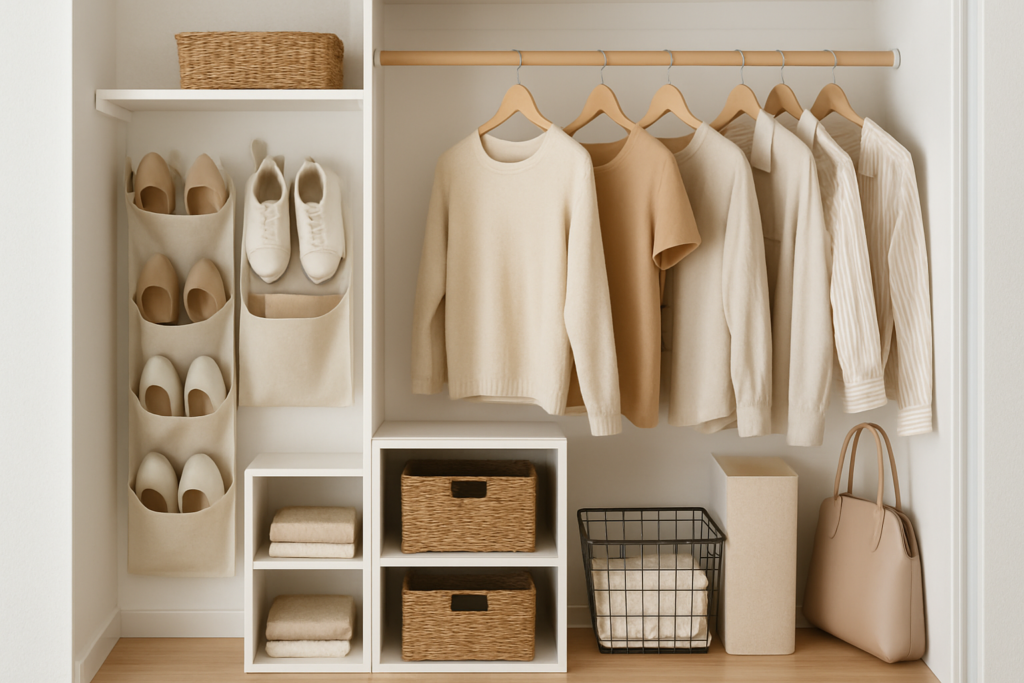
Wicker or fabric baskets add a more decorative touch if your linen closet is visible to guests. Just make sure they’re sturdy enough to support the weight of linens when stacked.
Clear Stackable Storage Bins
These maximize visibility while protecting linens from dust and keeping stacks organized
Install Over-the-Door Storage
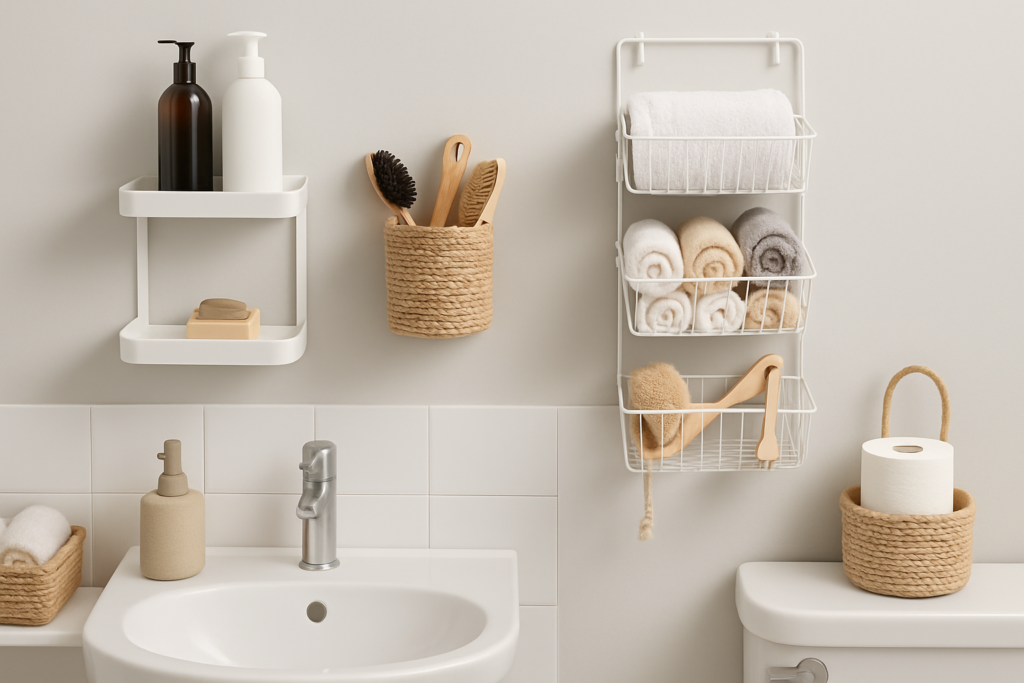
The back of your linen closet door offers prime real estate for frequently used items. Over-the-door organizers work perfectly for toiletries, cleaning supplies, or small linens like washcloths.
Choose an organizer with multiple pockets of different sizes. Store heavier items in lower pockets to prevent the organizer from swaying when you open and close the door.
Step 5: Create a Logical Layout System
The most organized closet in the world won’t help if you can’t find what you need quickly. Your layout should follow natural usage patterns and physical accessibility.
Eye-Level Placement
Store your most frequently used items at eye level where they’re easiest to grab. This typically includes everyday towels and the sheet sets you use most often.
Reserve eye-level space for items you need to access quickly, especially in emergencies. A first aid kit or thermometer should be visible and reachable without moving other items.
Heavy Items Go Low
Place heavy items like thick comforters and multiple towel sets on lower shelves. This prevents accidents and makes lifting safer for your back.
Bottom shelves also work well for bulk items or things you don’t need often, like seasonal bedding or extra pillows.
Light and Tall Items Up High
Use top shelves for lightweight, bulky items that you don’t access frequently. Extra pillows, seasonal decorations, or rarely used linens can live up here without creating safety hazards.
Store items in clearly labeled containers on high shelves since you won’t be able to see the contents easily from below.
Step 6: Implement Labels and Maintenance Systems
Labels might seem excessive for a linen closet, but they’re your secret weapon for maintaining organization long-term. When family members can see exactly where things belong, they’re more likely to put items back correctly.
Choose the Right Labeling Method
A simple label maker creates professional-looking tags that stick to bins and shelves. Use clear, specific descriptions like “Queen Sheets” or “Bath Towels” rather than vague terms like “Bedroom Stuff.”
For a more decorative approach, chalkboard labels let you change categories as needed while maintaining a cohesive look.
Create Inventory Lists
Keep a simple inventory list taped inside your closet door. Note what you have and where it’s stored. This prevents overbuying and helps you track when it’s time to replace worn items.
Update your list whenever you add or remove items. Include quantities so you know when supplies are running low.
Establish Weekly Maintenance
Spend five minutes each week tidying your linen closet. Refold anything that’s gotten messy, return items to their designated spots, and check that your system is working.
Do a more thorough review every three months. Remove items that have migrated from other parts of the house, check for anything that needs washing or replacing, and adjust your organization system if needed.
Label Maker with Multiple Tape Colors
Essential for creating clear, durable labels that help maintain your organization system long-term
Common Organization Mistakes to Avoid
Even with the best intentions, certain habits can undermine your organization efforts. Learning to recognize these pitfalls will help you maintain your newly organized space.
Don’t fold sheets immediately after removing them from the dryer. Hot linens are more likely to wrinkle permanently when folded. Let them cool for a few minutes first, or better yet, fold them while they’re still slightly warm but not hot.
Avoid storing linens in sealed plastic bags long-term. Fabrics need air circulation to prevent mustiness and mold. Use breathable cotton storage bags for items you won’t access for months.
Resist the urge to stuff too much onto each shelf. Overpacked shelves make it difficult to remove items cleanly and increase the likelihood of creating messy avalanches.
Frequently Asked Questions
How often should I wash linens that are stored in the closet?
Linens stored in a clean, dry closet don’t need washing unless they develop a musty smell or have been stored for more than six months. However, always wash items before using them if they’ve been stored for extended periods, as they can collect dust and lose freshness even in closed containers.
What’s the best way to prevent musty odors in stored linens?
Ensure all linens are completely dry before storing, maintain good air circulation in your closet, and consider adding moisture absorbers or cedar blocks. Fabric softener sheets tucked between stacks can also help maintain freshness, though avoid direct contact with delicate fabrics.
How many sheet sets should I keep for each bed?
Two to three sheet sets per bed is ideal: one on the bed, one in the wash, and one backup set. For guest rooms used infrequently, one extra set is usually sufficient. More than three sets per bed often leads to clutter without adding practical value.
Should I store toiletries and medications in the linen closet?
Linen closets work well for backup toiletries and first aid supplies, but avoid storing medications there if the area gets warm or humid. Check expiration dates regularly and store medications in a cool, dry location as directed on their packaging. Keep frequently used toiletries in the bathroom for convenience.
This article contains affiliate links. We may earn a small commission at no extra cost to you.