You know that feeling when you run the vacuum and wonder if you’re doing it too much or not enough? Most people either vacuum religiously every day or wait until there are visible dirt trails across the carpet. Neither extreme is really necessary for most homes.
The truth is, how often you should vacuum depends on several factors: the room’s traffic level, whether you have pets or kids, and your flooring type. A bedroom with hardwood floors needs far less attention than a carpeted living room where your Golden Retriever spends most of his day. Let’s break down exactly how often each room needs vacuuming based on real-world use.
High-Traffic Areas: Living Rooms, Hallways, and Entryways
Your living room takes the most abuse. People walk through it constantly, pets lounge on the furniture, crumbs from snacks settle into carpet fibers, and dust accumulates faster than anywhere else in your home.
For carpeted living rooms and main hallways, you should vacuum twice a week at minimum. If you have pets or young children, bump this up to three or four times weekly. The dirt and debris in these areas isn’t just cosmetic. Ground-in dirt actually acts like sandpaper on carpet fibers, shortening their lifespan significantly.
Entryways need even more attention. Vacuum these spaces at least three times per week, or daily if you live in a rainy or snowy climate. People track in an astonishing amount of dirt, salt, and moisture in these areas. A good doormat helps, but it won’t catch everything.
For hardwood or tile floors in high-traffic areas, you can reduce the frequency to once or twice weekly. Hard surfaces don’t trap dirt the same way carpets do, so debris is easier to spot and remove.
Bedrooms: Less Traffic, Different Concerns
Bedrooms generate less dirt from foot traffic but create their own cleaning challenges. Dead skin cells, dust mites, and pet dander (if your dog or cat sleeps with you) accumulate steadily.
Vacuum bedrooms once a week for most households. This includes getting under the bed, where dust bunnies seem to multiply overnight. If you have allergies or asthma, increase this to twice weekly. The reduction in airborne allergens makes a noticeable difference in sleep quality.
Guest bedrooms that rarely get used only need vacuuming every two to three weeks. Dust still settles, but without regular activity, these rooms stay cleaner much longer.
One tip that makes a real difference: vacuum your mattress monthly using your vacuum’s upholstery attachment. This removes dust mites and their waste, which are major allergy triggers. The Dyson V15 Detect does an excellent job at this with its motorized brush tool, though any vacuum with a powered upholstery attachment works well.
Kitchen and Dining Areas: Food Particles Demand Attention
Kitchens collect crumbs, spilled flour, tracked-in dirt, and sticky residue faster than almost any other room. Even if you sweep daily, vacuuming should happen two to three times per week in kitchens with families.
The area under your kitchen table deserves special attention. After meals, you’ll find an amazing amount of food debris hiding there. A quick vacuum after dinner a few times a week prevents buildup and keeps ants away.
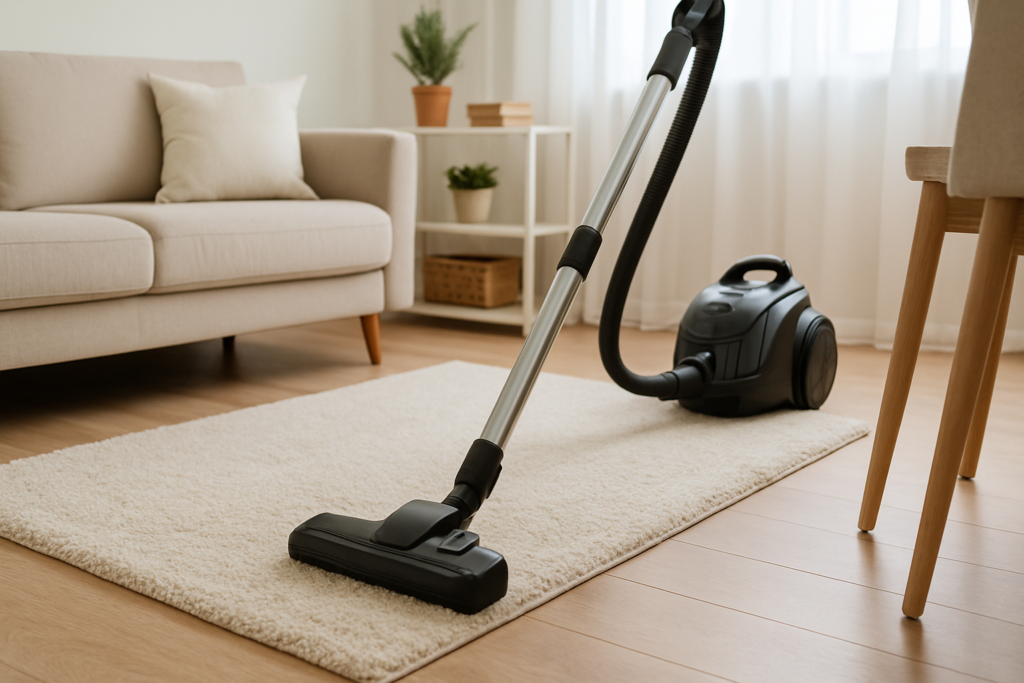
Many people only sweep their kitchen floors, but vacuums actually do a better job at picking up fine particles like sugar or flour that sweeping just pushes around. A canister vacuum or stick vacuum works better than an upright in kitchens because they’re easier to maneuver around table legs and appliances.
Bathrooms, Closets, and Utility Rooms
Bathrooms might seem like they don’t need vacuuming, but they actually collect a lot of dust, hair, and lint. Vacuum bathroom floors and rugs once a week, paying special attention to corners and around the toilet base where dust and hair accumulate.
Closets only need vacuuming monthly unless you’re storing items directly on the floor. Clothing fibers shed over time, and shoes track in outdoor dirt. A quick monthly vacuum keeps closets from becoming dust repositories.
Laundry rooms and utility spaces benefit from weekly vacuuming. Lint from the dryer gets everywhere, even with proper vent maintenance. This lint is actually flammable, so keeping these areas clean isn’t just about appearance.
Adjusting Your Schedule for Pets and Allergies
Pet ownership changes everything about your vacuuming schedule. Dogs and cats shed constantly, and their dander becomes airborne, settling on every surface.
With one pet, double your vacuuming frequency in every room. A living room that normally needs twice-weekly vacuuming now needs four sessions. Multiple pets or heavy shedders like Huskies or German Shepherds require daily vacuuming in main areas.
Pet hair also demands specific vacuum features. You need a model with strong suction and a motorized brush roll. The Shark Navigator NV352 handles pet hair exceptionally well for the price, while the Miele Complete C3 Cat & Dog is the premium choice that actually lives up to its cost.
Allergy sufferers should vacuum high-traffic areas daily and bedrooms at least twice weekly. More importantly, you need a vacuum with a sealed HEPA filtration system. Vacuums without sealed systems blow fine particles back into the air, making allergies worse. The Kenmore Elite 31150 offers true sealed HEPA filtration, which makes it worth considering.
Creating a Realistic Schedule You’ll Actually Follow
Knowing how often to vacuum and actually doing it are two different things. The key is building a schedule that fits your life rather than creating an ideal plan you’ll abandon after two weeks.
Start by designating specific days for specific rooms. Mondays and Thursdays for the living room, Wednesdays for bedrooms, and Fridays for a quick whole-house touch-up. This prevents the overwhelming feeling of needing to vacuum everything at once.
Keeping your vacuum accessible makes the biggest difference in consistency. Don’t store it in a basement closet that requires moving boxes to reach. A cordless stick vacuum stored in a main floor closet gets used far more often than a corded upright buried in the garage.
For busy households, a robot vacuum handles daily maintenance in main areas while you do deeper weekly cleaning. The Roborock S7 actually maps your home effectively and won’t get stuck on common obstacles like many cheaper models do.
Frequently Asked Questions
Can you vacuum too much and damage your carpet?
You can’t really vacuum too frequently with modern vacuums and quality carpeting. The myth that vacuuming damages carpet comes from old, heavy vacuum cleaners with beater bars that were too aggressive. Today’s vacuums are gentler, and the benefit of removing dirt that grinds into fibers far outweighs any minimal wear from vacuuming. Even daily vacuuming won’t harm your carpet if your vacuum has adjustable height settings and you’re using them correctly.
Should I vacuum before or after dusting?
Always dust first, then vacuum. When you dust, particles fall to the floor and furniture surfaces. Vacuuming afterward picks up everything that settled during dusting. Doing it backwards means you’re just letting dust resettle on your freshly vacuumed floors. This order also applies to ceiling fans and high shelves, which drop surprising amounts of dust when cleaned.
How often should you replace your vacuum filter?
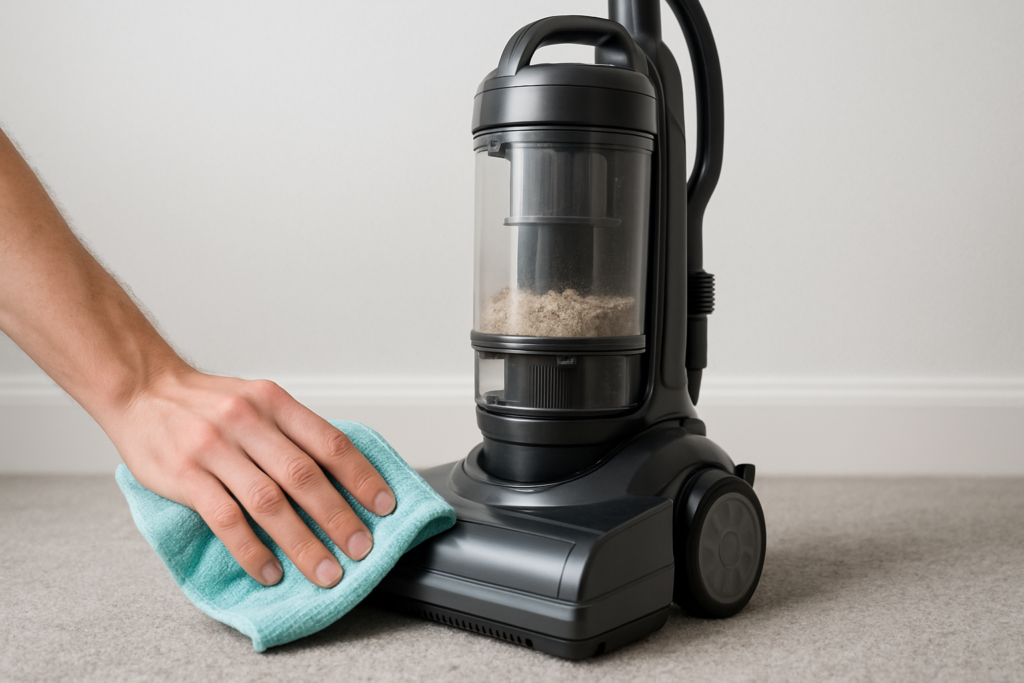
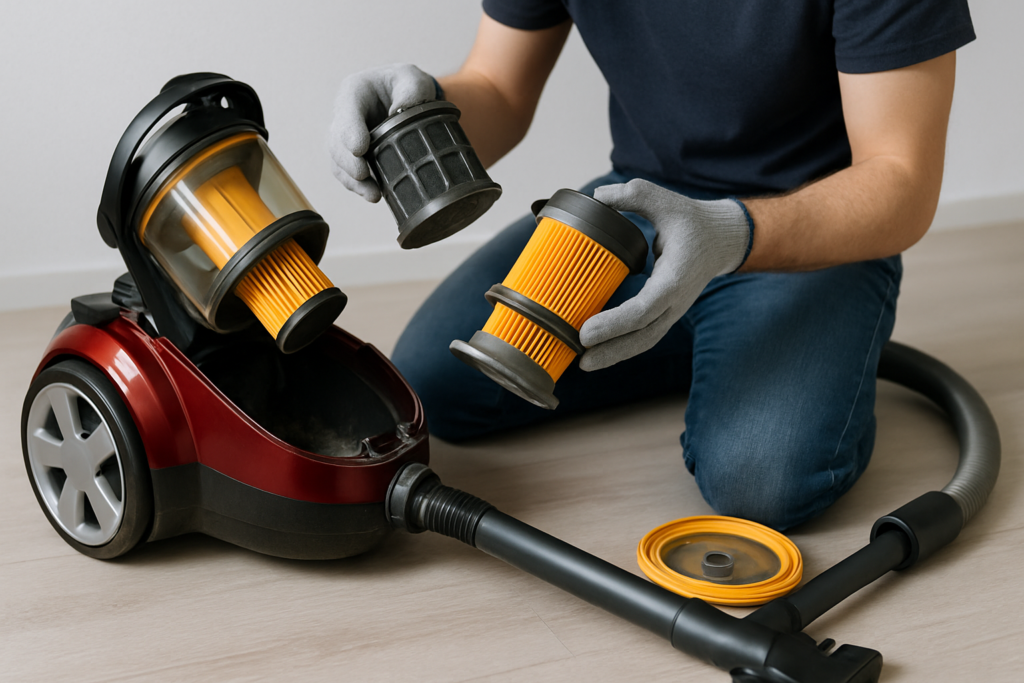
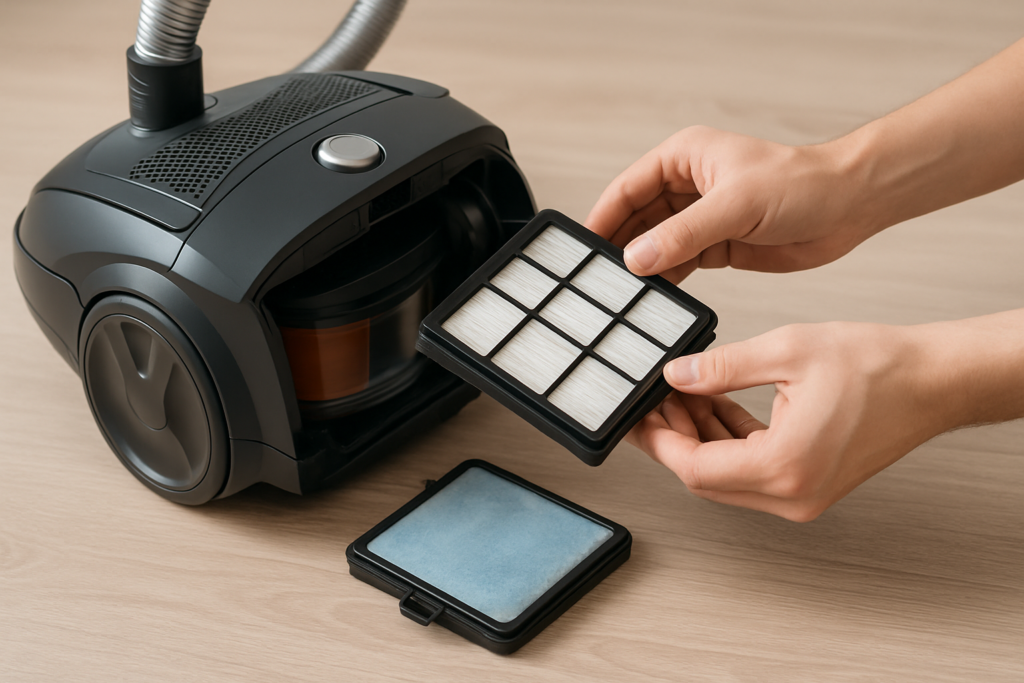
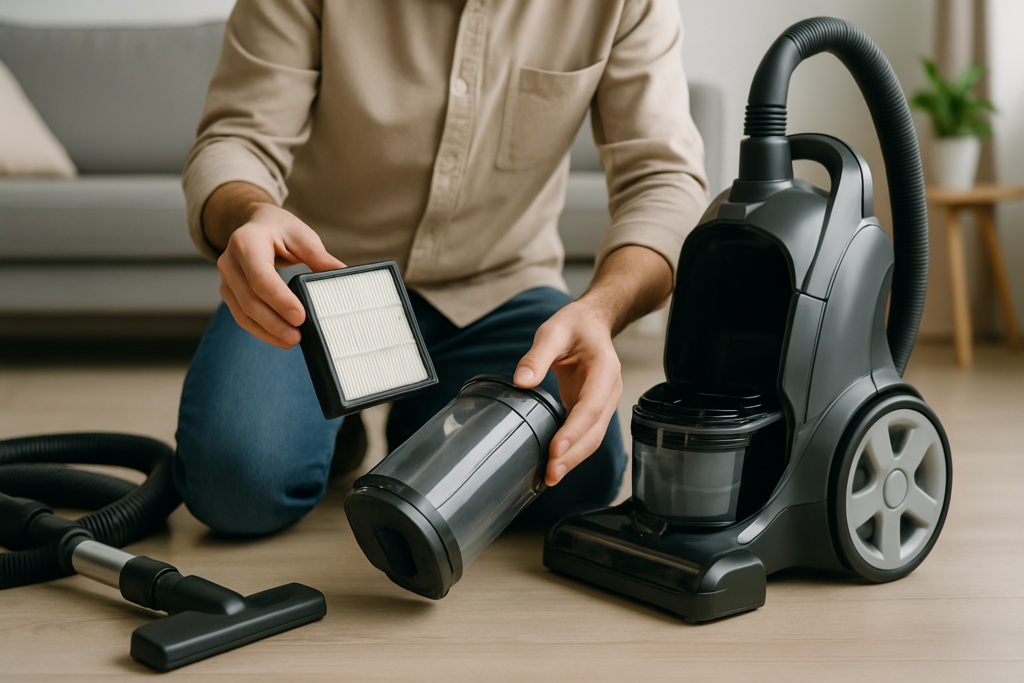
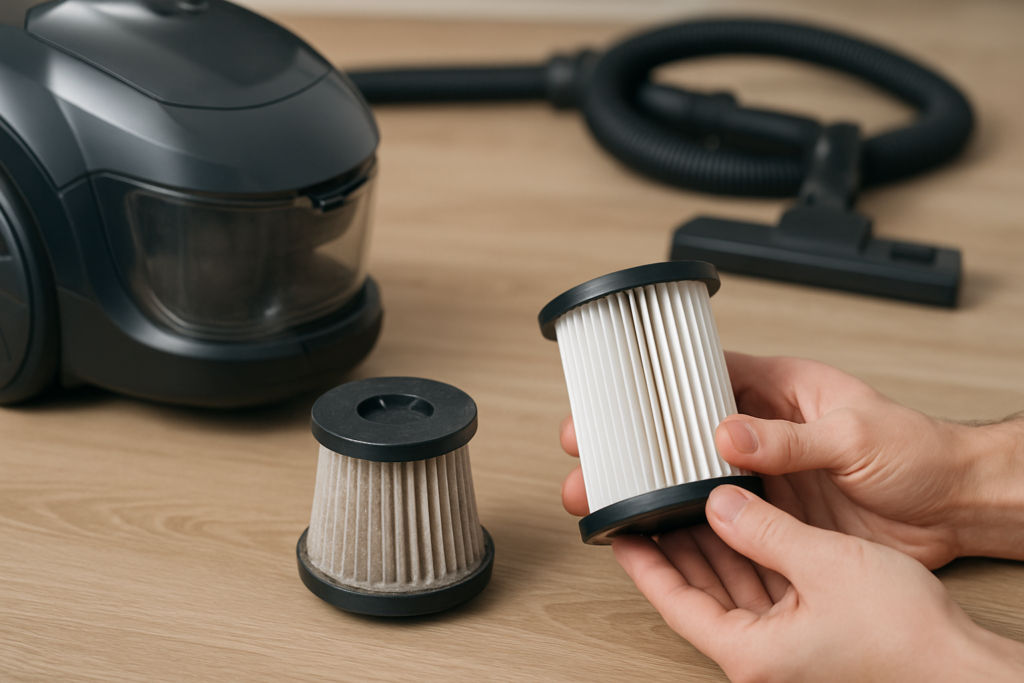
This depends on your vacuum type and usage. Bagless vacuums with washable filters need cleaning monthly and replacement every six to twelve months with heavy use. HEPA filters in bagged vacuums typically last six months to a year. You’ll know it’s time when suction decreases noticeably even after cleaning the filter. Pet owners should check filters twice as often because hair and dander clog them faster. Always keep spare filters on hand so you’re not caught without one when suction drops.