Your home has slowly accumulated years of belongings, and now you’re ready to reclaim your space. The thought of tackling an entire house worth of clutter feels overwhelming, but breaking it down into manageable daily tasks makes all the difference. A structured 30-day approach transforms what seems impossible into a series of achievable wins.
This timeline isn’t about perfection or creating a minimalist showcase. It’s about creating a home that works for your life, where you can find what you need and feel genuinely comfortable in your space. Each day builds on the last, creating momentum that carries you through the entire month.
You’ll develop decision-making skills that become second nature, establish donation habits that keep clutter from returning, and discover the satisfaction of living with intention. Let’s map out your transformation, one room and one day at a time.
Week 1: Building Momentum with High-Impact Areas
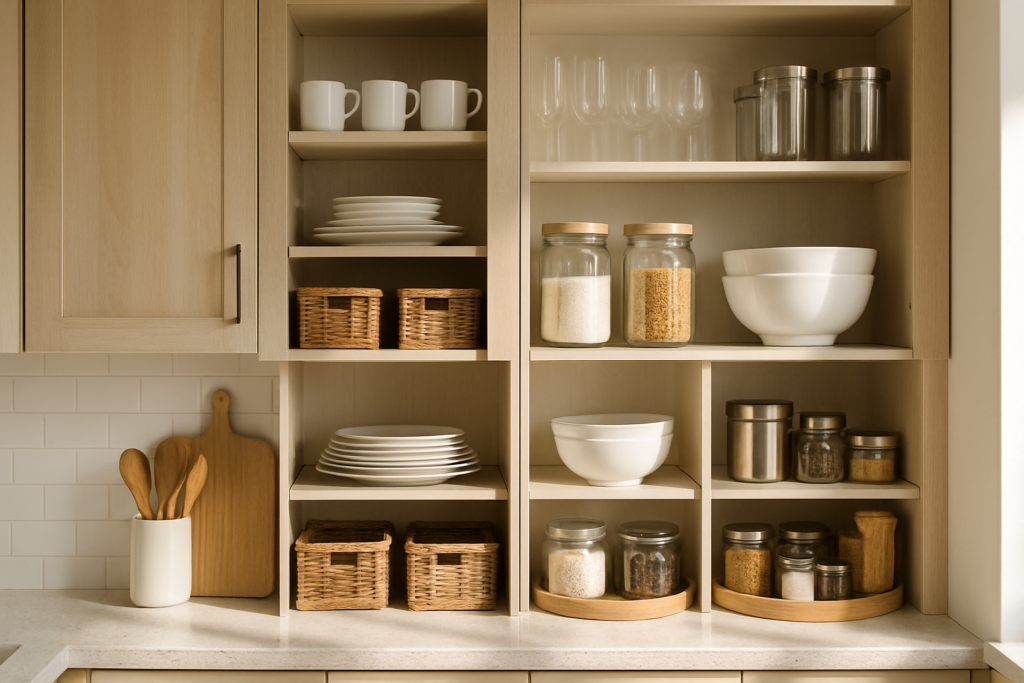
Days 1-2: Kitchen Counters and Cabinets (2-3 hours total)
Start with your kitchen because it’s where you’ll see immediate results that fuel motivation for the rest of the month. Clear everything off your counters first. Wipe them down completely, then only return items you use daily.
Move to one cabinet at a time. Pull everything out, wipe down shelves, and sort into three piles: keep, donate, and trash. Focus on expired foods, duplicate utensils, and gadgets you haven’t used in over a year. The “keep” pile should only include items you actually use or genuinely plan to use soon.
For donations, look for small appliances in good condition, extra dishes, and kitchen tools that simply don’t fit your cooking style. Someone else will appreciate that bread maker you bought with good intentions.
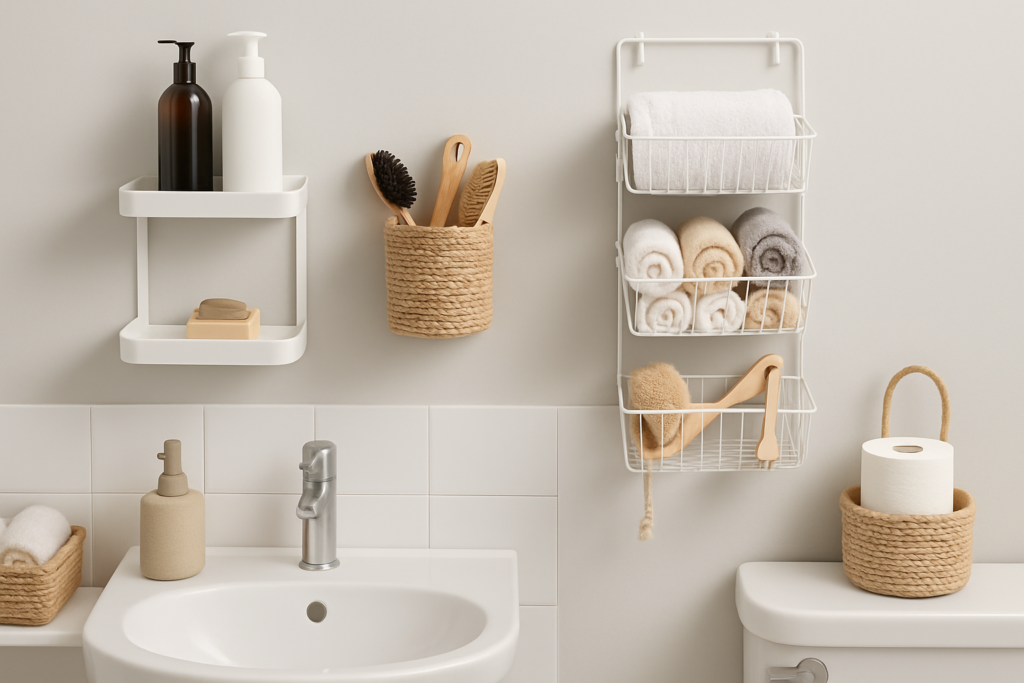
Days 3-4: Bathroom Medicine Cabinets and Vanities (1-2 hours total)
Bathrooms accumulate expired products faster than any other room. Check expiration dates on medications, skincare, and makeup ruthlessly. Most liquid makeup expires within 6-12 months, while powder products last longer but still have limits.
Clear out duplicate products. You don’t need five half-empty bottles of lotion or three mascaras you’re “saving.” Keep one backup at most for essentials like toothpaste and shampoo.
Create designated spots for daily items. Everything should have a specific place, making your morning routine smoother and preventing future accumulation.
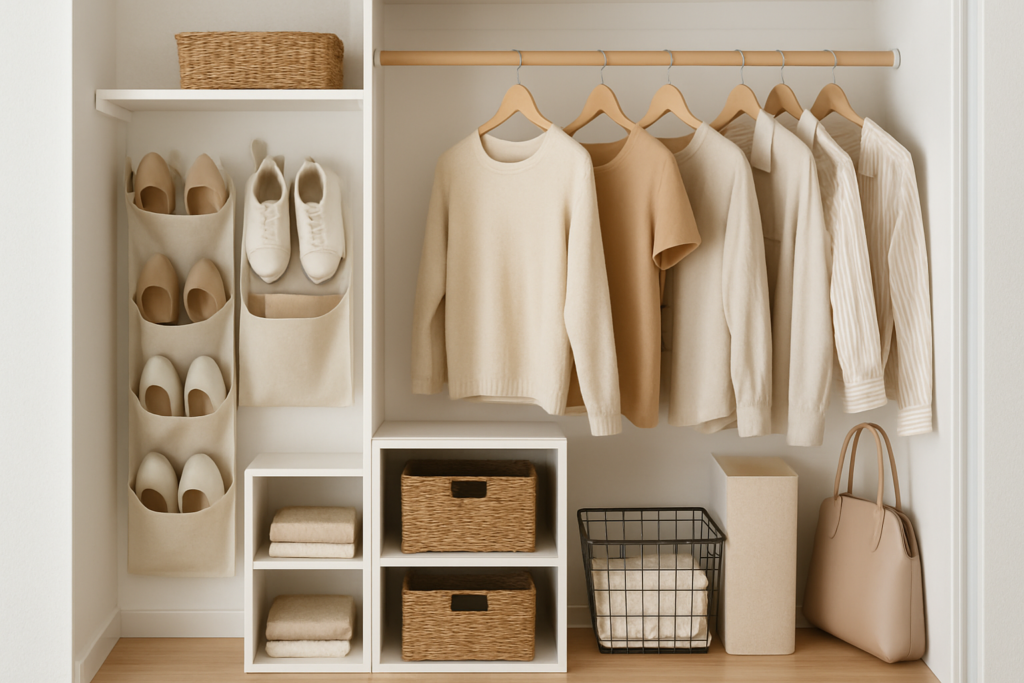
Days 5-7: Bedroom Closet Clothes Audit (3-4 hours total)
This three-day stretch tackles your wardrobe systematically. Day one focuses on obviously unworn items, day two on seasonal pieces, and day three on everything else.
Use the one-year rule: if you haven’t worn it in a year and it’s not a special occasion piece, it goes. Be honest about your lifestyle. That formal blazer might be beautiful, but if you work from home, it’s taking up valuable space.
Try items on if you’re unsure. Clothes that don’t fit properly or make you feel uncomfortable serve no purpose in your closet. Donate professional clothes to organizations that help people entering the workforce.
Simple Houseware Heavy Duty 3 Bag Laundry Sorter
Perfect for sorting clothes into keep, donate, and seasonal storage during your closet cleanout.
Week 2: Tackling Storage Areas and Paper Clutter
Days 8-10: Home Office and Paper Management (2-3 hours total)
Paper clutter multiplies when you’re not looking. Gather every piece of paper from around your house: mail from counters, documents from drawers, manuals from junk boxes.
Create four categories: action required, file for reference, scan and store digitally, and shred/recycle. Most manuals are available online, so you can safely recycle them. Bank statements older than seven years can go unless needed for taxes.
Set up a simple filing system that matches how you think about your documents. Label clearly and don’t overcomplicate the categories.
Days 11-12: Linen Closets and Towels (1 hour total)
Pull everything out of your linen closet. Towels that are threadbare or stained beyond redemption become cleaning rags or get donated to animal shelters.
Keep two to three sets of sheets per bed and four to six towels per person. Everything else is excess that makes organization difficult.
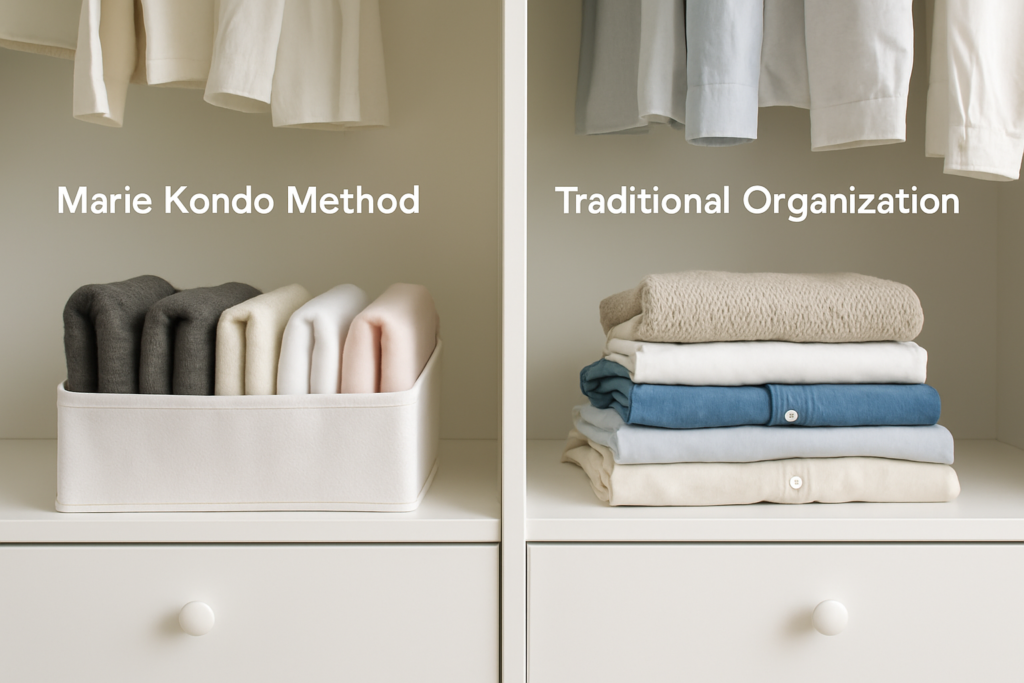
Fold and stack uniformly. Store sheet sets inside their matching pillowcases to keep sets together and save space.
Days 13-14: Pantry and Food Storage (2 hours total)
Check expiration dates methodically, but also consider realistic usage. That specialty vinegar from two years ago isn’t technically expired, but will you actually use it?
Group similar items together and invest in clear storage containers for bulk items. Being able to see what you have prevents overbuying and waste.
Create a running grocery list system to track what you’re actually running low on versus what you think you need.
Rubbermaid Brilliance Food Storage Containers
These airtight containers keep pantry staples fresh and make it easy to see what you have at a glance.
Week 3: Living Spaces and Sentimental Items
Days 15-17: Living Room and Entertainment Areas (3 hours total)
Focus on surfaces first: coffee tables, end tables, and entertainment centers. Remove everything, clean thoroughly, and only return items that belong in this space.
Tackle media collections next. DVDs and CDs take up significant space. Keep favorites and donate the rest, or digitize them if you have the equipment and time.
Books deserve special attention. Keep ones you’ll reference again or truly loved. Donate the rest to libraries, schools, or literacy programs where they’ll find new readers.
Days 18-19: Kids’ Rooms and Toy Management (2-3 hours total)
Include your children in this process if they’re old enough. They often surprise you with what they’re ready to outgrow.
Broken toys go straight to trash. Toys missing pieces or batteries that would cost more to replace than the toy is worth should also go.
Rotate remaining toys if you have many. Store half and swap them monthly to maintain interest without overcrowding play spaces.
Days 20-21: Sentimental Items and Memory Boxes (2-4 hours total)
This category challenges you most emotionally. Set a timer to prevent getting lost in memories and losing momentum.
Create specific limits: one box per child for school memories, one box for your own childhood items. These boundaries force you to choose the most meaningful pieces.
Take photos of bulky items with sentimental value that you can’t practically keep. The photo preserves the memory without requiring storage space.
Week 4: Final Spaces and System Creation
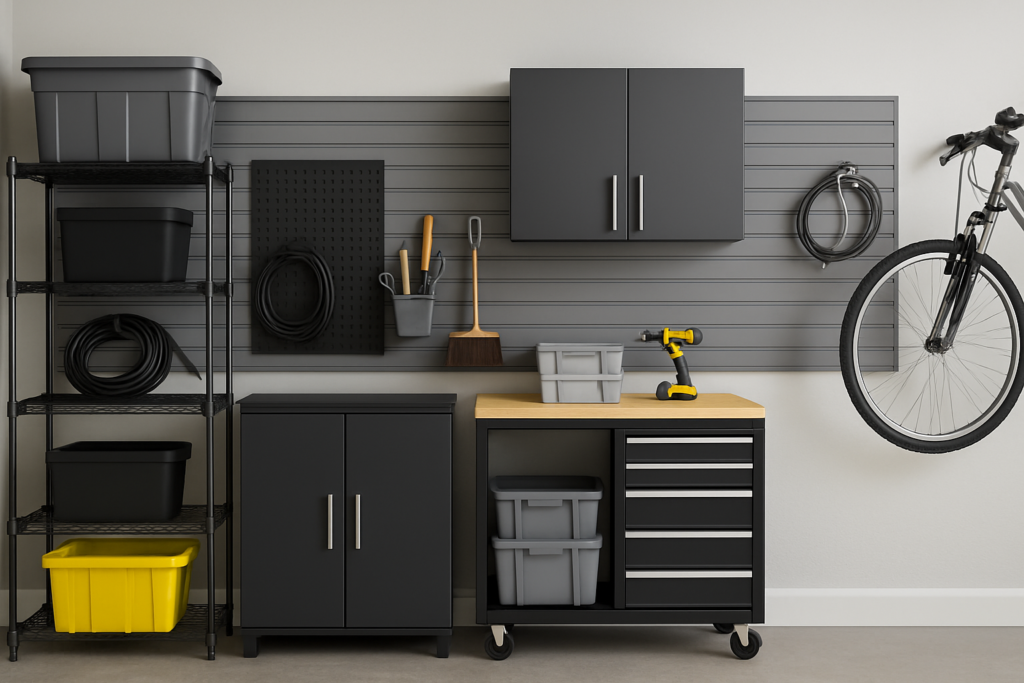
Days 22-24: Garage, Basement, or Storage Areas (3-5 hours total)
These spaces often become dumping grounds for items you’ll “deal with later.” Today is later.
Create zones: seasonal decorations, sporting equipment, tools, and household supplies. Items that don’t fit these categories probably don’t need storage space in your home.
Be realistic about hobbies and projects. That exercise equipment you haven’t touched in two years isn’t motivating you from the corner. Someone who will actually use it deserves to have it.
Days 25-26: Guest Spaces and Spare Rooms (2 hours total)
Spare rooms shouldn’t be catchalls for homeless items. They either serve a purpose or they don’t.
If it’s truly a guest room, keep it welcoming and functional. If it’s become storage, acknowledge that and organize it properly with shelving and clear labeling.
Mixed-use spaces need clear boundaries. Designate specific areas for each function and stick to those boundaries.
Days 27-28: Final Touches and System Setup (1-2 hours total)
Walk through your entire home and collect any items that migrated during the process. Return everything to its designated home.
Set up your maintenance systems: donation bags in closets, a paper processing station, and regular review schedules for different areas.
Sterilite 3 Drawer Cart
Ideal for creating organized zones in utility rooms or basements where you need visible, accessible storage.
Days 29-30: Celebration and Planning Ahead (1 hour total)
Take photos of your organized spaces. You’ll want these reminders when motivation wanes in the future.
Schedule monthly 15-minute tidying sessions for each major area. Prevention is easier than another major overhaul.
Reward yourself meaningfully. You’ve accomplished something significant that will improve your daily life for years to come.
Decision-Making Framework for Tough Choices
When you’re stuck deciding whether to keep something, use this hierarchy of questions. Start with the first and move down until you have clarity.
Have I used this in the past year? Items you actively use earn their space. Everything else needs stronger justification.
Does this fit my current lifestyle? Your 22-year-old self’s wardrobe might not serve your current professional life. Your pre-children hobbies might not match your current time availability.
Would I buy this today? This question cuts through emotional attachment to reveal actual value. That expensive gadget you never use wouldn’t make your shopping list today.
Am I keeping this out of guilt or obligation? Gifts you don’t love, inherited items you don’t connect with, and purchases you regret don’t deserve permanent residence in your home.
Does someone else need this more than I do? Items sitting unused could significantly benefit others. Your excess becomes someone else’s necessity.
Donation Guidelines and Best Practices
Not all donations are created equal. Research local charities to match your items with organizations that can best use them.
Clothing donations work best when items are clean and in good repair. Small stains or missing buttons make items difficult for charities to use effectively.
Electronics need to function properly. Broken items create disposal problems for charitable organizations. Test everything before donating.
Books find good homes at libraries, schools, and literacy programs. Medical textbooks might benefit nursing programs, while children’s books serve daycare centers.
Professional clothing helps job seekers tremendously. Organizations like Dress for Success specifically support people entering the workforce.
Keep donation receipts for tax purposes, but don’t inflate values. Fair market value reflects what someone would pay for the item in its current condition.
Hefty Strong Large Trash Bags
Essential for sorting items during decluttering and sturdy enough for donation runs to local charities.
Maintaining Motivation Throughout the Month
Momentum matters more than perfection. Some days you’ll accomplish less than planned, and that’s completely normal. Adjust expectations rather than abandoning the process.
Take before and after photos to document progress. Visual evidence of change motivates you when the process feels overwhelming.
Find an accountability partner who supports your goals. Share daily wins and challenges with someone who understands what you’re trying to achieve.
Celebrate small victories regularly. Clearing one drawer completely deserves recognition. These small wins accumulate into major transformation.
Remember your why. Whether it’s reducing stress, preparing for a move, or simply wanting a more functional home, reconnect with your motivation when enthusiasm wanes.
Expect emotional resistance, especially around sentimental items. This is normal and doesn’t mean you should stop. Take breaks when needed, but return to the process.
Common Challenges and Solutions
Family members might resist changes or feel overwhelmed by the pace. Include them in planning and adjust timeline expectations to accommodate everyone’s comfort level.
Perfectionism can paralyze progress. Your goal is improvement, not magazine-worthy organization. Functional beats beautiful every time.
Time constraints are real obstacles. Break larger tasks into smaller chunks that fit your schedule. Fifteen focused minutes accomplishes more than you expect.
Decision fatigue becomes real around day 10-15. Use your framework consistently to reduce mental energy spent on each choice.
Guilt about waste or past purchases might slow you down. Learn from mistakes, but don’t let past decisions trap you in current dysfunction.
FAQ
What if I fall behind the timeline?
Adjust rather than abandon. Extend the timeline to 45 or 60 days if needed. Progress matters more than strict adherence to the schedule. You can also focus on smaller areas within each room if the suggested spaces feel too large.
How do I decide what to do with expensive items I don’t use?
Consider selling valuable items online or through consignment shops. However, don’t let the selling process become another form of clutter. Set a deadline: if it doesn’t sell within 30 days, donate it and move on.
What if family members want to keep everything I want to donate?
Have honest conversations about space limitations and functionality. Compromise by setting specific limits: each family member gets one “save” box for items others might donate. This prevents everything from being rescued while respecting different attachment levels.
How do I maintain organization after the 30 days?
Implement the “one in, one out” rule for most categories. Schedule monthly 15-minute maintenance sessions for each area. Deal with mail and paperwork immediately rather than letting it pile up. Most importantly, recognize that some mess is normal and doesn’t require starting over completely.
This article contains affiliate links. We may earn a small commission at no extra cost to you.