Winter weather can transform minor maintenance issues into expensive disasters faster than you’d expect. A burst pipe or failed heating system doesn’t just create immediate chaos, it can cost thousands in repairs and leave your family uncomfortable for days or weeks.
The good news is that most winter home emergencies are completely preventable with the right preparation. A few hours spent on targeted maintenance tasks now can save you from costly surprises when temperatures drop. This checklist focuses on the three critical areas where winter causes the most damage: your plumbing system, heating equipment, and home exterior.
We’ll break down exactly what to do, when to do it, and whether each task is worth tackling yourself or hiring a professional. Plus, you’ll get realistic timelines and cost estimates to help you budget and plan ahead.
Protect Your Pipes: The Number One Winter Priority
Frozen pipes cause more winter home damage than any other issue. When water freezes inside pipes, it expands with enough force to crack even thick copper or PVC. The real damage happens when temperatures rise and all that water starts flowing through the cracks.
Insulate Exposed Pipes
Start by walking through your basement, crawl spaces, garage, and any unheated areas. Look for exposed water pipes, especially those running along exterior walls. These pipes need insulation before the first freeze.
Foam pipe insulation sleeves work best for most situations. They’re inexpensive, easy to install, and provide excellent protection. Simply cut them to length and snap them around your pipes. For pipes in tight spaces, consider using heat tape or cable designed specifically for freeze protection.
Frost King Pre-Slit Foam Pipe Insulation
Easy to install foam sleeves that provide reliable freeze protection for most pipe sizes
DIY Timeline: 2-4 hours for an average home
Professional Cost: competitively priced-500 depending on pipe accessibility
DIY Materials: Usually under competitively priced for insulation materials
Disconnect and Drain Outdoor Hoses
This simple task prevents some of the most common and expensive pipe damage. Water trapped in connected hoses can freeze and back up into your home’s plumbing, cracking pipes inside your walls.
Disconnect all garden hoses and store them in a garage or shed. Turn off the water supply to outdoor spigots using the shutoff valve inside your home. Open the outdoor faucet to drain any remaining water, then close it again.
Consider installing frost-proof outdoor faucets if you frequently forget this step. They’re designed to drain automatically when turned off.
DIY Timeline: 15-30 minutes
Professional Cost: competitively priced-200 for faucet replacement
DIY Materials: Free for disconnecting, varies for upgrades
Know Where Your Main Water Shutoff Is
Every adult in your household should know exactly where your main water shutoff valve is located and how to operate it. In a pipe emergency, shutting off the water quickly can mean the difference between minor damage and a flooded basement.
Test the valve now to make sure it turns easily. If it’s stuck or difficult to operate, have a plumber service it. Mark the location clearly and consider installing a water shutoff tool nearby for easier operation.
Heating System Maintenance: Stay Warm and Safe
Your heating system works harder during winter than any other time of year. A breakdown in January isn’t just uncomfortable, it can lead to pipe freezing and other cascading problems throughout your home.
Replace or Clean Air Filters
This is the single most important thing you can do for your heating system. Dirty filters force your furnace to work harder, increase energy costs, and can cause premature equipment failure.
Check your filter monthly during heating season and replace it when it looks dirty or clogged. Most homes need new filters every 1-3 months, depending on the filter type and household conditions like pets or dust.
Filtrete MPR 1500 Air Filter
High-quality pleated filters that balance efficiency with airflow for most home systems
DIY Timeline: 5 minutes to replace
Professional Cost: competitively priced-150 for service call
DIY Materials: Varies by filter type and size
Schedule Professional Heating System Service
Annual professional maintenance catches problems before they become emergencies. A technician will clean critical components, check for gas leaks, test safety systems, and identify parts that might fail soon.
Schedule this service in early fall, before the busy season when emergency calls pile up. Many HVAC companies offer maintenance contracts that include priority service and discounts on repairs.
Professional Timeline: 1-2 hours
Professional Cost: competitively priced-200 for standard service
Potential Savings: Prevents competitively priced-2000+ emergency repairs
Test and Replace Smoke and Carbon Monoxide Detector Batteries
Heating systems produce carbon monoxide, an invisible, odorless gas that can be deadly. Cold weather also increases the risk of house fires as heating systems work overtime and space heaters get pressed into service.
Test all smoke and carbon monoxide detectors monthly. Replace batteries in battery-powered units annually, or consider upgrading to 10-year sealed battery models that eliminate the need for regular battery changes.
DIY Timeline: 10-15 minutes for testing
Professional Cost: Not needed for this task
DIY Materials: Varies by detector type
Exterior Winter Preparation
Your home’s exterior takes a beating from winter weather. Small problems like loose shingles or gaps in caulking can quickly become major issues when ice and snow get involved.
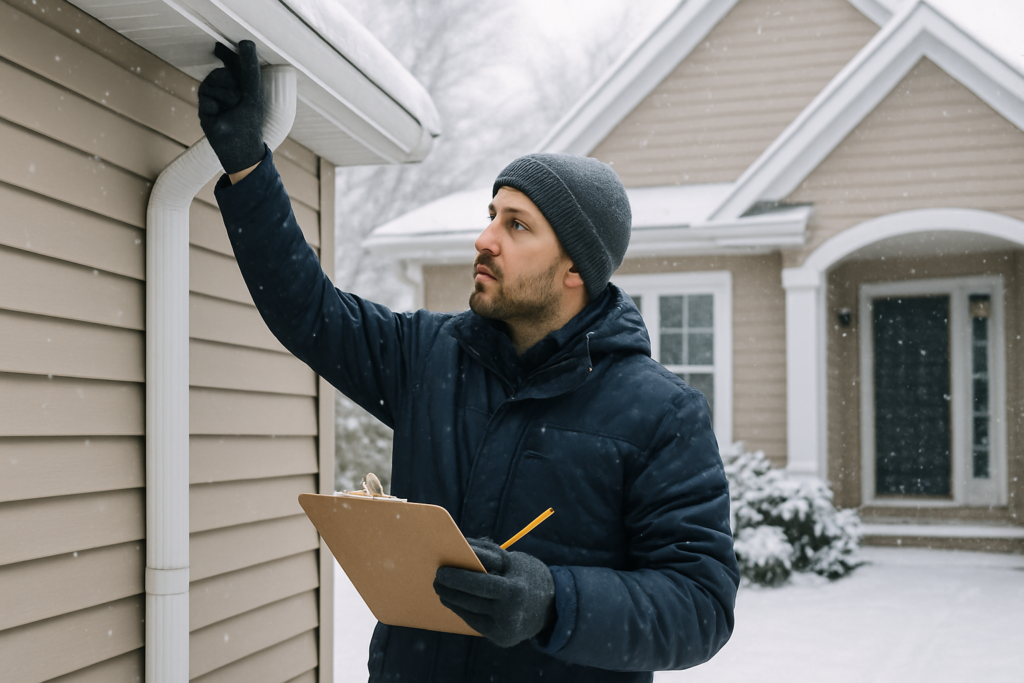
Clean Gutters and Downspouts
Clogged gutters cause ice dams, which can damage your roof and create leaks inside your home. Ice dams form when snow melts on your roof but can’t drain properly, creating a backup of water and ice.
Remove all leaves, twigs, and debris from gutters and downspouts. Make sure water flows freely from gutters to downspouts and away from your foundation. Consider installing gutter guards to reduce future maintenance.
DIY Timeline: 2-4 hours for average home
Professional Cost: competitively priced-300 for cleaning
Safety Note: This task involves ladder work, consider professionals for multi-story homes
Inspect and Replace Weather Stripping
Gaps around doors and windows waste energy and create comfort problems. Cold air infiltration also forces your heating system to work harder and increases the risk of pipes freezing in exterior walls.
Check all doors and windows for gaps or damaged weather stripping. You can feel air leaks on windy days or use a lit candle to detect drafts. Replace any cracked, compressed, or missing weather stripping.
M-D Building Products Weather Stripping
Durable rubber weather stripping that seals gaps effectively and lasts for years
DIY Timeline: 1-3 hours depending on number of doors and windows
Professional Cost: competitively priced-400 for full home weather sealing
DIY Materials: Usually under competitively priced for weather stripping
Trim Tree Branches Near Your Home
Ice storms and heavy snow can bring down tree branches, potentially damaging your roof, siding, or power lines. Branches that look fine in summer can become dangerous when loaded with ice.
Trim any branches hanging over your roof or within 10 feet of your home. Pay special attention to dead or damaged branches that are more likely to fall. For large trees or branches near power lines, hire a certified arborist.
DIY Timeline: Varies greatly by tree size
Professional Cost: competitively priced-800 for typical residential trimming
Safety Note: Never attempt to trim branches near power lines yourself
Interior Winter Cleaning and Preparation
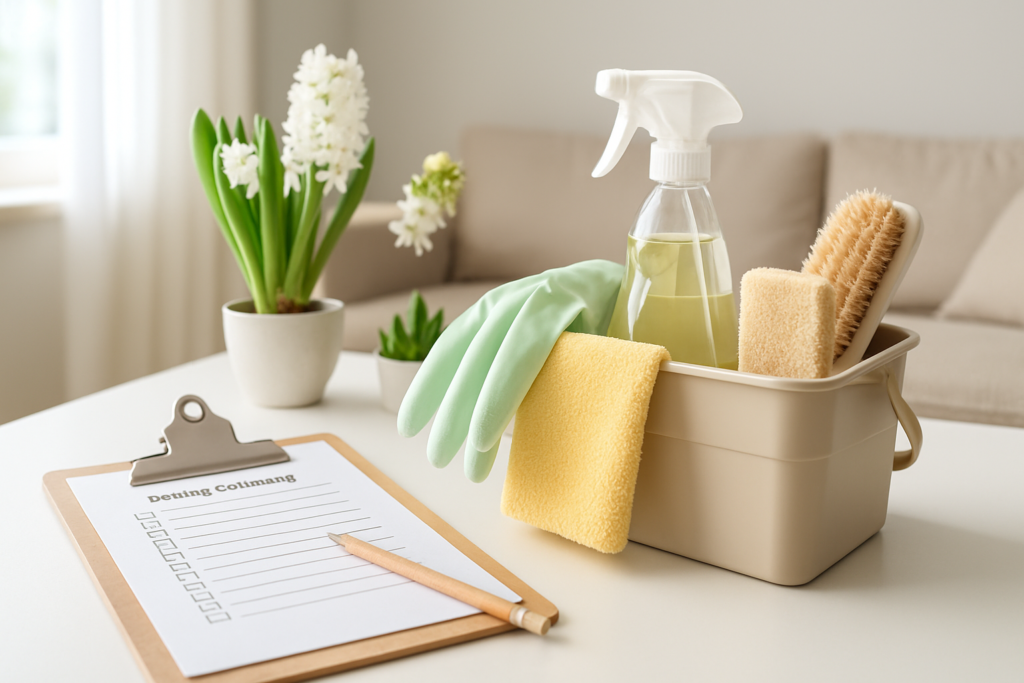
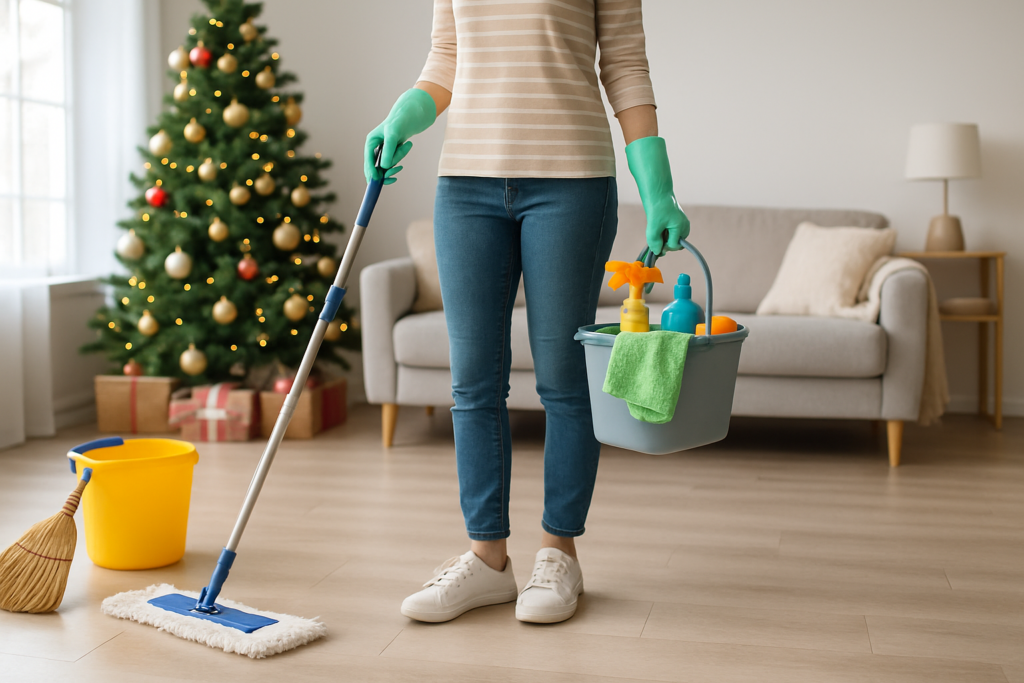
Interior maintenance during winter preparation focuses on tasks that become harder or impossible once cold weather arrives, plus cleaning that supports your home’s systems during their busiest season.
Deep Clean Around Heating Vents and Baseboards
Dust and debris around heating vents reduces air quality and system efficiency. Winter’s closed-up house conditions concentrate these problems, especially for family members with allergies or respiratory issues.
Remove vent covers and vacuum inside ducts as far as you can reach. Wipe down baseboards and heating registers with a damp cloth. Consider professional duct cleaning if you notice excessive dust, odors, or if it’s been more than 3-5 years since your last cleaning.
DIY Timeline: 1-2 hours
Professional Cost: competitively priced-500 for whole-house duct cleaning
DIY Materials: Standard cleaning supplies
Stock Emergency Supplies
Winter storms can knock out power and make travel dangerous. Having supplies on hand means you can stay comfortable and safe until conditions improve.
Keep flashlights, batteries, a battery-powered radio, extra blankets, and non-perishable food for at least 72 hours. Store a few gallons of water in case pipes freeze and you lose water service. Consider a portable generator for essential power needs.
Goal Zero Yeti Portable Power Station
Quiet, safe indoor power solution that can run essential devices during outages
DIY Timeline: 1-2 hours to assemble supplies
Professional Cost: Not applicable
DIY Materials: Varies widely based on preparation level
Timeline for Winter Preparation
Completing these tasks efficiently requires good timing. Start too early and you might miss issues that develop later. Wait too long and you’ll be racing against the first freeze.
Early Fall (September-October)
- Schedule professional heating system service
- Clean gutters and downspouts
- Trim tree branches
- Deep clean heating vents and ductwork
Late Fall (October-November)
- Disconnect and drain outdoor hoses
- Install pipe insulation
- Replace weather stripping
- Test smoke and carbon monoxide detectors
Just Before First Freeze
- Replace heating system air filter
- Stock emergency supplies
- Final check of pipe insulation
- Verify main water shutoff location
Professional vs. DIY: Making the Right Choice
Most homeowners can handle the majority of these tasks themselves with basic tools and a few hours of time. However, some jobs are worth hiring professionals for safety, expertise, or time savings.
Best DIY Tasks
- Replacing air filters
- Disconnecting hoses
- Installing pipe insulation
- Replacing weather stripping
- Cleaning vents and registers
Consider Professionals For
- Heating system service and repairs
- Electrical work on detectors or generators
- Tree trimming near power lines
- Gutter cleaning on multi-story homes
- Duct cleaning requiring specialized equipment
Frequently Asked Questions
When should I start my winter home maintenance?
Begin your winter preparation in early fall, typically September or October. This gives you time to complete tasks before the first freeze and ensures you can schedule professional services before the busy season. Some tasks, like heating system service, should be done in early fall, while others like disconnecting hoses can wait until just before freezing temperatures arrive.
How much should I budget for professional winter maintenance services?
For professional services, budget competitively priced-1200 annually for a typical home. This includes heating system service (competitively priced-200), gutter cleaning (competitively priced-300), basic weatherproofing (competitively priced-400), and potential minor repairs. Emergency services during winter storms cost significantly more, making preventive maintenance a smart investment.
What’s the most important winter maintenance task I shouldn’t skip?
Protecting your pipes from freezing is the most critical task. A single burst pipe can cause thousands of dollars in damage and create weeks of disruption. Focus on insulating exposed pipes, disconnecting outdoor hoses, and knowing where your main water shutoff is located. These simple steps prevent the majority of winter plumbing emergencies.
How do I know if I need professional heating system service or if changing the filter is enough?
Annual professional service is recommended for all heating systems, even if they seem to be working fine. Technicians can identify potential problems before they cause breakdowns and ensure your system operates safely and efficiently. Changing filters regularly is essential maintenance you should do yourself, but it doesn’t replace professional inspection and cleaning of internal components.
This article contains affiliate links. We may earn a small commission at no extra cost to you.