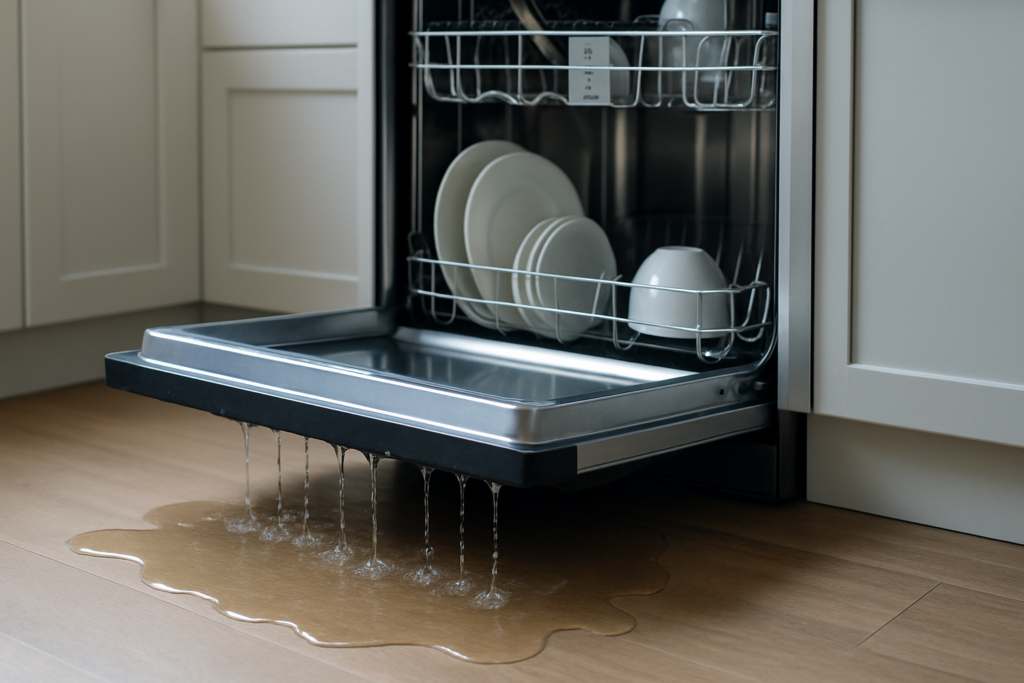
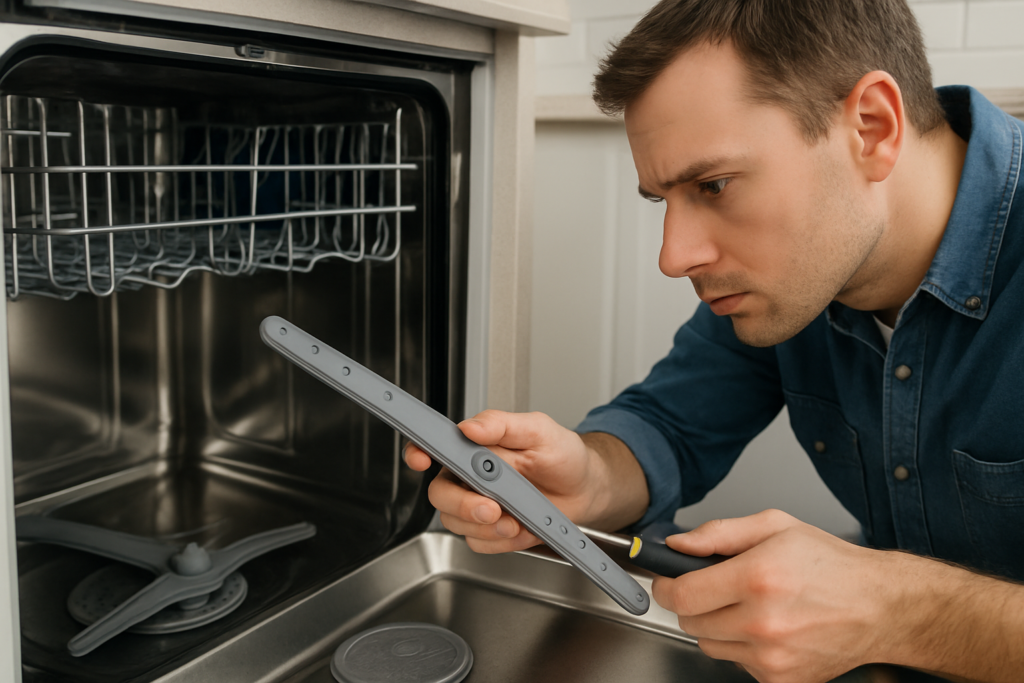
There’s nothing quite like walking into your laundry room and finding a puddle of water spreading across the floor. A leaking washing machine is one of those household problems that seems to appear out of nowhere, but the good news is that most causes are surprisingly easy to diagnose and fix yourself.
Before you call a repair technician or start shopping for a new washer, let’s walk through the most common culprits behind washing machine leaks and how you can tackle them on your own.
Check Your Hoses First
About 80% of washing machine leaks come from the hoses, so this is where you should start. Your washer has at least two main hoses: the fill hoses at the back that connect to your water supply, and the drain hose that carries water out.
Pull your washer away from the wall and inspect the fill hoses for any visible cracks, bulges, or brittleness. These rubber hoses typically last 3-5 years before they start to deteriorate. Look closely at the connection points where the hoses attach to both the washer and the wall valves. A loose connection here can cause slow drips that pool over time.
Tighten any loose connections with pliers, but don’t overtighten or you’ll crack the fittings. If your hoses look worn, replace them with stainless steel braided hoses, which are far more durable than standard rubber versions.

Stainless Steel Washing Machine Hoses
These burst-resistant hoses can prevent costly water damage and typically last 10+ years.
Door Seal and Gasket Issues
Front-load washers are notorious for door seal problems. That large rubber gasket around the door opening can develop mold, tears, or lose its flexibility over time. Run your hand along the entire seal, checking for any damage or objects stuck in the folds.
Water pooling at the front of your washer during a cycle almost always points to a compromised door seal. Sometimes you’ll find coins, bobby pins, or small socks wedged in there, preventing a proper seal. Remove any debris and wipe the gasket clean.
If the gasket itself is cracked or torn, you’ll need to replace it. This is a moderately difficult DIY job that involves removing the door and installing a new door boot seal. Make sure you look up your specific washer model number to get the right replacement part.
Drain Pump and Filter Problems
The drain pump moves water out of your washer after each cycle. When it fails or gets clogged, water can leak from underneath the machine. Most people don’t realize their washer has a drain filter that needs regular cleaning, typically every 3-6 months.
Look for a small access panel at the bottom front of your washer. Behind it, you’ll find the drain filter (also called a coin trap). Place towels on the floor, unscrew the filter, and prepare for some water to spill out. Clean out any lint, coins, or debris you find.
If cleaning the filter doesn’t solve your leak, the drain pump itself might be cracked or have a failed seal. Listen for unusual grinding or humming noises during the drain cycle. A faulty pump will need replacement, and you can find options for most models by searching for your washer’s brand and model number along with “drain pump.”
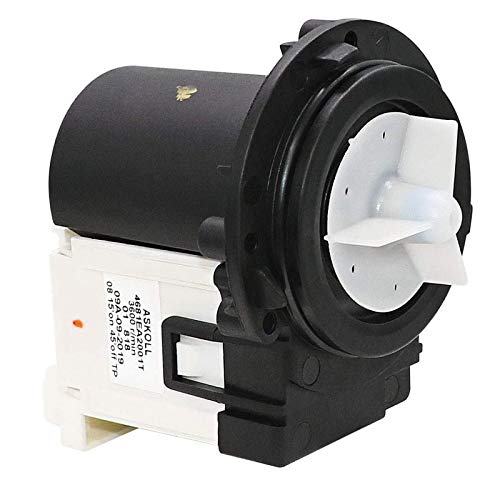
Washing Machine Drain Pump
Universal and brand-specific pumps are available for most washer models.
Detergent Overload
This one surprises most people, but using too much detergent can actually cause leaks. Excess suds can overflow the tub and seep out through door seals or even the detergent dispenser.
High-efficiency washers need much less detergent than you think. Use only 1-2 tablespoons of HE detergent per load. If you see excessive suds during a cycle, you’re using too much. Switch to HE-rated detergent if you haven’t already.
Frequently Asked Questions
Why does my washing machine only leak during the spin cycle?
Leaks that occur only during spinning usually indicate a problem with the tub seal or outer tub. The increased centrifugal force during spinning pushes water through compromised seals. This can also happen if you’re consistently overloading the washer, causing the tub to become unbalanced and stress the seals. Try running smaller loads and see if the leak persists.
Can I still use my washing machine if it’s leaking a little?
You shouldn’t. Even small leaks can cause water damage to your flooring, promote mold growth, and potentially lead to electrical hazards if water reaches the motor or control board. Plus, a small leak today often becomes a major flood tomorrow. Stop using the machine until you identify and fix the source of the leak.
This article contains affiliate links. We may earn a small commission at no extra cost to you.