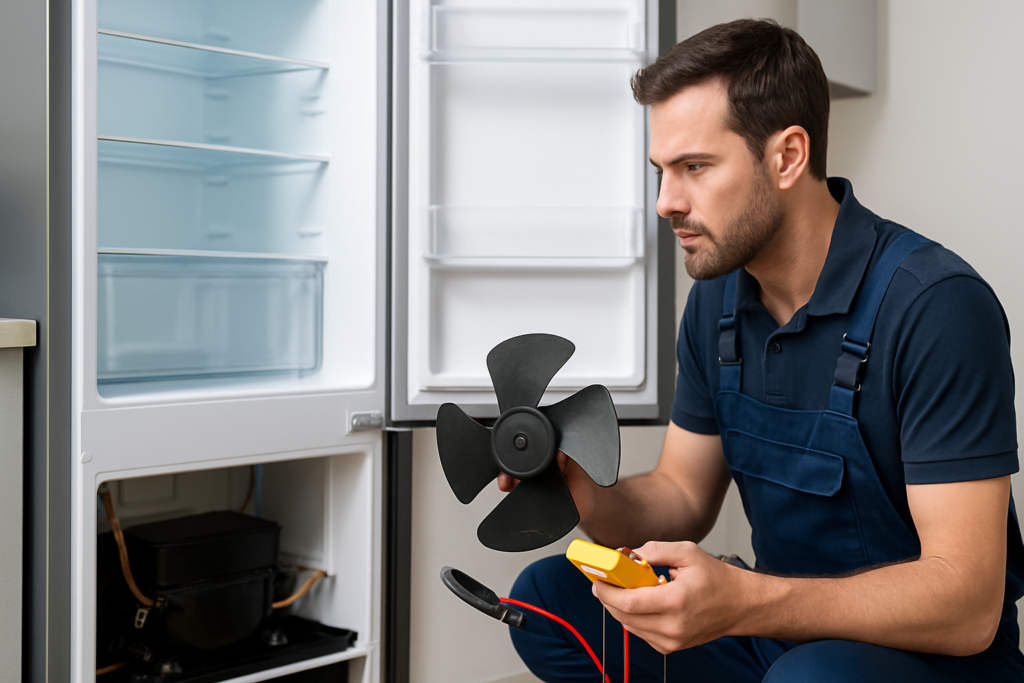
You open your refrigerator expecting to grab a cold drink, and something feels off. It’s not cooling properly, and you realize the fan isn’t spinning. Wait, refrigerators don’t spin like washing machines, right? Actually, your fridge relies on several spinning components to keep your food cold, including evaporator fans, condenser fans, and compressor motors. When these stop working, your refrigerator quickly becomes an expensive box that ruins groceries.
Before you panic and call an expensive repair technician, you should know that many refrigerator fan and motor issues are surprisingly easy to diagnose and fix yourself. Let’s walk through the most common causes and solutions so you can get your fridge back to proper cooling without breaking the bank.
Understanding Your Refrigerator’s Spinning Components
Your refrigerator has multiple parts that spin to keep everything cold. The evaporator fan circulates cold air throughout the refrigerator and freezer compartments. The condenser fan cools the compressor and condenser coils, usually located at the back or bottom of your fridge. The compressor itself has a motor that runs the refrigeration cycle.
When people say their refrigerator isn’t spinning, they’re usually noticing that the evaporator fan has stopped. This is the fan you can hear running inside the freezer compartment. When it stops, cold air doesn’t circulate, and your food starts warming up fast.
The Evaporator Fan Motor Problem
The evaporator fan motor is the most common culprit when your fridge stops cooling properly. This motor sits behind the freezer’s back panel and pushes cold air through vents into both the freezer and refrigerator sections.
You can test if your evaporator fan is working by opening your freezer door and listening. Most refrigerators have a door switch that stops the fan when you open the door, so you’ll need to manually press this switch while the door is open. You should hear the fan running. If you don’t, the motor has likely failed.
Another telltale sign is frost buildup on the evaporator coils behind that back panel. When the fan stops circulating air, moisture accumulates and freezes. You might also notice that your freezer is cold but your refrigerator section is warm, because cold air isn’t being pushed down into the fridge compartment.
Replacing an evaporator fan motor takes about 30 minutes and requires basic tools. You’ll need to unplug the fridge, remove the freezer’s back panel (usually held by several screws), disconnect the old motor’s wiring harness, and install the new one. Make sure you get the correct replacement evaporator fan motor for your specific refrigerator model.

Refrigerator Evaporator Fan Motor
Get a quality replacement motor that matches your fridge model to restore proper cooling.
Condenser Fan Issues
The condenser fan is located near the compressor, typically at the bottom back of your refrigerator. This fan pulls air across the condenser coils to dissipate heat. When it stops working, your compressor overheats and the entire cooling system struggles.
You can check the condenser fan by pulling your fridge away from the wall and removing the back panel near the floor. The fan should spin freely when you push it with your hand (make sure the fridge is unplugged first). If it’s stuck or difficult to turn, debris or a worn bearing is probably the issue.
Sometimes the fan blade itself gets clogged with dust, pet hair, and debris. A good cleaning with a brush and vacuum can solve the problem. Other times, the motor has burned out and needs replacement. Listen for unusual grinding or squealing noises, which indicate bearing failure.
Condenser fan motors are relatively inexpensive and easy to replace. You’ll disconnect the wiring, remove the mounting screws, and swap in a new condenser fan motor that matches your model number.
Compressor Motor Complications
The compressor is the heart of your refrigeration system. It’s that black cylindrical or oval component at the bottom back of your fridge. When it’s running, you’ll hear a humming sound. When it stops, your fridge stops cooling entirely.
Compressor problems are more serious than fan issues. If your compressor won’t start, you might hear clicking sounds as the start relay tries to engage it. The start relay is a small component attached to the side of the compressor that helps it begin its cycle. These relays fail more often than the compressor itself.
Testing a start relay is simple. Unplug your fridge, remove the relay from the compressor, and shake it. If you hear rattling inside, it’s failed and needs replacement. A functioning relay should be silent when shaken. You can find replacement start relays for most refrigerator models online.

Refrigerator Compressor Start Relay
An affordable fix that often saves you from expensive compressor replacement.
If the compressor itself has failed, you’re looking at a major repair. Compressor replacement often costs more than buying a new refrigerator, especially for older models. Before going that route, make sure you’ve ruled out simpler problems like a faulty relay, overload protector, or thermostat.
When It’s Actually Not a Motor Issue
Sometimes what seems like a motor problem is actually something else entirely. A faulty defrost timer can prevent your evaporator fan from running. The timer cycles your fridge between cooling and defrost modes, and when it fails, your fridge can get stuck in defrost mode with no fan running.
Temperature control thermostats also fail. These tell your compressor and fans when to run based on the internal temperature. A broken thermostat might not signal the fans to start even though the motor is perfectly fine.
Door seals matter too. If your refrigerator door gasket is worn or damaged, warm air constantly enters the fridge. Your fans and compressor run overtime trying to compensate, leading to premature failure. Check your door seals by closing the door on a dollar bill. If you can pull it out easily, your seal isn’t tight enough.
Prevention and Maintenance Tips
Most refrigerator fan and motor problems happen because of neglect. Cleaning your condenser coils every six months prevents overheating and extends motor life. You can use a coil cleaning brush and vacuum to remove dust buildup.
Keep your fridge at least two inches away from the wall to allow proper airflow around the condenser. Poor ventilation forces motors to work harder and fail sooner.
Don’t overload your freezer. Blocking air vents restricts circulation and puts extra strain on your evaporator fan motor. Leave space around the vents for air to flow freely.
Listen to your refrigerator. New noises often indicate developing problems. A grinding condenser fan, squealing evaporator motor, or clicking compressor relay gives you warning before complete failure. Catching these issues early saves you from spoiled food and bigger repair bills.
Frequently Asked Questions
How long should a refrigerator fan motor last?
Evaporator and condenser fan motors typically last 10 to 15 years with proper maintenance. However, motors in dusty environments or fridges with poor ventilation often fail earlier. Regular cleaning and ensuring adequate airflow around your refrigerator significantly extends motor life.
Can I run my refrigerator without the evaporator fan?
No, you shouldn’t run your refrigerator without a functioning evaporator fan. While your freezer might stay somewhat cold, your refrigerator compartment will warm up quickly. Running without the fan also causes ice buildup on the evaporator coils and puts extra strain on your compressor, leading to more expensive repairs.
Why does my refrigerator fan only work sometimes?
Intermittent fan operation usually indicates a failing motor bearing or a problem with the defrost system. Frost buildup can temporarily block the fan blade, causing it to stop until the frost melts. A faulty defrost timer or heater can create this cycle of freezing and thawing. Check for ice buildup behind your freezer’s back panel and test your defrost components.
This article contains affiliate links. We may earn a small commission at no extra cost to you.