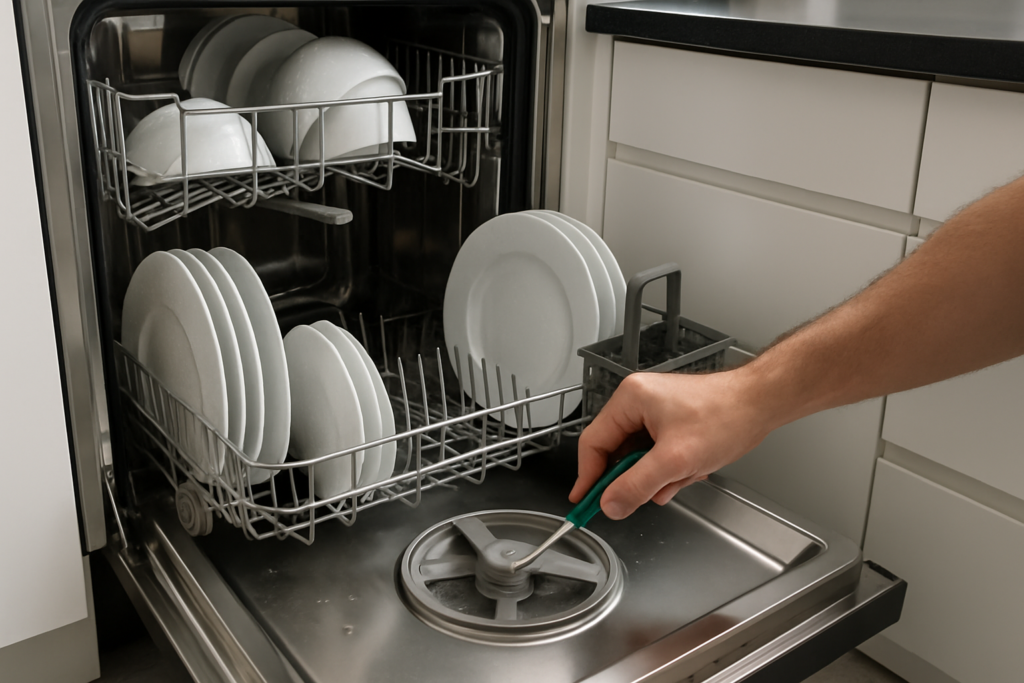
You unload your dishwasher expecting sparkling clean dishes, but instead you’re greeted with a grimy film, water spots, and residue that should’ve been blasted away. When your dishwasher isn’t heating properly, it can’t activate the detergent effectively, sanitize your dishes, or dry them properly. This leaves you rewashing everything by hand, which defeats the entire purpose of owning a dishwasher in the first place.
The heating system in your dishwasher is more complex than most people realize. It’s not just one component that can fail. Multiple parts work together to heat water, maintain proper temperatures, and dry your dishes. Understanding how these systems work will help you diagnose the problem and decide whether you can fix it yourself or need to call a professional.
How Dishwasher Heating Systems Actually Work
Your dishwasher uses heat in two distinct phases: during the wash cycle and during the drying cycle. Most modern dishwashers have a heating element located at the bottom of the tub, usually hidden beneath a metal plate or visible as a circular or U-shaped coil. This element heats the water during washing to between 130-170°F, depending on the cycle you select.
The same heating element typically handles the drying phase, warming the air inside the tub after the final rinse. Some newer models use condensation drying or fan-assisted drying instead, but the traditional heated dry method is still the most common.
A thermostat monitors the water temperature throughout the cycle. When the water reaches the target temperature, the thermostat signals the control board to stop heating. This prevents overheating and ensures your dishes get cleaned at the optimal temperature for your chosen cycle.
The Heating Element: Your First Suspect
The heating element fails more often than any other component in the heating system. Over time, mineral deposits from hard water can coat the element, reducing its efficiency. Eventually, the element can burn out completely, leaving you with lukewarm water and wet dishes.
You can test the heating element with a multimeter if you’re comfortable working with appliances. First, disconnect the power to your dishwasher at the breaker. Remove the lower dish rack and locate the heating element. Disconnect the wire leads and test for continuity. A functioning element should read between 15-30 ohms of resistance. If you get an infinite reading, the element is burned out and needs replacement.
Replacing a heating element isn’t particularly difficult if you have basic DIY skills. You’ll need to access the bottom of the dishwasher, disconnect the old element, and install a new one. Make sure you get the correct replacement part for your specific dishwasher model. A quick search for dishwasher heating elements will show you options compatible with most major brands.
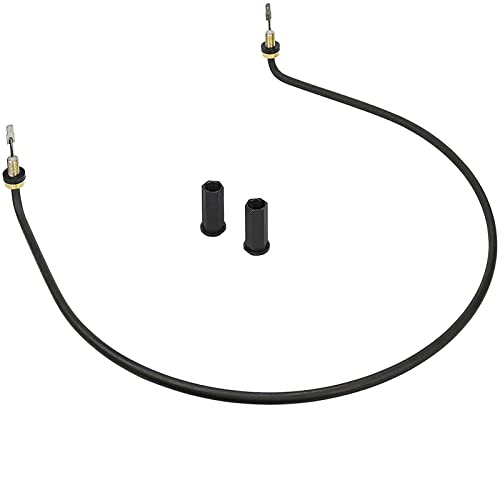
Dishwasher Heating Element
Universal elements fit multiple dishwasher brands and are typically easier to install than OEM parts
Thermostat Problems That Prevent Proper Heating
Your dishwasher’s thermostat acts as the temperature police, telling the heating element when to turn on and off. When the thermostat fails, one of two things happens: the water never gets hot enough, or it gets too hot and triggers a safety shutoff.
The high-limit thermostat is a safety device that cuts power to the heating element if temperatures exceed safe levels. This prevents melting plastic components or creating a fire hazard. If this thermostat trips or fails in the open position, your heating element won’t receive power at all.
Testing a thermostat requires a multimeter and access to the component, which is usually mounted near or on the heating element assembly. With the power disconnected, remove the thermostat and test for continuity. At room temperature, it should show continuity (a reading close to zero ohms). If it doesn’t, the thermostat needs replacement.
Some dishwashers have multiple thermostats. The main thermostat regulates normal operating temperature, while the high-limit thermostat serves as a backup safety device. Check your dishwasher’s service manual to identify which thermostat you’re dealing with before ordering replacement parts.
Control Board and Timer Issues
The control board is the brain of your dishwasher, sending signals to various components including the heating element. When the control board malfunctions, it might not send power to the heating element even when the thermostat calls for heat.
Control board failures are trickier to diagnose because the symptoms can mimic other problems. Your dishwasher might run through cycles normally but skip the heating phase entirely. Or it might stop mid-cycle with error codes displayed on the control panel.
Before replacing an expensive control board, check all the wire connections leading to and from it. Loose or corroded connectors can cause intermittent heating problems that look like control board failures. Clean any corrosion with electrical contact cleaner and ensure all connections are tight.
If you’ve ruled out the heating element, thermostat, and connections, the control board is likely the culprit. Control boards are model-specific, so you’ll need your dishwasher’s exact model number to find the right replacement. These are among the most expensive repairs you can tackle yourself, but they’re still cheaper than hiring a technician.
Water Circulation and Spray Arm Problems
Even with a perfectly functioning heating element, your dishwasher won’t clean properly if water can’t circulate effectively. Clogged spray arms, blocked filters, or a failing circulation pump can all prevent hot water from reaching your dishes.
Remove your spray arms and inspect the holes for clogs. Food particles, mineral deposits, and hard water buildup commonly block these small openings. Use a toothpick or small wire to clear each hole, then rinse the spray arms under running water.
The filter assembly at the bottom of your dishwasher needs regular cleaning. Pull it out and rinse it under hot water, using a soft brush to remove stubborn debris. A clogged filter restricts water flow to the heating element and spray arms, reducing both heating efficiency and cleaning performance.

Dishwasher Drain Filter
Replacement filters can restore proper water flow when your original filter is damaged or excessively worn
Check the circulation pump for debris as well. Small pieces of glass, food, or other objects can jam the pump impeller, preventing proper water circulation. Access to the pump usually requires removing the lower spray arm assembly and the filter housing.
Inlet Valve and Water Temperature Issues
Your dishwasher’s heating element can only raise the water temperature so much during the limited cycle time. Most dishwashers are designed to work with incoming water that’s already at least 120°F. If your water heater is set too low, the dishwasher might not reach proper cleaning temperatures even with a functioning heating element.
Check your water heater’s temperature setting. It should be set to at least 120°F for proper dishwasher operation. Some experts recommend 130-140°F for better sanitation and cleaning performance, though higher temperatures increase energy costs and scalding risk at faucets.
The inlet valve controls water flow into your dishwasher. When this valve fails or becomes clogged with mineral deposits, it might restrict water flow or allow water to enter at the wrong times. A faulty inlet valve can also cause water temperature problems if it’s leaking and allowing cold water to mix with hot water during the heating phase.
Testing the inlet valve requires checking for proper voltage at the valve terminals and ensuring water flows freely when the valve opens. You can also inspect the valve’s screen filter for debris that might restrict flow. Replacement inlet valves are available for most dishwasher models and are relatively easy to install.
When to Call a Professional
Most heating-related dishwasher problems can be fixed by a capable DIYer with basic tools and a multimeter. However, some situations call for professional help.
If you’re not comfortable working with electrical components, don’t attempt to test or replace the heating element, thermostat, or control board. Dishwashers use 120-volt power, which can be dangerous if you’re not experienced with electrical repairs.
Repeated component failures suggest a deeper problem with your dishwasher’s electrical system or water supply. If you’ve replaced the heating element or thermostat more than once, hire a technician to diagnose the root cause. You might have a voltage problem, faulty wiring, or control board issues that are damaging other components.
Dishwashers older than 10 years might not be worth repairing, especially if the repair costs more than half the price of a new model. Modern dishwashers are more energy-efficient and clean better than older models, making replacement a better long-term investment.
Preventive Maintenance to Avoid Heating Problems
Regular maintenance can prevent many heating-related issues before they start. Clean your dishwasher’s filter every month, removing any food debris or mineral buildup. Run a cleaning cycle with dishwasher cleaning tablets every few months to remove grease and mineral deposits from the heating element and spray arms.

Dishwasher Cleaning Tablets
These tablets remove limescale and grease buildup that can impair heating element performance
Use a rinse aid in your dishwasher’s dispenser. Rinse aids help water sheet off dishes during the rinse cycle, reducing the drying load on your heating element. They also prevent water spots and improve overall cleaning performance.
Scrape large food particles off dishes before loading them, but don’t pre-rinse. Modern dishwashers and detergents are designed to work with some food residue on dishes. Pre-rinsing can actually reduce cleaning effectiveness because enzymes in the detergent need something to work on.
Check your water heater temperature annually and adjust if necessary. Proper inlet water temperature reduces the workload on your dishwasher’s heating element, extending its lifespan and improving cleaning results.
Frequently Asked Questions
How can I tell if my dishwasher’s heating element is working?
The simplest test is to run a normal cycle and carefully touch the inside walls of the dishwasher tub about 15 minutes into the wash cycle. They should feel warm to hot. You can also place a dishwasher-safe thermometer inside during a cycle to measure actual water temperature, which should reach at least 130°F. For a definitive answer, test the element with a multimeter for continuity and proper resistance readings.
Why are my dishes still wet after the dry cycle?
Wet dishes usually indicate a heating element problem, but they can also result from overloading, using the wrong detergent, or skipping rinse aid. Check that your heating element is working properly and that you’re using rinse aid. Some dishwasher models have poor drying performance even when working correctly, particularly models with condensation drying systems. Opening the door slightly after the cycle completes can help moisture escape.
Can I run my dishwasher if the heating element is broken?
Yes, you can run your dishwasher without a working heating element, but your dishes won’t get properly cleaned or dried. The detergent won’t activate fully in cold water, and you’ll end up with wet, potentially still-dirty dishes. This is a temporary solution at best while you wait for parts or schedule a repair. You might need to use hotter water from your water heater and open the door immediately after the cycle to air-dry dishes.
How much does it cost to replace a dishwasher heating element?
Replacement heating elements are generally affordable when you install them yourself. Professional installation will add labor charges that vary by region and service provider. The total cost depends on your dishwasher model, with some brands using proprietary parts that cost more than universal alternatives. Considering the age and overall condition of your dishwasher helps determine whether repair or replacement makes more financial sense.
This article contains affiliate links. We may earn a small commission at no extra cost to you.