You walk over to unload your dishwasher after a cycle, open the door, and get hit with a blast of hot, steamy air. The dishes are still warm and damp. Something’s clearly off, but you’re not sure what. While dishwashers aren’t supposed to “cool” in the traditional sense like a refrigerator, they should have a proper drying cycle that allows dishes to cool down and dry completely before you open the door.
When your dishwasher isn’t cooling or drying properly, it’s usually related to how heat and moisture are being managed during and after the wash cycle. Let’s look at the most common culprits and how to fix them.
Airflow Restrictions Are Blocking Heat Escape
Your dishwasher relies on proper air circulation to release hot, moist air during the drying cycle. Most modern dishwashers have a vent, usually located on the inside of the door or near the top of the tub. When this vent gets blocked by dish racks, large plates, or accumulated debris, hot air has nowhere to go.
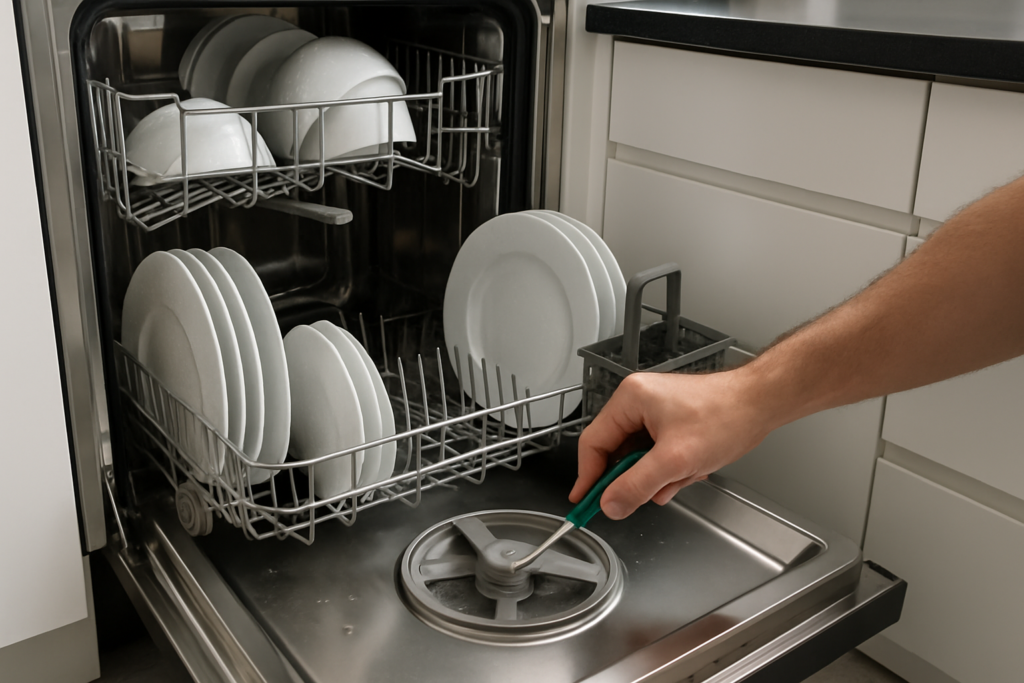
Check your dishwasher’s vent opening first. It’s often a small rectangular slot that you might not even notice. Remove any food particles, grease buildup, or mineral deposits that could be restricting airflow. You can use a soft brush or a specialized dishwasher cleaning brush to clear it out.
Also make sure you’re not overloading the dishwasher or placing large items in a way that blocks the vent. Your user manual will show exactly where the vent is located for your model.
The Heating Element or Drying System Has Failed
Most dishwashers use one of two drying methods. Traditional models have a heating element at the bottom of the tub that heats the air to evaporate water. Newer models often use condensation drying, which relies on the temperature difference between hot dishes and cooler stainless steel walls.
If you have an older dishwasher with a heating element, it might be burned out. You can test this by running a cycle and carefully checking if the element gets hot during the drying phase. If it stays cool, the element needs replacement. This is a relatively simple repair for a DIY enthusiast with basic tools, but always disconnect power first.
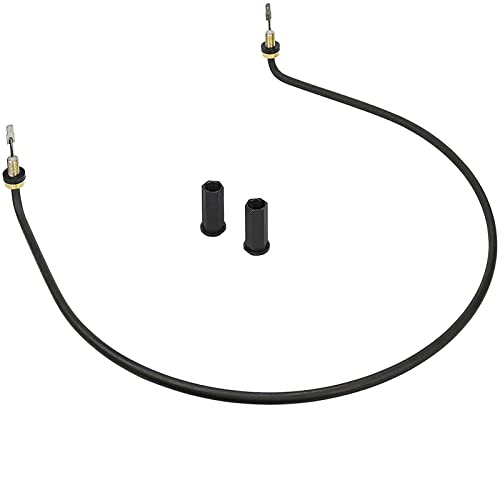
Dishwasher Heating Element
Make sure to match your dishwasher’s model number when ordering a replacement element
For condensation drying systems, the issue might be with the rinse aid dispenser. Rinse aid isn’t optional for these systems. It reduces water surface tension, allowing water to sheet off dishes instead of forming droplets. Without it, dishes stay wet much longer.
Clogged Filters Are Creating Circulation Problems
A dirty filter doesn’t just affect cleaning performance. It also impacts how well your dishwasher can manage heat and moisture. When the filter is clogged with food debris and grease, water can’t circulate properly through the spray arms. This means dishes don’t get as hot during the wash cycle, which makes the drying phase less effective.
Pull out your dishwasher’s filter assembly (usually located at the bottom of the tub) and give it a thorough cleaning. Rinse it under hot water and use an old toothbrush to scrub away any stuck-on gunk. You should be doing this at least once a month, or more often if you run your dishwasher daily.

Dishwasher Cleaning Tablets
Run these monthly to prevent buildup in areas you can’t easily reach by hand
While you’re at it, check the spray arms for clogs too. Food particles and hard water deposits can block the spray holes, reducing water pressure and temperature distribution.
The Fan or Fan Motor Isn’t Working
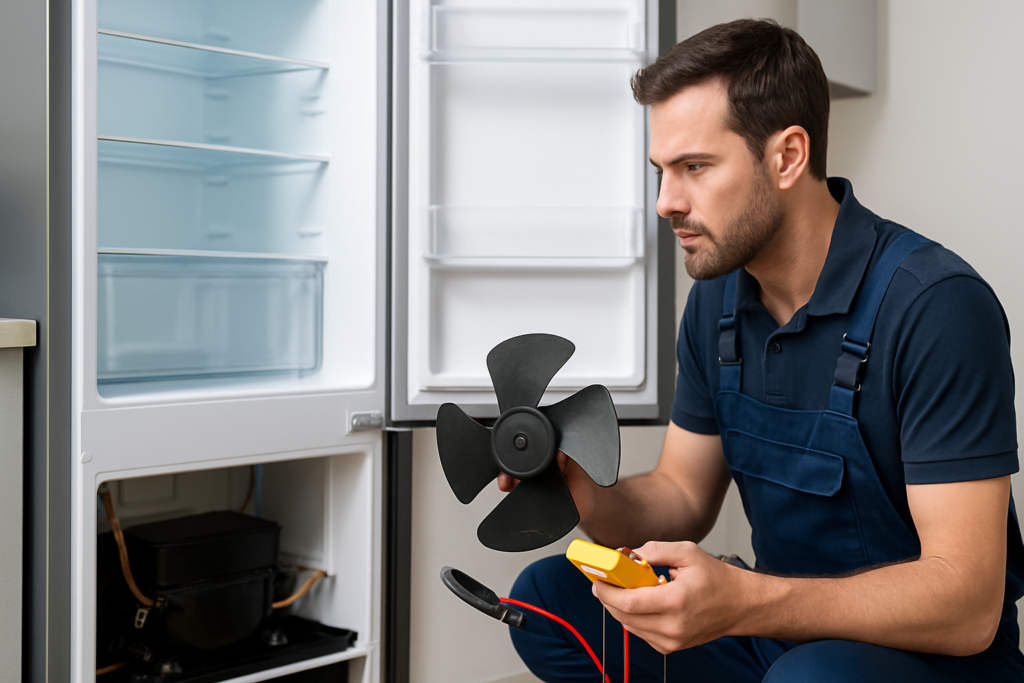
Many dishwashers, especially European brands like Bosch and Miele, use a drying fan to actively push moist air out of the tub. This fan is usually located behind the kick plate at the bottom of the unit or inside the door assembly.
Listen carefully during the drying cycle. You should hear the fan running. If it’s silent, the fan motor may have failed or become disconnected. This repair typically requires removing panels and potentially replacing the motor assembly, which might be a job for a professional unless you’re comfortable working with appliances.
Frequently Asked Questions
How long should it take for dishes to cool after a cycle?
Most dishwashers complete their drying cycle within 30 to 45 minutes after the wash ends. Dishes should be cool enough to touch comfortably within an hour of the cycle finishing. If your dishes are still steaming hot two hours later, you definitely have a problem with the drying system.
Will using the heated dry option damage my dishes?
Not really. The heated dry option is safe for most dishwasher-safe items. However, it does use more energy and can occasionally warp thin plastics. Many people choose to crack the door open slightly after the cycle ends instead of using heated dry. This allows steam to escape naturally and saves energy while still drying dishes effectively.
This article contains affiliate links. We may earn a small commission at no extra cost to you.