
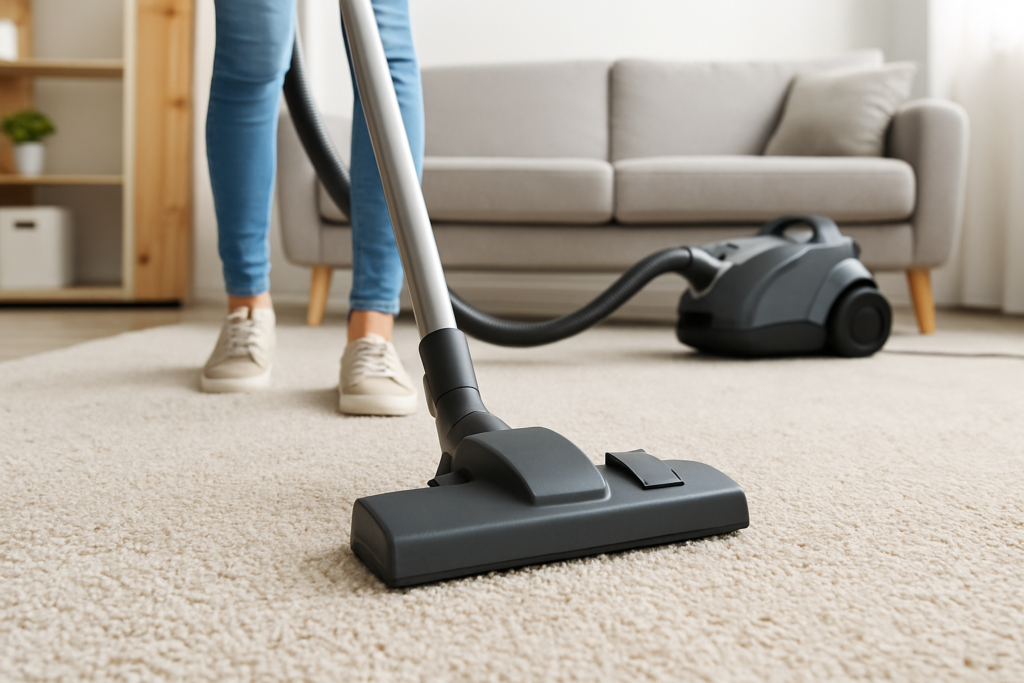
Your vacuum cleaner was supposed to make your carpets look spotless, but somehow they’re looking worse than before you started cleaning. Mysterious streaks appear on your beautiful area rug, dirt seems to redistribute rather than disappear, and that expensive carpet you installed last year already shows signs of premature wear.
Most homeowners assume vacuuming is foolproof. You plug it in, push it around, and call it done. But the truth is, improper vacuuming techniques can actually damage your carpets, reduce their lifespan, and leave your home dirtier than when you started.
These seven common mistakes might be sabotaging your cleaning efforts and costing you hundreds in premature carpet replacement. Let’s fix them before your next cleaning session.
1. Setting Your Vacuum Height Wrong
Your vacuum’s height adjustment isn’t just decoration. It’s the most critical setting that determines whether you’re actually cleaning or just rearranging dirt. Too high, and you’ll miss embedded particles. Too low, and you’ll damage carpet fibers while straining your motor.
The correct height creates a slight resistance when you push the vacuum forward. You should feel the brush roll engaging with the carpet without the vacuum becoming difficult to maneuver. For plush carpets, start with the highest setting and gradually lower until you feel this gentle resistance.
Berber and low-pile carpets need lower settings, typically one or two notches from the bottom. High-pile or shag carpets require higher settings to prevent the brush from getting tangled in long fibers. When you switch between different carpeted areas, adjust accordingly.
Test your setting by checking the suction. Place your hand over the hose attachment while the vacuum runs on carpet. You should feel strong, consistent suction. Weak suction often indicates your height is too low, creating an overly tight seal.
2. Vacuuming Too Fast
Speed kills when it comes to effective vacuuming. Most people push their vacuum like they’re mowing grass, making quick passes and calling it done. This approach misses 60-70% of embedded dirt and debris.
Professional carpet cleaners move at roughly one foot per second. This gives the brush roll time to agitate fibers and the suction time to extract particles. Count “one Mississippi” for each foot of forward movement.
Make multiple passes over high-traffic areas. Pet owners should make at least three slow passes in each direction. The first pass loosens surface debris, the second gets deeper particles, and the third catches anything stirred up by the previous passes.
Don’t forget the overlap technique. Each pass should overlap the previous one by about 25%. This ensures you don’t miss strips of carpet between your vacuum’s cleaning path.
3. Ignoring Dirty Filters and Bags
A clogged filter transforms your vacuum from a cleaning tool into a dirt redistributor. When airflow gets restricted, your vacuum loses suction and starts blowing particles back onto your carpet through exhaust vents.
Check bagless canisters after every use. Empty when they’re 2/3 full, not completely packed. Overfilled canisters reduce suction by up to 50% and can damage your motor from overheating.
Bagged vacuums need replacement when you feel reduced suction, typically every 1-2 months for average households. Pet owners and large families might need weekly changes. Don’t wait until bags are completely full.
HEPA filters require monthly cleaning or replacement, depending on your model. Rinse washable filters with cool water and let them dry completely before reinstalling. Replace non-washable filters every 3-6 months, or when they appear gray or brown instead of white.
4. Skipping the Pre-Vacuum Prep
Vacuuming over visible debris like coins, paperclips, or large crumbs can damage both your carpet and vacuum. These items can jam brush rolls, tear carpet fibers, or get stuck in hoses.
Spend two minutes picking up obvious debris before you start. This includes small toys, hair ties, loose change, and any items that might wrap around your brush roll.
Pay special attention to areas under furniture cushions and along baseboards where small objects tend to hide. Pet owners should do a quick scan for chew toys, which can seriously damage vacuum components.
Move lightweight furniture when possible. Dining room chairs, ottomans, and small tables should be relocated, not vacuumed around. This prevents those annoying dirt rectangles that appear when you finally move furniture months later.
5. Using Wrong Attachments or Techniques
Your vacuum came with multiple attachments for good reason. Using the wrong tool wastes time and can damage delicate carpet edges or transitions between different flooring types.
The crevice tool belongs along baseboards and in corners where your main brush head can’t reach. Don’t use it on carpet surfaces. The concentrated suction can pull and damage individual fibers.
Upholstery attachments work best for stairs and delicate area rugs. The gentler brush action prevents fiber damage while still providing effective cleaning. Use these for antique or expensive rugs that might be sensitive to aggressive brush rolls.
Transition strips between rooms need special attention. Turn off the brush roll or use an attachment when crossing from carpet to hardwood or tile. The height difference can jam brush rolls or scratch hard surfaces.
6. Neglecting Regular Maintenance
Your vacuum cleaner needs regular maintenance to keep working effectively. Most carpet damage happens gradually as performance declines and owners don’t notice the change.
Clean your brush roll weekly, especially if you have pets. Hair and string wrap around the brush, reducing its effectiveness and potentially burning out the motor. Use scissors to cut away tangled debris, being careful not to cut the brush bristles.
Check hoses monthly for clogs. A flashlight helps identify blockages in curved sections. Use a long, flexible tool like a coat hanger to push out stubborn clogs, but be gentle to avoid puncturing the hose.
Replace worn brush rolls immediately. Flattened or missing bristles can’t agitate carpet fibers properly. Most manufacturers recommend replacement every 6-12 months, depending on usage.
Keep spare parts on hand. Belts, bags, and filters should be readily available. A broken belt can leave you with a useless vacuum right when you need it most.
7. Vacuuming Wet or Damp Carpets
Water and standard vacuums don’t mix. Vacuuming wet spills or damp carpets can destroy your motor, promote mold growth, and create permanent stains that professional cleaning can’t remove.
Address liquid spills immediately with absorbent towels or paper towels. Blot, don’t rub, to prevent the liquid from spreading deeper into carpet fibers. Only vacuum after the area is completely dry, typically 24-48 hours depending on humidity.
High humidity days require extra caution. Carpets in bathrooms, basements, or recently steam-cleaned areas might feel dry but still contain moisture that can damage your vacuum’s electrical components.
Invest in a wet/dry shop vacuum for serious spills or flooding situations. These specialized units handle moisture safely and won’t suffer the electrical damage that destroys household vacuums.
Prevention Tips for Carpet Care
Protecting your carpets starts with choosing the right vacuum for your specific needs. Homes with primarily low-pile carpet need different features than homes with thick, plush carpeting.
Create a maintenance schedule and stick to it. Monthly deep cleaning, weekly maintenance, and daily pickup prevent small problems from becoming expensive repairs or replacements.
Consider your household’s specific challenges. Pet owners need stronger suction and specialized brush rolls. Families with allergies benefit from sealed systems and HEPA filtration. High-traffic homes require more frequent maintenance.
Document your vacuum’s performance over time. Photos of cleaned areas help you notice gradual declines in effectiveness before they cause permanent carpet damage.
FAQ
How often should I vacuum different types of carpet?
High-traffic areas need daily vacuuming, especially entryways and hallways where dirt accumulates quickly. Medium-traffic areas like living rooms require 2-3 times per week, while bedrooms and guest rooms can be vacuumed weekly. Delicate or antique rugs should be vacuumed gently once per week with appropriate attachments.
Can I vacuum immediately after carpet installation?
Wait 48-72 hours after professional carpet installation before vacuuming. New carpets often shed loose fibers during the first few weeks. This is normal and will decrease with regular, gentle vacuuming. Use a lower suction setting initially to avoid pulling up loose fibers prematurely.
Why does my carpet look worse after vacuuming?
Several factors cause this frustrating problem. Dirty filters blow particles back onto carpet, incorrect height settings redistribute rather than remove dirt, and worn brush rolls can’t effectively agitate fibers. Check your filter, adjust height settings, and inspect your brush roll for wear or tangled debris.
Should I vacuum before or after using carpet powder or deodorizers?
Always vacuum first to remove surface dirt and debris. Apply carpet powder or deodorizer to clean carpet, let it sit for the recommended time, then vacuum again. This prevents the product from mixing with dirt and creating a paste-like residue that’s difficult to remove and can damage carpet fibers over time.