Nothing ruins your kitchen flow quite like a garbage disposal that suddenly decides to take a break. One minute you’re rinsing dishes after dinner, the next you’re staring at standing water and wondering how last night’s leftovers managed to stage a rebellion in your sink.
A clogged garbage disposal isn’t just inconvenient, it can create serious plumbing issues if left untreated. The good news is that most clogs can be resolved with simple tools and techniques you probably already have at home. Safety should always be your top priority when dealing with any electrical appliance connected to sharp metal blades.
Before you reach for your phone to call a plumber, try these four proven methods to get your disposal running smoothly again. We’ll start with the simplest solutions and work our way up to more involved repairs.
Essential Safety Precautions
Before attempting any repair on your garbage disposal, you need to follow these critical safety steps. Skipping these precautions could result in serious injury or electrical shock.
Turn off the power to your disposal at the circuit breaker or unplug it from the wall outlet under your sink. Many disposals are hardwired, so the circuit breaker is your safest bet. Never rely solely on the wall switch, as electrical switches can fail.
Never stick your hand directly into the disposal chamber, even when the power is disconnected. The blades remain sharp and can cause cuts. Always use proper tools like tongs, pliers, or a disposal wrench to remove objects.
Keep a flashlight handy to illuminate the disposal chamber. Your phone’s flashlight works perfectly for this task. Good visibility helps you identify the problem and work safely.
Method 1: Manual Reset and Basic Inspection
Start with the simplest solution first. Many disposal issues stem from electrical overload rather than actual clogs. When your disposal encounters resistance, it may automatically shut off to prevent motor damage.
Look under your sink for the red reset button on the bottom of the disposal unit. Press this button firmly until it clicks. You might need to press it several times if it keeps popping back out.
While you’re under there, check that the power cord is securely plugged into the outlet. Vibration from normal use can sometimes loosen connections.
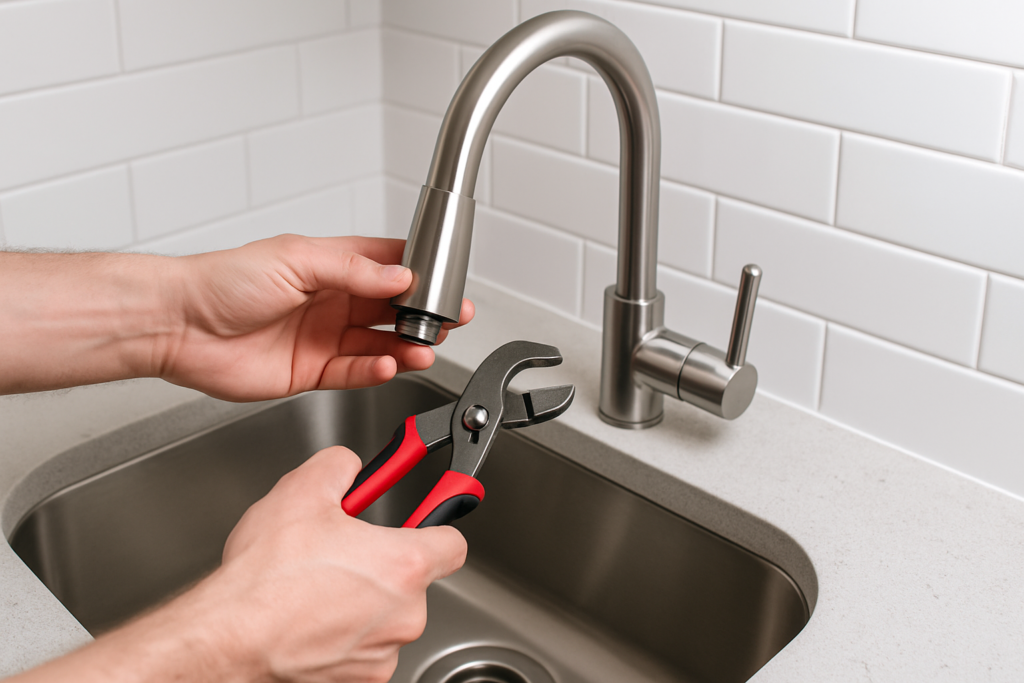
Use your flashlight to peer into the disposal from above. Look for obvious obstructions like utensils, bones, or large food particles. If you spot something that shouldn’t be there, use tongs or needle-nose pliers to remove it carefully.
Turn the power back on and test the disposal with cold water running. If it hums but doesn’t grind, you likely have a jam that needs more attention.
Method 2: Manual Blade Movement
When your disposal hums but won’t turn, the blades are probably jammed by debris wrapped around the flywheel. This method involves manually rotating the blades to break free whatever is causing the obstruction.
Most garbage disposals come with a special hex wrench (usually 1/4 inch) for this exact purpose. If you can’t find yours, a standard Allen wrench set will work. You can also purchase a universal garbage disposal wrench that fits most models.
Garbage Disposal Wrench Tool
Essential tool that fits most disposal models and makes unjamming much easier
Insert the hex wrench into the hole at the bottom center of the disposal unit. Turn the wrench back and forth in both directions. You should feel resistance at first, then the mechanism will loosen as the jam breaks free.
Continue turning until the wrench moves freely in complete circles. This indicates the flywheel is no longer obstructed.
Remove the wrench and press the reset button again. Restore power and test the disposal with cold water running. The unit should operate normally if the jam has been cleared.
Method 3: Ice and Salt Cleaning Method
Sometimes clogs result from grease buildup or small food particles that have accumulated over time. The ice and salt method helps break down these deposits while sharpening the disposal blades.
Fill the disposal chamber with about two cups of ice cubes. Add half a cup of coarse salt or rock salt on top of the ice. The salt acts as an abrasive to help scrub away buildup.
Turn on the cold water and run the disposal for 30 to 60 seconds. The ice will help knock loose any debris stuck to the sides of the chamber, while the salt scrubs the blades and chamber walls clean.
The grinding action breaks down the ice and flushes everything through the drain lines. This method is particularly effective for removing grease that has solidified inside the unit.
Follow up by running cold water for an additional minute to ensure all debris has been flushed away. Your disposal should run more quietly and efficiently after this cleaning.
Method 4: Baking Soda and Vinegar Treatment
For stubborn clogs or persistent odors, a natural chemical reaction can help dissolve organic matter and clear minor blockages. This method is safe for your plumbing and environmentally friendly.
Pour half a cup of baking soda directly into the disposal chamber. Follow this with one cup of white vinegar. The mixture will foam and bubble as the acid and base react.
Immediately cover the drain opening with the rubber stopper or a wet rag to contain the reaction inside the disposal. Let this sit for 15 to 20 minutes to allow the solution to work on the clog.
Remove the cover and flush with hot water for several minutes. The chemical reaction helps break down organic matter while the hot water flushes away loosened debris.
Turn on the disposal and run cold water to test its operation. This method works particularly well for soft food clogs and helps eliminate odors at the same time.
What Never Goes in Your Garbage Disposal
Prevention is always better than repair when it comes to disposal maintenance. Certain items should never go down your garbage disposal, as they can cause immediate clogs or long-term damage.
Grease, oil, and fat top the list of disposal enemies. These substances solidify when they cool, creating stubborn clogs that are difficult to remove. Always wipe greasy plates clean before rinsing them.
Fibrous vegetables like celery, asparagus, and corn husks can wrap around the blades and jam the mechanism. Potato peels, while not fibrous, can create a thick paste that clogs drain lines.
Bones, fruit pits, and nut shells are too hard for most disposal blades to handle effectively. Coffee grounds might seem harmless, but they accumulate in drain pipes and create stubborn blockages over time.
Never put pasta, rice, or oatmeal down the disposal. These foods expand when exposed to water and can create cement-like clogs in your drain lines.
Preventive Maintenance Tips
Regular maintenance keeps your garbage disposal running smoothly and prevents most clogs before they start. Incorporate these simple habits into your kitchen routine.
Always run cold water before, during, and after using your disposal. Cold water keeps grease solidified so it can be chopped up and flushed away, rather than coating the inside of your pipes.
Run your disposal regularly, even when you don’t have food scraps. Weekly operation prevents rust and corrosion while keeping the blades sharp and the motor in good condition.
Clean your disposal monthly using the ice and salt method described earlier. This removes buildup before it becomes problematic and keeps the unit running efficiently.
Consider using disposal cleaning pods designed specifically for this purpose. These products help break down grease and eliminate odors with regular use.
When to Call a Professional
While many disposal problems can be resolved with DIY methods, some situations require professional intervention. Recognizing when you’re in over your head can save you time, money, and potential injury.
Call a plumber if you’ve tried all four methods and your disposal still won’t operate properly. Persistent problems often indicate mechanical failure that requires professional diagnosis and repair.
Water leaking from under the disposal unit signals a serious problem. Leaks can indicate loose connections, cracked housing, or worn gaskets that need immediate professional attention.
Strange noises like grinding metal or loud rattling suggest internal damage that requires replacement parts or complete unit replacement. Don’t continue operating a disposal that makes unusual sounds.
If your disposal repeatedly trips the circuit breaker, you may have an electrical problem that requires a qualified electrician. Electrical issues can pose serious safety hazards if not properly addressed.
Multiple drain clogs throughout your kitchen or nearby areas might indicate a main drain line blockage rather than a disposal-specific problem. This requires professional drain cleaning equipment.
Choosing the Right Tools
Having the proper tools makes disposal maintenance much easier and safer. A few inexpensive items can handle most common problems you’ll encounter.
Every disposal owner should have a hex wrench that fits their unit. Most disposals use a 1/4-inch hex key, but check your owner’s manual to be sure. Keep this tool in an easily accessible location near your kitchen sink.
A good pair of needle-nose pliers helps remove small objects that fall into the disposal. Choose pliers with a comfortable grip and sufficient length to reach into the chamber safely.
A bright flashlight or headlamp improves visibility when inspecting the disposal chamber. LED models provide excellent illumination and long battery life.
Needle Nose Pliers Set
Long reach design perfect for safely removing objects from disposal chambers
Keep a supply of baking soda and white vinegar on hand for regular cleaning. These common household items are safer than chemical drain cleaners and work effectively on organic clogs.
Signs Your Disposal Needs Replacement
Even with proper maintenance, garbage disposals eventually wear out and need replacement. Most units last 8 to 15 years depending on usage and maintenance habits.
Frequent clogs that return quickly after clearing indicate worn blades or internal damage. When your disposal can’t handle normal food waste effectively, replacement becomes more cost-effective than repeated repairs.
Persistent odors that don’t respond to cleaning suggest bacterial growth in cracks or crevices within the unit. These problems typically worsen over time and can’t be resolved with standard cleaning methods.
Visible rust or corrosion on the disposal housing indicates the unit is nearing the end of its useful life. Once corrosion starts, it typically accelerates and leads to leaks or mechanical failure.
If your disposal requires frequent resets or trips the circuit breaker regularly, the motor is likely failing. Motor problems are usually too expensive to repair compared to replacement costs.
Frequently Asked Questions
Can I use chemical drain cleaners in my garbage disposal?
Avoid chemical drain cleaners in your garbage disposal. These harsh chemicals can damage the rubber gaskets and metal components inside the unit. They’re also dangerous to handle and can create toxic fumes when mixed with other substances. Stick to natural cleaning methods like baking soda and vinegar, or use products specifically designed for garbage disposals.
Why does my disposal work but drain slowly?
Slow draining usually indicates a clog in the drain line beyond the disposal unit itself. Food particles and grease can accumulate in the pipes downstream from your disposal. Try running hot water for several minutes, or use the baking soda and vinegar method to help clear minor blockages. If the problem persists, you may need professional drain cleaning.
How often should I clean my garbage disposal?
Clean your garbage disposal monthly using the ice and salt method, and perform the baking soda and vinegar treatment every few months or when you notice odors. Run cold water every time you use the disposal, and operate it weekly even without food waste to prevent rust and keep the mechanism in good working order.
Is it normal for my garbage disposal to make noise?
Some noise is normal when your disposal is grinding food waste, but pay attention to changes in sound. Grinding, chopping, and water rushing sounds are typical. However, metal-on-metal grinding, loud rattling, or humming without blade movement indicates problems that need attention. Unusual noises often signal jams, loose parts, or worn components.
This article contains affiliate links. We may earn a small commission at no extra cost to you.