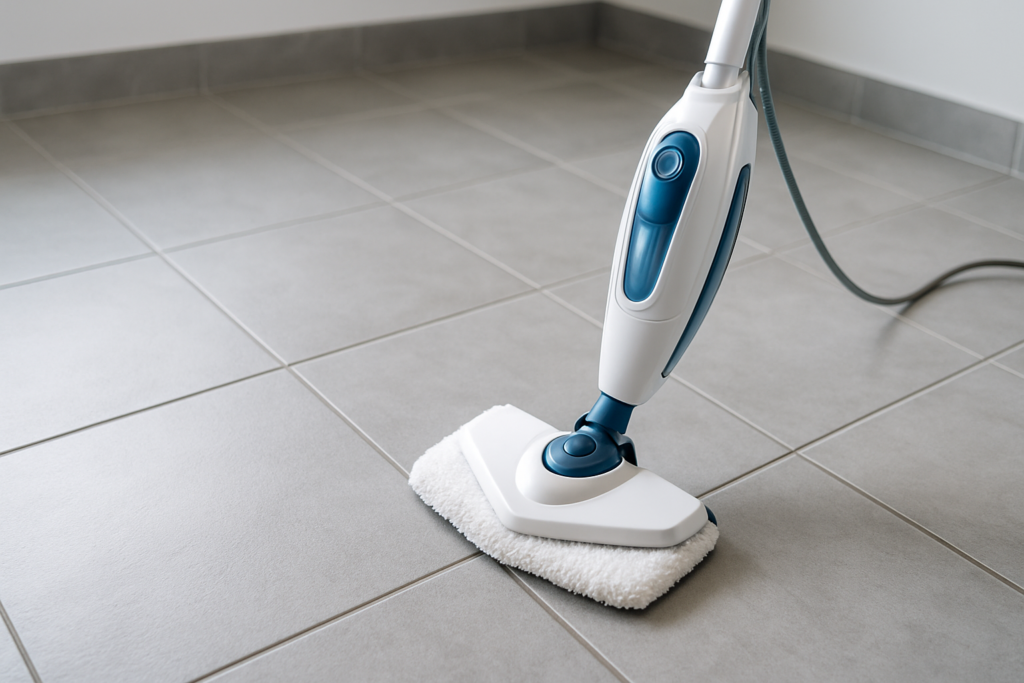
Tile and grout cleaning is one of those jobs that separates the steam mop believers from the skeptics. You’ve probably scrubbed grout lines on your hands and knees with a toothbrush, only to see the dirt creep back within weeks. Steam mops promise to blast away grime without chemicals, but not all of them deliver on tile and grout.
In 2026, the steam mop market has split into two distinct camps: upright models that work like traditional mops, and handheld units with interchangeable attachments. Both have their place, but your choice depends on how much tile you have and whether you’re willing to get on the floor for detail work. Let’s break down what actually works.
Upright vs Handheld: Which Style Wins for Tile?
Upright steam mops feel familiar because they look like regular mops. You fill the tank, wait for heat-up, and push them across your floor. The Bissell PowerFresh line remains popular because the flip-down scrubber actually helps with stubborn spots. You can stay standing while cleaning large kitchen or bathroom floors.
The downside? Upright models aren’t great for grout lines. The wide mop head distributes steam across a broad area, which cleans the tile surface but doesn’t concentrate enough heat on the grout itself. You’ll get decent maintenance cleaning, but deep grout restoration requires more focused attention.
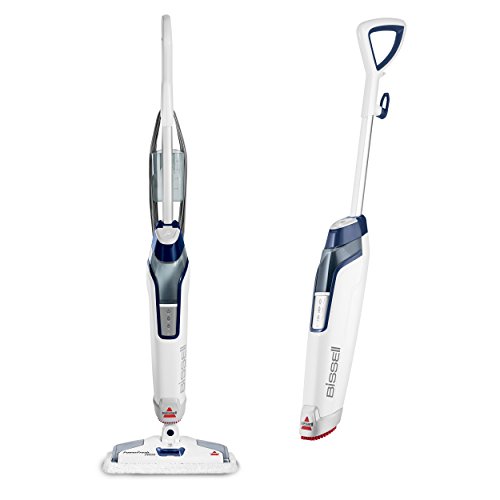
Bissell PowerFresh Steam Mop
Best upright option for large tile floors with decent scrubbing capability for general maintenance
Handheld steam cleaners offer the opposite approach. Units like the McCulloch MC1385 come with specialized grout brushes and nozzles that deliver concentrated steam exactly where you need it. You’ll spend more time on your knees, but the results on grout are dramatically better.
For most people with mixed flooring, a hybrid approach works best. Use an upright for regular tile maintenance and save a handheld steamer for quarterly deep grout cleaning. You don’t need to buy both immediately, but consider which problem matters more right now.
Heat-Up Time and Tank Capacity Matter More Than You Think
Nobody mentions this in reviews, but heat-up time directly affects whether you’ll actually use your steam mop. Waiting eight minutes for steam while you’re motivated to clean kills momentum. You’ll walk away and forget about it.
The best models in 2026 heat up in under 30 seconds. The Shark steam mops have pushed this standard across the industry. You plug it in, grab your cleaning supplies from under the sink, and it’s ready when you turn back around.

Shark Genius Steam Mop
Quick heat-up time and touch-free pad removal make this the most convenient upright option
Tank capacity creates a different tradeoff. Larger tanks mean you can clean longer without refilling, but they also take longer to heat and make the unit heavier. For a typical bathroom or kitchen, 12-15 ounces gives you about 20 minutes of continuous steam. That’s enough for most single-room jobs.
Continuous refill capability, where you can add water without waiting for cool-down, used to be a premium feature. It’s becoming standard in 2026, which matters if you’re tackling a whole house of tile. Check the specs before buying if you have more than 200 square feet to clean regularly.
Grout Brush Effectiveness: What Actually Works
Every steam cleaner claims their grout brush attachment is revolutionary. Most are just nylon bristles on a plastic head. The ones that actually work have three specific features: brass or stainless bristles, triangular brush heads, and continuous steam flow during scrubbing.
Nylon bristles are too soft for embedded grout stains. They work fine for maintenance, but if your grout has turned from white to gray over the years, you need metal bristles. Brass is gentler on grout but still aggressive enough to scrub out dirt. The brass grout brush attachments for handheld steamers outperform anything that comes with upright models.
Triangular brush heads fit into grout lines better than round brushes. This seems obvious once you think about it, but many manufacturers still ship round brushes because they’re cheaper to produce. Look for V-shaped or pointed brush designs in the product photos.
Continuous steam during scrubbing matters because it keeps the dirt loose while you work. Some models only release steam when you pull the trigger, which means you’re either steaming or brushing, never both simultaneously. The better handheld units maintain constant steam output while you scrub.
Sealed vs Unsealed Tile: Safety Considerations
Here’s where things get serious. Steam mops are safe for sealed tile and glazed ceramic, but they can permanently damage unsealed natural stone, unglazed terracotta, and certain types of slate. The heat and moisture penetrate porous materials and can cause discoloration, efflorescence, or structural damage.
Most modern bathroom and kitchen tile is glazed ceramic or porcelain, which handles steam perfectly. You can identify glazed tile by its shiny, glass-like surface. Water beads up on it rather than soaking in.
Natural stone like marble, travertine, and limestone requires sealing to protect against moisture. Even when properly sealed, these materials need gentler cleaning than steam provides. The rapid temperature changes can cause micro-cracking over time. Stick to pH-neutral cleaners and damp mopping for natural stone.
Grout presents its own considerations. Modern epoxy grout is impervious to steam and actually benefits from the heat. Traditional cement-based grout needs sealing, and steam can break down old sealant. Plan to reseal your grout lines after several deep steam cleaning sessions. This isn’t a drawback, it’s just maintenance you need to schedule.
When in doubt, test an inconspicuous area first. Steam a small section behind the toilet or under a cabinet and wait 24 hours to see if any discoloration appears. This five-minute test can save you from ruining an entire floor.
Attachment Variety and What You’ll Actually Use
Premium steam cleaners come with 15+ attachments in a fancy storage case. You’ll use three of them. The marketing departments love showing people steaming their curtains and sanitizing their mattresses, but for tile and grout, you need specific tools.
The grout brush is non-negotiable. Make sure it comes standard, not as an expensive add-on. Second, a small detail nozzle lets you blast steam into corners and along baseboards where the mop head can’t reach. Third, a squeegee attachment helps with shower walls and glass shower doors after you’ve cleaned the floor tile.
Everything else is nice to have but not essential for tile work. Window cleaning tools, fabric steamers, and upholstery brushes might get used occasionally, but they shouldn’t drive your purchase decision. Focus on grout performance first.

McCulloch MC1385 Deluxe Canister Steam System
Comes with 23 attachments including excellent brass grout brushes and delivers professional-level results on tile and grout
One attachment worth considering: extension wands for handheld units. They let you clean shower walls and high backsplashes without climbing on counters. The extension wands typically add 18-24 inches of reach, which makes a genuine difference in bathrooms.
Frequently Asked Questions
Can steam mops remove years of built-up grout stains?
Steam alone won’t remove heavy staining that’s penetrated deep into cement grout. It excels at removing surface dirt, soap scum, and light discoloration. For grout that’s turned dark brown or black, you’ll need to combine steam cleaning with a grout-specific cleaner or consider mechanical restoration. Steam works best for maintenance once you’ve restored the grout to its original color.
How often should I steam clean my tile floors?
For high-traffic areas like kitchen and bathroom floors, weekly steam mopping maintains cleanliness without overwashing. Focus on deep grout cleaning with specialized brushes monthly or quarterly, depending on how quickly grime accumulates. Over-steaming won’t damage properly sealed tile, but it wastes time and energy once the floor is already clean.
Do I need to use distilled water in my steam mop?
Tap water works fine for most steam mops, but distilled water extends the life of your machine in areas with hard water. Mineral deposits from tap water can clog steam vents and reduce efficiency over time. Check your manufacturer’s recommendations, but when in doubt, distilled water is worth the minor extra expense to avoid descaling headaches later.
This article contains affiliate links. We may earn a small commission at no extra cost to you.