
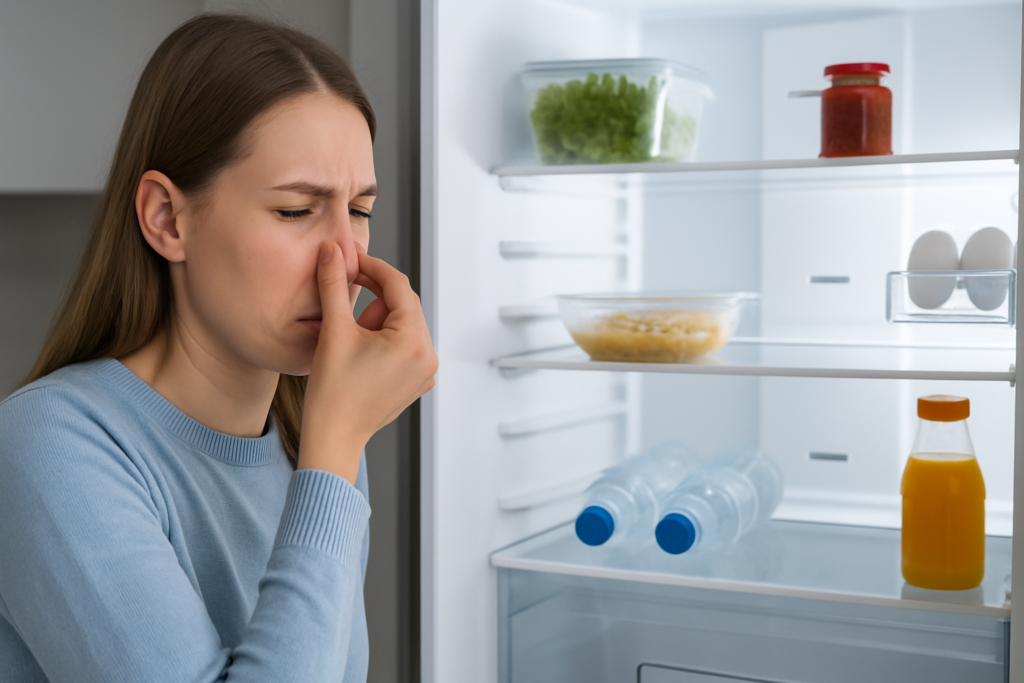
You open your refrigerator to grab a snack, and instead of the fresh smell of clean food storage, you’re hit with an unpleasant odor that makes you cringe. A smelly fridge isn’t just annoying. It can actually make your food taste off and signal underlying issues that need attention.
The good news is that most refrigerator odors are fixable with some detective work and the right cleaning approach. Let’s break down why your fridge smells and exactly how to eliminate those odors for good.
Common Sources of Refrigerator Odors
Before you can fix the smell, you need to identify where it’s coming from. Most fridge odors fall into a few predictable categories.
Spoiled or forgotten food is the most obvious culprit. That leftover container shoved to the back three weeks ago or the produce drawer you haven’t checked in a while can create some seriously bad smells. Even foods that haven’t spoiled can release strong odors if they’re not properly sealed.
Spills and drips create another major source of odor. When milk, juice, or other liquids leak onto shelves or into crevices, they become breeding grounds for bacteria. These spills often happen without you noticing, and they get worse over time.
Your drip pan, located underneath the fridge, collects condensation and defrost water. When this pan isn’t cleaned regularly, it becomes a stagnant pool that produces musty odors. Many people don’t even know this pan exists, let alone that it needs cleaning.
Water filters past their replacement date can also cause odors. Old filters lose their ability to remove contaminants and can actually introduce bad tastes and smells into your ice and water. Most manufacturers recommend replacing filters every six months.
The Deep Cleaning Process
Once you’ve identified the likely source, it’s time for a thorough cleaning. Start by removing everything from your fridge. Yes, everything. This gives you full access and lets you inspect each item for freshness.
Check expiration dates ruthlessly and toss anything questionable. When in doubt, throw it out. Wipe down containers that are staying to remove any residue on the outside.
Remove all shelves, drawers, and door bins. Wash them in your sink with warm water and dish soap. For tough stuck-on gunk, let them soak for 15 minutes before scrubbing. A specialized refrigerator cleaning brush can help you reach tight corners and crevices.
Mix a cleaning solution of equal parts white vinegar and water in a spray bottle. Spray down the entire interior of the fridge, including the walls, ceiling, and floor. Pay special attention to the rubber door gaskets where grime accumulates. Wipe everything down with a clean microfiber cloth.

Refrigerator Deodorizer Baking Soda
Specialized fridge deodorizers work better than regular baking soda boxes and last longer.
Don’t forget the drip pan. You’ll need to pull your fridge away from the wall to access it from the back or remove the front grille to slide it out from the bottom. Wash it thoroughly with hot, soapy water and dry it completely before replacing it.
Dealing with Persistent Odors
Sometimes even after a deep clean, odors linger. This usually means the smell has penetrated plastic components or that there’s a mechanical issue at play.
For stubborn smells in plastic, try activated charcoal. Place several activated charcoal bags throughout your fridge for 24-48 hours with the door closed. Charcoal absorbs odors far more effectively than baking soda.
Another trick is to wipe down all interior surfaces with vanilla extract diluted in water. The vanilla scent is pleasant and helps neutralize other odors without being overpowering.
Check your evaporator fan and coils if you’ve eliminated all food-based sources and the smell persists. The evaporator system can sometimes trap food particles or develop mold growth, especially in high-humidity environments. You may need to call a technician for this, or if you’re handy, you can access it yourself by removing the back panel inside the freezer compartment.

Refrigerator Air Filter Replacement
Many modern fridges have built-in air filters that need regular replacement just like water filters.
Verify that your fridge is maintaining the correct temperature. The ideal range is 35-38°F for the refrigerator and 0°F for the freezer. Temperatures outside this range can cause food to spoil faster and create more odors.
Prevention and Maintenance Routine
Once you’ve conquered the smell, keeping it gone is much easier than dealing with another major cleaning session. Build these habits into your routine.
Do a quick fridge audit every week when you bring home groceries. Toss anything that’s gone bad and wipe up any fresh spills immediately. A quick wipe takes 30 seconds but prevents big problems.
Keep an open container of baking soda or a commercial refrigerator deodorizer in the back of your fridge at all times. Replace it every three months for maximum effectiveness.
Store strong-smelling foods in airtight containers. This includes onions, garlic, cheese, and fish. Proper storage prevents odor transfer between foods and keeps smells contained.
Clean your drip pan every three to four months. Set a reminder on your phone because it’s easy to forget about this hidden component.
Replace your water filter on schedule. Most fridges have an indicator light, but if yours doesn’t, mark your calendar for every six months.
Keep your fridge at least two-thirds full for optimal operation. A well-stocked fridge maintains temperature better, but avoid overpacking which restricts air circulation. Use clear storage containers to stay organized and spot spoiled food quickly.
Frequently Asked Questions
How long should I leave baking soda in my fridge?
Replace your baking soda every three months for best results. After that point, it becomes saturated with odors and stops being effective. Write the date on the box when you put it in so you remember when to swap it out. Some people prefer to replace it monthly if they store particularly pungent foods.
Why does my brand new fridge smell like chemicals?
New refrigerators often have a plastic or chemical smell from manufacturing residues and packaging materials. This is normal and will dissipate. Speed up the process by wiping down all interior surfaces with a mixture of vinegar and water, then leaving the door open for several hours before use. Place some activated charcoal inside overnight to absorb remaining odors.
Can refrigerator odors contaminate my food?
Yes, odors can transfer to food, especially items with high fat content like butter, cheese, and milk. These foods readily absorb surrounding smells. This is why proper food storage in sealed containers matters so much. Strong odors can also indicate bacterial growth, which definitely affects food safety. Always store foods properly and clean spills immediately to prevent contamination.
This article contains affiliate links. We may earn a small commission at no extra cost to you.