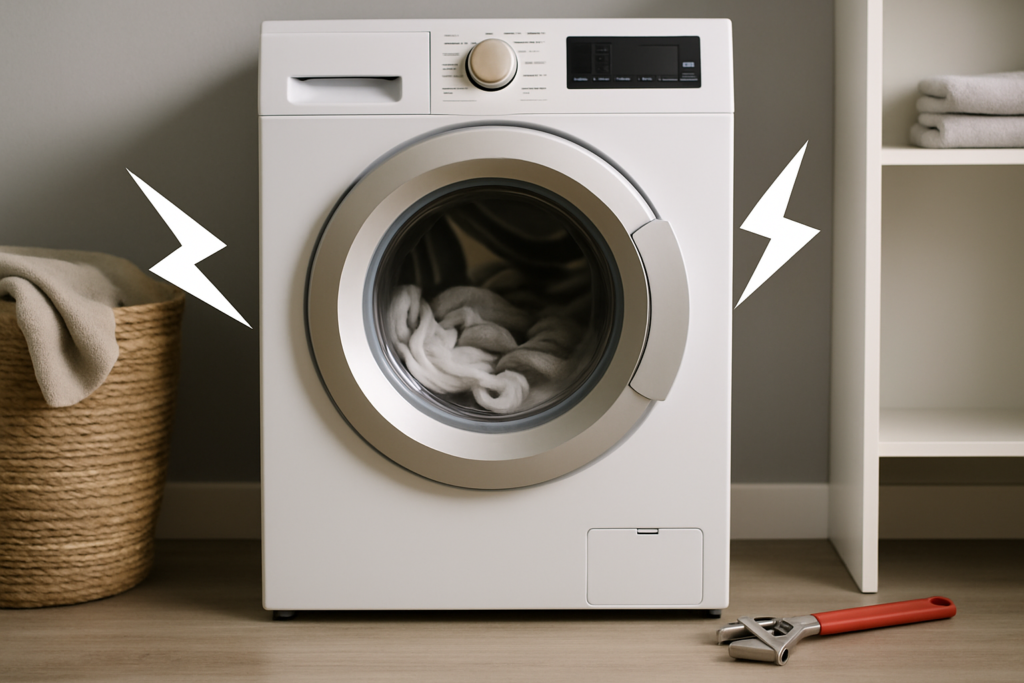
There’s nothing quite like the sound of your washing machine suddenly turning into a drum solo during spin cycle. One day it’s humming along quietly, and the next it’s banging, grinding, or squealing loud enough to wake the neighbors. Before you panic and call a repair technician, you should know that many washing machine noises have simple explanations and even simpler fixes.
Most loud noises come from worn components that naturally degrade over time. Understanding what each sound means can save you hundreds in repair costs and help you decide whether it’s a quick DIY fix or time to call in professional help.
Banging and Thumping Sounds
When your washer sounds like it’s trying to escape during the spin cycle, you’re dealing with what’s called an unbalanced load. This happens when heavy items clump together on one side of the drum, creating an uneven weight distribution.
The fix is often as simple as redistributing your clothes more evenly. Avoid washing single heavy items like bath mats or comforters alone. Mix them with smaller items or use the “bulky” setting if your machine has one.
But if the banging persists even with balanced loads, you might have failing shock absorbers or suspension springs. These components dampen the drum’s movement during high-speed spinning. When they wear out, the drum moves excessively and crashes against the machine’s sides.
Replacing shock absorbers isn’t particularly difficult for someone comfortable with basic tools. You’ll need to access the bottom or back of the machine depending on your model. Washing machine shock absorbers are model-specific, so check your manual for the correct part number.
Grinding or Scraping Noises
A grinding sound during agitation or spinning usually points to bearing problems. The drum bearing allows the inner drum to rotate smoothly. When it fails, you’ll hear metal-on-metal grinding that gets progressively worse.
This is one of the more serious issues you’ll encounter. Replacing drum bearings requires substantial disassembly of the machine, and on many modern washers, the bearing is sealed into the outer tub. This means replacing the entire tub assembly, which can cost nearly as much as a new machine.
You can confirm bearing failure by manually spinning the drum when the machine is off. It should rotate smoothly and quietly. Rough spots, resistance, or grinding indicate worn bearings.
Another cause of scraping sounds is foreign objects caught between the inner and outer drum. Coins, underwire from bras, or small items that slip through drain holes can create terrible noises. You might need to remove the drum to retrieve these items.
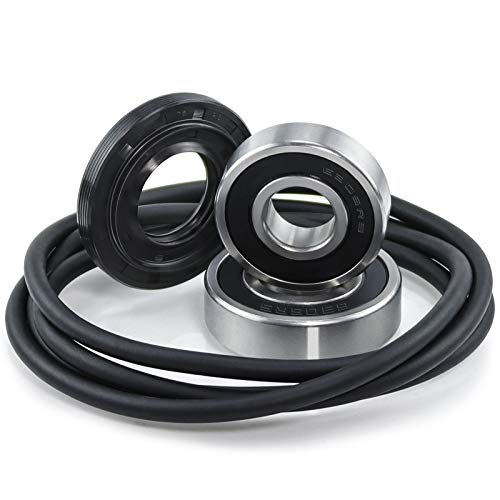
Washing Machine Drum Bearing Kit
Compatible kits are available for many washer models, but verify your specific model number before purchasing.
High-Pitched Squealing or Screeching
Squealing sounds typically come from worn drive belts or pulley issues. The drive belt connects the motor to the drum, and over time it can become glazed, cracked, or loose. When this happens, it slips against the pulleys and creates that distinctive squeal.
Inspecting the belt is easy on most machines. Unplug the washer, remove the back or front panel, and look for visible wear. Cracks, glazing, or fraying mean it’s time for replacement. Drive belts are inexpensive and relatively simple to replace.
Sometimes the pulley itself is the culprit. The motor pulley or drum pulley can develop rough spots or get clogged with detergent buildup and lint. Cleaning them with a wire brush often solves the problem.
Humming or Buzzing Without Movement
When your washer hums but the drum doesn’t turn, you’re likely looking at a seized pump or a stuck motor. This sound means the motor is trying to work but something is preventing it from completing its job.
Start by checking the drain pump. Small items like socks or debris can block the impeller. Most washers have a drain pump filter or access panel at the front bottom. Open it up (with a towel ready for water spillage) and clear any obstructions.
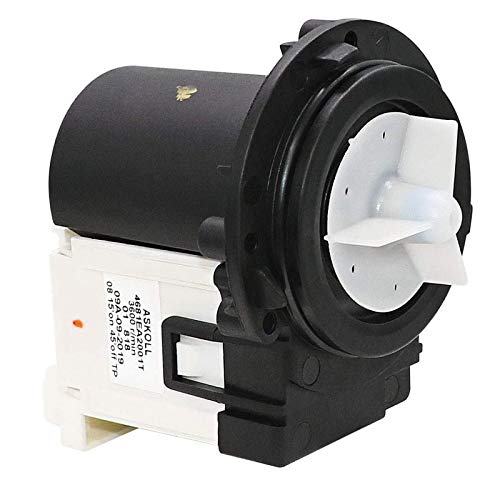
Washing Machine Drain Pump Replacement
Universal and model-specific pumps available for when cleaning doesn’t resolve the issue.
The motor itself could also be failing. This is more common in older machines. Motor capacitors can fail and prevent the motor from starting properly. Testing and replacing capacitors requires electrical knowledge, so consider professional help for this repair.
Rattling During Spinning
Rattling often comes from loose components rather than failed parts. Check for loose transit bolts if your washer is relatively new. These bolts secure the drum during shipping and must be removed before use. Many people forget this step, leading to terrible noises and potential damage.
Also inspect the outer panels and top cover. Vibration over time can loosen screws and clips. A quick tightening session with a screwdriver might solve your problem completely.
Sometimes the counterweight concrete blocks inside the washer crack or come loose. These heavy blocks balance the drum during spinning. When they fail, you’ll hear rattling and experience excessive vibration. Replacing them requires partial disassembly but isn’t overly complex.
When to Call a Professional
Some repairs make sense to tackle yourself, while others cross the line into professional territory. Bearing replacements, motor issues, and anything involving the transmission generally cost more in parts and labor than a service call saves.
Consider the age of your machine too. Investing in major repairs for a washer that’s 10-12 years old rarely makes financial sense when new models offer better efficiency and reliability.
But for newer machines under warranty, always contact the manufacturer first. Many component failures within the first few years are covered, and DIY repairs can void that coverage.
Frequently Asked Questions
Can I keep using my washing machine if it’s making loud noises?
Running a noisy washer can cause additional damage. A worn bearing, for example, can damage the drum shaft and outer tub if left unchecked. Minor noises like slight rattling might be okay temporarily, but grinding or severe banging should be addressed immediately to prevent costly secondary damage.
How long do washing machine bearings typically last?
Drum bearings usually last 8-12 years with normal use. High-efficiency front-loaders tend to experience bearing failure more frequently than top-loaders due to their horizontal drum orientation and higher spin speeds. Overloading your machine and washing heavy items regularly can accelerate bearing wear.
Why does my washer only make noise during the spin cycle?
Spin cycle noises typically relate to balance issues, shock absorbers, or bearings because this is when the drum rotates at highest speed. The increased RPMs amplify any problems with weight distribution or worn components. Noises during other cycles point to different issues like pump problems or motor troubles.
This article contains affiliate links. We may earn a small commission at no extra cost to you.