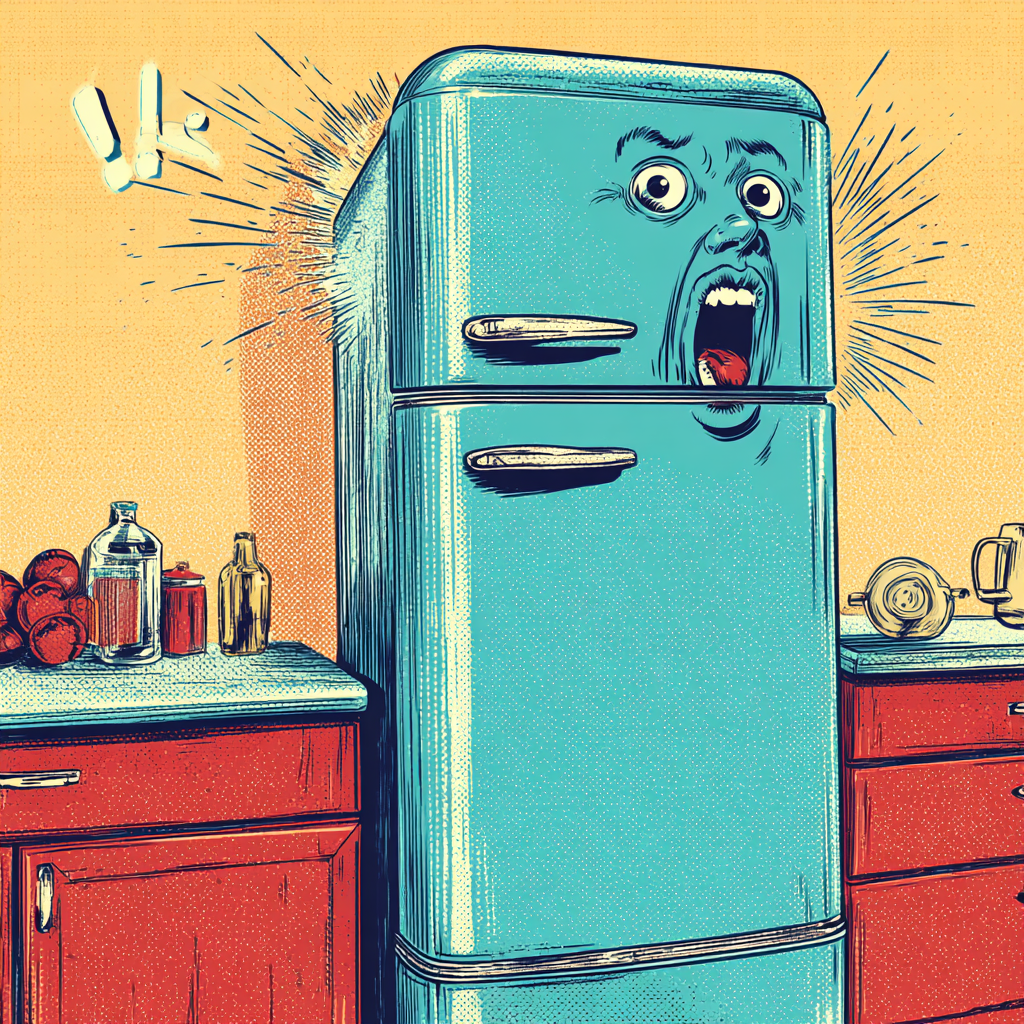
That persistent humming, rattling, or buzzing coming from your refrigerator can drive you crazy. While some operational noise is normal, loud or unusual sounds often signal that something needs attention. The good news is that many refrigerator noises have simple fixes you can handle yourself.
Understanding what each sound means and knowing when to call a professional can save you money and prevent a minor issue from becoming a major repair. Let’s explore the most common culprits behind refrigerator noise and walk through the solutions.
The Evaporator Fan: Your Most Likely Culprit
The evaporator fan circulates cold air throughout your refrigerator and freezer compartments. When this fan starts making noise, you’ll typically hear it coming from inside the freezer section. Common sounds include squealing, rattling, or a loud humming that gets worse when you open the freezer door.
Ice buildup around the fan blades causes many evaporator fan problems. Unplug your refrigerator and remove any visible ice with a hair dryer or by letting it melt naturally. Check for debris like food particles or packaging that might have fallen behind the back panel.
If cleaning doesn’t solve the problem, the fan motor itself may be failing. You can test this by manually spinning the fan blade when the unit is unplugged. It should turn freely and quietly. Any resistance or grinding indicates the motor needs replacement.

Refrigerator Evaporator Fan Motor
Universal replacement fans work for most major refrigerator brands and are relatively easy to install
Condenser Fan Issues and Solutions
The condenser fan sits near the compressor at the bottom or back of your refrigerator. This fan pulls air across the condenser coils to help dissipate heat. When it malfunctions, you’ll hear loud rattling or grinding sounds coming from the bottom of your fridge.
Dust and debris commonly clog condenser fans. Pull your refrigerator away from the wall and remove the back panel or kick plate to access the fan. Clean away any dust buildup using a vacuum or compressed air. Pet hair is a particularly common culprit in homes with cats or dogs.
Worn fan bearings create a grinding noise that gradually gets worse over time. Unlike evaporator fans, condenser fans are easily accessible and usually secured with just a few screws. Replacing a faulty condenser fan is one of the simpler refrigerator repairs.
Compressor Problems: When to Worry
Your refrigerator’s compressor is the heart of the cooling system. Normal compressor operation includes a low humming sound when it cycles on and off. However, loud knocking, clicking, or grinding sounds from the compressor area indicate serious problems.
Compressor noise often stems from failing internal components or refrigerant issues. Unfortunately, compressor repairs are expensive and usually require professional service. In many cases, replacing the entire refrigerator makes more financial sense than fixing a failed compressor.
Before assuming compressor failure, check that your refrigerator sits level. Use a bubble level and adjust the front legs as needed. An unlevel refrigerator puts extra strain on the compressor and can cause unusual noises.
Ice Maker Noise and Quick Fixes
Ice makers generate various sounds during normal operation, but some noises indicate problems. Loud grinding during ice dispensing usually means ice is jammed in the mechanism. Turn off the ice maker and clear any stuck cubes manually.
A constantly running ice maker motor points to a faulty water inlet valve or control module. Check that the ice bin is properly seated and the wire arm moves freely. Sometimes simply cycling the ice maker off and on resolves control glitches.
Water hammer sounds occur when the ice maker’s water valve closes too quickly. This creates a banging noise in your plumbing. Installing a water hammer arrestor near the refrigerator connection typically solves this issue.
Other Common Noise Sources
Rattling sounds often come from loose components rather than failing parts. Check that all shelves, drawers, and bins are properly seated. Remove everything from the top of your refrigerator, as vibration can cause items to rattle against each other.
Refrigerant flow creates gurgling or bubbling sounds that are completely normal. You’ll hear this most often right after the compressor shuts off. However, loud hissing sounds may indicate a refrigerant leak, which requires immediate professional attention.
Door seals and hinges can also generate noise. Squeaking hinges usually need lubrication with a small amount of petroleum jelly. Whistling sounds when opening doors suggest worn door seals that should be replaced.

Refrigerator Door Seal Gasket
Measure your existing seal carefully since sizes vary significantly between models
When to Call a Professional
Some refrigerator noises require professional diagnosis and repair. Loud banging or knocking from the compressor area typically indicates internal damage that’s beyond DIY repair. Similarly, continuous running with inadequate cooling suggests refrigerant or control system problems.
Electrical issues like sparking sounds or burning smells require immediate attention from a qualified technician. Never attempt to repair electrical components yourself, as refrigerators use high-voltage capacitors that can be dangerous even when unplugged.
Most evaporator and condenser fan replacements fall within the DIY category for handy homeowners. However, accessing evaporator fans often requires removing multiple panels and potentially disconnecting refrigerant lines, which some people prefer to leave to professionals.
Frequently Asked Questions
Why does my refrigerator make noise at night?
Refrigerators often seem louder at night because ambient noise levels drop significantly. The compressor and fans operate on the same schedule regardless of time, but you notice them more in a quiet house. Additionally, thermal expansion and contraction as temperatures change can create popping or crackling sounds.
How long should a refrigerator fan last?
Most refrigerator fans last 8-12 years with normal use. However, factors like dust buildup, power surges, and manufacturing defects can shorten their lifespan. Regular cleaning extends fan life significantly, while neglected units may fail within 5-7 years.
Can a noisy refrigerator damage other components?
Yes, ignoring refrigerator noises can lead to cascading failures. A failing evaporator fan forces the compressor to work harder, potentially shortening its life. Similarly, a clogged condenser fan can cause the compressor to overheat and fail prematurely. Address unusual noises promptly to prevent costly secondary damage.
This article contains affiliate links. We may earn a small commission at no extra cost to you.