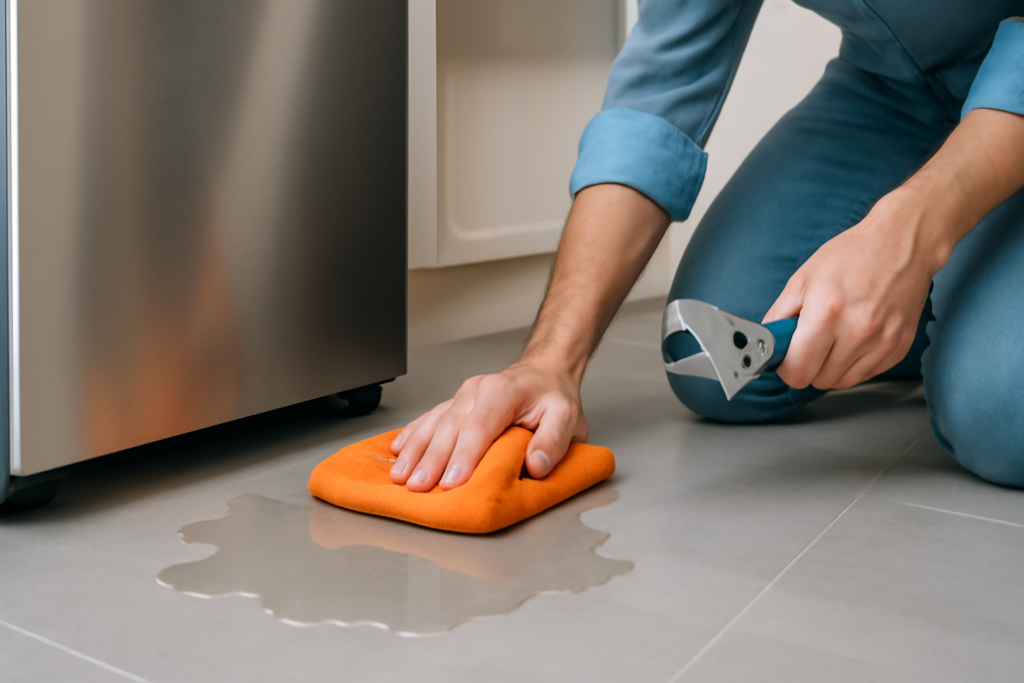
Nothing’s quite as frustrating as discovering a puddle of water under your refrigerator. One day everything’s fine, and the next you’re grabbing towels and wondering if you need to call a repair technician. While a leaking refrigerator might seem like a major problem, it’s often something you can diagnose and fix yourself with a few basic tools.
Most refrigerator leaks come down to four common culprits: clogged drain lines, faulty door seals, damaged water supply lines, or issues with the defrost system. The key is identifying where exactly the water is coming from and working systematically through the most likely causes.
Check Your Door Seals and Gaskets First
Start with the easiest fix: your door seals. Damaged or dirty gaskets are responsible for about 30% of refrigerator leaks. When warm air gets inside, it creates extra condensation that has to go somewhere.
Run your hand around the entire door frame while the refrigerator is running. You shouldn’t feel any cold air escaping. Pay special attention to the bottom corners where seals tend to crack first. Clean the gaskets with warm soapy water and check for tears, warping, or areas where the magnetic seal has weakened.
Try the dollar bill test: close a dollar bill in the door and try to pull it out. If it slides out easily, your seal needs replacing. A new door gasket can solve the problem completely.

Refrigerator Door Seal
Essential replacement part that fits most standard refrigerator models
Clear the Drain Line and Pan
Your refrigerator’s defrost cycle creates water that needs somewhere to go. Normally, this water flows through a drain line into a collection pan under the unit. When this system gets clogged, water backs up and leaks onto your floor.
Locate the drain hole inside your refrigerator, usually at the back of the fresh food compartment or inside the freezer. It’s often hidden behind a panel you can remove with a screwdriver. Use a turkey baster or small funnel to flush the drain with warm water. Many clogs are just food debris or ice buildup.
Pull out your refrigerator and check the drain pan underneath. It might be cracked, misaligned, or overflowing. Clean it thoroughly and make sure it’s sitting properly in its brackets. Some models have removable pans that you can take to the sink for easier cleaning.
For stubborn clogs, try flushing with a mixture of warm water and baking soda. You can also use a flexible drain cleaning tool to break up blockages deeper in the line.
Inspect Water Supply Lines and Connections
If your refrigerator has an ice maker or water dispenser, check all the water connections. These plastic lines can crack over time, especially where they connect to valves or bend around corners.
Turn off the water supply to your refrigerator and examine every visible connection. Look for mineral deposits, which often indicate slow leaks. The water filter housing is another common failure point. Remove the filter and check the housing for cracks or loose fittings.
Replace any damaged water lines immediately. Most hardware stores carry refrigerator water line tubing in standard sizes. Make sure to get food-grade tubing designed for refrigerator use.

Refrigerator Water Line Kit
Complete kit with tubing and fittings for most ice maker installations
When to Call for Professional Help
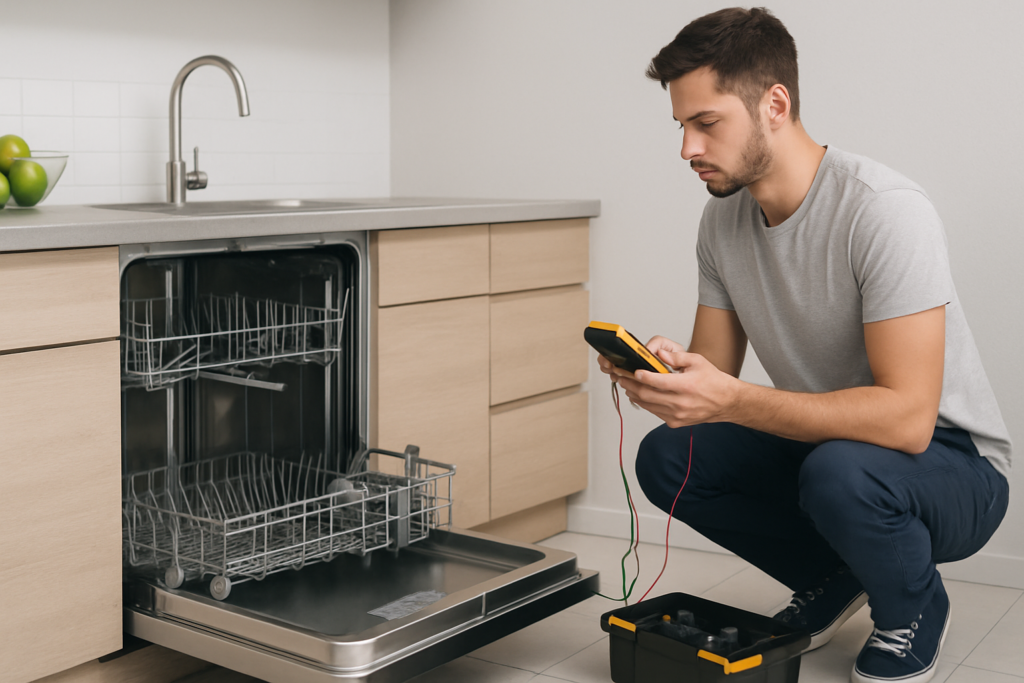
Some refrigerator leaks require professional attention. If water is coming from inside the freezer walls, you likely have a refrigerant leak or evaporator coil problem. These repairs involve refrigerant handling and specialized tools.
Electrical issues with the defrost system also need professional diagnosis. If your freezer has excessive ice buildup or the defrost cycle isn’t working properly, the problem might be a faulty defrost timer, heating element, or temperature sensor.
Frequently Asked Questions
How much water is normal for a refrigerator to produce?
Your refrigerator should produce some condensation during normal operation, but you shouldn’t see standing water. The defrost cycle typically produces 1-2 cups of water per day, which should drain away automatically. Any visible pooling indicates a problem that needs attention.
Can I use my refrigerator while it’s leaking?
Small leaks from door seals or minor drain issues won’t hurt your refrigerator short-term, but don’t ignore them. Water can damage your flooring and create mold problems. If you suspect a refrigerant leak or electrical issue, turn off the unit and call for service immediately.
This article contains affiliate links. We may earn a small commission at no extra cost to you.