Few things are more frustrating than finding a pile of damp clothes in your dryer after a load that never finished. When your dryer keeps tripping the circuit breaker, it’s not just annoying. It’s a sign something’s wrong with either your dryer or your home’s electrical system.
The good news is that most causes are fixable, and you can diagnose many of them yourself. Let’s walk through the most common reasons your dryer keeps cutting power and what you can do about it.
Understanding Your Dryer’s Electrical Load
Electric dryers are power-hungry appliances. Most require a dedicated 240-volt circuit with a 30-amp breaker. When you turn on your dryer, it draws a significant amount of current, especially during the heating cycle.
If your breaker trips immediately when you start the dryer, you’re dealing with a short circuit or ground fault. If it trips after running for a while, you’re more likely looking at an overload condition where the dryer is pulling too much power over time.
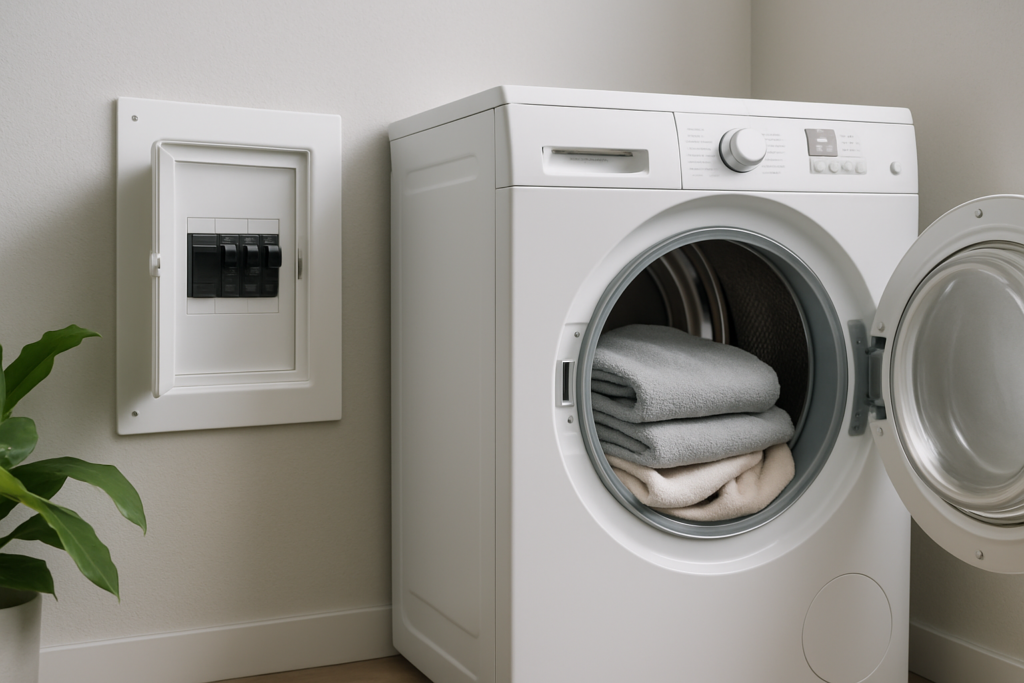
Check your circuit breaker panel first. A breaker that’s weak or worn out might trip even when your dryer is functioning normally. If the breaker feels hot to the touch or looks corroded, you’ll need an electrician to replace it.
Faulty Heating Element or Motor
The heating element is one of the most common culprits when a dryer trips the breaker. Over time, these elements can develop cracks or touch the dryer housing, creating a short circuit. When this happens, your breaker does its job by cutting power before any damage occurs.
You can test the heating element with a multimeter. Disconnect power to your dryer, access the heating element (usually behind the front or rear panel), and check for continuity. If the element shows continuity to ground or the resistance is way off spec, it needs replacement.

Dryer Heating Element
Replace a faulty element yourself and save on repair costs.
The motor can also cause breaker trips if it’s failing or seizing up. A motor that’s struggling will draw more amps than normal. Listen for unusual noises like grinding or squealing. A motor on its way out often makes its distress known before it completely fails.
Blocked airflow forces your dryer to work harder, which means more heat and more power consumption. When your lint trap, exhaust vent, or ductwork gets clogged, the motor has to run longer and hotter. This can push your electrical draw over the threshold and trip the breaker.
Wiring Problems You Shouldn’t Ignore
Loose connections at the terminal block where your power cord connects to the dryer can cause arcing and breaker trips. Pull off the access panel on the back of your dryer and inspect these connections. Look for any discolored or melted wires, which indicate overheating.
The power cord itself can degrade over time. Check for any visible damage, fraying, or burn marks. A damaged cord is a fire hazard and should be replaced immediately. Make sure you’re using the correct amperage cord for your dryer model.
Your home’s wiring matters too. Aluminum wiring, common in homes built between 1965 and 1973, can develop poor connections that lead to tripping breakers. If you have aluminum wiring, have a qualified electrician inspect the connections at your dryer outlet.
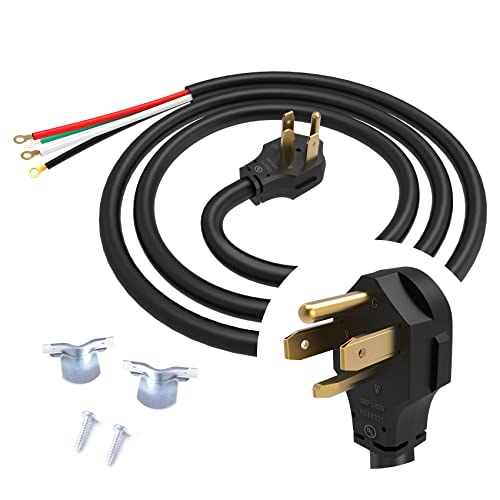
4-Prong Dryer Power Cord
Upgrade to a modern four-prong cord if your outlet supports it for better safety.
Don’t overlook the dryer outlet itself. Outlets can wear out from repeated plugging and unplugging. Loose connections inside the outlet create resistance, which generates heat and can trip breakers. An electrician can test the outlet and replace it if needed.
When to Call a Professional
Some dryer repairs are fine for DIY enthusiasts, but electrical issues can be dangerous. If you’ve checked the obvious problems and your dryer still trips the breaker, call a professional appliance repair technician or electrician.
You should definitely get professional help if you see any signs of electrical burning, smell something unusual, or if the breaker panel itself shows signs of damage. These situations can indicate serious electrical hazards that need immediate attention.
Frequently Asked Questions
Can I just replace the breaker with a higher amp rating?
Never increase the breaker amperage without consulting an electrician. Breakers are sized to protect your home’s wiring. A 30-amp circuit has specific gauge wire designed for that load. Installing a larger breaker won’t fix your dryer problem and could create a fire hazard by allowing wires to overheat without tripping the breaker.
Why does my dryer only trip the breaker sometimes?
Intermittent tripping usually points to a component that fails when it gets hot. The heating element might have a crack that expands with heat, or the motor could be binding occasionally. It could also indicate a loose connection that makes and breaks contact as the dryer vibrates. These issues typically get worse over time, so address them sooner rather than later.
This article contains affiliate links. We may earn a small commission at no extra cost to you.