Few things are more frustrating than loading wet clothes into your dryer, hitting the start button, and hearing the motor hum while the drum sits completely still. Your dryer might be getting power and making noise, but if that drum isn’t turning, your laundry isn’t getting dry.
The good news is that most non-spinning dryer issues come down to a few common culprits, and many of them are surprisingly easy to fix yourself. Let’s walk through the main reasons your dryer stopped spinning and what you can do about it.
The Broken Drive Belt
This is the most common reason dryers stop spinning. The drive belt wraps around the drum and connects to the motor pulley. Over time, especially after years of use, this rubber belt wears out, cracks, or snaps completely.
You can usually tell if it’s the belt because the dryer will still turn on and the motor will run, but the drum won’t budge. Another telltale sign: open the door and try rotating the drum by hand. If it spins really easily with almost no resistance, the belt is probably broken.
Replacing a dryer belt isn’t as intimidating as it sounds. You’ll need to unplug the dryer, remove the front or top panel depending on your model, and thread the new belt around the drum, idler pulley, and motor pulley. Make sure you get the right belt for your specific dryer model.

Dryer Drive Belt
Replace your worn belt with a quality replacement that fits your dryer model
Drum Roller and Idler Pulley Issues
The drum sits on small wheels called drum rollers, and the idler pulley keeps tension on the drive belt. When these components wear out, they can prevent the drum from spinning smoothly or at all.
Listen carefully when you try to start your dryer. Do you hear thumping, squealing, or grinding sounds? These noises often indicate worn drum rollers or a seized idler pulley. The motor might be working overtime to try to turn the drum, but friction from damaged rollers can stop everything in its tracks.
Replacing drum rollers and the idler pulley usually makes sense to do at the same time you replace the belt, since you’ll already have the dryer apart. Most repair kits include all these components together. You’ll find dryer repair kits that bundle the belt, rollers, and pulleys for specific dryer brands.
Motor Problems and Thermal Fuse
Sometimes the issue isn’t mechanical but electrical. The thermal fuse is a safety device that cuts power to the motor if your dryer overheats. When it blows, your dryer might not start at all, or in some models, the motor won’t run.
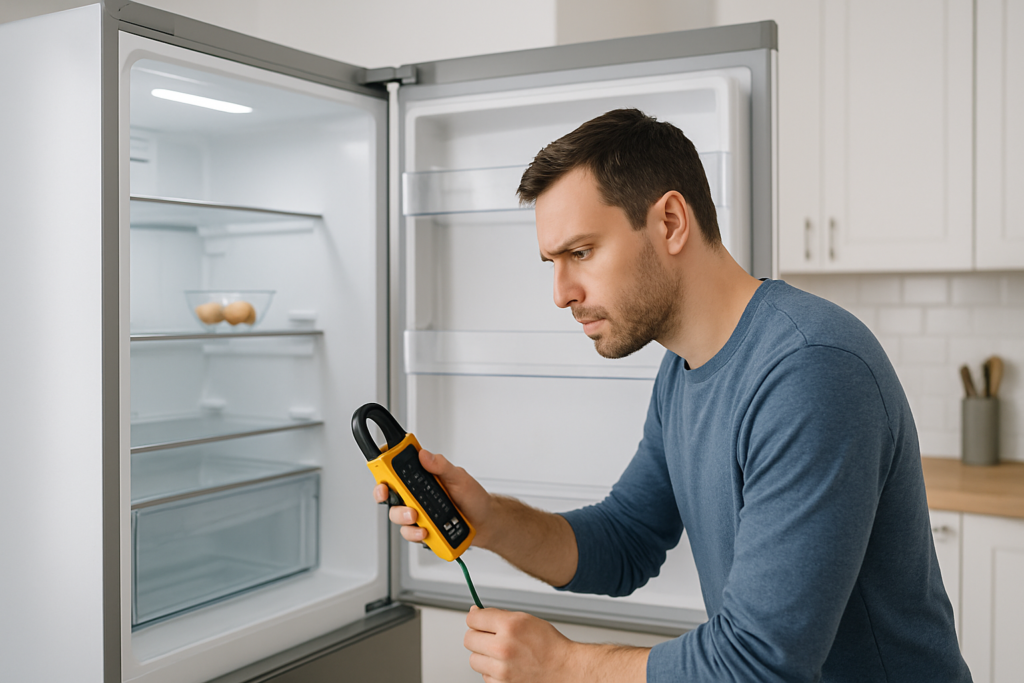
You can test the thermal fuse with a multimeter to check for continuity. If it’s blown, you’ll need to replace it. But here’s the important part: thermal fuses don’t blow for no reason. You need to figure out why your dryer overheated in the first place. Usually, it’s a clogged vent causing restricted airflow.
A failed motor is less common but definitely possible, especially in older dryers. If you hear clicking or humming but the motor doesn’t actually run, and you’ve ruled out the thermal fuse, the motor itself might be shot. Motor replacement is more expensive and labor-intensive, so you’ll want to weigh the cost against buying a new dryer.

Dryer Thermal Fuse
Keep a spare on hand since these safety devices can fail when vents get clogged
Door Switch and Lid Switch Failures
Your dryer won’t spin if it thinks the door is open. The door switch (or lid switch on top-loading dryers) is a simple safety mechanism that completes the electrical circuit when the door closes properly.
Test this by closing the door and listening for a clicking sound. If you don’t hear it, or if the dryer light stays on when the door is closed, the switch might be faulty. You can also check the switch with a multimeter.
Door switches are inexpensive and easy to replace. They’re usually held in place with a couple of screws and a wire harness connector. Just make sure you unplug the dryer before working on any electrical components.
Frequently Asked Questions
Can I still use my dryer if the drum isn’t spinning?
No, you shouldn’t run your dryer if the drum isn’t spinning. The heating element will still work, which means you’re essentially creating a heating chamber with stationary wet clothes inside. This creates a fire hazard and won’t dry your laundry anyway. Unplug the dryer and diagnose the problem before using it again.
How much does it cost to fix a dryer that won’t spin?
If you do it yourself, parts typically run between affordable to moderate depending on what needs replacing. A drive belt is one of the cheaper fixes, while a new motor costs significantly more. Professional repair usually adds labor costs on top of parts. For older dryers or expensive repairs, you might want to consider whether replacement makes more financial sense.
This article contains affiliate links. We may earn a small commission at no extra cost to you.