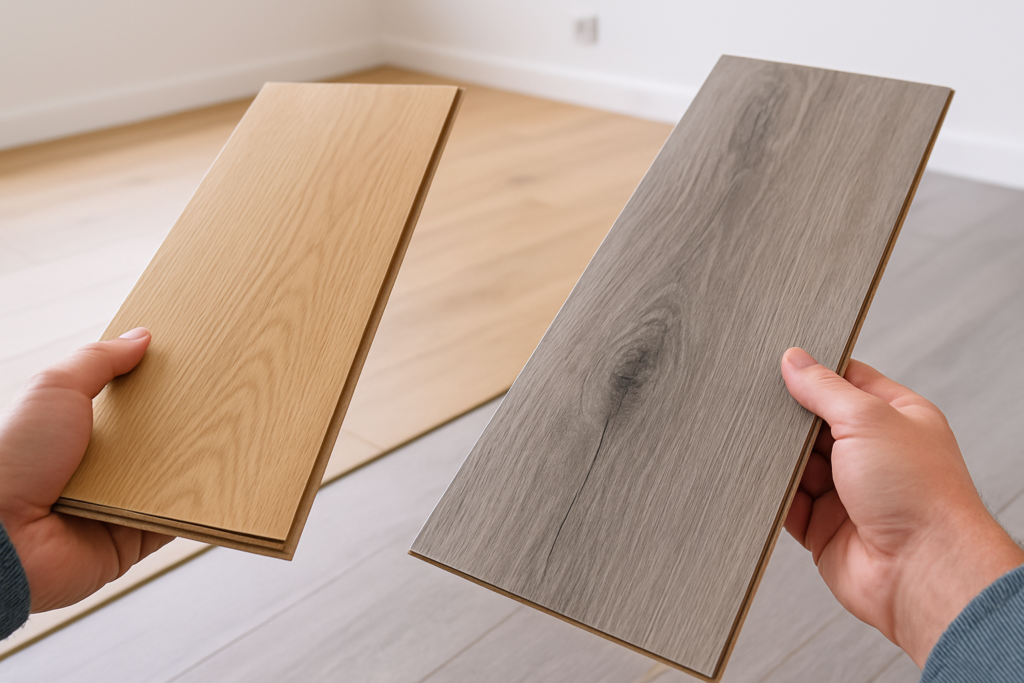
You invested in beautiful vinyl plank flooring, and now you want it to look stunning for years to come. Smart move. Vinyl plank flooring offers incredible durability and style, but like any flooring, it needs proper care to maintain its appearance and protect your investment.
The good news is that vinyl plank flooring is one of the most forgiving floor types when it comes to maintenance. However, there are some critical do’s and don’ts that can make the difference between flooring that looks fresh after a decade and flooring that shows every mistake you made along the way.
Let’s explore the essential care strategies that will keep your vinyl planks looking like new while avoiding the common pitfalls that lead to premature wear, voided warranties, and costly replacements.
Understanding Your Vinyl Plank Flooring
Before diving into care specifics, you need to understand what you’re working with. Most modern vinyl plank flooring features multiple layers including a wear layer, printed design layer, and backing material. The wear layer is your floor’s primary defense against scratches, stains, and daily abuse.
Luxury vinyl plank (LVP) typically has wear layers ranging from 2 mil to 22 mil thick. Thicker wear layers handle more abuse, but even the thickest wear layer can be damaged by improper care. Your flooring manufacturer likely specifies care requirements that directly impact your warranty coverage.
Daily Cleaning Do’s
Use the Right Cleaning Products
Your vinyl plank flooring needs pH-neutral cleaners specifically designed for luxury vinyl. Avoid generic floor cleaners, which often contain ingredients that can dull or damage the wear layer over time.
For daily cleaning, a specialized vinyl floor cleaner mixed with water works best. Many manufacturers recommend specific brands or formulations, so check your warranty documentation first.
Bona Hard-Surface Floor Cleaner
This pH-neutral formula works excellently on vinyl plank without leaving residue.
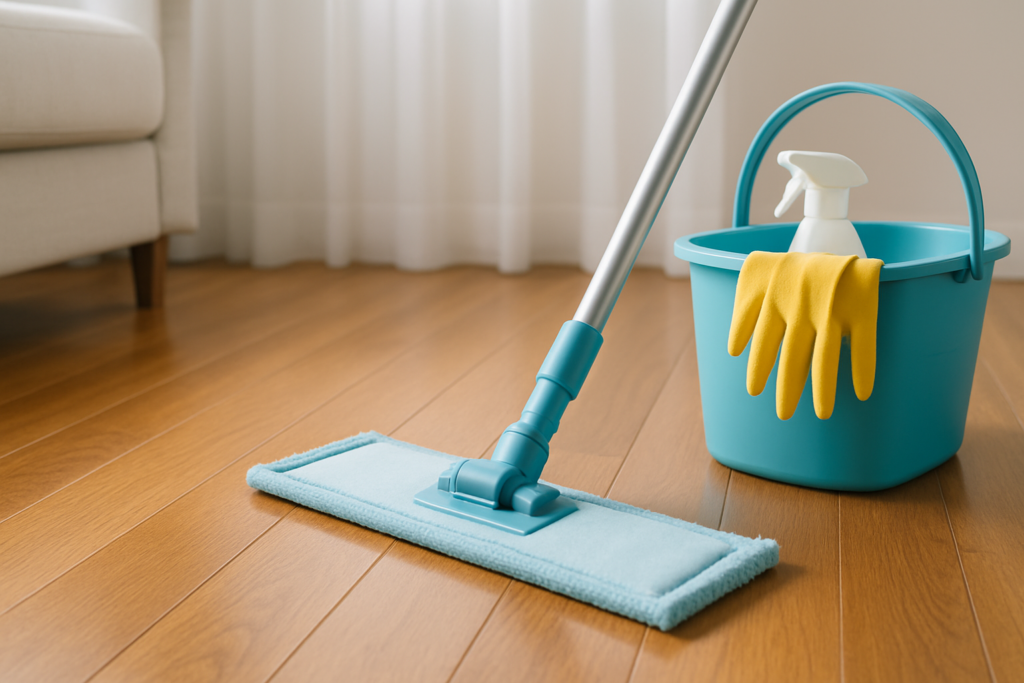
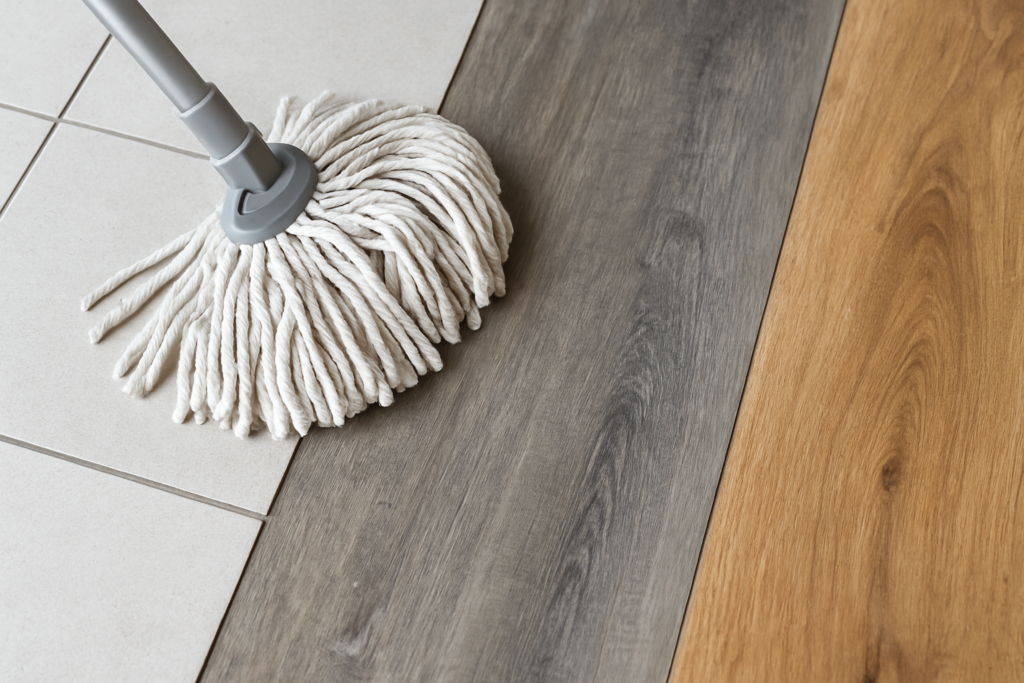
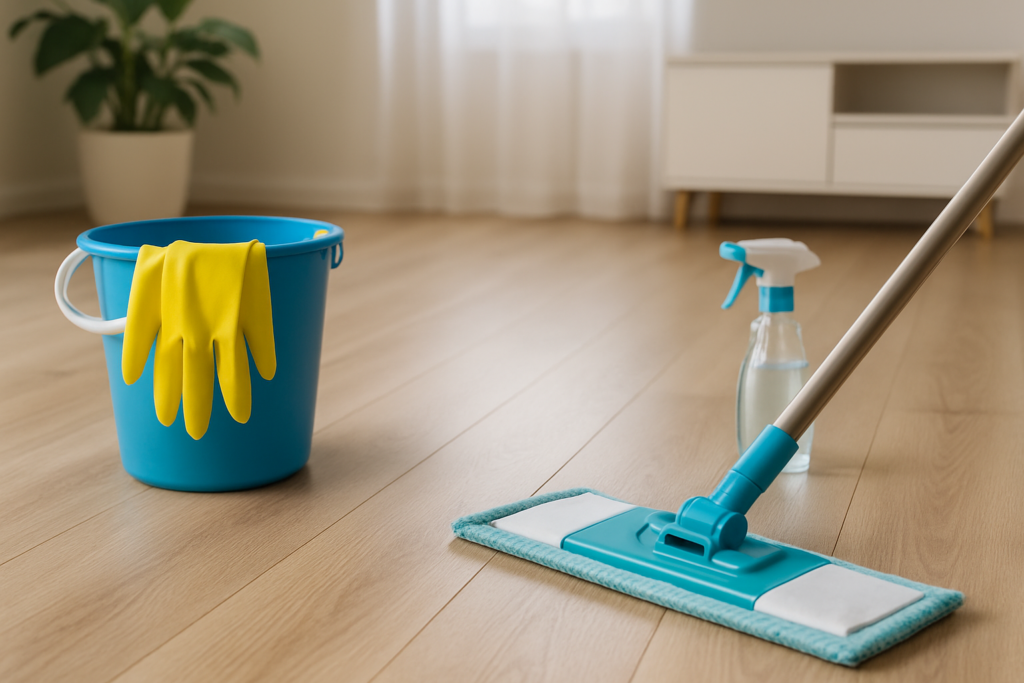
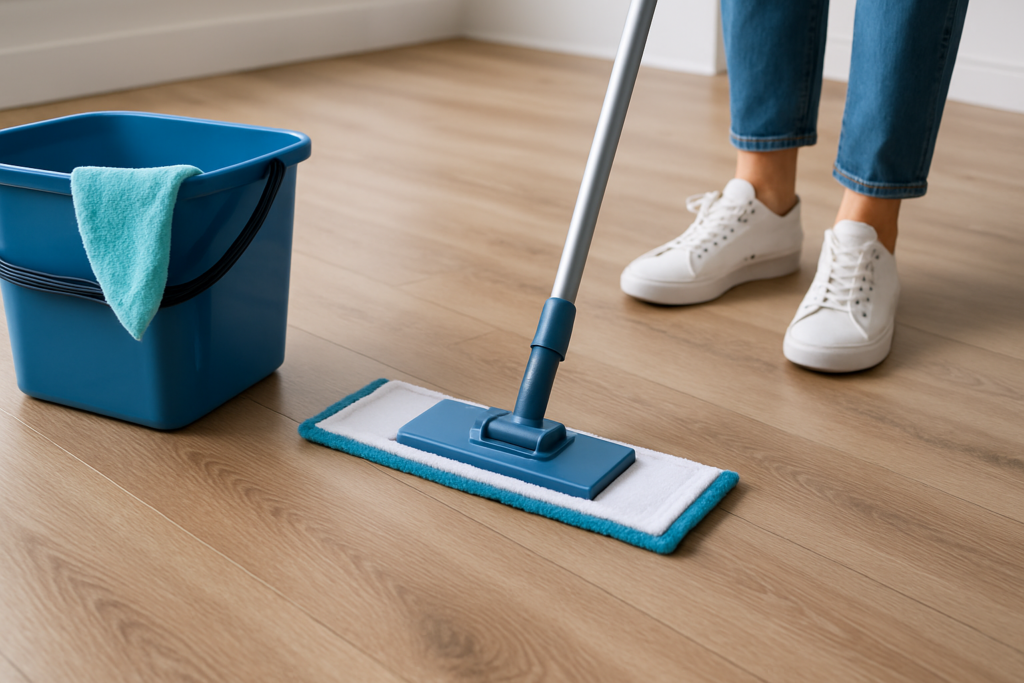
Microfiber mops are your best friend for regular cleaning. They pick up dirt and debris without scratching, and they work effectively with minimal moisture. Avoid string mops, which can push dirty water into seams and edges.
Sweep or Vacuum First
Always remove loose dirt and debris before wet cleaning. Sand, pet hair, and tracked-in particles act like sandpaper on your floor’s surface when you mop over them.
Use a soft-bristled broom or a vacuum with a hard floor setting. Avoid beater bars, which can scratch the surface. Many stick vacuums work perfectly for quick daily cleanups.
Critical Don’ts That Damage Your Floor
Never Use These Cleaning Products
Certain cleaning products will permanently damage vinyl plank flooring, often voiding your warranty in the process. Avoid ammonia-based cleaners, bleach, wax-based products, and abrasive cleaners completely.
Oil soaps and Murphy’s Oil Soap, while great for hardwood, create buildup on vinyl that attracts dirt and makes your floor look cloudy. Steam mops are another major no-go. The heat and moisture can penetrate seams, causing edges to curl or lift.
Acetone, nail polish remover, and strong solvents will dissolve the wear layer. Even small amounts can create permanent damage that’s impossible to repair.
Avoid Excessive Water
While vinyl plank flooring is water-resistant, it’s not waterproof at the seams. Excessive water can seep between planks, especially around the perimeter where expansion gaps exist.
Use a damp mop, not a soaking wet one. Your mop should be wrung out enough that it doesn’t leave standing water on the surface. Pay special attention to areas around sinks, dishwashers, and entryways where water exposure is common.
Furniture Protection Strategies
Heavy furniture poses the biggest threat to vinyl plank flooring. The point pressure from chair legs, table legs, and appliances can create permanent indentations or tears in the surface.
Install furniture pads under every piece that touches your floor. Replace these pads regularly as they wear down and lose effectiveness. For heavy appliances, use furniture sliders when moving them, and consider appliance mats for permanent installations.
SuperSliders Furniture Pads
These adhesive pads stay put and provide excellent protection for chair legs and furniture.
Rolling furniture like office chairs needs special attention. Make sure casters are clean and in good condition. Replace worn wheels that might catch or drag on the surface.
Temperature and Environmental Considerations
Vinyl plank flooring expands and contracts with temperature changes. Extreme temperatures can cause gaps, buckling, or other issues that affect both appearance and performance.
Maintain indoor temperatures between 65-85°F when possible. Avoid placing space heaters directly on the floor, and use protective mats under wood stoves or fireplaces.
In winter, prevent snow and ice melt from sitting on your floors. The chemicals in many ice melts can damage the wear layer, and the moisture can cause problems at seams and edges.
During summer, close blinds or curtains during peak sun hours. While quality vinyl plank flooring resists fading, prolonged direct sunlight can cause color changes over time.
Scratch Prevention and Protection
Preventing scratches is much easier than living with them. Place walk-off mats at every entrance to capture dirt, sand, and debris before it reaches your flooring. Choose mats without rubber backing, which can stain vinyl over time.
Keep pet nails trimmed short. Even small dogs can scratch vinyl plank flooring with overgrown nails. For cats, provide adequate scratching posts to redirect their natural behavior.
Gorilla Grip Original Faux-Chinchilla Area Rug
This plush area rug protects high-traffic zones while adding comfort and style.
Area rugs in high-traffic zones provide extra protection while adding style to your space. Choose rugs with non-staining backings, and rotate them periodically to ensure even wear patterns on your flooring.
Manufacturer Recommendations and Warranty Protection
Your flooring manufacturer provides specific care instructions that you should follow exactly. These aren’t suggestions – they’re requirements for maintaining your warranty coverage.
Most manufacturers require professional cleaning for certain types of stains or damage. Attempting DIY repairs or using unauthorized cleaning products can void your warranty completely.
Keep your purchase receipt, installation documentation, and warranty information in a safe place. Many warranties require proof of proper maintenance, so document any professional cleanings or repairs.
Register your flooring with the manufacturer if required. Some companies offer extended warranties or additional benefits for registered products.
Deep Cleaning and Maintenance Schedule
Beyond daily maintenance, your vinyl plank flooring benefits from periodic deep cleaning. Monthly deep cleaning prevents buildup of soap residue, body oils, and embedded dirt that regular mopping might miss.
Use a manufacturer-approved deep cleaner according to label directions. Work in small sections, and always rinse thoroughly to prevent residue buildup.
Annual professional cleaning can extend your floor’s lifespan significantly. Professional cleaners have access to commercial-grade equipment and products that aren’t available to consumers.
Dealing with Spills and Stains
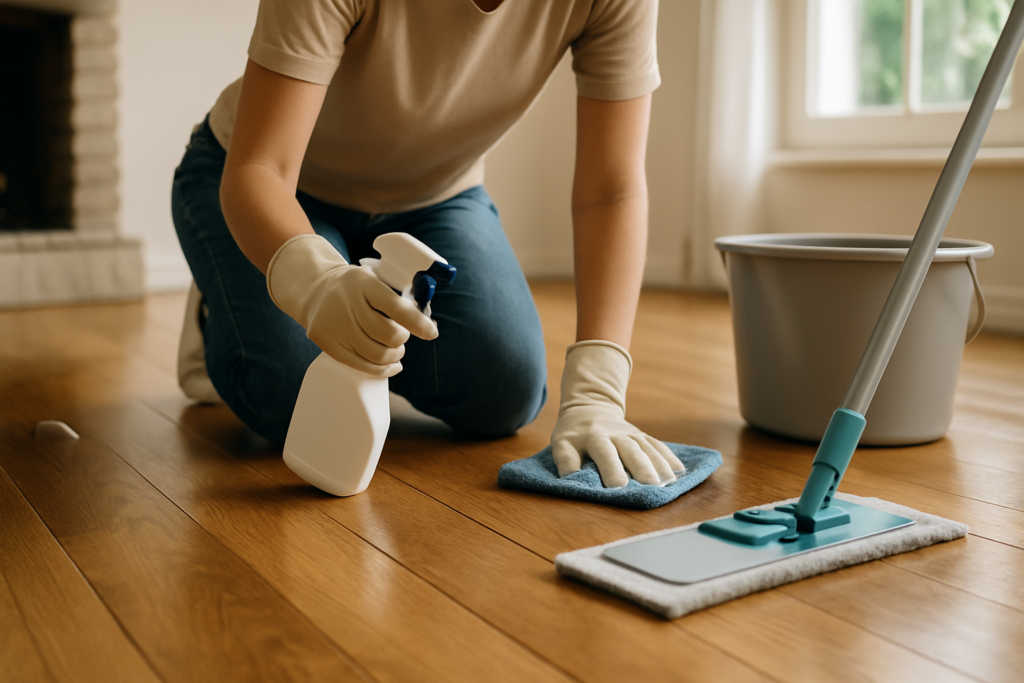
Quick response is essential for spill management. Blot liquids immediately with a clean cloth – don’t wipe, which can spread the spill or push it into seams.
For food spills, scrape up solids gently with a plastic scraper, then clean with your regular vinyl floor cleaner. Avoid metal scrapers or putty knives that can scratch the surface.
Tough stains like wine, coffee, or pet accidents may require specialized treatment. Check with your manufacturer before using any stain-specific products, as some can damage the wear layer.
Frequently Asked Questions
Can I use a steam mop on vinyl plank flooring?
Never use steam mops on vinyl plank flooring. The heat and moisture can cause seams to separate, edges to curl, and adhesives to fail. Stick to damp mopping with appropriate cleaners for safe, effective cleaning.
How often should I deep clean my vinyl plank floors?
Deep clean your vinyl plank flooring monthly in high-traffic areas and every 2-3 months in low-traffic spaces. Use only manufacturer-approved deep cleaning products, and always rinse thoroughly to prevent buildup.
What’s the best way to remove scuff marks?
Most scuff marks come off with regular vinyl floor cleaner and a microfiber cloth. For stubborn marks, try a tennis ball or pencil eraser, rubbing gently in circular motions. Avoid abrasive cleaners or scrubbing pads.
Will heavy furniture damage my vinyl plank flooring?
Heavy furniture can create permanent indentations if not properly protected. Use furniture pads under all legs and bases, and replace them regularly as they compress. For appliances, consider furniture sliders or protective mats.
Taking care of vinyl plank flooring isn’t complicated, but it does require consistency and attention to detail. Follow these guidelines, respect your manufacturer’s recommendations, and your beautiful floors will reward you with years of low-maintenance beauty. Remember that prevention is always easier and less expensive than repair or replacement.
This article contains affiliate links. We may earn a small commission at no extra cost to you.