
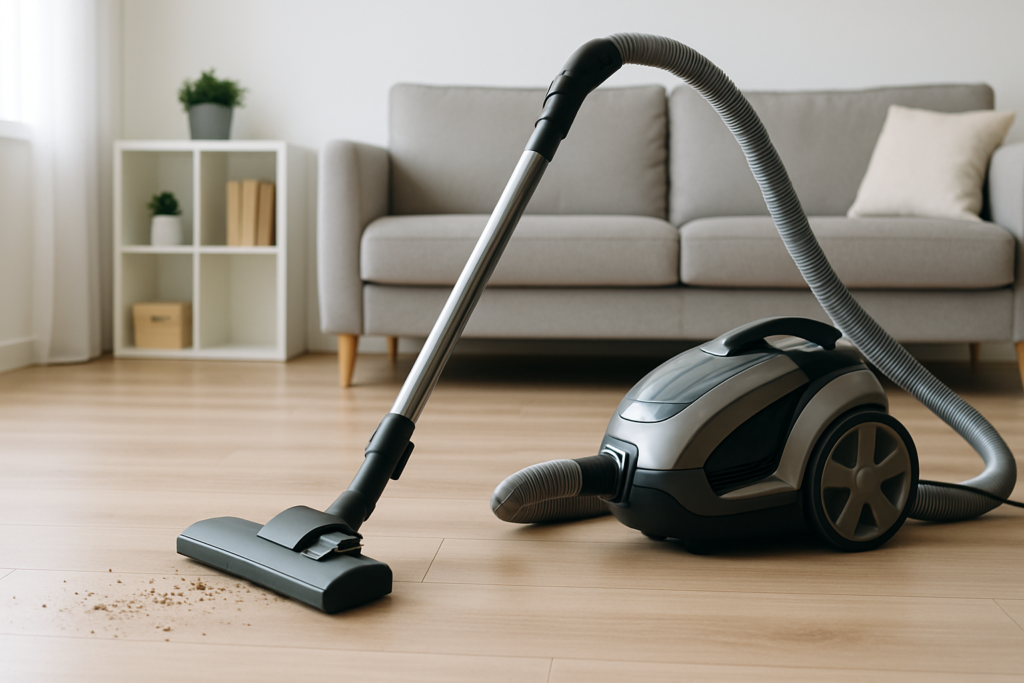
You walk into the store, credit card ready, convinced you’ve found the perfect vacuum. Six months later, you’re dealing with clogged filters, struggling to clean stairs, or watching pet hair dance mockingly across your carpet. Sound familiar? You’re not alone.
Most people approach vacuum shopping like buying a toaster. They focus on price, maybe glance at a few features, and call it done. But vacuums aren’t one-size-fits-all appliances. The wrong choice can cost you hundreds in wasted money, countless hours of frustration, and a home that never feels truly clean.
Here are the five biggest vacuum buying mistakes that drain your wallet, plus exactly how to avoid them.
Mistake #1: Buying the Wrong Type for Your Home Layout
Your home’s layout should dictate your vacuum choice, not the other way around. Yet most people grab whatever’s on sale or looks impressive in the store.
Upright vacuums excel on large carpeted areas but become awkward monsters on stairs and tight spaces. Canister vacuums handle stairs and furniture beautifully but feel cumbersome for big open rooms. Stick vacuums work great for quick cleanups and small spaces but lack the power for deep carpet cleaning.
If you live in a split-level home with mostly carpet, an upright like the Shark Navigator or Bissell CrossWave makes sense. Multi-story homes with varied flooring benefit from canister models like the Miele Complete C3. Apartments and condos often work best with cordless stick vacuums like the Dyson V15 or Tineco Pure One S12.
Before shopping, walk through your home and note where you’ll vacuum most often. Count stairs, measure doorway widths, and consider storage space. A vacuum that works perfectly for your neighbor’s ranch-style home might be completely wrong for your three-story townhouse.
Quick Home Assessment Checklist
- Measure your largest room to ensure the cord reaches
- Count stairs and note their width
- Identify your primary flooring types (carpet, hardwood, tile)
- Check storage space dimensions
- Note any mobility limitations you have
Mistake #2: Ignoring Your Filtration Needs
Filtration isn’t just marketing fluff. It directly affects your health, especially if you have allergies, asthma, or pets.
Basic filtration works fine for general dust and debris. But if you’re dealing with pet dander, fine dust, or allergens, you need HEPA filtration. True HEPA filters capture 99.97% of particles 0.3 microns or larger. That’s small enough to trap most allergens and bacteria.
Many vacuums claim “HEPA-like” or “HEPA-style” filtration. These marketing terms mean nothing. Look for “True HEPA” or “HEPA 14” certification.
Bagless vacuums often compromise filtration for convenience. Every time you empty that cup, you’re releasing particles back into your air. Bagged vacuums contain debris better, making them superior for allergy sufferers.
For severe allergies, consider vacuums with sealed systems. The Miele Complete C3 Cat & Dog and Shark Navigator Lift-Away Professional both feature sealed systems that prevent air leakage.
Filtration by Need
- Basic cleaning: Standard filters work fine
- Pet owners: HEPA plus specialized pet tools
- Allergies/asthma: True HEPA with sealed system
- Heavy dust areas: Multi-stage filtration
Mistake #3: Not Calculating Long-Term Maintenance Costs
That budget vacuum starts looking expensive when you factor in replacement costs. Cheap vacuums often use proprietary filters and parts that cost more to replace than the original machine.
Bagless vacuums seem cheaper initially, but their filters need frequent washing and eventual replacement. Washable filters never return to 100% efficiency after multiple cleanings. You’ll replace them every 6-12 months.
Bagged vacuums have ongoing bag costs, typically running competitively priced-40 per year for average use. But they often maintain suction better and protect the motor from debris.
Before buying, research replacement part availability and costs. Check how much filters, belts, and brush rolls cost. Some brands like Miele and Shark have readily available, reasonably priced parts. Others use expensive proprietary components.
Cordless vacuums present the biggest long-term cost surprise. Most batteries last 2-4 years with regular use. Replacement batteries often competitively priced-150, sometimes more than half the vacuum’s original price.
Annual Maintenance Cost Estimates
- Bagged upright: competitively priced-50 (bags, filters, belts)
- Bagless upright: competitively priced-80 (filters, belts, brush rolls)
- Cordless stick: competitively priced-40 plus battery replacement every 3 years
- Canister vacuum: competitively priced-60 (bags, filters, occasional parts)
Mistake #4: Falling for Marketing Gimmicks
Vacuum marketing is full of impressive-sounding features that add cost without real benefit. Don’t get distracted by flashy claims.
“Cyclonic action” sounds high-tech, but it’s just basic physics that most bagless vacuums use. “Advanced brush technology” often means slightly different bristle patterns that don’t improve performance. “Smart sensors” and LED displays add complexity and failure points.
Wattage and amp ratings mislead buyers too. Higher numbers don’t guarantee better cleaning. A well-designed 10-amp vacuum often outperforms a poorly designed 12-amp model. Focus on actual cleaning performance and airflow efficiency.
Self-propelled features can help with heavy vacuums, but they add weight, complexity, and cost. Many users find them more annoying than helpful, especially on area rugs.
Multiple cleaning modes sound useful but rarely get used after the first week. Most people stick with one or two settings. Save money by skipping these extras unless you specifically need them.
Features Worth Paying For
- Adjustable height settings for different carpet types
- Quality attachments for stairs and upholstery
- Long, tangle-free cords
- Easy-to-access brush roll for maintenance
- Large capacity bags or cups
Mistake #5: Skipping Proper Pre-Purchase Research
Most people spend more time researching smartphones than vacuums, despite using vacuums for years. This lack of research leads to expensive mistakes.
Store demonstrations rarely reflect real-world performance. Those perfect carpet samples don’t have embedded pet hair, ground-in dirt, or furniture to navigate around. Magazine reviews often focus on laboratory tests that don’t translate to your living room.
User reviews provide better insights, but read them carefully. Focus on reviews from people with similar homes and needs. A positive review from someone with hardwood floors won’t help if you have thick carpet.
Try before you buy when possible. Many retailers offer return policies, and some manufacturers provide trial periods. Take advantage of these offers, especially for expensive models.
Research replacement part availability in your area. Even excellent vacuums become worthless if you can’t find parts or service.
How to Properly Assess Your Needs Before Buying
Start by documenting your cleaning challenges. Walk through your home and note problem areas. Do you struggle with pet hair on furniture? Does dust accumulate quickly on hard floors? Are stairs difficult to clean?
Consider your physical limitations honestly. A 20-pound vacuum might feel fine in the store but become exhausting after cleaning three floors. If you have back problems, a lightweight canister or stick vacuum makes more sense than a heavy upright.
Think about storage realistically. That sleek upright won’t help if it doesn’t fit in your closet. Measure your storage space and factor in room for attachments.
Budget for the total cost of ownership, not just the purchase price. A competitively priced vacuum that needs competitively priced in parts every year costs more than a competitively priced vacuum with minimal maintenance needs.
Your Pre-Purchase Action Plan
- Map your cleaning needs room by room
- Measure spaces and storage areas
- Research 3-4 models that fit your needs
- Calculate 3-year ownership costs
- Read user reviews from similar situations
- Check return policies before buying
Making the Smart Purchase Decision
Armed with this knowledge, you can avoid the costly mistakes that trap most vacuum buyers. Focus on your specific needs rather than impressive features you’ll never use.
For most homes, a reliable mid-range vacuum from established brands like Shark, Bissell, or Miele provides better long-term value than budget models or feature-heavy premium options.
Remember that the best vacuum is the one you’ll actually use regularly. A slightly less powerful model that’s easy to maneuver beats a powerful machine that stays in the closet because it’s too heavy or awkward.
Frequently Asked Questions
How long should a vacuum cleaner last?
A quality vacuum should last 8-12 years with proper maintenance. Budget models typically last 3-5 years, while premium brands can exceed 15 years. Regular maintenance like changing filters and cleaning brush rolls significantly extends lifespan regardless of price point.
Are expensive vacuums really worth the extra cost?
Expensive vacuums often justify their cost through better build quality, superior filtration, and longer lifespans. However, many mid-range models provide 80% of the performance at 50% of the cost. Focus on features you need rather than price alone.
Should I choose bagged or bagless?
Bagged vacuums generally provide better filtration and are more hygienic for allergy sufferers. Bagless models offer convenience and eliminate ongoing bag costs but require more filter maintenance. Choose based on your health needs and maintenance preferences.
How important is warranty coverage?
Warranty coverage indicates manufacturer confidence and protects your investment. Look for at least 2-3 years of coverage on the motor and 1 year on parts. Extended warranties from third parties rarely provide good value, but manufacturer warranties are essential.